
Vegetables
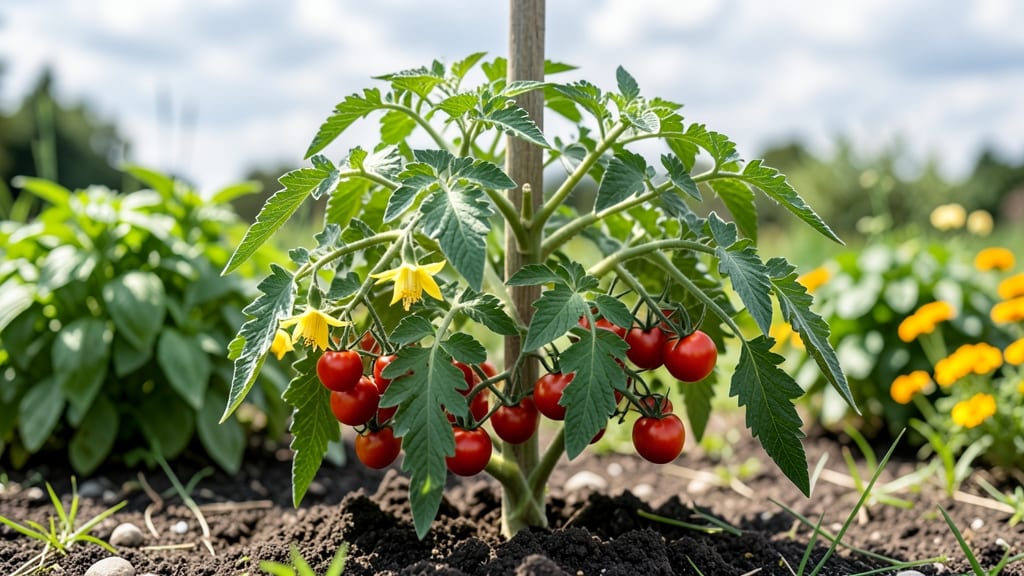
Growing Northern Lights tomatoes in your garden means striped, sun-ripened fruit even when summer feels reluctant. 🌱 I planted mine last year in zone 4, and the striped beauty thrived where other tomatoes wilted—proof that cold-climate gardening doesn’t mean sacrificing flavor.
These tomatoes aren’t just hardy; they’re the showstopper of your harvest table, with bold red-and-yellow stripes that taste like summer concentrated into every bite.
The secret starts with well-draining soil and a sunny spot (at least 6-8 hours of light daily), even in cooler zones. Space plants 24-36 inches apart to give them room to sprawl or climb, and use cages or stakes—they’ll need support as they grow 4-5 feet tall.
Unlike heat-loving varieties, Northern Lights tolerate cooler nights (down to 50°F) and even a light frost, making them perfect for early springs or late falls.
Water consistently—1-2 inches per week—but avoid soggy soil, which invites disease. Feed with balanced fertilizer every 3-4 weeks, and prune suckers to focus energy on fruit.
By mid-summer, you’ll be harvesting 10-15 pounds of tomatoes per plant, each one packed with sweet, tangy flavor that’s impossible to resist. The stripes deepen as they ripen, turning into a stunning visual reward for your patience.
Even in short seasons, Northern Lights deliver—50-60 days to maturity means you’ll still get a harvest before frost. Store unripe tomatoes indoors to finish ripening, and save seeds for next year.
Whether you’re a first-time gardener or a veteran of cool climates, these tomatoes prove that bold flavors and resilience go hand in hand. Ready to grow yours?
📚 In This Guide
- What you need
- Instructions
- Tips and common mistakes
- Wrapping up and next steps
What you need
- ● Seeds or seedlings: 3–5 Northern Lights tomato seeds (or seedlings, if starting from store-bought plants).
- ● Containers or garden bed: For containers: 5-gallon pots or larger (at least 12–18 inches deep) with drainage holes.
- ● For in-ground planting: Well-draining soil in a sunny, sheltered spot (6+ hours of sunlight daily).
- ● Potting mix: High-quality, well-draining organic soil (avoid garden soil—it compacts easily).
- ● Fertilizer: Balanced fertilizer (10-10-10) or compost for planting.
- ● Tomato-specific fertilizer (high in potassium and phosphorus) for mid-season growth.
- ● Support structure: Cage (5–6 ft tall) or stakes to keep plants upright as they grow.
- ● Mulch: Straw or shredded leaves (2–3 inches thick) to retain moisture and regulate soil temp.
- ● Gloves & trowel for planting.
- ● Watering can or hose with gentle spray nozzle (avoid wetting leaves).
- ○ Pruning shears for trimming suckers (optional but recommended).
- ● Row cover or frost cloth (if planting early in cool climates).
- ○ pH testing kit (optional but helpful—ideal soil pH: 6.0–6.8).
- ● Slow-release fertilizer pellets for convenience.
- ● Drip irrigation system to automate watering.
- ● Epsom salt (1 tbsp per plant monthly) for magnesium boost.
- ● Companion plants: Basil, marigolds, or nasturtiums to deter pests.
Step-by-Step instructions for growing Northern Lights tomatoes
Here’s how to cultivate these stunning striped heirlooms—resilient, flavorful, and perfect for cooler regions.
🌱 Step 1: Start Seeds Indoors 8-10 Weeks Before Last Frost
Northern Lights tomatoes thrive when started early, so begin seeds indoors under grow lights or in a sunny window. Use 4-inch pots filled with sterile seed-starting mix to prevent damping-off. Plant seeds ¼ inch deep—any deeper and they’ll struggle to break through the soil. I like to label each pot immediately since these striped beauties can blend in with other seedlings.
Keep the soil consistently moist but never soggy—bottom-watering (placing pots in a tray of water for 10 minutes) prevents overwatering while encouraging strong root growth. Place pots on a seedling heat mat set to 75°F to speed germination, which typically takes 7-14 days. Watch for the first true leaves (the second set after the initial cotyledons) before hardening off.
☀️ Step 2: Harden Off and Transplant After All Frost Risk Has Passed
Two weeks before your last frost date, move seedlings outdoors to a sheltered spot for 1-2 hours daily, gradually increasing exposure. Northern Lights tomatoes tolerate cooler temperatures better than most varieties, but they still need to acclimate. I start with shade cloth to protect them from intense afternoon sun during this transition.
Transplant after soil reaches 60°F and nighttime temperatures stay above 50°F. Bury stems ⅔ of the way to encourage deeper root systems—these plants reward patience with vigorous growth. Space them 24-36 inches apart in rows 3 feet apart to allow airflow and prevent disease. Mulch heavily with straw or grass clippings to retain moisture and regulate soil temperature.
💧 Step 3: Provide Consistent Water and Support for Heavy Fruit
Northern Lights tomatoes need 1-2 inches of water weekly, delivered at the base to avoid wetting leaves (which invites blight). I water deeply in the morning to let foliage dry before evening. These plants produce large, striped fruits that demand sturdy support—install cages or stakes at planting time to avoid disturbing roots later. Trellising also improves airflow, reducing the risk of fungal issues.
Fertilize lightly at planting with balanced organic fertilizer (5-5-5), then side-dress with compost mid-season. Too much nitrogen leads to leafy growth at the expense of fruit. Prune suckers (the shoots in the leaf axils) regularly to focus energy on fruit production. Harvest when tomatoes reach full color and yield slightly to pressure—this variety’s stripes deepen as they ripen, making them a showstopper in the garden.
⏰ Step 4: Extend the Season with Cold Protection
Northern Lights tomatoes handle cooler temps better than most, but a late frost can damage new growth. Use row covers or cloches when nighttime temps dip below 45°F. I’ve grown them successfully in Zone 4 with these protections, even harvesting into early fall. Remove covers during the day to allow pollination—bees need access to the flowers for fruit set.
In containers? Choose 5-gallon pots with sturdy trellises and move them to a sunny, sheltered spot. Northern Lights tomatoes are compact enough for patio growing but still need consistent care. Bring pots indoors or to a garage before hard frosts if you want to overwinter them—though they’re typically grown as annuals, their resilience makes them worth the effort.
Tips & tricks for growing stunning Northern Lights tomatoes
These practical insights will help you coax the most vibrant stripes and robust harvest from your cold-hardy plants.
Seed Starting Precision: The ¼-inch depth for planting seeds is critical—any deeper and seedlings may struggle to emerge. I use a toothpick to mark the exact planting depth in each pot, preventing over-planting which can lead to damping-off. For the 10-minute bottom-watering, I set a timer to avoid soggy soil, which can suffocate young roots.
Harden Off Gradually: The 1-2 hour daily outdoor exposure during hardening off should be done in the morning when temperatures are cooler. I start with just 30 minutes on day one, then add 30 minutes each subsequent day to avoid shocking tender seedlings. Watch for wilting—this signals you're progressing too quickly.
Cold Climate Adaptations: Northern Lights tomatoes thrive at the 60°F soil temperature threshold, but I've found they perform even better when soil stays between 65-70°F. In cooler climates, use black plastic mulch to warm the soil before transplanting. The 45°F nighttime protection threshold is your guide—if temps drop below this, cover plants immediately to prevent damage.
Pruning Strategy: When pruning suckers in Step 3, focus on removing only those that appear in the leaf axils between the main stem and branches. I leave the first few suckers near the base to create a bushier plant, which can actually improve fruit production in cooler climates where vining is slower.
Pro Tips for Northern Lights Tomato
- These practical insights will help you coax the most vibrant stripes and robust harvest from your cold-hardy plants.
- Seed Starting Precision: The ¼-inch depth for planting seeds is critical—any deeper and seedlings may struggle to emerge.
- Harden Off Gradually: The 1-2 hour daily outdoor exposure during hardening off should be done in the morning when temperatures are cooler.
Frequently asked questions
Got questions about growing Northern Lights tomatoes? You’re not alone! Here are some of the most common queries—and their answers—to help you cultivate these stunning striped beauties like a pro.
Are Northern Lights tomatoes truly perennial in cold climates?
The name is a bit misleading! While they can survive mild winters in zones 8-10, they’re typically grown as annuals in colder regions (zones 5-7). In frost-prone areas, treat them like other tomatoes—plant fresh each spring and protect with row covers or containers if needed. Pro tip: Overwintering requires extra care (mulching, greenhouse protection), but many gardeners opt for annual planting for simplicity.
When’s the best time to plant Northern Lights tomatoes?
Start seeds indoors 6-8 weeks before your last frost date (early spring). Transplant seedlings outdoors only after soil reaches 60°F (15°C) and nighttime temps stay above 50°F (10°C). In colder zones, use black plastic mulch or cold frames to extend the season. Warning: These tomatoes hate cold soil—waiting too long risks poor germination or stunted growth.
Why aren’t my Northern Lights tomatoes ripening?
Blame temperature, sunlight, or pollination issues. These tomatoes need full sun (6+ hours/day) and warm days (>75°F/24°C) to ripen. If blooms drop without fruiting, hand-pollinate with a small brush or check for pests (like hornworms). Quick fix: Move plants to a sunnier spot or use a greenhouse in short-summer climates. Need more help?
Can I grow Northern Lights tomatoes in containers?
They thrive in 5-gallon+ containers with well-draining soil and consistent moisture. Choose a pot with drainage holes and support (like a cage or trellis) since they grow 6-8 feet tall. Bonus: Container growing makes them easier to protect from late frosts. Just ensure the pot stays warm—cold roots = slow growth. See sizing guidelines for your space!
What’s a good alternative if Northern Lights are hard to find?
Try these cold-tolerant, striped tomato varieties:
- ‘Black Krim’ – Striped, disease-resistant, and flavorful (but not true perennials).
- ‘Indigo Rose’ – Anthocyanin-rich (purple-striped) and heat-tolerant.
- ‘Striped Roman’ – Classic heirloom with green/yellow stripes, great for sauces.
For true perennials, consider ‘Solanum lycopersicum ‘Mountain Magic’ (a cold-hardy hybrid), though yields may be smaller.
Wrapping up and next steps
Growing Northern Lights tomatoes is a rewarding adventure—especially for gardeners in cooler climates! 🌟 These striking, striped perennials thrive where others falter, delivering bold flavors and vibrant colors year after year. With the right prep, patience, and a dash of creativity, you’ll harvest homegrown gems that outshine store-bought varieties.
Ready to level up your garden? Start by planting a few seeds or seedlings this season—then watch your cold-hardy masterpiece flourish! 🌱 For even more success, join gardening forums or experiment with companion plants to boost growth. Happy growing!