
Vegetables
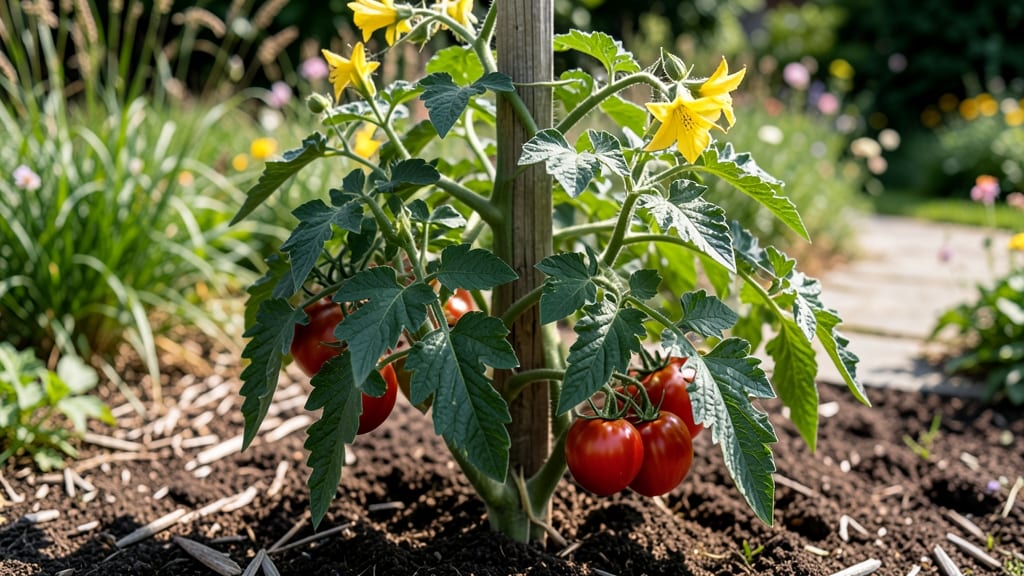
Growing Old German tomatoes means rediscovering a lost heirloom that thrives like no other. 🌱 This remarkable variety doesn't just produce fruit—it regenerates from its own roots year after year, making it the ultimate low-maintenance treasure for patient gardeners.
Unlike modern hybrids that fade after one season, Old German tomatoes reward loyalty with deep flavor and surprising resilience.
The secret starts with rich, well-draining soil mixed with compost—think of it as a hug for roots. Plant in full sun (at least 6-8 hours daily) with 3 feet between plants to give them room to sprawl.
These tomatoes love warmth but hate soggy feet, so prioritize drainage. The first harvest arrives in 75-90 days, but the real magic happens when you save a few plants over winter—they’ll bounce back stronger next spring.
What you’ll get is meaty, tangy fruit with a taste that beats store-bought tomatoes by a mile. The plants handle pests better than most heirlooms, and their ability to regrow means fewer replacements over time.
Even in cooler climates, they’ll surprise you with a second flush of fruit if you protect them from early frost.
Perfect for gardeners who love heirlooms, want to reduce waste, or simply crave tomatoes with old-world depth. Start small—just 3 plants—and watch how this variety pays dividends for years. The key is patience; these tomatoes don’t rush, but they never disappoint either.
📚 In This Guide
- What you need
- Instructions
- Tips and common mistakes
- Wrapping up and next steps
What you need
- ● Seeds: 1 packet (50-100 seeds) of heirloom German tomato varieties like ‘Brandywine,’ ‘Black Krim,’ or ‘Striped Roman.’ Opt for organic, non-GMO seeds for best results.
- ● Potting soil: 10-20 lbs of high-quality, well-draining potting mix (look for labels like "organic" or "seed-starting mix").
- ● Containers: 4-6 biodegradable seedling pots (3-4 inches deep) or a seed-starting tray with individual cells.
- ● Fertilizer: A balanced, water-soluble fertilizer (e.g., 10-10-10 NPK) or organic options like fish emulsion or compost tea.
- ● Grow lights or sunny windowsill: A full-spectrum LED grow light (or access to a south-facing window with 6+ hours of sunlight daily).
- ● Spray bottle: For gentle watering during germination.
- ● Small hand trowel: For transplanting seedlings.
- ○ Pruning shears: To trim suckers and encourage bushier growth (optional but helpful for indeterminate varieties).
- ● Support stakes or cages: 4-6 stakes (5-6 feet tall) or tomato cages (5-6 feet in diameter) for indeterminate varieties.
- ● Mulch: Straw or shredded leaves (2-3 inches thick) to retain moisture and suppress weeds.
- ● Seedling heat mat ($10-$20) to speed up germination in cooler climates.
- ● pH testing kit ($5-$10) to ensure soil pH is between 6.0-6.8 (ideal for tomatoes).
- ● Compost or worm castings (1-2 cups per plant) for extra nutrients.
- ● Drip irrigation system or soaker hose for efficient watering.
Step-by-step guide to growing Old German tomatoes
Here's how I cultivate these remarkable heritage varieties that reward patience with year-after-year regrowth.
🌱 Step 1: Select and Prepare Your Planting Site
Old German tomatoes thrive in full sun—choose a location receiving at least 8 hours of direct sunlight daily. These heirlooms prefer well-draining soil with a pH between 6.0 and 7.0. Amend heavy clay soil with 2-3 inches of compost mixed into the top 12 inches of soil to improve drainage and fertility.
I always test my soil first using a simple pH kit. If your soil is too acidic, add 1-2 pounds of lime per 100 square feet and mix it in a month before planting. These tomatoes are sensitive to waterlogged roots, so avoid low-lying areas where water pools after rain.
🪴 Step 2: Plant Transplants at the Right Time
Wait until after your last frost date when nighttime temperatures consistently stay above 50°F. Old German tomatoes are tender and won't tolerate cold snaps. Plant 4-5 weeks before your average first frost in spring, or 6-8 weeks before your first fall frost if growing as an annual.
Dig holes twice as wide as the root ball but only as deep as the container. Gently remove the plant from its pot and loosen any circling roots. Place the tomato in the hole, backfill with soil, and water deeply to settle everything. Space plants 3-4 feet apart—they'll need room to develop their sprawling vines.
☀️ Step 3: Provide Support and Consistent Care
Install 5-6 foot tall cages or sturdy stakes at planting time to support the heavy fruit. I prefer cages for these varieties since their indeterminate growth can get quite top-heavy. Water deeply 2-3 times per week, providing 1-1.5 inches of water each time. Let the top 2 inches of soil dry between waterings to prevent fungal diseases.
Mulch around the base with 2-3 inches of straw to retain moisture and suppress weeds. Fertilize lightly with a balanced organic fertilizer (5-5-5 ratio) at planting, then again when flowers appear. Avoid high-nitrogen fertilizers—they'll produce lush foliage but few tomatoes.
✂️ Step 4: Prune and Train for Maximum Yield
Pinch off suckers—the small shoots that form in the leaf axils—when they're less than 2 inches long. This directs the plant's energy into fruit production rather than excessive foliage. Remove any leaves touching the soil to improve airflow and prevent disease.
For these heritage varieties, I focus on open-center pruning, leaving 3-4 main stems to develop. This creates better airflow and larger fruit. Watch for yellowing leaves—this often signals either overwatering or nutrient deficiency. Adjust your care accordingly.
🍅 Step 5: Harvest and Prepare for Regrowth
Harvest tomatoes when they're fully colored and slightly soft to the touch. For Old German varieties, this typically occurs 70-80 days after transplanting. Pick regularly to encourage more production. Store harvested tomatoes at room temperature until ripe, then refrigerate for longer storage.
Here's the magic of these heritage plants: after your first harvest, cut the plant back to 12 inches above ground. With proper care, it will regrow and produce a second crop in 6-8 weeks. In warmer climates, you might even get a third harvest! Mulch heavily and water consistently to support this regrowth.
Tips & tricks for perfect Old German tomato cultivation
These heritage varieties demand attention to detail—but the rewards are worth every effort. Here's what I've learned after years of growing these remarkable plants.
Sunlight Strategy: While the instructions specify 8 hours of direct sunlight daily, I've found these tomatoes actually thrive with 9-10 hours in hotter climates. Watch for leaf scorch on the south side—if you notice yellowing edges, provide afternoon shade during peak summer months. The key is maintaining that 6.0-7.0 pH range while ensuring full sun exposure for maximum photosynthesis.
Planting Precision: When you're planting 4-5 weeks before your last frost date, I recommend adding a 2-inch layer of compost to the bottom of each planting hole. This gives roots immediate access to nutrients as they establish. Also, avoid disturbing the root ball more than necessary—these heirlooms are sensitive to transplant shock, and gentle handling makes all the difference in their early growth.
Watering Wisdom: The 2-3 times per week watering schedule works beautifully, but I've developed a simple test to ensure proper moisture: stick your finger 2 inches into the soil—if it feels dry, that's your cue to water. The goal is consistent moisture without waterlogging, which these tomatoes absolutely hate. I water deeply in the morning to allow foliage to dry before evening, preventing fungal issues.
Pruning Payoff: When you're pinching off those less than 2-inch suckers, focus on keeping the plant's energy directed toward the main stems. I've noticed that leaving 3-4 main stems creates better airflow and larger fruit—this is especially important for these heritage varieties that can become top-heavy. Regular pruning also makes harvesting easier as the plant matures.
Pro Tips for Old German Tomato
- These heritage varieties demand attention to detail—but the rewards are worth every effort. Here's what I've learned ...
- Sunlight Strategy: While the instructions specify 8 hours of direct sunlight daily, I've found these tomatoes actuall...
- Planting Precision: When you're planting 4-5 weeks before your last frost date, I recommend adding a 2-inch layer of ...
Frequently asked questions
How often should I water my Old German Tomato plant?
The Old German Tomato loves consistent moisture—especially during fruiting. Water deeply 2-3 times per week (more in extreme heat), ensuring soil stays evenly damp but not soggy. Mulch around the base to retain humidity and prevent soil splashing on leaves (which can spread disease). Morning watering is ideal to reduce evaporation.
Can I grow Old German Tomatoes indoors year-round?
This variety thrives indoors with 6-8 hours of sunlight daily (a south-facing window or grow lights work). Use a large pot (10+ gallons) with drainage, and prune aggressively to manage size. Keep temps between 65–75°F and fertilize lightly every 4–6 weeks. Regrowth is slower indoors, so expect smaller yields but steady harvests.
Why aren’t my tomatoes ripening? Troubleshooting tips?
Blame heat stress, poor pollination, or lack of sunlight. If temps exceed 90°F, shade cloth helps. For pollination, gently shake plants or use a small brush. Green tomatoes? Harvest early and ripen indoors with a paper bag + banana (ethylene gas speeds it up!). If leaves yellow, check for blight or nutrient deficiency (add compost or balanced fertilizer).
What’s the best way to regrow Old German Tomatoes from scraps?
Save the stem + 2–3 leaves from a ripe tomato, let it dry for 1–2 days, then place it in water. Roots form in 1–2 weeks—transfer to soil once sturdy. Pro tip: Use a small pot first to avoid transplant shock. Regrowth takes 4–6 weeks to produce new leaves, so be patient! Avoid overwatering the cutting.
Are there disease-resistant alternatives to Old German Tomatoes?
If you’re concerned about blight or wilt, try these heirloom regrowers with better resistance:
- ‘San Marzano’ – Disease-resistant, sweet, and prolific.
- ‘Cherokee Purple’ – Handles heat well, fewer pest issues.
- ‘Brandywine’ – Classic beefsteak with moderate disease tolerance.
Wrapping up and next steps
Growing your own old German tomato isn’t just a hobby—it’s a rewarding journey into heritage flavors and sustainable gardening. These resilient varieties thrive year after year, offering sweet, tangy rewards with minimal effort.
Whether you’re a seasoned gardener or a curious beginner, their ability to regrow makes them a must-try for any home plot.
Ready to take the next step? Start small—plant a few seeds or seedlings this season and watch your garden transform! Share your progress with fellow gardeners, experiment with recipes, and savor the taste of history in every bite. Your kitchen (and taste buds) will thank you! 🌱🍅