
Vegetables
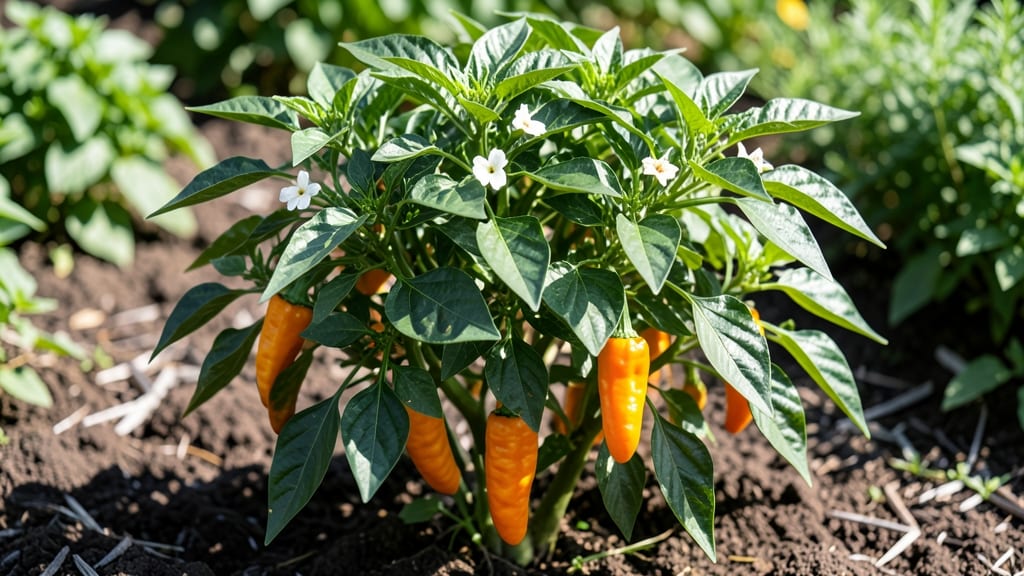
Growing orange habanero peppers means fiery heat meets tropical sweetness in every bite. 🌶️ These vibrant plants are my favorite summer challenge—they reward patience with clusters of bright fruit that pack serious punch (and serious flavor). The key starts with soil: well-draining, rich in compost, and slightly acidic (6.0-6.5 pH).
Too much moisture? Roots rot. Too dry? Fruits turn bitter. I learned that the hard way after my first batch of peppers split open before ripening.
Sunlight is non-negotiable—these peppers demand at least 6-8 hours of direct sun daily, more if your summers are scorching. In my zone 9 garden, they thrive in full sun with afternoon shade during peak heat.
Start from seeds indoors 8-10 weeks before last frost, or buy sturdy transplants from a reputable grower. Space plants 18-24 inches apart—crowding invites disease and weakens fruit production.
The first harvest comes 90-120 days after transplanting, but the real magic happens when you let a few peppers ripen fully on the plant.
Harvesting is where the fun begins—pick peppers when they’re bright orange and firm, or leave them on the plant to deepen to red for a sweeter, fruitier flavor. The heat? 250,000-350,000 Scoville units—enough to make your mouth tingle and your eyes water if you’re not careful.
Store unripe peppers in the fridge for up to a week, or dry them for long-term use. Just watch for aphids and spider mites, which love habaneros. A strong spray of water or neem oil usually does the trick before they take over.
Here’s the secret I’ve perfected: Feed them well. Every 2-3 weeks, give them a balanced fertilizer (10-10-10) to keep the heat and sweetness in balance. My plants now produce 50+ peppers per season, and the neighbors keep asking for cuttings.
The first time you bite into a perfectly ripe orange habanero—sweet, fruity, with just a hint of fire—you’ll understand why this is the ultimate gardening thrill.
📚 In This Guide
- What you need
- Instructions
- Tips and common mistakes
- Wrapping up and next steps
What you need
- ● Seeds: 5–10 high-quality orange habanero seeds (look for Capsicum chinense varieties).
- ● Potting Soil: 10–15 lbs of well-draining, organic potting mix (add perlite or vermiculite for aeration).
- ● Containers: 5–7 gallon pots (or a raised bed if planting outdoors in warm climates).
- ● Fertilizer: Balanced organic fertilizer (10-10-10 NPK) or compost tea for nutrient boosts.
- ● Sunlight: Full sun (6+ hours daily).
- ● Water: 1–2 gallons per plant weekly (keep soil moist but not soggy).
- ○ Optional: Grow lights (for indoor setups).
- ● Coffee grounds (to enhance soil acidity).
- ● Trellis or cage (for support as plants grow 3–5 ft tall).
- ● Peppers: 1–2 ripe orange habaneros (wear gloves—they’re HOT!).
- ● Knife: Sharp chef’s knife or microplane (for zesting).
- ● Cutting Board: Wooden or plastic (avoid reactive surfaces like marble).
- ● Citrus: Lime or lemon (1–2, for balancing heat).
- ○ Sweetener (Optional):strong> Honey or agave (1–2 tbsp to mellow spice).
- ● Mango or pineapple (1 cup, for tropical fusion).
- ● Storage: Airtight container or freezer bag (for fresh or dried peppers).
- ● Gloves: Food-safe nitrile gloves (habaneros stain and burn!).
- ● First-Aid: Milk or honey (to soothe accidental burns).
- ● Ventilation: Open windows or use a fan (smoke from cooking can irritate eyes).
Step-by-step guide to growing orange habanero peppers
This vibrant, fiery variety thrives with precise care—here’s how to coax bold orange fruits from seed to harvest.
🌱 Step 1: Start Seeds Indoors for Strong Starts
Sow seeds 8-10 weeks before your last frost date in biodegradable pots filled with sterile seed-starting mix. Orange habaneros need warmth to germinate—place pots on a seedling heat mat set to 80-85°F. Keep the soil consistently moist but never soggy; a spray bottle prevents disturbing seeds.
Cover the tray with a clear plastic dome to retain humidity, then place under grow lights (14-16 hours daily). You’ll see first true leaves in 10-14 days—this is your cue to remove the dome immediately. Leggy seedlings? Move the lights closer; they’re stretching for more light.
☀️ Step 2: Transplant After Frost and Provide Full Sun
Wait until nighttime temperatures stay above 55°F before transplanting. Choose a sunny spot with 6+ hours of direct sunlight—orange habaneros demand heat to ripen their signature color. Bury plants deeper than the seedling pot, covering half the stem to encourage root growth.
Space plants 18-24 inches apart in well-draining soil amended with compost. Mulch with straw to retain moisture and suppress weeds. Water at the base deeply but infrequently—habaneros hate wet foliage, which invites fungal diseases like powdery mildew.
💧 Step 3: Fertilize and Prune for Fruit Production
Feed plants every 4-6 weeks with a balanced fertilizer (10-10-10) diluted to half strength. Orange habaneros are heavy feeders—look for dark green leaves and new growth after fertilizing. Prune suckers (side shoots) regularly to direct energy to fruit production, but leave 3-4 main stems for structure.
Thin crowded fruit clusters to 2-3 peppers per stem—overloaded plants produce smaller, less flavorful peppers. Watch for yellowing leaves, a sign of overwatering or nitrogen deficiency. Adjust watering if the soil stays damp for more than 24 hours after watering.
⏰ Step 4: Harvest and Ripen for Peak Flavor
Peppers turn bright orange when fully ripe—harvest with clean pruners to avoid damaging stems. Wear gloves; habaneros pack 100,000-350,000 Scoville units of heat! Store unripe peppers in a paper bag with a banana to speed ripening using ethylene gas.
For long-term storage, dry peppers in a dehydrator at 135°F or freeze whole. The sweet, fruity notes of orange habaneros shine in salsas, hot sauces, or dried blends—just handle with care! Expect 4-6 peppers per plant under ideal conditions.
Tips & tricks for perfect orange habanero pepper growth
Took me years of trial-and-error to master these fiery beauties—here's what actually works.
Heat Matters: That 80-85°F seedling heat mat temperature is non-negotiable for germination. I learned this the hard way after watching seeds rot in cool soil. If you don't have a heat mat, place pots on top of your refrigerator (the warmest spot in most kitchens) and cover with a towel to trap heat. The goal is consistent warmth—fluctuations slow or stop germination entirely.
Lighting Secret: Those 14-16 hours of daily grow light exposure are crucial for preventing leggy seedlings. I use LED grow lights on a timer, positioning them just 2-3 inches above the seedlings. Watch for leaves turning yellow or stems elongating excessively—this means they need more light or the lights need to be closer. Remember, habaneros are tropical plants that demand light intensity.
Transplant Timing: Waiting until nighttime temperatures stay above 55°F prevents transplant shock. I've found that using a soil thermometer to verify this temperature is worth the investment—cooler nights can stress young plants. Also, transplant during overcast days to reduce stress from direct sunlight on newly moved plants. The deeper you bury those seedlings (covering half the stem), the stronger their root system will develop.
Fertilizer Strategy: That 4-6 week feeding schedule with diluted 10-10-10 fertilizer is perfect, but here's the pro move: alternate with a fish emulsion every third feeding for better flavor development. I also recommend using a slow-release fertilizer pellet at transplant time—this provides steady nutrients without risking over-fertilization. And always water thoroughly before fertilizing to prevent root burn.
Pro Tips for Orange Habanero Pepper
- Took me years of trial-and-error to master these fiery beauties—here's what actually works.
- Heat Matters: That 80-85°F seedling heat mat temperature is non-negotiable for germination.
- Lighting Secret: Those 14-16 hours of daily grow light exposure are crucial for preventing leggy seedlings.
Frequently asked questions
Got questions about the fiery-sweet orange habanero pepper? You’re not alone! Here are some of the most common queries—and answers—to help you grow, cook, and enjoy these vibrant peppers like a pro.
How spicy is an orange habanero compared to other peppers?
The orange habanero clocks in around 100,000–350,000 Scoville Heat Units (SHU), making it one of the hottest common peppers—hotter than jalapeños (2,500–8,000 SHU) but milder than ghost peppers (800,000–1,041,427 SHU). The heat builds gradually, so start with a tiny taste!
How long does it take for orange habanero plants to produce fruit?
With patience (and the right conditions!), orange habanero plants typically produce fruit 80–120 days after transplanting. Early blooms may appear in 60–70 days, but full harvests depend on warmth, sunlight, and consistent care. Patience pays off—these peppers are worth the wait!
Can I substitute orange habanero for regular habanero in recipes?
The flavor profile is nearly identical—just expect a slightly sweeter, fruity twist from the orange hue. Use a 1:1 ratio by weight, but remember: orange habaneros can be 10–20% hotter due to natural variation. For milder heat, reduce the quantity or remove seeds/membranes.
What do I do if my orange habanero plant stops producing peppers?
Don’t panic! Common fixes include:
- Check watering: Too much or too little can stress plants. Aim for consistent moisture (not soggy soil).
- Boost nutrients: Feed with a balanced fertilizer (like 10-10-10) every 4–6 weeks.
- Prune strategically: Trim leggy growth to redirect energy to fruiting.
- Pollinate by hand: Gently shake plants or use a paintbrush to transfer pollen if bees are scarce.
How can I reduce the heat if my orange habanero is too spicy?
Heat lives in the seeds and membranes, so remove them before using the pepper. For cooked dishes, balance heat with:
- Sweet elements (mango, pineapple, or honey)
- Dairy (sour cream, yogurt, or cheese)
- Acid (lime juice or vinegar)
Wrapping up and next steps
The orange habanero pepper is a fiery yet fruity gem that brings bold flavor and vibrant color to any dish—or garden! Whether you’re growing it for its heat, beauty, or culinary versatility, this pepper proves that spice and sweetness can coexist.
Ready to take the next step? Try experimenting with it in salsas, marinades, or even homemade hot sauces—your taste buds (and dinner guests) will thank you!
🌱 Pro Tip for Growers:
If you’re inspired to cultivate your own, start with a few plants and keep notes on their growth—you might just discover your perfect spicy-sweet recipe (and maybe a new favorite pepper variety)!