
Vegetables
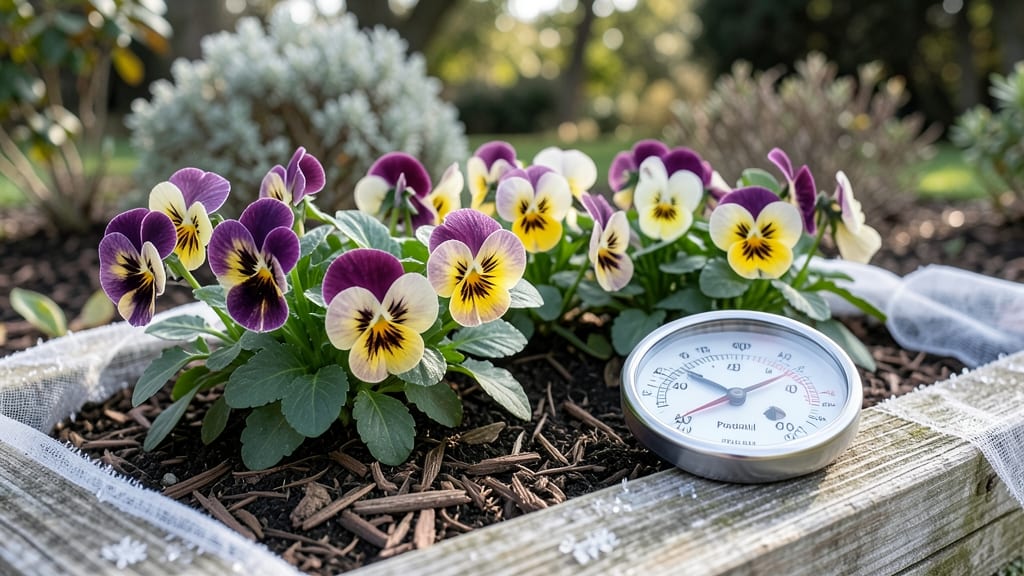
Pansies exhibit exceptional temperature tolerance—they bloom through light freezes and even recover from 20°F dips. 🌱 I’ve seen them shrug off winter mornings while neighbors’ tender plants wilt, their cheerful faces popping up like clockwork each spring.
The secret lies in their native European origins, where they evolved to thrive in cool, damp climates rather than scorching heat.
Unlike heat-loving annuals, pansies flourish in 50-70°F days and 60-70°F nights, producing their best blooms when temperatures stay mild. Above 80°F, they bolt (go to seed) or fade, but with afternoon shade and consistent moisture, they’ll rebound.
My zone 5 garden produces pansies from April to October with minimal fuss—just watch for powdery mildew when humidity spikes.
For cold climates, plant them in fall for early spring color or late summer to beat summer heat. In warm zones, opt for shade-tolerant varieties like ‘Cool Wave’ or ‘Majestic Giant’ and water deeply during heatwaves.
The payoff? Nonstop blooms from frost to frost, with minimal care beyond deadheading spent flowers.
Pro tip: Mulch with straw in winter to protect roots, and avoid fertilizing in extreme heat—pansies reward patience with months of vibrant, frost-resistant color. Whether you’re a cold-climate gardener or just love low-maintenance blooms, they’re the ultimate “plant and forget” annual.
📚 In This Guide
- What you need
- Instructions
- Tips and common mistakes
- Wrapping up and next steps
What you need
- ● Pansy seeds or seedlings: Choose cold-tolerant varieties like Viola tricolor or Viola × wittrockiana. Start with 50–100 seeds (or 10–20 seedlings) for a small garden patch.
- ● Well-draining potting mix: 1–2 cubic feet of organic, peat-based, or coco coir mix (pH 6.0–7.0). Avoid heavy clay soil.
- ● Containers or garden beds: Containers: 4–6-inch deep pots (1–2 per plant) with drainage holes. Use plastic or terracotta (terracotta retains less heat in cold snaps).
- ● Garden beds: 6-inch deep, raised or in-ground with full sun to partial shade (4–6 hours of sunlight daily).
- ● Mulch: 1–2 inches of straw, shredded leaves, or pine needles to insulate roots from temperature swings.
- ● Watering can or hose: With a fine-mist nozzle for gentle watering (avoid soggy soil).
- ● Fertilizer: Balanced, slow-release (10-10-10 or 5-5-5) or compost tea (apply every 4–6 weeks).
- ● Hand trowel or transplanting spade: For digging and planting seedlings.
- ● Gloves: Heavy-duty gardening gloves to protect hands from cold soil.
- ○ Thermometer (optional but handy): A soil or air thermometer to monitor temps (ideal range: 40–75°F for growth).
- ○ Row covers or frost cloth (optional): Lightweight frost blankets for sudden cold snaps (below 25°F).
- ● Pruning shears: For trimming dead or leggy stems.
- ● Location: Choose a spot sheltered from wind (e.g., near a fence or wall) to reduce cold stress.
- ● Timing: Plant seeds 6–8 weeks before the last frost or seedlings 2–4 weeks before for best cold acclimation.
- ● Drainage check: Ensure containers or beds have no standing water—pansies hate soggy roots!
- ● Sunlight awareness: In hot summers, provide afternoon shade to prevent bolting (premature flowering).
How to plant and care for pansies in cold climates
Cold-hardy pansies aren't just survivors—they thrive when other flowers retreat. Here's how to leverage their frost tolerance for vibrant spring and fall color.
🌱 Step 1: Choose the Right Varieties for Your Climate Zone
Pansies tolerate USDA Zones 3-11, but cooler-climate varieties handle frost better. Look for Matrix, Cool Wave, or Bowles Hybrid series—they're bred for extended cold exposure. These varieties can withstand temperatures down to 15°F without damage, while tropical pansies (like those labeled "heat-tolerant") will crisp in freezing air.
Check your zone and select seeds or transplants labeled for your region. I always verify the packet says "cold-hardy" or "winter pansies"—these are bred to bounce back from frost. Planting the right variety means fewer dead zones in your garden after a hard freeze.
☀️ Step 2: Plant in Late Summer or Early Fall for Frost-Resistant Growth
For maximum cold tolerance, plant pansies 6-8 weeks before your first frost date. This gives roots time to establish before winter. In Zone 5, that means mid-August to early September. Seedlings planted too late may not root deeply enough to survive winter's chill.
Choose a spot with partial shade—morning sun and afternoon shade prevent heat stress while still allowing enough light for flowering. I dig a hole twice as wide as the root ball but only as deep, then water thoroughly before placing the plant in. This ensures the soil stays moist during root establishment.
💧 Step 3: Water Deeply Before Freezes and Mulch for Insulation
Water pansies deeply 1-2 days before a hard freeze—this prevents soil moisture from drawing heat from roots. Let the top 2 inches of soil dry between waterings in fall, but keep the root zone consistently moist. Overwatering before a freeze can actually make roots more vulnerable to cold damage.
Apply 2-3 inches of mulch (like shredded bark or straw) after the ground freezes. This acts like a blanket, protecting roots from temperature swings. I always mulch after the first 28°F night—this is when pansies start showing true cold tolerance. Remove mulch in early spring once daytime temps consistently stay above 40°F.
✂️ Step 4: Prune and Fertilize for Spring Revival
In early spring, trim back any frost-damaged foliage but leave the stems intact—they'll regrow quickly once temperatures rise. I use bypass pruners to cut just above the first set of healthy leaves, which encourages bushier growth. Avoid heavy pruning until new growth appears, or you'll delay flowering.
Apply a balanced, slow-release fertilizer (10-10-10) in early spring to replenish nutrients lost over winter. I scatter granules around the base and water them in—this feeds roots without overwhelming them. Pansies will reward you with bold blooms within 3-4 weeks of proper feeding.
🌿 Step 5: Extend Blooming Through Winter with Strategic Care
To keep pansies flowering even in winter, remove spent blooms regularly—this prevents seed production and encourages more flowers. I deadhead every 7-10 days during active growth periods. In warmer winter zones (6-9), pansies may bloom continuously if protected from wind and given occasional water.
For extra protection in Zone 5 and colder, I use frost blankets on nights below 20°F. Drape the fabric loosely over plants and secure with bricks—this traps heat without suffocating the foliage. Remove blankets during the day to prevent overheating. With this care, pansies will keep color through late winter and into spring.
Tips & tricks for perfect cold-hardy pansies
Here's what nobody tells you about pushing pansies to their frost-tolerant limits without losing that vibrant color.
Variety Verification: When selecting cold-hardy pansies, don't just trust the label—look for the USDA Hardiness Zone symbol on the packet. The Matrix and Cool Wave series specifically mention Zone 3 tolerance, but some "cold-hardy" labels only guarantee Zone 4. I've seen 15°F survivors in Zone 3 gardens, but only when using the right varieties. Cross-reference with your local extension service if unsure.
Soil Preparation Strategy: Before planting, amend your soil with composted manure or well-rotted leaf mold to improve moisture retention—this is critical for winter survival. I mix in 2-3 inches of compost into the top 6 inches of soil before planting. The organic matter helps insulate roots while providing nutrients during dormancy. For container-grown pansies, use a peat-based potting mix with added perlite to prevent soil compaction.
Frost Protection Layering: The 2-3 inches of mulch mentioned in Step 3 works best when layered strategically. Start with 1 inch of straw directly on the soil surface to prevent crusting, then add 1-2 inches of shredded bark or leaves on top. This creates an air pocket that traps heat while allowing moisture to penetrate. I always check mulch depth after heavy rains—compacted mulch loses its insulating properties.
Spring Revival Timing: That 40°F threshold for removing mulch isn't arbitrary—it's when pansies' metabolic activity increases enough to benefit from sunlight. I test by placing my hand on the soil for 30 seconds—if it feels warm, it's time to remove mulch. For Zone 5 gardens, I typically uncover pansies by mid-April, but I always wait for three consecutive days above 40°F before fully exposing them.
Pro Tips for Pansies Temperature Tolerance
- Here's what nobody tells you about pushing pansies to their frost-tolerant limits without losing that vibrant color.
- Variety Verification: When selecting cold-hardy pansies, don't just trust the label—look for the USDA Hardiness Zone symbol on the packet.
- Soil Preparation Strategy: Before planting, amend your soil with composted manure or well-rotted leaf mold to improve moisture retention—this is critical for winter survival.
Frequently asked questions
Got questions about keeping your pansies happy in all kinds of weather? Here are some of the most common concerns—and their answers—so you can grow these cold-loving beauties with confidence!
What’s the ideal temperature range for pansies?
Pansies thrive in cool but not freezing conditions, ideally between 40°F and 70°F (4°C–21°C). They can handle light frosts down to 20°F (-7°C) and even survive brief dips to 10°F (-12°C) with proper mulching. Avoid extreme heat (above 80°F/27°C), which stresses them out.
Will pansies die if they freeze?
Not necessarily! Pansies are highly frost-tolerant and often bounce back after light freezes. However, prolonged sub-zero temps (below 10°F/-12°C) or heavy ice buildup can damage foliage. If leaves turn mushy or black, trim them back—new growth will emerge once temperatures warm up.
Can I grow pansies in summer heat?
While pansies won’t thrive in scorching summer conditions, you can try shade + consistent watering to extend their life. For better results, plant them in early spring or fall when temps are mild. If you’re set on summer blooms, opt for heat-tolerant varieties like ‘Matrix’ or ‘Majestic Giants.’
How do I protect pansies from extreme cold?
Use these tricks to shield pansies from harsh winters:
- Mulch heavily (2–3 inches of straw or leaves) to insulate roots.
- Apply a light row cover or frost cloth on nights below 20°F (-7°C).
- Water before a freeze—moist soil holds heat better than dry.
- Avoid over-fertilizing in late summer, which encourages tender new growth.
What’s a good alternative if pansies struggle in my climate?
If your winters are brutally cold or summers are sweltering, consider these low-maintenance, temperature-tolerant alternatives:
Wrapping up and next steps
Pansies are the champions of cold-hardy flowers, proving that frost isn’t the end of their growing season! 🌡️ From USDA Zones 3-11, these cheerful blooms adapt beautifully to chilly weather, making them perfect for early spring or late fall gardens.
Whether you’re a seasoned gardener or just starting, their resilience means more color, less stress—and happier pollinators year-round.
Ready to put your pansies to the test? Start by choosing the right variety for your climate, then check out our planting tips to get them thriving in no time. Your garden’s next masterpiece could be just a few seeds away!