
Vegetables
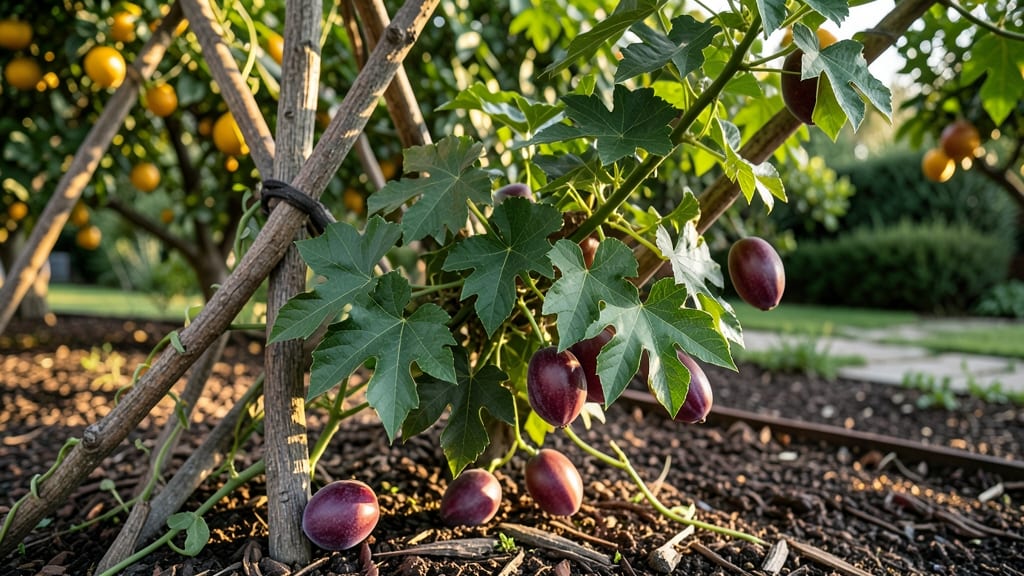
Those vibrant red passion fruit seeds hold the key to your own tropical harvest. 🌱 I’ve grown passion fruit from seed for years, and the red varieties produce fruit with a unique sweet-tart flavor that’s impossible to find in stores.
The secret isn’t in the seeds themselves—it’s in how you coax them to sprout and keep them thriving in containers.
Start with a warm, well-draining mix of potting soil and perlite—passion vines hate soggy roots. Plant seeds just below the surface in 4-inch pots, keeping them in bright, indirect light (no direct sun yet).
Germination takes 2-4 weeks, and seedlings need consistent moisture but no standing water. Red seeds grow into the same vigorous vines as other varieties, just with that signature deep-red pulp.
Once sprouted, these fast-growing vines will need sturdy supports—think trellises or cages—as they climb. With proper care, you’ll see first blooms in 12-18 months, and those fragrant flowers lead to fruit that’s shockingly productive.
The real magic? You can grow them in containers year-round in warm climates, or overwinter indoors.
Here’s the catch: passion fruit needs patience. Early growth is slow, and you’ll face challenges like powdery mildew or pests, but the payoff—juicy, seed-studded fruit straight from your balcony—is worth every effort. Let’s get those seeds sprouting!
📚 In This Guide
- What you need
- Instructions
- Tips and common mistakes
- Wrapping up and next steps
What you need
- ● Passion fruit red seeds: 5–10 fresh, plump seeds (harvested from ripe passion fruit—avoid dried or shriveled seeds).
- ● Seed-starting containers: 3–4 small pots (4–6 inches deep) with drainage holes (or a seed tray with individual cells).
- ● High-quality potting mix: 3–4 cups of well-draining, sterile mix (e.g., cactus/succulent blend or 50% peat moss + 50% perlite).
- ● Watering can or spray bottle: With a fine mist setting for gentle hydration.
- ● Clear plastic wrap or dome: To create a humidity tent (e.g., a ziplock bag or greenhouse lid).
- ● Grow lights or sunny windowsill: A spot with 6–8 hours of indirect light daily (south-facing windows or LED grow lights work best).
- ○ Fertilizer (optional but helpful): A balanced liquid fertilizer (10-10-10) or fish emulsion for young seedlings.
- ● Small spoon or tweezers: For planting tiny seeds without crushing them.
- ● Scissors or knife: To trim plastic wrap/domes if needed.
- ○ Thermometer (optional): To monitor soil temperature (70–85°F is ideal for germination).
- ● Patience & warmth: Passion fruit seeds need 2–4 weeks to sprout—keep soil consistently moist but not soggy!
Step-by-step guide to germinating passion fruit red seeds in containers
Here's how to coax those vibrant red seeds into thriving vines—no green thumb required.
🌱 Step 1: Prepare the Seeds for Germination
Passion fruit seeds have a tough outer shell that slows germination. Soak them in warm water for 24 hours to soften the coating. I like to use a small bowl with just enough water to cover the seeds completely—no need for fancy equipment. After soaking, gently rub the seeds between your fingers to remove any remaining pulp. This ensures better moisture absorption when planting.
Place the cleaned seeds between damp paper towels in a sealed plastic bag. Store them in a warm spot (75-85°F) for 3-5 days. You'll know they're ready when tiny white roots emerge from one end—this is your signal to plant immediately. If left too long, the roots will grow too long and break when transplanting.
🪴 Step 2: Select and Prepare Containers
Passion fruit vines need room to grow, so choose 5-gallon containers with drainage holes for each seedling. I use fabric grow bags because they allow excess moisture to evaporate while still providing sturdy support. Fill each container with a well-draining mix of 50% potting soil and 50% perlite—this prevents the roots from sitting in soggy conditions, which passion fruit vines hate.
Plant 2-3 seeds per container, burying them ½ inch deep in the soil. Space them evenly to avoid overcrowding later. After planting, water gently until the soil feels moist 1 inch below the surface. Avoid soaking the soil, as passion fruit seeds need consistent moisture but not waterlogged conditions. Place the containers in a warm, shaded area until germination occurs.
☀️ Step 3: Provide Ideal Growing Conditions
Once the seeds sprout, move the containers to a location with bright, indirect light for the first 2 weeks. Direct sunlight can scorch the delicate new leaves. You'll see the first true leaves emerge in 7-14 days—these look different from the initial seed leaves and signal that the plant is establishing its root system.
After the seedlings develop 4-6 true leaves, gradually introduce them to morning sunlight for 2-3 hours daily, then increase exposure over 10 days. Passion fruit vines thrive in full sun (6+ hours daily), but sudden exposure can shock young plants. Watch for leaves that turn pale or develop brown edges—this is your cue to slow down the transition.
🌿 Step 4: Train and Support the Vines
Passion fruit vines grow aggressively and need support to climb. Install a 6-foot trellis or sturdy bamboo stake near each container as soon as the seedlings reach 6 inches tall. Gently guide the main stem along the trellis, securing it with soft plant ties. This encourages upward growth and prevents the vine from sprawling, which can weaken the plant.
Prune any side shoots that form below the first 12 inches of the vine—these compete for energy with the main stem. Focus on keeping the central leader strong, as this is where the most robust growth and fruit production will occur. You'll notice new leaves emerging along the main stem as the vine climbs—these are your priority for healthy development.
⏰ Step 5: Maintain Through the Growing Season
Water the vines deeply 2-3 times per week, ensuring the soil dries out slightly between waterings. Passion fruit plants are drought-tolerant once established, but young vines need consistent moisture. Stick your finger 1 inch into the soil—if it feels dry, it's time to water. Overwatering leads to root rot, so always check before adding more moisture.
Fertilize every 4-6 weeks with a balanced 10-10-10 or 20-20-20 fertilizer diluted to half strength. Passion fruit vines are heavy feeders, but too much fertilizer can burn the roots. You'll see lush, dark green leaves as a sign the plant is thriving. Reduce fertilization in late summer to encourage flowering and fruiting rather than excessive foliage growth.
Tips & tricks for germinating passion fruit red seeds
These game-changing insights will help you avoid the most common pitfalls while maximizing your success rate with these tropical vines.
Soaking Strategy: Don't rush the 24-hour soak—this critical step breaks down the seed's tough outer shell. I've found using a shallow dish of warm (not hot) water works best, and I like to gently swirl the seeds every few hours to prevent mold. After soaking, rinse them thoroughly to remove any residual pulp that could attract pests during germination.
Temperature Control: The 75-85°F range is non-negotiable for successful germination. If your home runs cooler, place the sealed bag near a sunny window or use a small seedling heat mat (set to low) underneath. I've had seeds fail when kept in temperatures below 70°F—don't make that mistake! Monitor the environment closely, especially if you're using a plastic bag which can trap heat.
Light Transition: That gradual 10-day adjustment to full sun is crucial—think of it like sunbathing after winter. Start with just 2-3 hours of morning sun, then increase by 30 minutes each day. I've seen seedlings develop sunburnt leaves when moved too quickly to direct light. Watch for leaves that look pale or develop crispy edges—they're begging for more gradual exposure.
Container Selection: While 5-gallon containers work perfectly, I've had great success with slightly larger 7-gallon grow bags that give roots more room to establish before they hit the container walls. The key is drainage—make sure those holes are large enough to prevent clogging from soil particles. For urban growers, consider self-watering containers to maintain that consistent moisture without overwatering.
Pro Tips for Passion Fruit Red Seeds
- These game-changing insights will help you avoid the most common pitfalls while maximizing your success rate with these tropical vines.
- Soaking Strategy: Don't rush the 24-hour soak—this critical step breaks down the seed's tough outer shell.
- Temperature Control: The 75-85°F range is non-negotiable for successful germination.
Frequently asked questions
Got questions about those vibrant passion fruit red seeds? You’re not alone! Here are some of the most common queries—plus quick, actionable answers to help you grow like a pro.
Can I grow passion fruit from store-bought seeds?
Store-bought passion fruit seeds (like those from red-fleshed varieties) are totally viable—just ensure they’re fresh (within 6 months) for the best germination rates. Rinse them gently to remove fruit residue, then soak in warm water for 24 hours before planting. Pro tip: Label your seeds! Hybrid varieties may not produce fruit identical to the parent.
How long do passion fruit red seeds take to germinate?
Patience is key! Seeds typically sprout in 14–30 days, depending on warmth and moisture. Keep soil consistently damp (not soggy) and maintain temperatures between 70–85°F (21–29°C). A heat mat can speed things up if your space is cool. No sprouts after 30 days? Try scarifying the seed coat lightly with sandpaper—it might break dormancy.
Are passion fruit red seeds cold-hardy for containers?
Passion fruit vines are tropical and not frost-tolerant, even in containers. If you live in zones below 10, grow them as annuals or overwinter seeds indoors. Move potted plants to a garage or greenhouse when temps drop below 50°F (10°C). A 5-gallon container is ideal—just ensure it has drainage holes to prevent root rot.
Are the red seeds edible? Can I eat them with the fruit?
Yes! The red seeds (and pulp) are 100% edible—packed with fiber, vitamin C, and antioxidants. They add a tangy crunch to smoothies, desserts, or even savory dishes. Warning: Some people find them too intense—start with small amounts! Rinse seeds thoroughly if you’re concerned about bitterness.
Why did my passion fruit seeds sprout but died as seedlings?
Seedling struggles are usually due to overwatering, poor drainage, or low light. Passion fruit vines need bright, indirect light (6+ hours daily) and soil that’s moist but not waterlogged. If leaves yellow or wilt, check for root rot—let the top inch of soil dry out between waterings. Fertilize lightly (balanced 10-10-10) once true leaves appear.
Can I save seeds from my homegrown passion fruit for next year?
Yes! Harvest seeds from fully ripe, healthy fruit, rinse them, and dry on paper towels for 2–3 days. Store in a cool, dark place (like a sealed jar in the fridge) for up to 6 months. For longer storage, dry seeds completely and keep them in a airtight container with silica gel packets. Note: Seed viability drops over time—test a few before committing to a full planting.
Wrapping up and next steps
Growing passion fruit red seeds in containers isn’t just rewarding—it’s a delicious adventure that brings vibrant flavors and lush greenery to your space year-round! 🌱 With the right setup, patience, and care, you’ll soon be harvesting sweet, tropical fruit from your own backyard (or balcony!).
Whether you’re a seasoned gardener or a curious beginner, these seeds hold the potential for a bountiful harvest—so roll up your sleeves and let nature do the rest.
Ready to take the next step? Start by planting those seeds this weekend and watch your passion fruit vine thrive. Share your progress with fellow plant enthusiasts, and soon, you’ll be swapping tips on how to maximize your container’s yield.
The journey starts with a single seed—what will you grow next? 🌟