
Vegetables
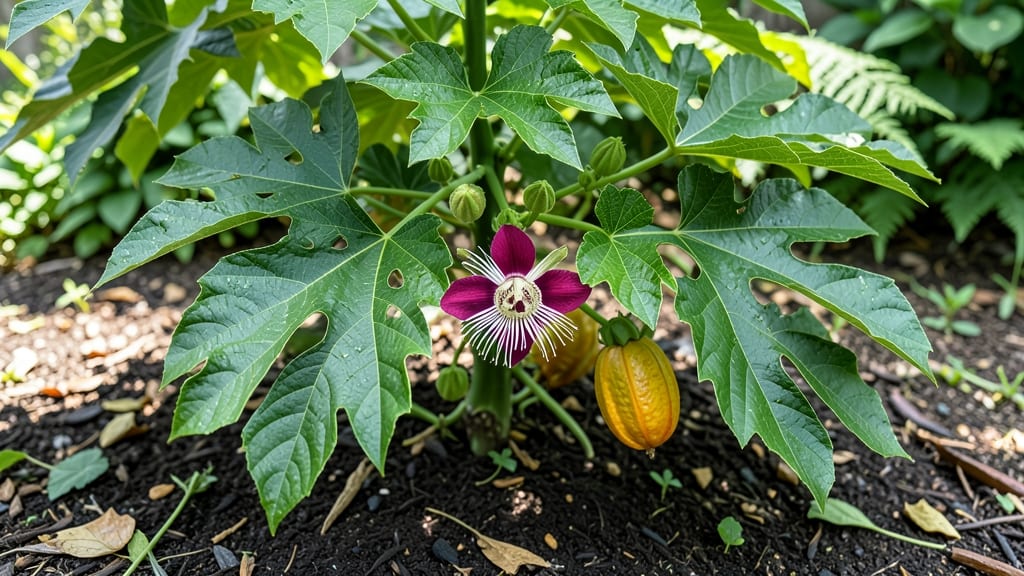
Growing passion vine fruit means tropical flavors without the heat. 🌿 The secret to cold-hardy varieties like Passiflora edulis lies in matching their needs to your climate—sunlight, soil, and seasonal timing work together to produce those vibrant, tangy fruits year after year.
Start with well-draining soil and a sunny spot—at least 6 hours of direct sunlight daily—and choose a trellis or fence to guide the vigorous vines upward. Water consistently but avoid soggy roots, and fertilize lightly in spring to encourage blooms.
Most varieties thrive in USDA Zones 8-11, but with protection, some survive colder snaps.
Pruning in late winter removes dead growth and opens the vine to sunlight, while pinching back new shoots in early summer directs energy into fruit production.
Within 12-18 months, you’ll see clusters of exotic flowers followed by sweet, pulpy fruits—ready to harvest when they turn fully colored and yield slightly to gentle pressure.
Troubleshoot fruit drop by ensuring consistent water and avoiding over-fertilizing. Patience is key: cold-hardy passion vines reward long-term care with harvests spanning summer and fall, and even winter protection can extend their life for years.
📚 In This Guide
- What you need
- Instructions
- Tips and common mistakes
- Wrapping up and next steps
What you need
- ● Passion vine fruit seeds or young plants: 1–3 seeds (if starting from scratch) or 1–2 nursery-grown seedlings (for faster results).
- ● Pro tip: Choose cold-hardy varieties like Passiflora caerulea (blue passionflower) if you live in USDA Zones 5–9! ❄️🌡️
- ● Well-draining soil mix: 50% high-quality potting soil or garden soil.
- ● 30% perlite or coarse sand (for aeration).
- ● 20% compost or worm castings (for nutrients).
- ○ Containers (optional but recommended for cold climates): 1–2 large pots (12–18 inches deep) with drainage holes.
- ● OR a raised bed (minimum 12 inches deep).
- ● Fertilizer: Balanced organic fertilizer (10-10-10) or slow-release granules.
- ○ Optional: Fish emulsion or seaweed extract for a nutrient boost. 🌊
- ● Basic gardening tools: Trowel or small shovel.
- ● Pruning shears (for trimming vines).
- ● Gloves (passion vines can be thorny!). ⚠️
- ● Support structure (critical for vines!): Trellis, fence, or sturdy stakes (6–10 feet tall).
- ● Pro tip: Use a strong support—passion vines can grow 20+ feet in a season! 🎯
- ● Mulch: Straw, wood chips, or shredded leaves (2–3 inches thick).
- ● Watering can or hose with gentle spray nozzle.
- ● Full sun to partial shade (6+ hours of sunlight daily).
- ● Protection from strong winds (vines are delicate!).
- ● USDA Zones 5–11 (use containers to extend cold-hardy varieties in colder zones).
Step-by-step guide to growing cold-hardy passion fruit vines
Here’s how to cultivate a thriving passion fruit vine that survives winters and delivers bold harvests year after year.
🌱 Step 1: Select and Prepare the Planting Site
Choose a location with at least 6-8 hours of direct sunlight daily—passion vines are sun-worshippers and won’t fruit well in shade. The soil should drain well but retain moisture, so amend heavy clay with 2-3 inches of compost and a handful of perlite to improve aeration. I avoid low spots where cold air settles, as even cold-hardy varieties need protection from prolonged frost.
Test the soil pH—passion vines thrive in slightly acidic to neutral soil (pH 6.0-7.0). If your soil is too alkaline, mix in 1-2 pounds of sulfur per 100 square feet a few weeks before planting. The vine’s roots need room to spread, so allocate at least 10 feet of horizontal space for each plant, even if you’re growing it against a trellis or fence.
🪴 Step 2: Plant the Vine at the Right Time and Depth
Plant your cold-hardy passion fruit vine in early spring, after the last frost date in your zone, when soil temperatures reach at least 60°F. Dig a hole twice as wide as the root ball but no deeper—planting too deep suffocates the roots and delays fruiting. Gently loosen the roots if they’re circling in the container before placing the vine in the hole.
Backfill with native soil mixed with a 5-10-10 fertilizer to give the vine a nutrient boost as it establishes. Water deeply to settle the soil and remove any air pockets around the roots. Mulch with 2-3 inches of organic mulch (like shredded bark or straw) to conserve moisture and protect roots from temperature swings. Keep the mulch 6 inches away from the stem to prevent rot.
💧 Step 3: Water and Fertilize for Strong Growth
Water the vine deeply once a week during the first growing season, ensuring the soil stays moist but not soggy. Overwatering leads to root rot, while underwatering stresses the plant and reduces fruit production. You’ll know it’s time to water when the top 2 inches of soil feel dry to the touch. Use a drip irrigation system or soaker hose to deliver water at the base—avoid overhead watering to prevent fungal diseases like powdery mildew.
Fertilize every 4-6 weeks during the growing season with a balanced fertilizer (10-10-10) or a low-nitrogen, high-phosphorus formula (5-10-10) to encourage flowering and fruiting. Stop fertilizing in late summer to allow the vine to harden off for winter. I also add a handful of compost around the base every few months to replenish nutrients naturally.
✂️ Step 4: Train and Prune for Maximum Fruit Production
Passion vines need support to grow vertically, so install a strong trellis, fence, or arbor at planting time. Train the main stem along the support, pruning side shoots to 3-4 leaves to encourage upward growth. Once the vine reaches the top of the trellis, pinch back the tips to promote bushier growth and more fruiting laterals. This step is critical—untrained vines sprawl and produce fewer fruits.
Prune in late winter or early spring before new growth begins. Remove any dead, diseased, or crossing branches, and thin out overcrowded areas to improve airflow. Cut back one-third of the oldest wood each year to rejuvenate the vine and stimulate new growth. Wear gloves—passion vines have thorny tendrils that can be surprisingly sharp!
☀️ Step 5: Protect and Harvest for Year-Round Success
Even cold-hardy varieties need winter protection in zones with temperatures below 20°F. Wrap the trellis or vine in burlap or frost cloth and mound 4-6 inches of mulch around the base. In extreme cold, you can also cover the entire vine with a thick layer of straw or leaves for added insulation. Remove the coverings in early spring once temperatures stabilize above 40°F to allow new growth to begin.
Harvest fruits when they’re fully colored and slightly soft to the touch—usually late summer to early fall, depending on your climate. Twist gently to detach the fruit from the vine; it should come off easily without tearing the stem. Store harvested fruits in a cool, dry place for up to 2 weeks or refrigerate for longer storage. The vine will continue producing fruits until frost, so keep an eye out for new growth and flowers even as temperatures drop.
Tips & tricks for perfect cold-hardy passion fruit vine cultivation
Here's what nobody tells you about growing these tropical gems in colder climates—these tricks make all the difference.
Sunlight Strategy: While the instructions call for 6-8 hours of direct sunlight, I've found that passion vines actually thrive with morning sun and afternoon shade in hotter summer months. The key is to provide at least 5 hours of direct sun during the coolest parts of the day to prevent leaf scorch. Position your trellis so the vine receives morning sun first—this gradual exposure helps prevent shock. In containers, rotate the pot every few weeks to ensure even sun exposure all around the plant.
Soil Preparation Secret: The instructions mention amending soil with compost and perlite, but I take it one step further by adding a handful of worm castings to the planting hole. This boosts microbial activity right where the roots will establish. For heavy clay soils, I also incorporate 1 part coarse sand to the 2-3 inches of compost to improve drainage dramatically. The goal is to create a soil environment that mimics the vine's natural tropical habitat while still accommodating colder climates.
Winter Protection Upgrade: While the instructions recommend burlap or frost cloth for winter protection, I've had better results using a combination of both plus a clear plastic tent. The frost cloth provides insulation while the plastic creates a microclimate that traps heat. For extreme cold snaps below 20°F, I add a layer of bubble wrap between the frost cloth and the vine itself. This extra barrier can make the difference between a frozen vine and one that survives to produce fruit again next season.
Pruning Precision: The instructions specify pruning side shoots to 3-4 leaves, but I've found that pruning to 4-5 leaves actually encourages more robust lateral growth without sacrificing vertical development. The key is to make clean cuts just above a leaf node where new growth will emerge. I also recommend using sterilized pruning shears (dipped in rubbing alcohol) to prevent spreading any potential diseases from the previous year's growth. This is especially important when cutting back one-third of the oldest wood each year.
Pro Tips for Passion Vine Fruit
- Here's what nobody tells you about growing these tropical gems in colder climates—these tricks make all the difference.
- Sunlight Strategy: While the instructions call for 6-8 hours of direct sunlight, I've found that passion vines actually thrive with morning sun and afternoon shade in hotter summer months.
- Soil Preparation Secret: The instructions mention amending soil with compost and perlite, but I take it one step further by adding a handful of worm castings to the planting hole.
Frequently asked questions
Got questions about growing and enjoying passion vine fruit? You’re not alone! Here are some of the most common queries—plus practical answers to help you cultivate success (and delicious harvests).
How cold-hardy is passion vine fruit, really?
The Passiflora edulis (passion fruit vine) is not frost-tolerant—it thrives in USDA zones 8-11 with winter temps above 20°F (-6°C). For colder climates, grow it in containers and overwinter indoors. If you’re in zone 7 or below, consider Passiflora caerulea (blue passionflower), which handles 10°F (-12°C) but has a milder fruit flavor.
How long does it take for passion vine fruit to bear fruit?
Patience is key! Most passion vines take 1-3 years to produce fruit, depending on variety and growing conditions. Passiflora edulis (purple passion fruit) often fruits faster (1-2 years) if given full sun, rich soil, and consistent moisture. Prune aggressively in early spring to encourage new growth and earlier harvests.
Can I eat passion vine fruit raw, or do I need to cook it?
Passion fruit is best enjoyed raw—slice it open, scoop out the pulp, and savor the tropical, tangy-sweet flavor. The seeds are edible too (and packed with nutrients). For recipes, blend into smoothies, mix into desserts, or drizzle over yogurt. Pro tip: Chill the fruit first for easier scooping!
Why aren’t my passion vine flowers turning into fruit?
No fruit? Check these common culprits:
- Lack of pollinators: Passion vines rely on bees/hummingbirds. Hand-pollinate with a small brush if needed.
- Inconsistent watering: Drought stress can drop flowers. Keep soil evenly moist (but not soggy).
- Nutrient deficiency: Feed with a balanced fertilizer (10-10-10) at planting and mid-season.
- Temperature swings: Extreme heat/cold can abort flowers. Mulch to stabilize soil temps.
What’s a good alternative if passion vine fruit doesn’t grow well in my area?
If passion fruit proves tricky, try these similar tropical flavors:
- Kiwi (Actinidia deliciosa) – Hardy to zone 4, sweet-tart, and easy to grow on trellises.
- Custard apple (Annona squamosa) – Thrives in zones 10-11; creamy, honey-like fruit.
- Pepino melon (Solanum muricatum) – Cold-tolerant (zone 8+) with a passion fruit-like tang.
- Strawberries or blackberries – If you love fruit-forward flavors, these are perennial powerhouses in cooler climates.
Bonus: Grow Passiflora incarnata (maypop) for edible flowers (used in tea) even if fruit fails—it’s hardy to zone 5!
Wrapping up and next steps
Growing a passion vine fruit in your garden is a rewarding journey that combines beauty, resilience, and delicious harvests! 🌱 Whether you're drawn to its stunning blooms, cold-hardy nature, or the tangy-sweet fruits, this tropical gem proves that bold flavors and easy care go hand in hand.
With the right soil, sunlight, and a little patience, you’ll soon be enjoying homegrown passion fruit straight from the vine.
Ready to take the next step? Start by selecting your favorite variety—whether it’s the classic purple or the golden passion fruit—and plant your vine this season. Share your progress with fellow gardeners, and who knows? You might just inspire others to cultivate their own slice of tropical paradise! 🌟