
Vegetables
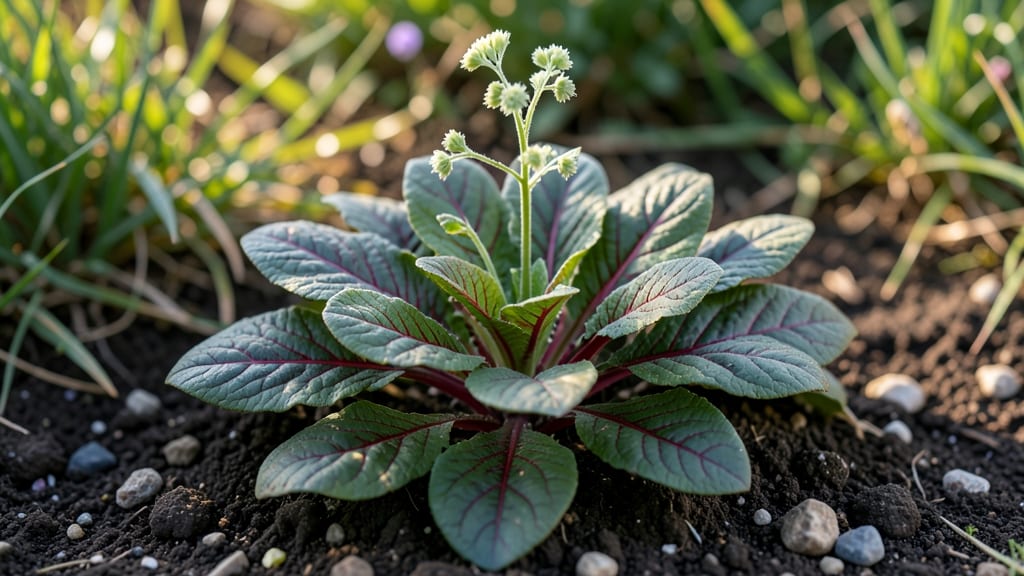
Growing red veined sorrel delivers a bold, tangy harvest that thrives when most greens bolt. 🌿 This cold-hardy perennial multiplies easily and rewards gardeners with vibrant purple-red stems and lemony leaves—perfect for salads, soups, or ornamental borders.
Unlike delicate greens, sorrel handles frost, drought, and poor soil, making it a foolproof addition to any garden.
The secret to success starts with well-draining soil—amend heavy clay with compost—and partial shade, especially in hot climates. Plant seeds in early spring or divide mature clumps in fall; they self-seed aggressively, so contain them if needed.
Water consistently but avoid soggy roots, and watch for slugs or powdery mildew (spray with neem oil if spotted).
Harvest leaves anytime after establishment, snipping outer growth to encourage bushier regrowth. The flavor intensifies after light frost, making winter harvests especially prized. Even neglected patches bounce back, proving sorrel’s resilience. For ornamental use, its striking foliage contrasts beautifully with silver or yellow-leaved plants.
Troubleshooting is simple: yellow leaves often signal overwatering, while slow growth may mean too much shade. Prune aggressively in early spring to revive vigor. Whether you’re growing for the kitchen or the garden bed, red veined sorrel delivers low-maintenance results with high rewards.
📚 In This Guide
- What you need
- Instructions
- Tips and common mistakes
- Wrapping up and next steps
What you need
- ● Red veined sorrel seeds – 1–2 grams (enough for ~50 plants; adjust based on garden space). Look for organic, non-GMO seeds for best results.
- ● Seedling trays or biodegradable pots – 50+ cells (or repurpose small containers like egg cartons).
- ● Potting mix – 1–2 bags (lightweight, well-draining soil with compost; avoid heavy clay mixes).
- ○ Transplant-friendly sorrel seedlings – Optional (if buying starts, ensure they’re organic and disease-free).
- ● Garden trowel or small hand shovel – For planting seeds or seedlings.
- ● Watering can or spray bottle – Fine-mist nozzle preferred to avoid disturbing seeds.
- ○ Garden gloves – Optional but recommended for comfort and hygiene.
- ● Mulch (straw or shredded leaves) – 1–2 inches to retain moisture and suppress weeds.
- ○ Row cover or frost cloth – Optional for extending the growing season in cold climates.
- ● Sunlight – Partial shade to full sun (sorrel tolerates low light but grows best with 4–6 hours of sun/day).
- ● Well-draining soil – pH 6.0–7.0 (sorrel thrives in slightly acidic to neutral soil). Amend with compost if needed.
- ● Water source – Consistent moisture (keep soil damp but not soggy).
- ● Spacious garden bed or containers – Sorrel spreads! Allow 12–18 inches between plants or use containers 6+ inches deep.
How to grow red veined sorrel from seed to harvest
This cold-hardy perennial thrives in cool climates and delivers a tangy harvest within months.
🌱 Step 1: Start Seeds Indoors 6-8 Weeks Before Last Frost
Fill 2-3 inch deep seed trays with sterile seed-starting mix—never garden soil, as it compacts and invites damping-off. Moisten the mix until it holds together when squeezed but doesn’t drip. I like to press it down lightly with my fingers to create a firm seedbed, then tap the tray gently to settle everything evenly.
Sow seeds ¼ inch deep—any deeper and they’ll struggle to reach light. Space them ½ inch apart in rows 1 inch apart for easy thinning later. Cover lightly with a fine layer of mix, then mist with a spray bottle until the surface looks uniformly damp. Place the tray in a 70-75°F propagator or on a seedling heat mat.
💧 Step 2: Provide Consistent Moisture and Light
Keep the soil evenly moist but never soggy—soggy soil suffocates roots and triggers rot. I check daily by pressing a finger ½ inch deep; if it feels dry, mist again. Once seedlings emerge (usually in 7-14 days), remove any humidity dome immediately to prevent fungal issues.
Position seedlings under a grow light 2-3 inches above them for 14-16 hours daily. Without enough light, they’ll grow leggy and weak. You’ll know they’re getting enough when the stems stay thick and the leaves are a vibrant, deep green—not pale or stretched.
☀️ Step 3: Harden Off and Transplant Outdoors
Two weeks before your last frost date, start hardening off by placing seedlings outside in a sheltered spot for 1 hour the first day. Gradually increase exposure by 1 hour daily until they’re spending full days outdoors. This toughens their cell walls so they won’t wilt when transplanted.
Choose a site with partial shade to full sun—morning sun and afternoon shade works best in hot climates. Space transplants 12-18 inches apart in well-draining soil. Water deeply at planting to settle roots, then mulch with 1-2 inches of straw to retain moisture and suppress weeds.
🌿 Step 4: Maintain Soil Moisture and Fertility
Red veined sorrel thrives in consistently moist but not waterlogged soil. Water 1-2 inches deep whenever the top 1 inch feels dry. In hot weather, you may need to water daily, but in cool seasons, once a week is often enough. Overwatering causes yellowing leaves—always check soil moisture before watering.
Feed lightly with a balanced organic fertilizer (like 5-5-5) every 4-6 weeks during the growing season. Too much nitrogen makes leaves soft and less tangy. I also side-dress with compost tea in early spring to boost microbial activity without overfeeding.
✂️ Step 5: Harvest and Encourage Regrowth
Begin harvesting outer leaves when plants reach 6-8 inches tall, cutting just above a set of leaves to encourage bushier growth. Avoid taking more than ⅓ of the plant at once—this ensures regrowth and prevents bolting. The younger, inner leaves are the most tender and flavorful.
In cold climates, sorrel often overwinters and bolts in spring. If this happens, cut back stems to 2 inches tall after harvest to promote new growth. With proper care, a single plant can produce 1-2 pounds of greens per season, making it one of the most productive cold-hardy greens you can grow.
Tips & tricks for perfect red veined sorrel growth
Between us, growing red veined sorrel is one of those rewarding gardening experiences where patience pays off with bold, zesty flavors. Here's what nobody tells you about getting it right.
Seed Starting Precision: That ¼ inch depth for sowing seeds is non-negotiable—any deeper and they'll struggle to reach light, while shallower planting risks drying out. I use a toothpick to make tiny holes in the seed-starting mix, then drop seeds in one at a time. This ensures perfect spacing without overcrowding, which is especially important since sorrel seeds are tiny. The 70-75°F heat mat creates ideal germination conditions, but don't be tempted to crank it higher—heat above 80°F can cause damping-off.
Lighting Game-Changer: The 14-16 hours of daily light under grow lights is crucial, but here's the thing: position those lights 2-3 inches above the seedlings and adjust as they grow. I use a simple ruler to measure the distance—this prevents leggy growth that happens when lights are too far away. Watch for that vibrant deep green color as your cue for perfect lighting. If leaves start stretching toward the light, lower it immediately.
Harden Off Strategically: That gradual 1 hour daily increase during hardening off is your secret weapon against transplant shock. I like to place seedlings in a sheltered spot that gets morning sun but afternoon shade—this mimics their eventual growing conditions. Pro tip: Use small plant labels with the date you started hardening off. If you see wilting after 3-4 days, the plant isn't ready for longer exposure yet.
Harvesting Wisdom: When cutting those outer leaves at 6-8 inches tall, always use clean, sharp scissors to avoid tearing the plant. I cut just above a set of leaves to encourage bushier regrowth, and never take more than ⅓ at once. The younger inner leaves are where the real flavor magic happens—those are the ones to prioritize for your first harvests. In cold climates, that 2-inch tall cut-back after overwintering works wonders for spring regrowth.
Pro Tips for Red Veined Sorrel
- Between us, growing red veined sorrel is one of those rewarding gardening experiences where patience pays off with bold, zesty flavors.
- Seed Starting Precision: That ¼ inch depth for sowing seeds is non-negotiable—any deeper and they'll struggle to reach light, while shallower planting risks drying out.
- Lighting Game-Changer: The 14-16 hours of daily light under grow lights is crucial, but here's the thing: position those lights 2-3 inches above the seedlings and adjust as they grow.
Frequently asked questions
Is red veined sorrel hard to grow?
Not at all! Red veined sorrel is one of the easiest greens to grow—it thrives in cool weather, tolerates frost, and even grows in partial shade. Just plant seeds or transplants in well-draining soil, keep it moist, and harvest leaves as needed. Pro tip: It self-seeds, so you might get surprises in spring!
Can I substitute red veined sorrel for spinach in recipes?
While they’re not identical, red veined sorrel’s tangy, lemony flavor works well in place of spinach—especially in soups, salads, or sautéed dishes. However, sorrel is more delicate when cooked, so add it last to retain texture. For a milder taste, mix it half-and-half with spinach.
How long does red veined sorrel take to harvest?
You can start harvesting outer leaves in as little as 4–6 weeks from sowing, but full maturity (for bigger leaves) takes about 2 months. For continuous harvests, pick leaves sparingly—never more than ⅓ of the plant at once—to encourage regrowth. Warning: Overharvesting can stress the plant!
Why does my red veined sorrel taste bitter?
Bitterness usually means your sorrel is stressed—common causes include overmaturity (older leaves taste sharper), heat stress (it prefers cool temps), or drought. Try harvesting younger leaves, mulching to retain moisture, or moving plants to a shadier spot if your climate gets too hot.
Can I freeze red veined sorrel for later use?
Freezing works, but texture softens. Blanch leaves in boiling water for 30 seconds, then plunge into ice water before freezing in airtight bags. For best flavor, use it within 6–8 months in cooked dishes like soups or stews—avoid raw applications after thawing.
Wrapping up and next steps
Red veined sorrel is a true gem for gardeners and chefs alike—packed with zesty flavor, nutritional benefits, and year-round resilience. Whether you’re harvesting fresh leaves, whipping up a tangy pesto, or adding it to salads, this cold-hardy green brings a vibrant twist to any dish. 🌱
Ready to elevate your meals? Start small—try a simple sorrel pesto or a refreshing sorrel salad—then experiment with bold recipes like sorrel soup or sorrel-infused cocktails. Your taste buds (and your garden!) will thank you.