
Vegetables
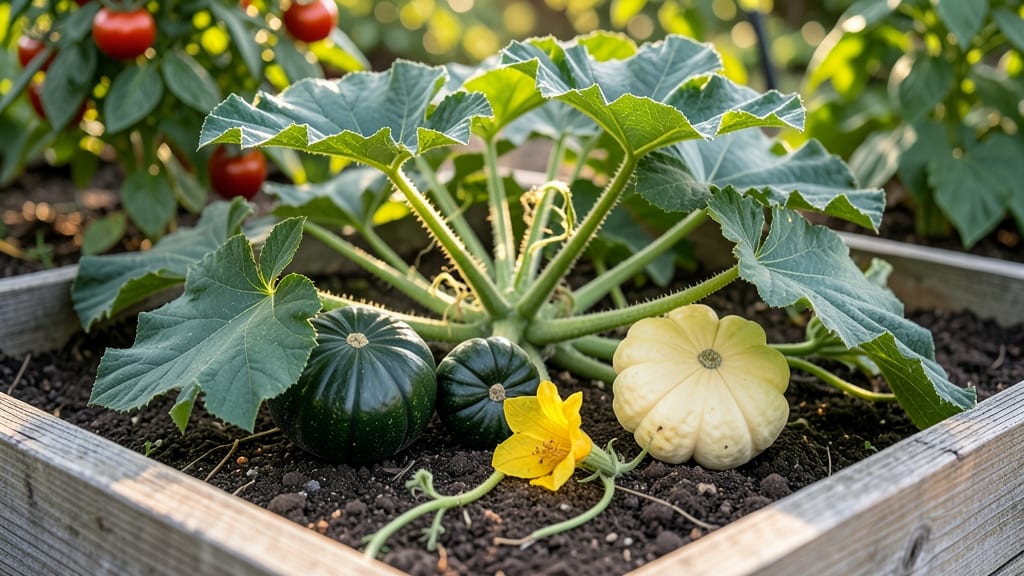
Growing white pattypan squash in containers lets you enjoy snowball-shaped harvests even when space is tight. 🌱 I’ve grown this variety for years, and its delicate white blooms and sweet, nutty flavor make it a standout—plus, it thrives in pots as long as you mimic its natural climbing habits.
The key is well-draining soil, a sturdy trellis, and consistent moisture (think damp but not soggy). Start seeds indoors 3-4 weeks before your last frost, then transplant when soil warms to 60°F.
These squash love full sun (6+ hours daily) and need regular feeding with compost or balanced fertilizer to keep producing those iconic white "patties" all season long.
📚 In This Guide
- What you need
- Instructions
- Tips and common mistakes
- Wrapping up and next steps
What you need
- ● Container: A 5-gallon pot or larger (minimum 12" deep) with drainage holes. Opt for fabric grow bags or plastic/ceramic pots—just avoid metal.
- ● Pattypan squash seeds: 2–3 seeds per container (thin to 1–2 strongest seedlings). Choose white-fruited varieties like ‘White Bush Scallop’ or ‘Caserta.’
- ● Potting mix: 10–12 quarts of high-quality, well-draining vegetable or container mix (avoid garden soil—it compacts!).
- ● Compost or fertilizer: 1 cup of balanced organic fertilizer (5-5-5 or 10-10-10) or compost mixed into the soil.
- ○ Support: A small trellis or cage (optional but helpful for vining types; 3–4 ft tall).
- ● Watering can or hose with gentle spray: For deep, consistent watering (1–2 inches per week).
- ○ Mulch (optional): 2–3 inches of straw or shredded leaves to retain moisture and suppress weeds.
- ● Sunlight: 6–8 hours of full sun daily (partial shade in hot climates protects squash from sunscald).
- ● Temperature: Warm soil (70°F+) and air (50°F+ at night). Start seeds indoors 2–3 weeks before last frost or direct-sow after danger of frost has passed.
- ● Space: 12–18 inches between containers if growing multiple plants (they spread!).
- ● Patience: 70–90 days to harvest (varies by variety).
- ● Use black or dark-colored pots to absorb heat and speed up germination.
- ● Add 1 tbsp Epsom salt to planting holes for magnesium boost (prevents yellowing leaves).
- ● Prune side shoots to encourage larger fruit production.
Step-by-step guide to growing white pattypan squash in containers
Here's how I grow these adorable, edible flowers year-round—no greenhouse needed.
🌱 Step 1: Choose the Right Containers and Soil Mix
Start with containers at least 12 inches deep and 18 inches wide—pattypan squash needs room to sprawl. I use fabric grow bags because they breathe better than plastic and prevent root circling. Fill each with a mix of 60% premium potting soil and 40% compost for drainage and nutrients.
Add a handful of perlite to the mix to keep it loose—pattypan hates soggy roots. Tap the container gently after filling to settle the soil without compacting it. The surface should feel like a damp sponge, not a brick.
☀️ Step 2: Plant Seeds Indoors 4-6 Weeks Before Last Frost
Sow 2-3 seeds per container at a depth of 1 inch, spacing them 3 inches apart. Press them gently into the soil—don't bury them too deep. Cover lightly with a thin layer of soil and mist the surface until damp. Place the containers in a warm spot (70-80°F) until germination.
Keep the soil consistently moist but never soggy. You'll see sprouts in 7-14 days—watch for the first true leaves to appear before thinning. Once seedlings reach 2 inches tall, snip the weakest one, leaving the strongest two per pot.
💧 Step 3: Harden Off and Transition to Outdoor Conditions
Two weeks before your last frost, start hardening off the seedlings. Place them outside in a sheltered spot for 1-2 hours daily, gradually increasing their time outdoors over 7-10 days. Choose a spot with full sun (6+ hours daily)—pattypan squash thrives in warmth and light.
Move the containers to their permanent location after the last frost. If nighttime temperatures dip below 50°F, cover them with frost cloth for protection. The plants will start flowering in 4-6 weeks, producing those adorable white pattypan blooms.
🪴 Step 4: Maintain Moisture, Fertility, and Support
Water deeply 2-3 times per week, ensuring the soil stays consistently moist but not waterlogged. Mulch with 2 inches of straw to retain moisture and regulate soil temperature. Feed the plants every 2-3 weeks with a balanced liquid fertilizer to encourage robust growth.
As the vines grow, they’ll need support. Install a small trellis or cage to keep the sprawling vines contained. Prune any yellow or diseased leaves immediately to keep the plant healthy. Harvest the squash when they reach 3-4 inches in diameter—they’re ready when the skin turns a soft white.
⏰ Step 5: Extend the Season with Seasonal Care
To grow pattypan squash year-round, bring containers indoors before the first frost. Place them in a sunny window or under grow lights for 12-14 hours of light daily. Reduce watering slightly in winter, allowing the top inch of soil to dry out between waterings.
In late winter, resume fertilizing and watch for new growth. You can also replant seeds indoors every 2-3 months for a continuous harvest. With the right care, your pattypan squash will keep producing those sweet, edible flowers all year long!
Tips & tricks for perfect pattypan squash cultivation
Real talk: These little tricks will help you avoid the most common pitfalls and grow the most beautiful white pattypan squash all year long.
Container Selection: While the instructions mention fabric grow bags, I've found that self-watering containers work even better for busy gardeners. The built-in reservoir ensures consistent moisture without the risk of overwatering—pattypan squash hates soggy roots, remember? Look for containers with drainage holes and a clear water level indicator to maintain that perfect "damp sponge" texture we want.
Germination Boost: Here's what nobody tells you—those 7-14 days until germination can feel like forever. Speed it up by placing your containers on a seedling heat mat set to 75°F. I've cut germination time in half using this trick, and it's especially helpful if your home tends to stay cool. Just don't exceed 80°F, or you'll risk damping off disease.
Sunlight Strategy: The 6+ hours of full sun requirement can be tricky if you're growing indoors during winter. I supplement with LED grow lights on a timer for 12-14 hours daily—these full-spectrum lights mimic sunlight perfectly. Position them just 6 inches above the plants and adjust as they grow. This ensures your pattypan squash gets the light it needs without burning the leaves.
Harvesting Secret: When harvesting those 3-4 inch pattypan squash, use a sharp pair of pruning shears instead of pulling them by hand. This prevents damage to the vine and encourages more flowers to form. I also harvest in the morning when the squash is cool and crisp—this preserves their delicate texture and flavor for longer.
Pro Tips for Pattypan Squash White
- Real talk: These little tricks will help you avoid the most common pitfalls and grow the most beautiful white pattypan squash all year long.
- Container Selection: While the instructions mention fabric grow bags, I've found that self-watering containers work even better for busy gardeners.
- Germination Boost: Here's what nobody tells you—those 7-14 days until germination can feel like forever.
Frequently asked questions
Got questions about growing white pattypan squash in containers? You’re not alone! Here are answers to the most common queries to help you cultivate this unique, snowball-shaped gem with confidence.
Can white pattypan squash thrive in containers year-round?
While pattypan squash loves warmth, white varieties can tolerate cooler temps slightly better than green types—but they still need at least 60–70°F soil temps to germinate. For year-round growth, use black containers to absorb heat, add mulch in winter, and consider row covers in chilly climates. Start seeds indoors in spring or fall for a head start!
How long does it take for white pattypan squash to mature?
From seed to harvest, expect 50–60 days in ideal conditions (warm soil, full sun, and consistent water). Pro tip: Harvest when squash are 3–4 inches wide—they’ll be sweeter and less seedy! Overripe pattypans turn tough and bitter, so check them weekly once they start flowering.
What’s the best way to cook white pattypan squash?
This variety’s mild, nutty flavor shines in raw dishes (think salads!) or lightly cooked recipes. Try roasting with olive oil and herbs, sautéing as a side, or stuffing with cheese and grains. Avoid overcooking—it turns mushy! For a twist, blend into soups or spiralize for “zoodles” with a creamy sauce.
Why are my white pattypan squash flowers falling off without fruiting?
This is often due to pollination issues or stress. Ensure your plants get 6+ hours of sun daily and consistent water (drought or overwatering can cause drop-off). Hand-pollinate by gently transferring pollen with a cotton swab if bees are scarce. Cold snaps or wind can also disrupt flowering—protect plants with cloches if needed.
Are there white pattypan squash alternatives for small spaces?
If space is tight, try bush varieties like ‘White Bush Scallopini’ or mini pattypans (e.g., ‘Eight Ball’). For even smaller containers (5-gallon pots), consider zucchini or round scallop squash, which are more compact. Bonus: All squash in the same family, so growing habits and care tips overlap!
Wrapping up and next steps
Growing pattypan squash (white varieties) in containers isn’t just possible—it’s a rewarding way to enjoy fresh, homegrown produce year-round, even in small spaces! With the right mix of sunlight, soil, and care, you’ll harvest vibrant, flavorful squash that rivals store-bought (but tastes so much better).
Whether you’re a beginner or a seasoned gardener, this low-maintenance crop is your ticket to a thriving mini-farm.
Ready to dive in? Start small—pick a sunny spot, grab your containers, and plant those seeds! Soon, you’ll be savoring sweet, homegrown pattypans in salads, roasted dishes, or even as a unique garnish. Happy gardening! 🌱✨