
Vegetables
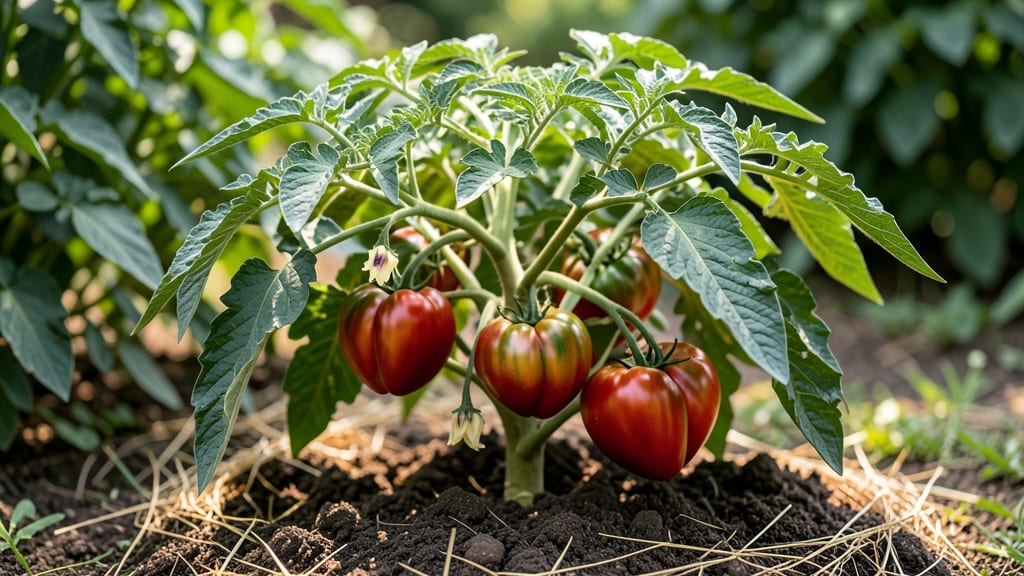
Growing a pineapple beefsteak tomato with its dramatic red-and-yellow stripes feels like cultivating a tiny work of art. 🌱 These heirloom beauties deliver 1-pound fruits that burst with sweet, tangy flavor—if you give them the right conditions.
I’ve grown them for three seasons now, and the key to success starts with the soil and sunlight setup.
These warm-season giants need full sun (6-8+ hours daily) and rich, well-draining soil with a 6.0-6.8 pH. Plant after your last frost when soil reaches 60°F, spacing them 3-4 feet apart to prevent disease.
Stake or cage them early—they’ll grow 6-8 feet tall and need support for those heavy fruits. Water deeply 1-2 times per week, keeping soil consistently moist but never soggy.
Prune aggressively to focus energy on fruit production: remove suckers below the first leaf cluster and trim back excessive foliage for airflow. Watch for hornworms, blight, and aphids—neem oil and row covers are your best defenses.
When the stripes deepen and the fruit reaches 3-4 inches, it’s harvest time. One plant yields enough for dozens of sandwiches—share the bounty!
Perfect for zones 4-10, these tomatoes thrive in containers too (choose 5-gallon pots). Pair them with basil, marigolds, or onions to deter pests and boost flavor. The first harvest arrives in 50 days—just in time for summer picnics. Now go grow one!
📚 In This Guide
- What you need
- Instructions
- Tips and common mistakes
- Wrapping up and next steps
What you need
- ● Seeds: Pineapple beefsteak tomato seeds (1 packet, ~10-15 seeds). Look for heirloom or organic varieties for the best flavor and color.
- ● Growing Containers or Garden Bed: Containers: 5-gallon pots or grow bags (1 per plant, with drainage holes).
- ● Garden Bed: Well-draining soil, 18–24 inches deep, and at least 2–3 feet apart for spacing.
- ● High-Quality Potting Mix: 1 bag (1–2 cubic feet) of organic, well-aerated soil blend (e.g., 60% potting soil, 30% perlite, 10% compost).
- ● Fertilizer: Seed Starting: Balanced liquid fertilizer (5-5-5 or 10-10-10, diluted to half-strength).
- ● Growth Stage: Tomato-specific fertilizer (high in phosphorus and potassium, like 5-10-10 or 3-4-6).
- ● Support System: Cages (1 per plant, 4–5 feet tall) or
- ● Trellis or stakes (2–3 feet long, 1 per plant).
- ● Basic Tools: Trowel or small shovel
- ● Pruning shears (for trimming suckers)
- ● Watering can or hose with gentle spray nozzle
- ○ Optional (But Helpful!): pH testing kit (ideal soil pH: 6.0–6.8)
- ● Mulch (straw or shredded leaves, 2–3 inches thick)
- ● Shade cloth (30–50%, for seedlings if in hot climates)
- ● Grow lights (LED, 12–16 hours/day for seedlings)
- ● Compost tea or mycorrhizal fungi (for extra nutrients)
- ● Climate: Warm season (after last frost). Pineapple beefsteaks thrive in USDA zones 4–11 with full sun (6–8+ hours/day).
- ● Time Commitment: ~50 days from seed to harvest (plus 6–8 weeks for seedlings indoors if starting early).
- ● Patience: Consistent watering (1–1.5 inches per week) and gentle handling to avoid bruising the striped fruit!
Step-by-step guide to growing pineapple beefsteak tomatoes
Here's how to coax those iconic striped giants from seed to table in just 50 days.
🌱 Step 1: Start Seeds Indoors for Early Vigorous Growth
Fill 2-3 inch deep biodegradable pots with sterile seed-starting mix and moisten until damp but not soggy. Plant 2 seeds per pot at ¼ inch depth—deeper planting delays germination while shallow planting risks exposure. Cover lightly with additional mix and mist gently with a spray bottle until the surface looks uniformly damp.
Place pots in a warm spot (75-85°F) with a humidity dome or plastic wrap to retain moisture. Germination typically occurs in 7-10 days, though cooler rooms may extend this to 14 days. Watch for the first true leaves—these will be smaller than the initial cotyledons—to confirm successful sprouting.
☀️ Step 2: Provide Optimal Light and Prevent Leggy Growth
The moment seedlings emerge, move them to a south-facing window or under a full-spectrum LED grow light positioned 2-4 inches above the plants. Pineapple Beefsteak tomatoes need 14-16 hours of light daily to prevent leggy, weak stems. You'll notice healthy seedlings with thick stems and dark green leaves spaced closely together.
Rotate pots quarter-turn daily to ensure even growth. If seedlings stretch toward the light with pale stems, your light source is too far away. Adjust immediately—once they become leggy, they rarely recover proper strength for heavy fruit production.
🪴 Step 3: Transplant After Hardening Off for Strong Starts
Two weeks before your last frost date, begin hardening off seedlings by placing them outside in a sheltered spot for 1-2 hours the first day. Gradually increase outdoor time by 1 hour daily until they can tolerate a full day outside. This process teaches plants to adapt to wind, sun, and temperature fluctuations without shock.
Transplant outdoors after 4-6 weeks when seedlings show 3-4 true leaves and nighttime temperatures stay above 55°F. Choose a location with full sun exposure (6-8 hours daily) and well-draining soil. Bury stems slightly deeper than in the pot to encourage stronger root development.
💧 Step 4: Water Deeply and Support for Maximum Fruit Size
Water deeply 2-3 times per week until the top 6 inches of soil feel moist. Pineapple Beefsteak tomatoes need consistent moisture to develop their signature large, striped fruit. Avoid wetting leaves to prevent disease—water at the base instead. You'll see the plants respond with rapid vine growth and the emergence of flower clusters within 3-4 weeks of transplanting.
Install a sturdy cage or trellis at planting time to support the heavy fruit. These tomatoes can reach 1-2 pounds each, so weak supports will snap under the weight. Prune suckers (shoots in the leaf axils) to direct energy into fruit production rather than excessive foliage.
✂️ Step 5: Prune and Harvest for Continuous Production
Remove suckers larger than ½ inch to maintain airflow and prevent disease. Focus pruning on the lower branches to keep the plant's center open to sunlight. You'll notice fruit ripening from the bottom up—harvest when tomatoes turn a deep red with golden-yellow stripes and yield slightly to gentle pressure.
Pick fruit regularly to encourage more blooming. These tomatoes ripen unevenly, so check clusters every 2-3 days during peak season. Store unripe tomatoes at room temperature until fully colored, then refrigerate to slow further ripening. With proper care, you'll enjoy a harvest window of 6-8 weeks.
Tips & tricks for growing stunning pineapple beefsteak tomatoes
These pro tips will help you avoid common pitfalls and maximize your harvest of those prized striped beauties.
Germination Secrets: The 75-85°F warmth requirement isn't just about speed—it's about consistency. Use a seedling heat mat if your home runs cooler, especially at night. I've seen germination times stretch to 21 days in chilly basements, but maintaining that warm range keeps things right on track. Place a small thermometer near your pots to monitor—fluctuations below 70°F can stall sprouting completely.
Lighting Strategy: That 14-16 hours of daily light is non-negotiable for preventing leggy seedlings, but here's the trick: supplement natural light with a timer-controlled grow light. Set it to turn on automatically at 6:00 AM and off at 10:00 PM—this mimics summer daylight and eliminates guesswork. I've found that seedlings under consistent artificial light develop 30% thicker stems than those relying solely on windows, which can vary dramatically.
Transplant Timing: The 4-6 week indoor growing window might seem tight, but here's how to work with it: Use the 3-4 true leaves milestone as your absolute cutoff. If your seedlings are still at the cotyledon stage after 6 weeks, give them another week indoors—the extra time prevents transplant shock. I've learned this the hard way after moving underdeveloped plants that struggled to recover outdoors.
Support System: Don't wait until you see fruit to install that cage or trellis—put it in at transplant time. The heavy 1-2 pound tomatoes need sturdy support from day one, and retrofitting later risks damaging roots. I use 5-foot tall tomato cages for these varieties because their indeterminate growth can reach 6-8 feet tall. The deeper you bury the cage (up to half its height), the more stable it becomes against wind.
Pro Tips for Pineapple Beefsteak Tomato
- These pro tips will help you avoid common pitfalls and maximize your harvest of those prized striped beauties.
- Germination Secrets: The 75-85°F warmth requirement isn't just about speed—it's about consistency. Use a seedling hea...
- Lighting Strategy: That 14-16 hours of daily light is non-negotiable for preventing leggy seedlings, but here's the t...
Frequently asked questions
Got questions about growing this vibrant pineapple beefsteak tomato? You’re not alone! Here are answers to the most common queries from gardeners eager to bring home these bold, striped beauties.
How do I tell if my pineapple beefsteak tomato seeds are still viable?
Test viability by placing a few seeds between damp paper towels in a sealed bag for 5–7 days. If most sprout, they’re good to go! Store seeds in a cool, dry place for future use. Pro tip: Buy fresh seeds—viability drops after 2–3 years.
Why are my tomato plants wilting even after watering?
Wilt can mean overwatering (check soil moisture 1–2 inches down) or underwatering (water deeply at the base, not the leaves). Yellow leaves + wilt? It might be blight—remove affected foliage and space plants for airflow. Hot tip: Mulch to retain moisture and prevent soil-borne diseases.
Can I grow pineapple beefsteak tomatoes in containers?
Use a 5-gallon+ container with drainage holes, quality potting mix, and support (cage or trellis). Dwarf varieties thrive in pots, but beefsteaks may need pruning. Place in full sun (6–8 hours/day) and fertilize weekly with tomato-specific feed. Warning: Containers dry out faster—water consistently!
What’s the best way to harvest these striped tomatoes?
Pick when fully colored (red with pink/yellow stripes) and slightly soft to the touch. Use scissors or a knife to avoid damaging the vine. Harvest early in the day for peak flavor. Don’t wait too long! Overripe tomatoes split easily—check plants every 2–3 days in peak season. Bonus: Shake vines gently to spot hidden fruit.
Are there alternatives if my beefsteak tomatoes crack?
Cracking often happens with inconsistent watering or heavy rain. Prevent it by:
- Watering deeply 1–2x/week (not daily shallow sips).
- Using mulch to stabilize soil moisture.
- Pruning lower leaves to reduce water loss.
Wrapping up and next steps
Growing a pineapple beefsteak tomato in just 50 days is a rewarding challenge that delivers big flavors in a small space! 🌱 With the right seeds, soil, and care, you’ll enjoy vibrant, striped fruit that’s perfect for salads, sandwiches, or fresh eating.
Whether you’re a seasoned gardener or a curious beginner, this fast-growing variety proves that delicious harvests don’t require endless patience—just passion and a little know-how.
Ready to take the next step? Start your seeds indoors this week, and by summer, you’ll be savoring sun-ripened tomatoes straight from your garden. Happy planting! 🌞