
Vegetables
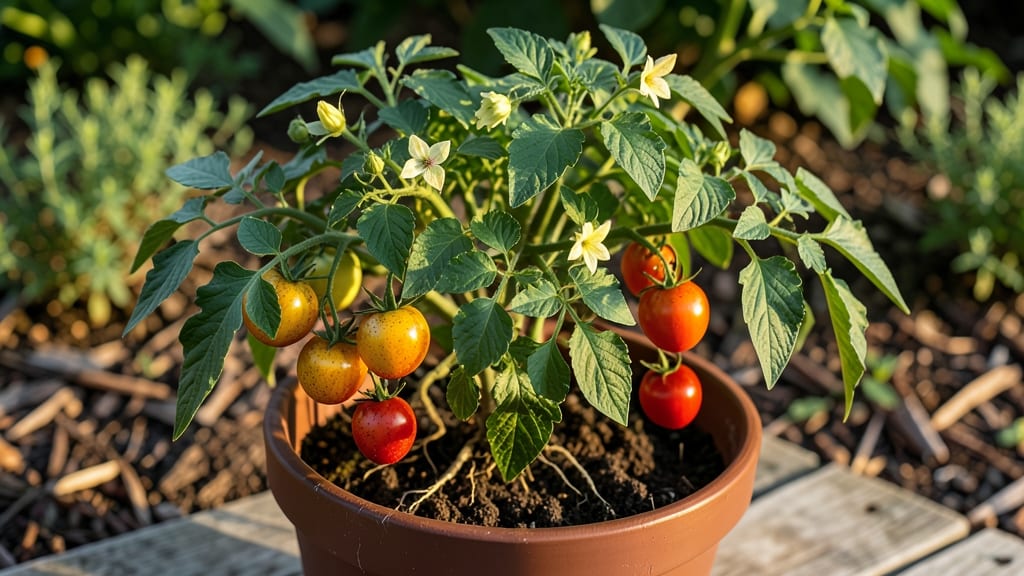
Growing pineapple cherry tomatoes in containers is the foolproof way to enjoy sweet, sunburst fruit even in cooler climates. 🌱 I’ve grown this variety for three seasons now, and the secret isn’t just their cold tolerance—it’s how well they thrive in pots, producing hundreds of tiny, tangy tomatoes on vines that stay compact and productive all season long.
These tomatoes love full sun (6+ hours daily) but can handle light frosts better than most varieties, making them perfect for early spring or late fall harvests.
Start with a 5-gallon container for each plant, fill it with well-draining potting mix, and add a tomato cage or trellis to keep vines supported. The key? Consistent moisture—they hate soggy roots but also dry spells, so water when the top inch of soil feels dry.
By midsummer, you’ll be harvesting bright orange-red fruit that bursts with flavor, perfect for snacking straight off the vine. Prune suckers regularly to encourage more fruit production, and watch for pests like aphids—spray with neem oil if needed.
The best part? These vines keep producing until frost, giving you a long, sweet harvest with minimal effort.
Whether you’re a balcony gardener or just want cold-hardy tomatoes, this variety delivers. Pair them with basil or lettuce for a container garden combo that’s both beautiful and productive. Ready to grow yours?
📚 In This Guide
- What you need
- Instructions
- Tips and common mistakes
- Wrapping up and next steps
What you need
- ● Seeds or seedlings: 3–5 cold-resistant pineapple cherry tomato seeds (e.g., 'Sugar Snack,' 'Tiny Tim,' or 'Tumbling Tom').
- ● Containers: 5–10 gallon pots with drainage holes (or fabric grow bags).
- ● Potting mix: 10–15 lbs of high-quality, well-draining organic potting soil (avoid garden soil).
- ● Fertilizer: Balanced 5-10-5 or 10-10-10 granular fertilizer (follow package instructions).
- ○ Support: 3–4 ft tall cage or trellis (optional but recommended for vining varieties).
- ● Watering can or hose with gentle spray nozzle.
- ● Pruning shears or scissors (for trimming excess foliage).
- ○ Mulch (optional): Straw or shredded leaves to retain moisture.
- ○ Garden gloves (optional):** For comfort while handling plants.
Step-by-Step instructions for growing pineapple cherry tomatoes in containers
Here’s how to cultivate cold-hardy pineapple cherry tomatoes with confidence—even in cooler climates.
🌱 Step 1: Select the Right Container and Cold-Resistant Variety
Choose a 5-gallon container with drainage holes—pineapple cherry tomatoes need room for roots and won’t tolerate soggy soil. I opt for fabric grow bags because they wick away excess moisture while still providing aeration. Fill the bottom third with gravel or expanded clay pebbles to improve drainage and prevent root rot.
For cold resistance, select a determinate variety like 'Sugar Snack' or 'Tiny Tim,' which thrive in USDA Zones 3-10. These compact plants produce fruit earlier and handle cooler nights better than their indeterminate cousins. Plant one seedling per container—crowding leads to weak stems and fewer cherries.
☀️ Step 2: Prepare Soil and Plant for Early Growth
Mix 2 gallons of premium potting soil with 1 cup of compost and 1 tablespoon of balanced fertilizer (10-10-10) to give seedlings a nutrient boost. Avoid garden soil—it compacts in containers and blocks root development. Moisten the mix until it feels like a damp sponge, then fill the container to 1 inch below the rim. Press lightly to eliminate air pockets.
Plant your seedling at the same depth it grew in its nursery pot, burying the stem up to the first set of true leaves. This encourages stronger root growth. Water deeply until moisture runs from the drainage holes, then let it drain completely. Place the container in a south-facing window or under a grow light for 14-16 hours daily—cherry tomatoes need bright light to prevent leggy growth.
💧 Step 3: Water and Fertilize for Consistent Production
Water when the top inch of soil feels dry, but avoid soggy conditions—pineapple cherries hate wet feet. I use a drip irrigation system or water at the base with a gentle stream to prevent fungal diseases. Mulch with 1 inch of straw to retain moisture and keep roots cool. In cooler climates, this extra insulation helps extend the growing season by 2-3 weeks.
Feed every 2 weeks with a liquid tomato fertilizer (like fish emulsion) diluted to half strength. Stop fertilizing 4 weeks before harvest to let the plant focus on fruit sweetness. You’ll notice small yellow flowers appear in 6-8 weeks—these will develop into your pineapple-flavored cherries.
✂️ Step 4: Prune and Support for Maximum Yield
Pinch off the first flower cluster when the plant is 12 inches tall—this redirects energy to foliage and root growth. Once the plant reaches 24 inches, install a cage or stakes to support the weight of fruit. Prune suckers (the shoots that grow between the stem and branches) to improve airflow and prevent disease. Remove any leaves touching the soil to keep the plant dry.
When fruit starts coloring, reduce watering slightly to concentrate sugars. Harvest cherries when they’re fully colored but still firm—waiting too long makes them mealy. A single plant produces 50-100 fruits, and you’ll know they’re ripe when they smell sweet and taste like pineapple.
🌿 Step 5: Extend the Season with Cold Protection
In cooler climates, protect plants from light frosts with frost cloth or move containers to a sunny garage at night. Remove the cloth during the day to prevent overheating. If temperatures drop below 32°F, harvest any remaining fruit—cherries can tolerate a light freeze but won’t recover.
After harvest, let the plant die back naturally. If you’re in a mild winter zone, you might get a second flush of flowers in fall. Otherwise, compost the plant and start fresh next spring. The key to success? Consistent care and patience—these cold-resistant varieties reward you with sweet, abundant fruit even when others give up.
Tips & tricks for growing cold-hardy pineapple cherry tomatoes
These game-changing strategies will help you coax maximum flavor and productivity from your container-grown pineapple cherry tomatoes—even in cooler climates.
Container Selection: Fabric grow bags are my secret weapon for container gardening—especially in cooler climates. They breathe better than plastic, preventing root rot while maintaining consistent moisture. If using traditional pots, ensure they're at least 12 inches deep and have drainage holes; pineapple cherry tomatoes hate soggy roots. For extra insulation during cold snaps, wrap the container with bubble wrap on the north side to protect roots from chilly winds.
Light Optimization: The 14-16 hours of daily light in Step 2 is non-negotiable for preventing leggy growth. If your south-facing window isn't sufficient, supplement with a grow light placed 6-12 inches above the plant. LED grow lights are energy-efficient and won't generate excess heat that could stress your plants. Rotate the container daily to ensure even light exposure—you'll notice more compact, bushier plants that produce fruit earlier.
Cold Climate Hacks: When temperatures approach 32°F, I double up on protection: first with a frost cloth during the day (to allow light penetration), then moving the container to a garage or cold frame at night. For extra warmth, place a brick or cinder block under the container—it absorbs daytime heat and radiates it back to roots at night. This simple trick can extend your growing season by 3-4 weeks in marginal climates.
Pruning for Productivity: The 12-inch and 24-inch pruning milestones in Step 4 are crucial for channeling energy to fruit production. When you pinch off that first flower cluster, you're essentially telling the plant, "Grow bigger first, then fruit." For maximum yield, also remove any leaves below the first flower cluster—they'll block sunlight and increase humidity, creating prime conditions for fungal diseases. Think of pruning as sculpting your plant into a fruit-producing machine.
Pro Tips for Pineapple Cherry Tomato
- These game-changing strategies will help you coax maximum flavor and productivity from your container-grown pineapple...
- Container Selection: Fabric grow bags are my secret weapon for container gardening—especially in cooler climates. The...
- Light Optimization: The 14-16 hours of daily light in Step 2 is non-negotiable for preventing leggy growth. If your s...
Frequently asked questions
Got questions about growing pineapple cherry tomatoes in containers? You’re not alone! Here are some of the most common queries—plus straightforward answers to help you grow like a pro.
Can pineapple cherry tomatoes grow in small containers?
These compact plants thrive in containers as small as 5-gallon pots (or larger). Just ensure the container has drainage holes and use a well-draining potting mix. With proper care, you’ll get a bountiful harvest even in tight spaces. Pro tip: Use a self-watering planter to keep roots happy without overwatering.
Are pineapple cherry tomatoes truly cold-resistant?
Yes, but with limits! While they tolerate cooler temps better than most tomatoes (down to 45°F), they still prefer warmth. Start seeds indoors 6–8 weeks before last frost or choose cold-hardy varieties like ‘Solar Fire’ or ‘Tiny Tim’. If frost threatens, cover plants with frost cloth or move containers indoors temporarily.
How long does it take for pineapple cherry tomatoes to fruit?
Patience pays off! From seed, expect 60–70 days to first fruit, while transplants may fruit in 45–55 days. Factors like sunlight (6+ hours/day), warmth, and consistent watering speed up the process. Troubleshooting: If flowers drop without fruiting, check for low humidity or temperature swings—a light misting or shade cloth can help.
What can I substitute if I can’t find pineapple cherry tomato seeds?
No problem! Try these similar cold-tolerant cherry tomato varieties:
- ‘Sweet Million’ – Classic sweet flavor, compact
- ‘Tumbling Tom’ – Trailing habit, great for hanging baskets
- ‘Black Cherry’ – Rich, smoky taste, slightly larger
Why are my pineapple cherry tomato leaves turning yellow?
Yellow leaves usually signal overwatering or nutrient deficiencies. Check the soil—it should be damp but not soggy. If lower leaves yellow first, it’s often normal aging. For upper leaves, test for nitrogen deficiency (use a balanced fertilizer) or pests (like aphids). Quick fix: Flush the soil with water to remove excess salts, then adjust your watering routine.
Can I eat pineapple cherry tomatoes straight from the plant?
Yes! These sweet, aromatic tomatoes are perfect for snacking fresh. Their pineapple-like tang makes them ideal for salads, skewers, or garnishes. For best flavor, harvest when fully colored and slightly soft to the touch. Storage tip: Keep them at room temp for 3–5 days or refrigerate for up to a week (though texture may soften).
Wrapping up and next steps
Growing pineapple cherry tomatoes in containers is a rewarding adventure—especially with cold-resistant varieties!
These vibrant, sweet fruits thrive with minimal space and care, offering a burst of flavor right at your fingertips. 🌱 Whether you're a seasoned gardener or just starting, experimenting with these tropical-tasting tomatoes can turn your balcony or patio into a mini harvest haven.
Ready to take the next step? Start small: plant a single container, monitor its progress, and gradually expand your garden. Share your success (or bloopers!) with fellow plant lovers—every expert was once a beginner. Happy growing, and may your tomato vines be ever bountiful! 🍅✨