
Vegetables
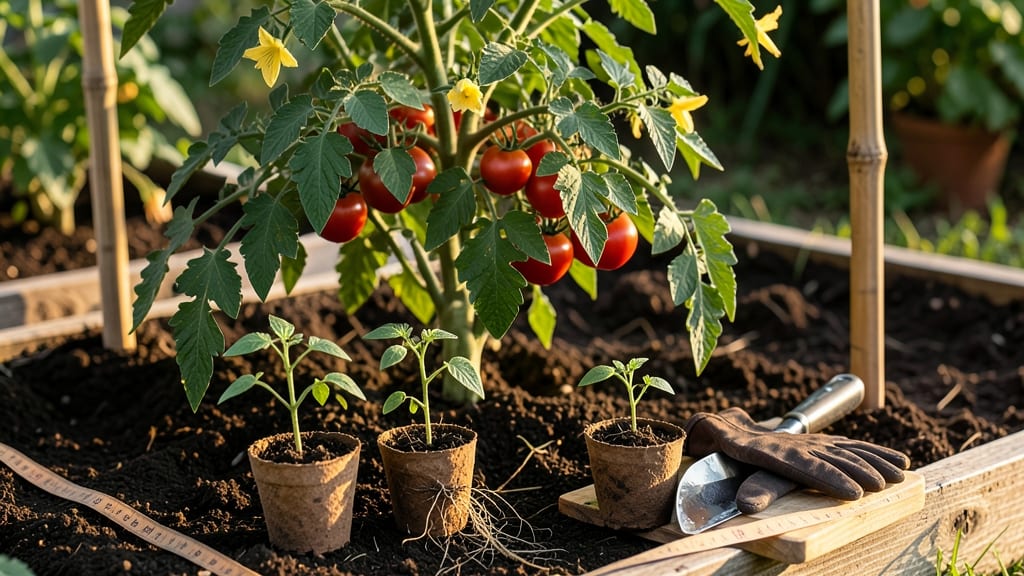
Planting Roma tomatoes means 50 days of sun-triggered ripening—the secret to those perfect, meaty slices for sauces and sandwiches. 🌱 I learned the hard way that Roma tomatoes need full sun (6+ hours daily) and rich, well-draining soil to reach their full potential, or they’ll turn mealy instead of sweet.
The process starts with transplanting sturdy seedlings (not direct sowing) after the last frost when soil warms to 60°F. Bury them deep—up to ⅔ of the stem—to encourage strong root growth. Space plants 24-36 inches apart in rows 3 feet apart to prevent disease and allow airflow.
Once planted, keep soil consistently moist but not soggy—Roma tomatoes hate wet feet. A mulch layer helps retain moisture and keeps fruit off the ground. Within 3-4 weeks, you’ll see new growth, and by day 50, you’ll have vibrant red, sauce-worthy tomatoes ready to harvest.
For best results, prune suckers regularly and stake plants early. If you’re in a short season, opt for early-maturing varieties or use black plastic mulch to warm the soil faster. The payoff? Homegrown tomatoes that taste nothing like store-bought.
📚 In This Guide
- What you need
- Instructions
- Tips and common mistakes
- Wrapping up and next steps
What you need
- ● Roma tomato seeds or seedlings: 3–5 plants (choose disease-resistant varieties like 'Roma VF' or 'Plum Perfect').
- ● Well-draining potting mix or garden soil: 10–15 lbs (for containers) or enrich your garden bed with compost.
- ● Fertilizer: Balanced 10-10-10 or organic options like composted manure (follow package rates).
- ● Mulch: Straw or shredded leaves (2–3 inches thick) to retain moisture and suppress weeds.
- ● Garden trowels or transplanter: For digging holes (6-inch depth).
- ● Watering can or hose with a gentle nozzle: Roma tomatoes need consistent moisture.
- ● Stakes or cages (5–6 ft tall): 1–2 per plant to support heavy fruit.
- ● Pruning shears: For trimming suckers and shaping plants.
- ○ Gloves (optional): To protect hands from thorns and soil.
- ● Sunlight: Full sun (6–8+ hours daily). Roma tomatoes thrive in warm climates (plant after last frost).
- ● Spacing: 18–24 inches apart (in rows, allow 3 feet).
- ● pH-balanced soil: Aim for 6.0–6.8 (test with a soil kit if unsure).
- ● Patience: Roma tomatoes ripen in 50–60 days from transplanting!
Step-by-step instructions for planting Roma tomatoes
Here's my foolproof method for getting Roma tomatoes from seed to sun-ripened fruit in just 50 days.
🌱 Step 1: Start Seeds Indoors 6-8 Weeks Before Last Frost
Roma tomatoes thrive when transplanted young, so begin indoors with sterile seed-starting mix in 2-3 inch deep pots. I like to use a heat mat set to 75-85°F—this ensures 5-10 day germination instead of the usual 2 weeks. Fill pots to 1 inch below the rim with damp mix, then plant 2-3 seeds per pot at ¼ inch depth.
Cover with a humidity dome or plastic wrap to lock in moisture, then place in indirect light. Watch for first true leaves—those are your signal to remove the dome immediately. Without it, seedlings suffocate and develop damping-off disease overnight. I always label my pots with the date and variety—Roma tomatoes are sensitive to cold snaps, so timing matters.
☀️ Step 2: Harden Off Seedlings for 10-14 Days
Two weeks before your last frost date, move seedlings outside to a sheltered spot for 1-2 hours daily. I start with shade and gradually increase sun exposure. You'll notice stems stiffen and leaves darken—this means they're adjusting to outdoor conditions. Avoid direct sun the first few days; Roma tomatoes can scorch when transitioning too quickly.
Hardening off is where most beginners fail. If you skip this, transplants wilt dramatically when planted. Instead, extend outdoor time by 1 hour daily until seedlings tolerate a full day outside. Nighttime temps below 50°F will stunt growth, so use row covers if needed in cooler climates.
🪴 Step 3: Transplant After All Frost Risk Has Passed
Choose a location with full sun (8+ hours daily) and well-draining soil. Roma tomatoes need space—plant 24-36 inches apart in rows 3-4 feet apart. Dig holes slightly deeper than the seedling's root ball to encourage strong anchoring. Gently loosen roots before placing in soil, then water deeply to settle everything.
Mulch with 2-3 inches of straw or shredded leaves to retain moisture and suppress weeds. I always add a handful of compost to each hole—Roma tomatoes are heavy feeders and respond well to organic matter. Avoid over-fertilizing with nitrogen; you want fruit production, not leafy growth.
💧 Step 4: Water and Support for Maximum Yield
Roma tomatoes need 1-2 inches of water weekly, but consistency matters more than quantity. Water at the base early in the day to prevent fungal diseases. I use drip irrigation for large plants—it keeps leaves dry and reduces blight risk. You'll know moisture is right when the soil feels damp 6 inches down.
Install cages or stakes at planting time to support heavy fruit. Roma tomatoes grow determinate (bush-type), so they don't need pruning. Instead, focus on removing suckers—those little shoots in the leaf axils. Pinch them off early to direct energy to fruit development. Harvest when tomatoes turn deep red and yield slightly to pressure.
⏰ Step 5: Monitor for Ripening and Pests
Roma tomatoes typically ripen in 50-60 days after transplanting, but watch for color changes first. Green shoulders that blush red signal readiness. I harvest in the morning when sugars are highest—cut stems with scissors to avoid damaging the plant. You'll get 4-6 pounds per plant in ideal conditions.
Keep an eye out for hornworms and aphids. Handpick hornworms (they're huge and easy to spot) and spray aphids with soapy water. Roma tomatoes are prone to early blight if leaves stay wet, so water at the base and avoid overhead sprinkling. With proper care, you'll enjoy sun-triggered ripening and a bounty of paste tomatoes perfect for sauces.
Tips & tricks for perfect Roma tomato planting
These practical insights will help you skip the common pitfalls and maximize your Roma tomato harvest.
Germination Optimization: The heat mat at 75-85°F is your secret weapon for faster germination—this temperature range activates enzymes that speed up seed sprouting. I've found that maintaining consistent moisture (not soggy) in the sterile seed-starting mix is just as critical. Use a spray bottle to mist the surface daily rather than soaking the mix, which prevents damping-off disease that can kill seedlings overnight.
Harden Off Like a Pro: During the 10-14 day hardening off period, pay attention to the seedlings' physical changes—they'll develop a sturdier stem and darker leaves as they acclimate. I recommend using a small shade cloth during the first few outdoor sessions to gradually introduce sunlight. If nighttime temperatures dip below 50°F, cover seedlings with row fabric to prevent stunted growth. This gradual transition is what prevents that dramatic wilting you see when plants go directly from indoors to full sun.
Transplanting Technique: When transplanting, the slightly deeper hole you dig encourages roots to grow downward rather than circling, which creates a stronger anchor. After planting, water deeply to eliminate air pockets in the soil. I've noticed that Roma tomatoes respond particularly well when you add a handful of compost directly to the planting hole—this gives them an immediate nutrient boost without overwhelming them with excessive nitrogen. The mulch layer you add afterward helps maintain consistent soil moisture, which is crucial for these heavy-feeding plants.
Pro Tips for Planting Roma Tomatoes
- These practical insights will help you skip the common pitfalls and maximize your Roma tomato harvest.
- Germination Optimization: The heat mat at 75-85°F is your secret weapon for faster germination—this temperature range activates enzymes that speed up seed sprouting.
- Harden Off Like a Pro: During the 10-14 day hardening off period, pay attention to the seedlings' physical changes—they'll develop a sturdier stem and darker leaves as they acclimate.
Frequently asked questions
Got questions about planting Roma tomatoes?
You’re not alone! Here are answers to the most common queries to help you grow juicy, sun-ripened tomatoes in just 50 days.
When is the best time to plant Roma tomatoes?
For fastest ripening, plant Roma tomatoes after the last frost when soil temps reach 60°F (15°C). In warm climates, start in early spring; cooler regions may need to wait until late April or May. If frost threatens, use row covers or wait until nighttime temps stay above 50°F (10°C).
How much sun do Roma tomatoes really need?
Roma tomatoes are sun-hungry! They thrive in 6–8+ hours of direct sunlight daily. If your garden gets less, opt for a south-facing spot or supplement with grow lights. Partial shade can lead to leggy plants and fewer tomatoes. Pro tip: Rotate plants weekly for even sun exposure!
Why aren’t my Roma tomato plants producing fruit?
Common culprits include lack of pollination (shake plants gently during blooming), inconsistent watering (keep soil moist but not soggy), or nutrient deficiencies. Yellow leaves? Add a balanced fertilizer. Too hot? Provide afternoon shade. Try this: Prune suckers to focus energy on fruit development.
Can I grow Roma tomatoes in containers?
Roma tomatoes adapt well to 5-gallon+ containers with drainage. Use a lightweight potting mix and stake or cage plants for support. Ensure containers get full sun and replant every 2–3 years to refresh soil nutrients. Bonus: Container gardening makes rotating crops easy!
What’s the secret to speeding up ripening?
Roma tomatoes ripen faster with consistent warmth, water, and nutrients. Use black plastic mulch to warm soil, prune for airflow, and fertilize lightly with tomato-specific feed. Harvest green tomatoes early if frost threatens—they’ll ripen indoors with a banana nearby (ethylene gas speeds it up!).
Wrapping up and next steps
Growing Roma tomatoes is a rewarding journey that delivers bursting, flavorful fruits in just 50 days—and you’ve got all the tools to succeed! 🌱 From selecting the right seeds to mastering sun exposure and soil care, every step sets you up for a bountiful harvest.
Now that you’re armed with knowledge, roll up your sleeves and plant those seeds with confidence.
Ready for the next step? Mark your calendar for transplanting (or direct sowing) and keep an eye on those tiny seedlings turning into sun-loving powerhouses. Share your progress in the comments—we’d love to cheer you on! 🌞