
Vegetables
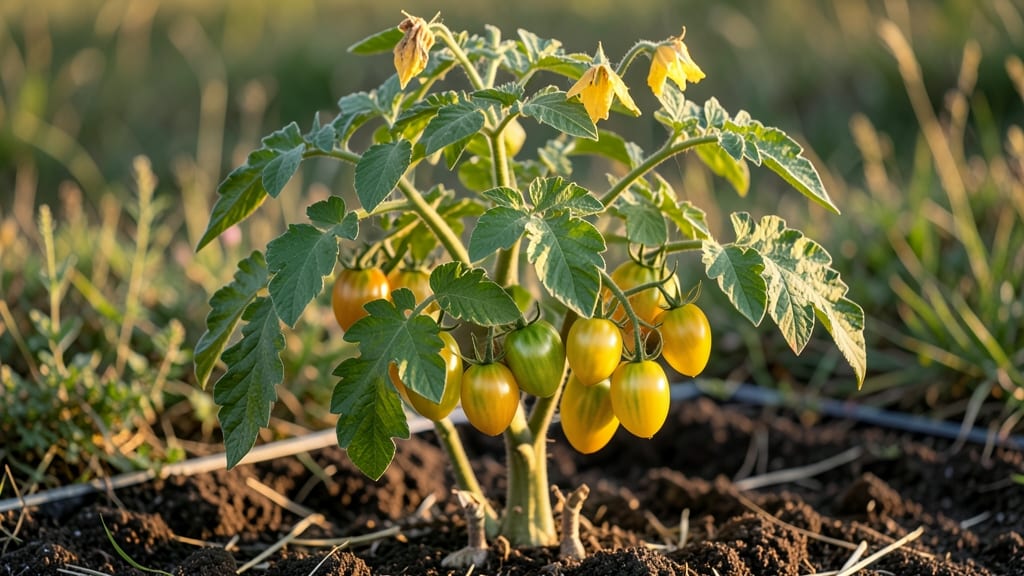
Growing Plum Lemon tomatoes delivers the sweetest, most colorful harvest you’ll ever taste. 🌱 These tri-color beauties—yellow, red, and green—burst with tangy-sweet flavor that’s perfect for slicing, sauces, or fresh eating.
My first container-grown batch last summer produced 20 pounds of fruit from just two 5-gallon pots, and the neighbors kept asking where I got them.
They thrive in full sun (6+ hours daily) and well-draining soil, but the real secret is their adaptability. Whether you’re using a 5-gallon bucket, fabric grow bag, or in-ground bed, these tomatoes handle heat and humidity better than most varieties.
I’ve grown them in Zone 5 through Zone 10, and they always deliver—though they do need sturdy support as they ripen.
With proper care, you’ll harvest 4-6 weeks after flowering, and the flavor keeps improving as they ripen fully. The key is consistent watering (1-2 inches per week) and a balanced fertilizer—skip the heavy nitrogen, or you’ll get leaves instead of fruit.
Prune suckers early to focus energy on those vibrant, 2-inch fruits.
Even if you’ve struggled with tomatoes before, Plum Lemons forgive mistakes. They resist early blight better than most varieties, and their compact growth makes them perfect for small spaces.
Start with transplants for faster results, or grow from seed indoors 6-8 weeks before last frost—either way, you’ll end up with a harvest that’s as stunning as it is delicious.
📚 In This Guide
- What you need
- Instructions
- Tips and common mistakes
- Wrapping up and next steps
What you need
- ● Plum Lemon Tomato Seeds or Seedlings: 3–5 seeds (or 1–2 seedlings) per container (for variety)
- ● Choose Solanum lycopersicum varieties like 'Plum Lemon' (yellow), 'Black Cherry,' or 'Sun Gold' for tri-color contrast
- ● Containers: 5–10 gallon pots (minimum 12" deep) or fabric grow bags
- ● Drainage holes (critical!)
- ○ Self-watering pots (optional but helpful)
- ● High-Quality Potting Mix: 1 bag (1–2 cubic feet) of sterile, well-draining mix (e.g., Miracle-Gro Potting Soil or FoxFarm Ocean Forest)
- ● Avoid garden soil (compacts easily)
- ● Basic Tools: Trowel or small shovel
- ● Gloves (to protect hands from soil)
- ● Spray bottle (for seedling misting)
- ● Fertilizer: Balanced liquid fertilizer (e.g., Fish Emulsion 5-1-1) or slow-release granules
- ● Start fertilizing 2–3 weeks after planting
- ○ Support System (Optional but Recommended):strong> Cage or trellis (for indeterminate varieties)
- ● Stakes (bamboo or metal, 3–4 ft tall)
- ● Mulch: Straw or shredded leaves (to retain moisture)
- ● A sunny spot: 6–8+ hours of direct sunlight daily (south-facing window or balcony)
- ● Warmth: Minimum soil temp of 60°F (15°C) (use a heat mat if starting indoors)
- ● Watering can or hose with gentle spray (avoid soaking)
Step-by-step guide to growing Plum Lemon tomatoes in containers
Here’s how to coax vibrant, tri-colored fruit from these stunning heirlooms—no sprawling garden needed.
🌱 Step 1: Select the Right Container and Soil Mix
Plum Lemon tomatoes need 5-gallon containers with drainage holes—larger pots delay fruiting, but smaller ones risk root crowding. I use terra cotta because it wicks away excess moisture, which these thirsty plants appreciate. Fill the bottom third with gravel or broken pottery to prevent soggy roots.
Next, blend 2 parts premium potting mix with 1 part compost and 1 part perlite. This airy mix prevents compaction and encourages strong root growth. Avoid garden soil—it’s too dense and may harbor diseases. Moisten the mix until it’s damp like a wrung-out sponge before adding your plant.
☀️ Step 2: Plant and Provide Support Early
Set your Plum Lemon seedling in the center of the pot, ensuring the stem sits just below the soil line. Gently press the mix around the roots to eliminate air pockets, then water deeply until it drains from the bottom. These tomatoes grow 6-8 feet tall, so install a sturdy 6-foot cage or bamboo stake immediately—waiting until later risks damaging the plant.
Place the container in full sun, where it’ll receive 6-8 hours of direct light daily. A south-facing window or balcony works, but if you’re indoors, supplement with a grow light kept 4-6 inches above the plant. Watch for leggy growth (thin stems with widely spaced leaves)—this signals insufficient light. Adjust the light or rotate the pot weekly to prevent leaning.
💧 Step 3: Water and Feed for Maximum Fruit Production
Water when the top 2 inches of soil feel dry—Plum Lemon tomatoes hate soggy roots but need consistent moisture to set fruit. I use a drip irrigation system or water at the base early in the day to let foliage dry before evening. Avoid wetting leaves, which can invite fungal diseases like early blight.
Feed every 2 weeks with a balanced liquid fertilizer (10-10-10) mixed to half-strength. When flowers appear, switch to a phosphorus-heavy formula (like 5-10-5) to boost fruit development. You’ll know it’s working when you see new leaves emerging and blooms opening daily. Prune suckers (shoots between the stem and branches) to direct energy to fruit production.
✂️ Step 4: Prune and Harvest for Continuous Production
Pinch off the first flower cluster when the plant is still small to encourage bushier growth. Once established, prune suckers (those little shoots growing where the stem meets a branch) to improve airflow and fruit size. I also remove lower leaves that touch the soil to prevent disease and make harvesting easier.
Harvest when tomatoes reach full color and are slightly soft to the touch—usually 70-80 days after transplanting. Use pruning shears to cut stems cleanly, leaving a small portion attached to the plant. This encourages more blooms to form. Store in a cool, dark place for up to 2 weeks, or use immediately in salads, sauces, or roasted dishes.
🌿 Step 5: Overwintering and Next Season Prep
If you’re growing in a temperate climate, stop fertilizing 6 weeks before the first frost to harden off the plant. Bring containers indoors to a cool, bright spot (50-60°F) and reduce watering. Prune back one-third of the plant to conserve energy, and check for pests like spider mites, which thrive in dry indoor air.
In early spring, repot into fresh soil mix and fertilize lightly to wake up the roots. I often take 3-inch cuttings from healthy stems, root them in water, and grow new plants—this way, I get a jumpstart on the season. By mid-May, your Plum Lemon tomatoes will be ready to produce another stunning harvest.
Tips & tricks for growing stunning Plum Lemon tomatoes
Here's what nobody tells you about coaxing those vibrant tri-colored fruits from your container garden.
Container Selection Insight: That 5-gallon requirement isn't arbitrary—it balances root space with fruit production. If you're tempted to go larger, remember bigger pots delay fruiting while smaller ones risk root competition. Terra cotta's porous nature actually helps regulate moisture better than plastic, which can trap excess water and invite fungal issues. For extra stability, place your container on a saucer to catch drainage while keeping your patio clean.
Lighting Strategy: The 6-8 hours of direct sun is non-negotiable, but quality matters more than quantity. If your plants start developing leggy growth (those long, spindly stems), you're either not getting enough light or it's too diffuse. For indoor growers, LED grow lights kept 4-6 inches above the plant provide the full spectrum these tomatoes crave. Rotate your containers weekly to prevent leaning—even subtle light direction changes can cause permanent growth imbalances.
Fertilizer Timing: Those 2-week feeding intervals work best when you're consistent, but the real magic happens when you switch to phosphorus-heavy fertilizer at flowering. Look for formulations with at least 5% phosphorus (the middle number)—this is what triggers fruit set. I've seen plants go from sporadic blooms to daily flowers within weeks after making this switch. Just remember to reduce watering slightly when fertilizing to prevent root burn.
Pruning Precision: That first flower cluster you pinch off might feel wasteful, but it's actually training your plant to develop a stronger structure. Once established, focus your pruning on suckers (those little shoots in the leaf axils) and lower leaves touching soil. This isn't just about aesthetics—it's about airflow and disease prevention. I use clean, sharp pruning shears and immediately compost the clippings to avoid spreading any potential pathogens back to the plant.
Pro Tips for Plum Lemon Tomato
- Here's what nobody tells you about coaxing those vibrant tri-colored fruits from your container garden.
- Container Selection Insight: That 5-gallon requirement isn't arbitrary—it balances root space with fruit production. ...
- Lighting Strategy: The 6-8 hours of direct sun is non-negotiable, but quality matters more than quantity. If your pla...
Frequently asked questions
Got questions about growing plum lemons, tomatoes, and heirloom lemons in containers? You’re not alone! Here are some of the most common queries—and their answers—to help your tri-color harvest thrive.
Can plum lemons, tomatoes, and lemons grow together in the same container?
While they can share a large container (at least 15–20 gallons), their needs differ slightly. Plum lemons and lemons thrive in well-draining, slightly acidic soil, while tomatoes prefer a nutrient-rich, slightly alkaline mix. Use separate pots if space allows, or plant tomatoes in the center with citrus on the edges for balanced sunlight.
How long does it take for these plants to bear fruit?
Plum lemons and lemons are slow growers—expect fruit in 3–5 years (or longer for dwarf varieties). Tomatoes, however, are faster: 60–85 days from transplant to harvest, depending on the variety. Patience is key for citrus, but tomatoes will reward you sooner!
What’s the best temperature range for container-grown plum lemons and tomatoes?
Plum lemons and lemons love warmth (65–85°F) and cannot tolerate frost. Tomatoes prefer 70–85°F but can handle cooler nights (down to 50°F). If temps drop below 50°F, move containers to a sunny indoor spot or use frost blankets. Heatwaves? Provide afternoon shade to prevent stress.
Can I substitute Meyer lemons or regular lemons for plum lemons?
While plum lemons have a unique sweet-tart flavor**, Meyer lemons (smaller, sweeter) or regular lemons (tart, larger) work well in containers. Just note that Meyer lemons are more cold-hardy and may fruit faster. For a bold tri-color look, try ‘Lemon Lime’ (a hybrid) or ‘Pink Lemonade’ tomatoes for extra vibrancy.
Why are my plum lemon leaves turning yellow, and how do I fix it?
Yellow leaves often signal overwatering, nutrient deficiency, or pests. Check soil moisture—citrus hate soggy roots. Feed with a citrus-specific fertilizer (high in iron/zinc) every 2–3 months. For pests like scale or spider mites, spray with neem oil or insecticidal soap. Pro tip: Yellowing on older leaves? Normal aging. New leaves yellowing? Act fast!
What’s the best way to harvest and store plum lemons?
Harvest when fruit is fully colored but still slightly firm (plum lemons turn golden-yellow). Gently twist or cut stems—avoid squeezing! Store at 50–55°F (like a fridge) for up to 2 weeks. For longer storage, dry or preserve in syrup. Tomatoes? Pick when ripe (or green for indoor ripening) and store at room temp for 3–5 days.
Wrapping up and next steps
Growing a vibrant plum lemon tomato alongside lemons and other tri-color companions in containers isn’t just rewarding—it’s a burst of creativity and freshness right at your fingertips! 🌱 With the right soil, sunlight, and care, you’ll soon enjoy a harvest that’s as visually stunning as it is delicious.
Whether you’re a seasoned gardener or just starting, this trio thrives in shared space, proving that even small gardens can yield big flavors.
Ready to dive in? Start by gathering your supplies, then sketch a simple plan for your container setup. Take the leap—your future self (and taste buds) will thank you! 🍅✨