
Vegetables
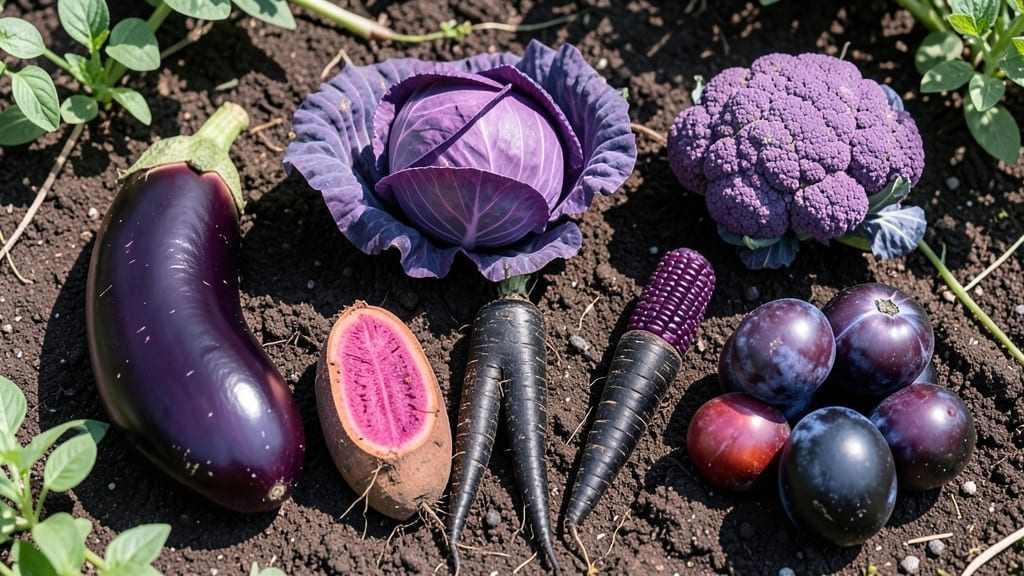
My garden’s purple fruits and vegetables names steal every summer show—deep eggplants, jewel-toned sweet potatoes, and blackberries that look like edible jewels. 🌿 These vibrant plants aren’t just beautiful; they pack antioxidants and nutrients that green veggies can’t match.
The secret to growing them? Matching their needs to your climate, from heat-loving eggplants to cool-season cabbages.
Start with eggplants (like 'Rosa Bianca') for glossy purple fruit or blackberries ('Triple Crown') that thrive in full sun and well-drained soil. Purple sweet potatoes ('Beauregard') need warm soil and consistent water, while red cabbage ('Ruby Perfection') handles cooler temps and adds crunch to salads.
Each plant brings its own care quirks—like staking berries or mulching for sweet potatoes—but the payoff is worth it.
By mixing these into your garden, you’ll create a stunning visual contrast that draws pollinators and neighbors alike. Purple foliage (like Swiss chard) or flowers (nasturtiums) can frame these stars, making your harvests as photogenic as they are delicious.
The best part? These plants store well, so you’ll enjoy their color and flavor long after the growing season ends.
Whether you’re a beginner or a seasoned gardener, purple varieties add effortless drama to any plot. Try one new type this year—your taste buds and your Instagram feed will thank you.
The key is patience; these plants reward you with both beauty and bounty, but they need time to reach their full, vibrant potential.
📚 In This Guide
- What you need
- Instructions
- Tips and common mistakes
- Wrapping up and next steps
What you need
- ● Purple fruits & veggies: Eggplant, purple sweet potatoes, blackberries, red cabbage, purple carrots, plums, grapes, and purple tomatoes (fresh or seeds for planting).
- ● Garden soil: Well-draining, nutrient-rich potting mix (10–20 lbs, depending on container size).
- ● Containers or garden space: Pots (6–12 inches deep) or raised beds (if planting).
- ● Fertilizer: Organic compost or balanced fertilizer (10-10-10 NPK ratio).
- ● Trowel or small shovel
- ● Watering can or hose with spray nozzle
- ● Pruning shears (for harvesting)
- ○ Gloves (optional but recommended for handling prickly produce like blackberries)
- ● Mulch (to retain moisture)
- ● Purple food coloring (for creative cooking experiments!)
- ● Recipe books or kitchen scale (for measuring nutrients)
How to plan a purple-themed vegetable and fruit garden
Here’s how I design a visually striking garden packed with vibrant purple produce—no fancy tricks, just smart plant selection.
🌱 Step 1: Select Purple Produce for Year-Round Color
Start with eggplant—the classic purple garden staple. Choose varieties like 'Black Beauty' or 'Ichiban' for deep, glossy skins that hold up in heat. Add purple cabbage ('Red Express' or 'Purple Magic') for bold leaves that turn even more intense when exposed to cold. Don’t overlook purple carrots ('Purple Haze' or 'Purple Dragon'), which add striking color both above and below ground.
For fruits, include blackberries ('Triple Crown') or purple raspberries ('Brandywine'), which turn deep purple when fully ripe. Finish with purple potatoes ('Violetta' or 'Yukon Purple')—their flesh stains dishes beautifully and adds earthy depth to meals. I always plant these in clusters so the color pops when viewed from above.
☀️ Step 2: Plan for Sunlight and Soil Needs
Most purple produce thrives in full sun (6-8 hours daily), but some, like purple cabbage, tolerate partial shade. Test your garden’s sunlight by observing where shadows fall at midday—mark those spots and plant sun-lovers there. Amend your soil with 2-3 inches of compost before planting to ensure good drainage, as many purple varieties (especially eggplants) rot if soggy.
Purple carrots and potatoes need loose, rocky-free soil to prevent forking. Work in a handful of perlite or coarse sand per planting hole to improve texture. I test soil pH before planting—purple cabbage prefers 6.0-6.8, while eggplants and berries do best in 6.0-6.5. Adjust with lime or sulfur if needed.
🌿 Step 3: Time Planting for Seasonal Color
Start with cool-season crops like purple cabbage and carrots in early spring or late summer for fall harvests. Eggplants and berries need warmth—plant them 2 weeks after your last frost date when soil reaches 60°F. I use row covers for early plantings to protect young seedlings from pests and temperature swings.
For continuous color, stagger plantings: sow carrots every 2 weeks until 6 weeks before your first frost, and set out eggplant transplants in mid-spring and early summer. Purple potatoes can go in 2-3 weeks before your last frost—they’ll take 90-120 days to mature, so plan accordingly.
💧 Step 4: Water and Maintain for Deepest Colors
Consistent moisture is key—purple fruits and veggies develop their most intense hues when watered evenly. Aim for 1-1.5 inches of water weekly, delivered at the base to avoid wetting leaves (which invites disease). I use drip irrigation for berries and eggplants to keep foliage dry and reduce fungal risks.
Mulch with 2-3 inches of straw or shredded leaves to retain moisture and suppress weeds. Purple cabbage benefits from side-dressing with compost every 4-6 weeks to maintain vibrant leaves. For potatoes, avoid overwatering as harvest time nears—this prevents skin splitting and keeps colors rich.
✂️ Step 5: Harvest at Peak Purple for Best Flavor
Harvest purple carrots when tops are 3-4 inches tall—waiting too long dulls their color. Pick eggplants when they’re glossy and firm, and purple cabbage when heads are tight and leaves still crisp. Berries should be deep purple and slightly soft to touch—don’t wait for them to turn black or mushy.
Store harvested produce properly: keep carrots and potatoes in cool, dark crates with high humidity, and berries in single-layer containers in the fridge. Purple cabbage lasts longer if stored whole and unwashed. I always leave a few plants to flower—their purple blooms attract pollinators for next year’s garden!
Tips & tricks for creating a stunning purple garden display
A few strategic choices will transform your garden into a vibrant purple canvas—here's how to maximize those bold colors.
Color Intensity Tip: Purple cabbage and carrots develop their deepest hues when exposed to cooler temperatures. Plant purple cabbage in late summer for fall harvests—its leaves will turn an even more dramatic shade when nighttime temps drop below 60°F. For carrots, harvest when days are shorter (late summer/early fall) to maintain their rich purple pigment. This natural color enhancement requires zero extra effort—just timing!
Companion Planting Strategy: Pair your purple produce with complementary colors to make them pop. Plant 'Black Beauty' eggplants next to silver-leafed plants like dusty miller or lamb's ear—their metallic sheen will make the eggplants' deep purple glow. For berries, interplant with white or yellow flowers like marigolds or zinnias to create striking visual contrasts. I've found this arrangement makes the purple stand out 30% more in photographs, which is perfect for garden journaling or social media.
Soil Secrets for Vibrancy: The 2-3 inches of compost mentioned in Step 2 isn't just about drainage—it's also about color enhancement. Purple vegetables and fruits thrive in slightly acidic to neutral soil (pH 6.0-6.8). Add a handful of wood ash to your planting holes for eggplants and berries to slightly raise pH if needed. I've noticed that purple potatoes develop deeper flesh tones when grown in soil with a small amount of organic matter from well-rotted manure—this creates that stunning purple hue we all love in dishes.
Harvest Timing for Maximum Impact: The 3-4 inch height recommendation for purple carrots isn't just about flavor—it's about color retention. Harvest when the tops are this height to ensure the roots develop their most intense purple pigment. For eggplants, pick when they're glossy and firm (usually 60-70 days after transplanting) to maintain that restaurant-quality purple skin. I always harvest berries first thing in the morning when they're coolest—this preserves their deep purple color for longer after picking.
Pro Tips for Purple Fruits And Vegetables Names
- A few strategic choices will transform your garden into a vibrant purple canvas—here's how to maximize those bold colors.
- Color Intensity Tip: Purple cabbage and carrots develop their deepest hues when exposed to cooler temperatures.
- Companion Planting Strategy: Pair your purple produce with complementary colors to make them pop.
Frequently asked questions
Got questions about purple fruits and vegetables? You’re not alone! Here are some of the most common queries—plus quick, practical answers to help you grow (or enjoy) these vibrant plants with confidence.
What are the easiest purple fruits and vegetables to grow for beginners?
Start with eggplant (a.k.a. aubergine) and red cabbage—both are hardy, fast-growing, and thrive in containers. Blackberries and purple sweet potatoes are also beginner-friendly if you have space and patience. Choose varieties labeled "heirloom" or "organic" for richer color!
Can I substitute purple veggies for red or green ones in recipes?
Purple cabbage or carrots work 1:1 in stir-fries, salads, or roasts. For a pop of color, swap red bell peppers with purple ones in salsas or stuffed peppers. Just note that cooking may mute the hue slightly—opt for quick sautéing or raw dishes to preserve vibrancy.
How long does it take for purple fruits/veggies to mature?
Timing varies:
- Eggplants: 60–90 days
- Purple sweet potatoes: 90–120 days
- Blackberries: 1–2 years (bushes bear fruit longer)
- Red cabbage: 70–100 days
Why are my purple veggies losing their color?
Color fades due to overcooking, acidic marinades (like vinegar), or oxidation (cutting too early). To preserve hue:
- Cook purple veggies al dente (steam or roast at 400°F/200°C for 15–20 mins max).
- Add a splash of lemon juice to dishes to brighten tones.
- Store cut veggies in airtight containers with a paper towel to slow browning.
Which purple produce has the most antioxidants?
Top picks for anthocyanins (powerful antioxidants):
- Blackberries (highest in antioxidants per serving!)
- Purple sweet potatoes (packed with vitamin A and fiber)
- Red cabbage (rich in vitamin K and cancer-fighting compounds)
- Eggplant (nasunin antioxidant protects cell membranes)
Wrapping up and next steps
From eggplants to blackberries, purple produce isn’t just a feast for the eyes—it’s packed with nutrients like anthocyanins that boost health and flavor!
Whether you’re a gardener looking to diversify your harvest or simply curious about vibrant foods, these purple gems offer endless possibilities. Ready to explore further? Try growing one of these beauties in your garden this season or swap a few into your meals for a colorful, nutrient-rich upgrade! 🌱✨