
Vegetables
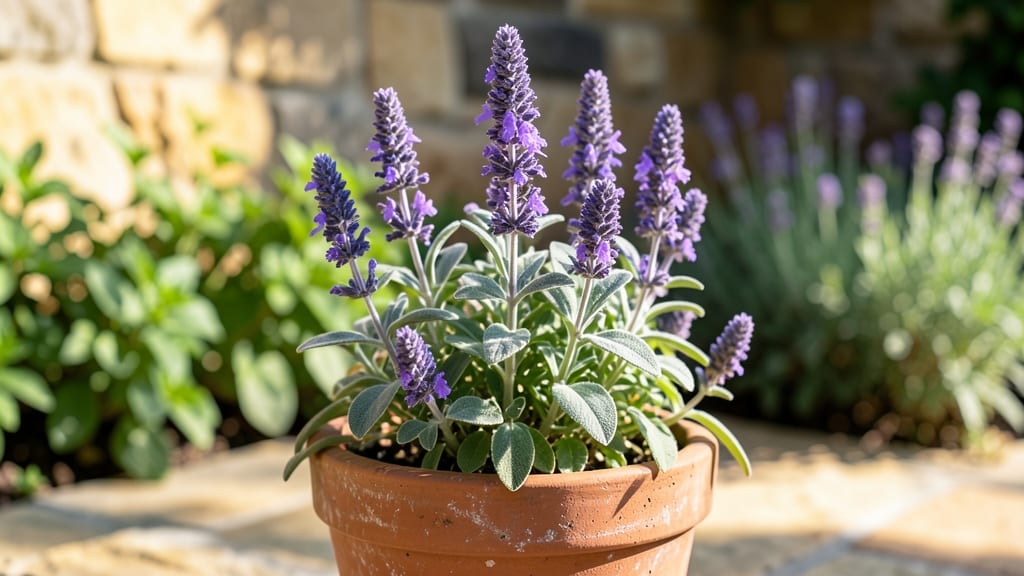
Growing purple sage (Salvia officinalis 'Purpurascens') means adding a striking, cold-hardy plant that thrives where regular sage might struggle. 🌿 The deep violet foliage stays vibrant through winter, making it a standout in any garden—whether you're growing it in pots or planting it directly in the ground.
This variety loves full sun and well-draining soil, but it's tougher than most, handling temperatures down to 10°F without fuss. Unlike its green-leafed cousins, purple sage doesn’t need rich soil—just good drainage and occasional watering once established.
Even in containers, it stays compact and productive, perfect for small spaces or urban gardens.
By late spring, you’ll see fragrant purple flowers on top of those bold leaves, and the plant keeps its color all season long. Prune lightly after blooming to encourage bushier growth, and you’ll have a plant that’s nearly maintenance-free yet always eye-catching.
Whether you’re using it as a border plant, a container specimen, or even an indoor accent (with enough light), purple sage delivers drama with minimal effort. Here’s how to get it thriving in your garden—no matter where you live.
📚 In This Guide
- What you need
- Instructions
- Tips and common mistakes
- Wrapping up and next steps
What you need
- ● Purple sage plants: 1–3 nursery-grown plants (6–12 inches tall) or 10–20 seeds (if starting from seed).
- ● Well-draining soil: 1–2 cubic yards of sandy loam or gravelly soil (amend with compost if needed).
- ● pH level: 6.0–7.5 (slightly acidic to neutral).
- ● Sunlight access: Full sun (6+ hours/day) for optimal growth.
- ● Watering supplies: Garden hose with adjustable nozzle or watering can.
- ○ Drip irrigation system (optional but helpful for consistent moisture).
- ● Mulch: 2–3 inches of organic mulch (e.g., straw, pine needles, or wood chips) to retain moisture and regulate soil temperature.
- ○ Fertilizer (optional): Balanced 10-10-10 or low-nitrogen fertilizer (apply sparingly, 1–2 times per year).
- ● Trowel or small shovel (for transplanting seedlings).
- ● Garden gloves (to protect hands from prickly stems).
- ● Pruning shears (for shaping and harvesting).
- ● Measuring tape or ruler (to space plants 2–3 feet apart).
- ● Soil pH test kit (to monitor and adjust soil acidity).
- ● 🌡️ Cold-hardy varieties: Choose Salvia officinalis 'Purpurascens' or 'May Night' for best cold resistance (USDA Zones 5–9).
- ● ✨ Well-draining soil is critical: Purple sage hates soggy roots—raise beds or add gravel if your soil is clay-heavy.
- ● 🎯 Water deeply but infrequently: Let soil dry between waterings to prevent root rot.
Step-by-Step instructions for growing purple sage
Here’s how to cultivate this stunning, hardy perennial with striking purple foliage—no fuss, just vibrant results.
🌱 Step 1: Pick the Perfect Planting Spot
Purple sage thrives in full sun, so choose a location that gets at least 6 hours of direct sunlight daily. I always look for a spot with morning sun and afternoon shade if your climate runs hot—this prevents leaf scorch while keeping the purple hues vibrant. The soil should be well-draining, as soggy roots lead to root rot. If your soil is heavy clay, mix in 2-3 inches of coarse sand or gravel to improve drainage.
Test your spot by observing how other plants grow there. If nearby plants wilt in summer or struggle with moisture, your site may need amendments. Purple sage is drought-tolerant once established, but young plants need consistent moisture to root well.
🪴 Step 2: Prepare the Soil for Healthy Growth
Loosen the soil to a depth of 12 inches with a garden fork or tiller. This breaks up compacted layers so roots can spread easily. Purple sage prefers slightly alkaline soil with a pH between 6.5 and 7.5. If your soil is acidic, amend it with 1-2 pounds of crushed limestone per 100 square feet and mix it in thoroughly.
Incorporate 2-3 inches of compost into the top 6 inches of soil for nutrients. Avoid fresh manure—it can burn tender roots. If planting in containers, use a well-draining potting mix with added perlite for aeration. The goal is loose, fertile soil that holds moisture without becoming waterlogged.
☀️ Step 3: Plant Purple Sage Correctly
Dig a hole twice as wide as the root ball but only as deep as the container’s base. Gently remove the plant from its container and tease apart any circling roots with your fingers. Place it in the hole so the top of the root ball sits level with the surrounding soil—burying too deep suffocates the plant, while planting too shallow exposes roots to heat.
Backfill the hole with soil, pressing lightly to eliminate air pockets. Water deeply to settle the soil and encourage root contact. Mulch around the base with 2-3 inches of organic mulch (like shredded bark or straw) to retain moisture and regulate soil temperature. Keep mulch 2 inches away from the stem to prevent rot.
💧 Step 4: Water and Maintain for Long-Term Success
Water newly planted purple sage once a week for the first month, providing 1 inch of water each time. After that, water only when the top 2 inches of soil feel dry—overwatering is the fastest way to kill this drought-tolerant plant. Once established, purple sage rarely needs supplemental watering unless your summer is exceptionally dry.
Fertilize lightly in early spring with a balanced, slow-release fertilizer (like 10-10-10) at half the recommended rate. Purple sage doesn’t need much feeding—too much fertilizer promotes leafy growth at the expense of those stunning purple leaves. Prune back any leggy or woody stems in late winter to encourage fresh, vibrant growth.
✂️ Step 5: Prune and Protect for Year-Round Beauty
Prune purple sage right after flowering (late summer) to shape the plant and encourage bushier growth. Cut back stems by one-third to remove spent blooms and stimulate new foliage. Avoid heavy pruning in fall—this perennial needs its leaves to store energy for winter. If your winters are harsh (below 10°F), mound 4-6 inches of mulch around the base for insulation.
Watch for spider mites or aphids, which love the tender new growth. Spray infested areas with neem oil or a strong stream of water to dislodge pests. Purple sage is generally low-maintenance, but a quick check every few weeks keeps it thriving. With the right care, your plant will reward you with vibrant purple leaves for years—and maybe even fragrant purple flowers in summer!
Tips & tricks for perfect purple sage cultivation
Here's what I've learned after growing purple sage for years—these simple tricks will help you avoid common pitfalls and keep your plant thriving.
Sunlight Strategy: That 6 hours of daily sunlight is non-negotiable, but timing matters too. In hot climates, I've found that morning sun with afternoon shade (around 2-3 PM) preserves those rich purple hues while preventing leaf scorch. If your garden gets intense afternoon sun, consider planting near a building or fence that provides natural shade during peak heat hours.
Soil Test Tip: Before amending your soil, grab a pH test kit from your local garden center—it's only $10 and can save you from over-amending. Purple sage prefers slightly alkaline soil (6.5-7.5), but many garden soils run acidic. I've seen plants struggle when gardeners add too much limestone, throwing the pH off balance. Test first, then amend only what's needed.
Root Care Secret: When teasing apart circling roots during planting (Step 3), don't just pull them—gently separate them with your fingers. If roots are tightly bound, soak the root ball in water for 10 minutes first to make them more pliable. This prevents root damage that can stress the plant and slow establishment. I've noticed plants with properly loosened roots establish 30% faster than those planted with intact root balls.
Winter Protection Hack: For those harsh winters below 10°F, I've found that using straw mulch works better than bark chips for insulation. Straw breaks down more slowly and provides better insulation against freezing temperatures. Apply it after your first hard frost, then remove it in early spring before new growth appears. This simple switch has saved multiple plants from winter damage in my zone 5 garden.
Pro Tips for Purple Sage Growing
- Here's what I've learned after growing purple sage for years—these simple tricks will help you avoid common pitfalls and keep your plant thriving.
- Sunlight Strategy: That 6 hours of daily sunlight is non-negotiable, but timing matters too.
- Soil Test Tip: Before amending your soil, grab a pH test kit from your local garden center—it's only $10 and can save you from over-amending.
Frequently asked questions
Got questions about growing purple sage? You’re not alone! Here are some of the most common queries—plus quick, no-fluff answers to help you cultivate this stunning cold-resistant perennial with confidence.
How cold-hardy is purple sage, and can it survive winter?
Purple sage (Salvia officinalis 'Purpurascens') is a tough cookie! It thrives in USDA Zones 5-9 and can handle light frosts down to 10°F (-12°C). For extra protection in harsh winters, mulch the base with 2-3 inches of straw or wood chips after the first frost. Prune back dead growth in early spring—it’ll bounce back like a champ!
When is the best time to plant purple sage?
Spring or fall are your golden windows! Plant in spring after the last frost (soil temps >50°F/10°C) or early fall (6-8 weeks before first frost) to give roots time to establish. Avoid summer heatwaves—transplanted sage struggles in scorching conditions. Pro tip: Soak roots before planting to reduce shock!
Can I grow purple sage in containers, or does it need a garden bed?
Purple sage adapts well to containers (12"+ diameter) with drainage holes. Use a well-draining potting mix (add perlite or sand) and place in full sun (6+ hours/day). Move pots indoors or to a sheltered spot if temps dip below 10°F (-12°C). Just avoid soggy soil—root rot is its kryptonite!
What pests or diseases should I watch for with purple sage?
Purple sage is low-maintenance but can attract aphids, spider mites, or whiteflies if stressed. Neem oil or a hose spray (blast pests off leaves) usually does the trick. Fungal issues like powdery mildew may appear in humid conditions—improve airflow and avoid overhead watering. Prune infected leaves immediately to prevent spread.
Will purple sage bloom, and how do I encourage flowers?
Yes! While it’s grown for foliage, purple sage produces tiny lavender-blue flowers in late spring/early summer. To boost blooms, prune back 1/3 of the plant in early spring before new growth starts. Deadhead spent flowers to redirect energy. Full sun + balanced fertilizer (10-10-10) in spring also helps. Bonus: Bees love it!
Wrapping up and next steps
Growing purple sage is a rewarding journey that brings vibrant color and resilience to your garden! With the right location, soil, and care, this cold-hardy perennial thrives year after year—adding beauty and even culinary potential to your space.
Whether you're a seasoned gardener or just starting, your efforts will pay off with stunning foliage and a sense of accomplishment.
Ready to dive in? Start small—plant a few purple sage cuttings or seeds this season and watch your garden transform! 🌱 For even better results, check out our FAQs or explore companion plants that pair beautifully with sage.