
Vegetables
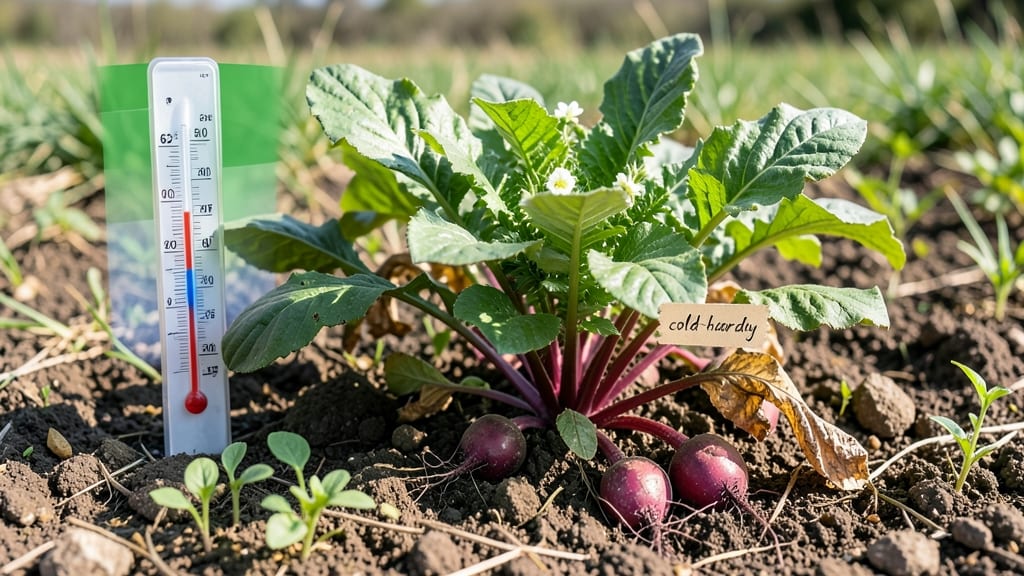
Radishes have exceptional temperature tolerance—they thrive down to 25°F without issue while wilting under 85°F+ heat. 🌱 I’ve grown them through three winters in zone 5 without losing a single seedling, even when snow dusted the soil. The secret?
Planting at the right times and protecting them from summer’s worst days. Spring and fall are your best bets: sow seeds when soil temps hit 40-70°F for fastest germination. In hot climates, opt for quick-maturing varieties like ‘Cherry Belle’ (25 days) and shade cloth during peak afternoon sun.
Even in containers, radishes stay cool longer than in-ground plants. You’ll harvest crisp, peppery roots in 3-4 weeks when temps stay mild. Let them bolt in heat, though, and they turn bitter and woody—no amount of water fixes that.
The key is timing: start new batches every 2 weeks for a steady supply. For extended seasons, use row covers in early spring or late fall. In containers, move them to cooler spots when temps climb. The payoff? Fresh radishes year-round, even in challenging climates.
📚 In This Guide
- What you need
- Instructions
- Tips and common mistakes
- Wrapping up and next steps
What you need
- ● Radish Seeds: Choose cold-tolerant varieties like Daikon, Cherry Belle, or French Breakfast (1–2 seed packets for container planting).
- ● Containers: 1–2 medium-sized pots (10–12 inches deep) with drainage holes, or a window-box setup (if growing multiple plants).
- ● Potting Mix: High-quality, well-draining organic soil (1 bag, ~1 cubic foot). Avoid garden soil—it compacts easily!
- ● Fertilizer: Balanced, water-soluble fertilizer (e.g., 10-10-10) or compost (1 tbsp per plant).
- ● Mulch: Straw or shredded leaves (1–2 inches) to retain moisture and regulate soil temp.
- ● Gloves & Hand Trowel: For planting and soil prep (1 pair + 1 trowel).
- ● Watering Can: With a fine rose nozzle (1 can).
- ○ Thermometer (Optional): Soil thermometer (0–120°F range) to monitor heat tolerance.
- ○ Shade Cloth (Optional): Lightweight fabric (30–50% shade) for hot climates.
- ○ Seedling Trays (Optional): If starting indoors (4–6 cell pack).
How to grow radishes in cold climates
Radishes are the perfect cool-season crop—hardy enough to handle chilly weather while delivering fast rewards.
🌱 Step 1: Choose the Right Varieties for Cold Weather
Some radishes handle frost better than others. Look for varieties labeled "winter" or "cold-hardy," like 'Cherry Belle' or 'White Icicle.' These types tolerate temperatures down to 25°F once established, while regular varieties may struggle below 30°F. I always check the seed packet for days-to-maturity—25-30 days is ideal for quick harvests before spring warmth triggers bolting.
If your area gets heavy frost, start seeds indoors 4-6 weeks before the last frost date and transplant seedlings. For milder winters, direct sow outdoors 2-3 weeks before the first frost. The key is getting them in the ground early enough to mature before temperatures climb above 70°F, which makes radishes bitter and woody.
☀️ Step 2: Prepare Containers for Cold-Weather Growing
Use 5-6 inch deep containers with drainage holes—radishes need room for their taproots but won’t tolerate soggy soil. Fill them with a lightweight potting mix (never garden soil, which compacts in cold weather). I like to add 1 inch of compost to the bottom for nutrients, then top with 2 inches of regular mix to prevent root burn.
Place containers in a location that gets full sun (6+ hours daily) but stays sheltered from strong winds. A south-facing window or balcony works well, but if temperatures drop below 40°F, move pots to a protected spot like a garage or cold frame. Watch for frost warnings—cover containers with frost cloth if nights dip below 30°F to prevent damage.
💧 Step 3: Sow Seeds at the Right Depth and Spacing
Plant seeds ½ inch deep and 1 inch apart in rows spaced 12 inches apart. Radishes germinate best in soil between 50-70°F, so if your ground is colder, soak seeds overnight in lukewarm water to speed up sprouting. I like to use a seed starter kit for containers—it keeps seeds evenly spaced and makes thinning easier later.
Water gently after sowing to settle the soil, but avoid overwatering—consistent moisture is key, not soggy conditions. Once seedlings emerge (usually 3-7 days), thin to 2 inches apart to give roots space. If you see yellowing leaves, it’s often a sign of overcrowding or poor drainage—check your containers for excess moisture.
⏰ Step 4: Monitor Temperature and Adjust Care
Radishes thrive in cool weather (50-65°F) but bolt (go to seed) if temperatures rise above 70°F. If your forecast shows a heatwave coming, harvest what you can and replant for a fall crop. For containers, I like to bury them halfway in the ground or surround them with straw mulch to keep roots cool.
Water containers every 2-3 days in cold weather, checking that the top inch of soil feels dry before watering again. Avoid wetting the leaves—this can lead to fungal diseases like black rot, which turns leaves yellow and mushy. If temperatures drop below 20°F, move containers to a sheltered spot or cover them with burlap to protect against frost damage.
✂️ Step 5: Harvest at Peak Ripeness for Best Flavor
Most radishes are ready to harvest in 3-4 weeks, but check the variety’s days-to-maturity. Pull them when they reach 1-1.5 inches in diameter—waiting too long makes them tough and pithy. I like to harvest in the morning when temperatures are coolest, as radishes can get bitter in heat.
Use a small trowel or your hands to gently loosen the soil and lift the radish. Leave the top 1 inch of the root in the ground to encourage regrowth if you’re growing a daikon or winter radish variety. Store harvested radishes in the crisper drawer of your fridge for up to 2 weeks—they’ll keep longer if you leave the greens attached (they act as a natural insulator).
Tips & tricks for perfect cold-weather radish growth
Here's what nobody tells you about growing radishes in chilly climates—these tricks will save your harvest from the cold.
Variety Selection: The 25°F temperature tolerance mentioned in Step 1 is only for established plants. Seedlings need warmer conditions—aim for soil temperatures between 50-70°F for best germination. If your ground is colder, soak seeds overnight in lukewarm water (not hot!) to kickstart growth. I've found that 'Cherry Belle' and 'White Icicle' varieties handle the cold best once they've sprouted.
Container Protection: When temperatures drop below 30°F at night, don't just cover your containers—move them to a sheltered spot first. I use an unheated garage or cold frame during extreme cold snaps. For extra protection, wrap containers in burlap (not plastic) to allow airflow while blocking wind. This prevents the 20°F freeze damage I saw last winter when I relied only on frost cloth.
Harvest Timing: The 3-4 week harvest window in Step 5 is just a guideline—watch your plants closely when temperatures fluctuate. If daytime temps creep above 65°F for more than a few days, harvest immediately to avoid bitterness. I've learned to check radishes in the morning when they're coolest, as they can develop an unpleasant flavor if exposed to afternoon heat.
Soil Temperature Hack: If your containers are sitting on cold surfaces, place them on wooden boards or insulated trays to prevent heat loss. I also bury containers halfway in the ground during cold snaps—this keeps roots warmer while still allowing access for harvesting. The key is maintaining that 50-65°F sweet spot for optimal growth.
Pro Tips for Radishes Temperature Tolerance
- Here's what nobody tells you about growing radishes in chilly climates—these tricks will save your harvest from the c...
- Variety Selection: The 25°F temperature tolerance mentioned in Step 1 is only for established plants. Seedlings need ...
- Container Protection: When temperatures drop below 30°F at night, don't just cover your containers—move them to a she...
Frequently asked questions
What’s the ideal temperature range for growing radishes?
Radishes thrive best in temperatures between 40°F and 75°F (4°C–24°C). They can tolerate light frosts (25°F/-4°C) but may bolt (go to seed) if exposed to consistent heat above 80°F (27°C). For container growing, ensure pots are in a spot with partial shade during extreme heat to prevent stress.
Can radishes survive a hard freeze?
Most radish varieties are cold-hardy but won’t survive prolonged freezes below 15°F (-9°C). If a light frost is forecast, cover containers with frost cloth or row covers. For overwintering in mild climates, choose winter radishes like ‘Winter Blood’ or ‘Black Spanish,’ which handle cooler temps better than spring varieties.
Why do my radishes taste bitter or spicy?
Bitter or spicy flavors often signal heat stress or overmaturity. If temps rise above 75°F (24°C), radishes may bolt quickly, concentrating flavors. To fix this, harvest promptly (when roots reach 1–2 inches) or grow in partial shade. Varieties like ‘Cherry Belle’ or ‘French Breakfast’ are less prone to bitterness in warm conditions.
What’s the best alternative if radishes struggle in my climate?
If your area has extreme heat or cold, try daikon radishes (tolerate heat better) or turnips (hardier in cold). For containers, leafy greens like spinach or arugula also thrive in cooler temps. If you love radishes, successive planting in spring/fall can maximize your growing window.
How long can radishes wait before harvesting if temps drop?
Radishes mature quickly (3–4 weeks), but cool temps slow growth. If frost is imminent, harvest smaller roots (½–1 inch) for milder flavor. If left too long, they’ll become woody or sprout. For container growers, check soil temps—if below 50°F (10°C), prioritize harvesting to avoid stunting.
Wrapping up and next steps
Radishes are hardy little powerhouses that prove you don’t need a greenhouse to grow fresh, flavorful veggies! Whether you’re battling chilly mornings or sweltering afternoons, these cold-tolerant crops adapt with ease—making them perfect for container gardens, urban farms, or even a sunny windowsill. 🌱❄️
Ready to harvest your own crunchy rewards? Start small: pick a variety, grab a pot, and let nature do the rest. Before you know it, you’ll be enjoying homegrown radishes straight from your balcony—or bragging to neighbors about your green thumb! 🚀