
Vegetables
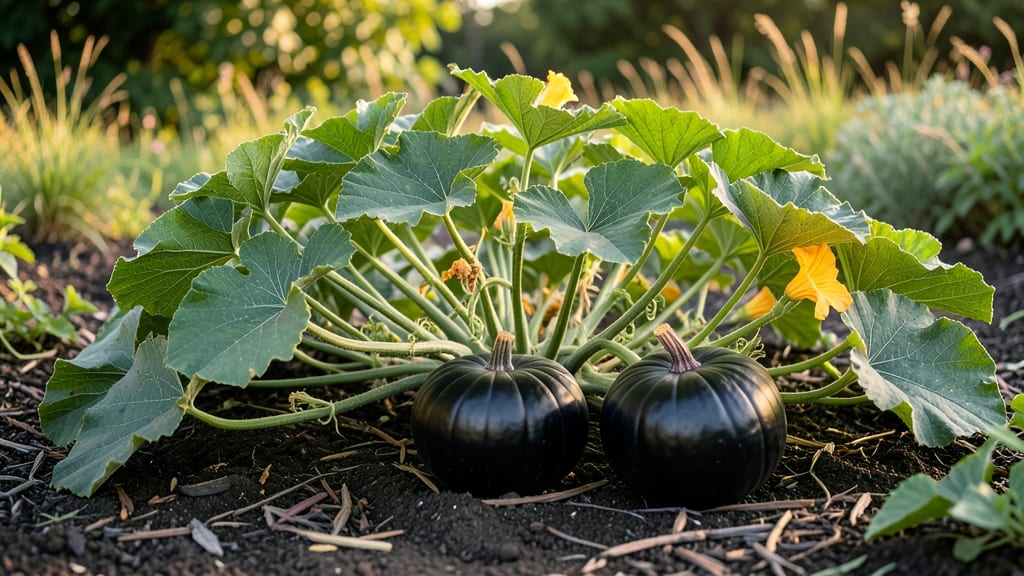
Growing real black pumpkins transforms your garden into a Halloween masterpiece that keeps coming back year after year. ✨ These aren't painted or dyed—they're the real deal, with deep ebony skin and sweet, nutritious flesh that's perfect for carving or cooking.
I've grown them for three seasons now, and the first time I pulled a perfectly black pumpkin from the vine, I knew I'd never go back to orange varieties again.
The secret to their success lies in patience and the right conditions: rich, well-draining soil, full sun, and consistent moisture. They take about 90-100 days to mature, so start seeds indoors 4-6 weeks before your last frost date.
These pumpkins grow on vines that spread 10-15 feet, so give them plenty of space or plan to trellis them if you're working with limited room.
By harvest time, you'll have stunning, uniform black pumpkins that weigh 5-10 pounds each—ideal for carving or baking. The vines themselves are hardy and often regrow from the roots if you leave some in the ground over winter, giving you a head start next season.
Plus, they're less prone to common pumpkin diseases than lighter varieties, making them a low-maintenance showstopper.
Perfect for gardeners who love unique varieties and want a pumpkin that stands out at every fall gathering. Whether you're growing for display, cooking, or both, these dark jewels deliver year after year with minimal extra effort. Let's get those seeds started!
📚 In This Guide
- What you need
- Instructions
- Tips and common mistakes
- Wrapping up and next steps
What you need
- ● Seeds: Certified organic Cucurbita pepo "Black Beauty" or "Black Diamond" pumpkin seeds (10–15 seeds per plant; buy 3–5 seeds per plant if starting indoors).
- ○ Growing Containers (Optional but Helpful): 5-gallon fabric pots or large nursery pots (1–2 per plant) with drainage holes.
- ● OR Direct-sow in well-draining garden beds (full sun, 6+ hours/day).
- ● Soil: Rich, well-draining potting mix or garden soil amended with: Compost (50% of mix).
- ● Perlite or vermiculite (20%) for aeration.
- ● Balanced organic fertilizer (5-5-5 or 10-10-10, 1 tbsp per plant).
- ● Support Structures: Trellis or sturdy stakes (6–8 ft tall) for vining varieties.
- ● Or let them sprawl (they’ll need 10+ ft of space!).
- ● Watering Supplies: Drip irrigation or watering can with a long spout.
- ● Mulch (straw or black plastic) to retain moisture.
- ● Tools: Garden trowel or transplanting spade.
- ● Pruning shears (for trimming vines if needed).
- ○ Gloves (optional but recommended—pumpkin vines can be thorny!).
- ● Climate: Grow in USDA Zones 3–11. Start seeds indoors 4–6 weeks before last frost or direct-sow after soil reaches 70°F+.
- ● Space: Allocate 10–15 sq ft per plant (or more if growing large fruits).
- ● Patience: Black pumpkins take 90–120 days to mature—plan accordingly!
- ○ Optional Extras: Row covers (to protect from pests early on).
- ● Epsom salt (1 tbsp per gallon of water) for magnesium boosts.
- ● Black plastic mulch (speeds up soil warming).
How to grow real black pumpkins: a year-round harvest
These rare, velvety-black pumpkins aren't just stunning—they'll reward you with multiple harvests if you follow this simple method.
🌱 Step 1: Select and Prepare Your Growing Site
Black pumpkins thrive in full sun with at least 6-8 hours of direct light daily. Choose a spot where vines can spread freely—these plants need 15-20 feet of growing space per plant. I always test the soil first with a simple pH kit; black pumpkins prefer slightly acidic soil between 6.0-6.8 pH. If your soil tests higher, amend with peat moss or sulfur.
Here's the thing—black pumpkins are sensitive to cold. Wait until after your last frost date when soil temperatures reach 70°F or warmer. You'll know it's ready when the soil feels warm to the touch at a depth of 6 inches. If you're in a cooler climate, consider using black plastic mulch to warm the soil faster and extend the growing season.
🪴 Step 2: Plant Seeds or Transplants at the Right Time
Start seeds indoors 4-6 weeks before your last frost if you want a head start, but I've found black pumpkin seeds germinate best when planted directly outside after all danger of frost has passed. Plant 2-3 seeds per hole, about 1 inch deep, with holes spaced 3-4 feet apart. These seeds are large, so handle them gently—they bruise easily.
Thin seedlings to the strongest plant per spot once they develop 2-3 true leaves. You'll see the strongest seedling by its thick stem and vibrant green leaves. Don't rush this step—wait until seedlings are at least 4 inches tall before removing weaker ones. The reason we wait is that black pumpkins establish slowly, and removing competition early ensures better root development.
☀️ Step 3: Provide Consistent Care for Healthy Vines
Water deeply 2-3 times per week, aiming for 1-2 inches of water per week. Black pumpkins have shallow roots, so they need consistent moisture—especially during flowering when vines are most vulnerable to stress. You'll know you're watering correctly when the soil feels damp 2 inches below the surface.
Feed vines with a balanced fertilizer (10-10-10) when flowers appear, then switch to a low-nitrogen (5-10-10) formula once fruits form. Too much nitrogen now will produce lots of leaves but few pumpkins. Watch for powdery mildew on leaves—this is common with black pumpkins. If you see white powder, spray with neem oil immediately to prevent spread.
⏰ Step 4: Harvest and Save Seeds for Next Year
Black pumpkins are ready to harvest when their rinds harden and the stem begins to dry out. This typically happens 90-110 days after planting, but don't rush—wait until the pumpkin feels heavy for its size. Cut stems with 2-3 inches of vine attached using clean pruners to prevent disease entry.
Here's where it gets magical: these pumpkins regrow easily from seeds. Save seeds by scooping them out of a mature pumpkin, rinsing them clean, and drying them in a warm, dry place for 1-2 weeks. Store in a cool, dark place for up to 3 years. I always label my seed packets with the year and variety—next season's harvest will be even more impressive with fresh seeds.
Tips & tricks for growing stunning black pumpkins
These simple strategies will help you grow the most impressive black pumpkins you've ever seen—and avoid the common pitfalls that ruin harvests.
Sunlight Strategy: While 6-8 hours of sunlight is the minimum, I've found black pumpkins actually thrive with 8-10 hours of direct light, especially during their flowering stage. Position your plants to capture morning sun and afternoon shade if your climate gets extremely hot—this prevents sun scorch on the dark rinds. I always check the sunniest spot in my garden with a solar tracker app to ensure maximum light exposure.
Soil Temperature Secret: The 70°F soil temperature requirement isn't just about frost—it's about microbial activity. Warmer soil means better nutrient uptake and faster germination. In cooler climates, I use clear plastic mulch instead of black to actually increase soil temperature while still allowing light through. You'll see seedlings emerge 3-4 days faster with this trick, and the vines establish stronger roots from the start.
Thinning Technique: When thinning seedlings in Step 2, I wait until they're 4-5 inches tall rather than the minimum 4 inches. The extra height gives you better leverage to pull weaker seedlings without disturbing the roots of the stronger plant. I also use small pruning shears for the final cut to prevent tearing—this reduces stress on the remaining plant and gives it a cleaner start.
Harvesting Hack: For the 90-110 day harvest window, I mark planting dates on my calendar and then check pumpkins every 3 days starting at day 90. The key is to harvest when the stem begins to shrivel but before it completely dries out. I test readiness by gently tapping the pumpkin—it should sound hollow when ripe. This timing ensures you get the perfect balance of firmness and seed maturity.
Pro Tips for Real Black Pumpkins
- These simple strategies will help you grow the most impressive black pumpkins you've ever seen—and avoid the common pitfalls that ruin harvests.
- Sunlight Strategy: While 6-8 hours of sunlight is the minimum, I've found black pumpkins actually thrive with 8-10 hours of direct light, especially during their flowering stage.
- Soil Temperature Secret: The 70°F soil temperature requirement isn't just about frost—it's about microbial activity.
Frequently asked questions
Got questions about growing real black pumpkins? You’re not alone—these striking, heirloom gems have a few quirks! Here are the answers to the most common curiosities, from planting to harvest troubleshooting.
Are real black pumpkins the same as black beauty pumpkins?
Not quite! While Cucurbita pepo varieties like Black Beauty are dark green with black stripes, true black pumpkins (like Cucurbita moschata ‘Heirloom Black’) are deep charcoal, almost jet-black when fully ripe. The color comes from thick, waxy skin that absorbs light differently.
How long does it take for real black pumpkins to mature?
Expect a 90–120 day growing season from seed to harvest—longer than typical pumpkins! Plant seeds after the last frost in warm soil (70°F+), and provide full sun (6+ hours/day). Pro tip: If your summer is short, opt for transplants (4–6 weeks old) for a head start.
Why aren’t my black pumpkins turning dark? What’s wrong?
Black pumpkins need full sun and time to develop their signature color. If they’re staying greenish-gray, check for:
- Shade issues: Move to a sunnier spot ASAP.
- Nutrient deficiency: Amend soil with compost or a balanced fertilizer (10-10-10).
- Immature fruit: Wait until late fall—color deepens as sugars concentrate.
Patience is key! Even ripe ones may look dull until fully cured.
Can I save seeds from real black pumpkins to replant?
Black pumpkins are open-pollinated, so seeds will true to type (produce black pumpkins again). Clean and dry seeds thoroughly before storing in a cool, dark place. Pro tip: Label varieties—some heirlooms can cross-pollinate with other squash!
Are real black pumpkins edible? How do they taste?
Yes! Their dense, sweet flesh is perfect for pies, soups, or roasting—think butternut squash with a smoky depth. The skin is edible but tough; peel if preferred. Warning: Immature pumpkins can be bitter, so wait until rind is hard and color is consistently dark.
Do real black pumpkins regrow easily from scraps?
Not like green pumpkins! While you can attempt to regrow them from seeds (see above), the flesh itself won’t regrow reliably. Save seeds instead—these pumpkins are prized for their perennial-like resilience in the garden, not kitchen counter tricks.
Wrapping up and next steps
Growing real black pumpkins is a rewarding journey that blends creativity, patience, and a touch of magic—especially when you discover their regrowing potential! These striking, heirloom gems aren’t just a feast for the eyes; they’re a sustainable addition to your garden that keeps giving.
Whether you’re drawn to their dark, velvety allure or their versatile culinary uses, you’re now equipped with everything you need to cultivate success.
Ready to harvest your own? Start by saving seeds from your first pumpkin—because the best adventures begin with a single step. Happy growing! 🌱✨