
Vegetables
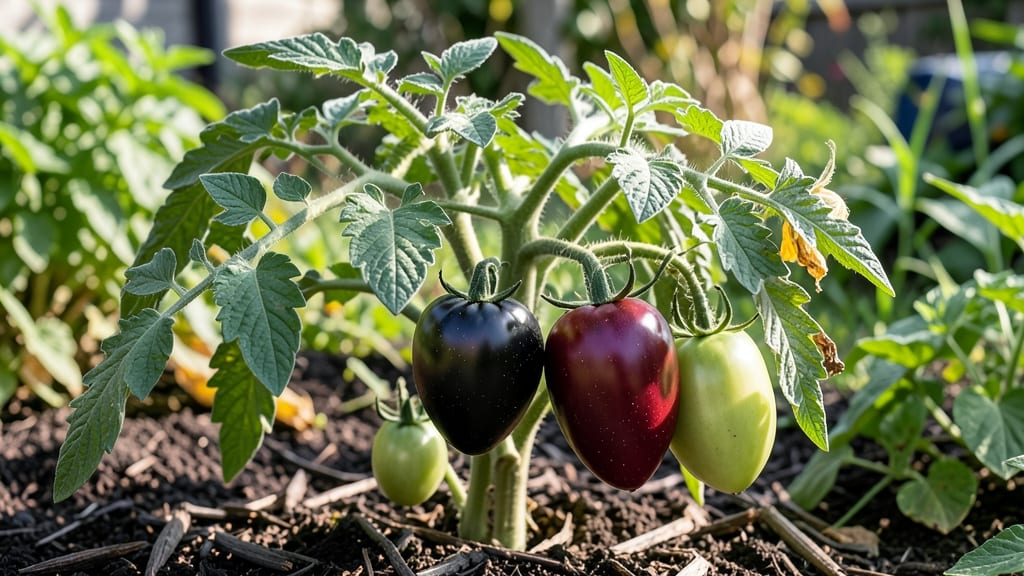
Growing True Black Brandywine tomatoes means your garden will taste like summer even in cooler climates. 🌿 These cold-hardy heirlooms produce rich, deep-purple fruits that burst with old-fashioned tomato flavor—sweet, smoky, and complex—far beyond store-bought varieties. The key?
Treating them like the indeterminate vines they are, with proper support and seasonal care. Unlike most tomatoes, these thrive in zones 3-10, often producing fruit even in short seasons.
Start seeds indoors 8-10 weeks before last frost, then transplant into full sun (6+ hours daily) with well-draining soil amended with compost. Give them 18-24 inches of vertical space—they’ll climb like crazy—and stake or cage them early to avoid flopping.
The payoff? Heirloom-quality tomatoes that keep producing until frost, with flavors so intense they’ll make you question why you ever bought grocery-store tomatoes. Prune regularly to focus energy on fruit, and watch those 2-pound beauties ripen to a glossy, near-black sheen.
For best results, mulch heavily to retain moisture and protect roots from temperature swings. And here’s the secret: Let a few fruits overripe on the vine—their flavor peaks when fully softened, and the sugar content skyrockets. Once you taste one, you’ll never go back.
📚 In This Guide
- What you need
- Instructions
- Tips and common mistakes
- Wrapping up and next steps
What you need
- ● Seeds: 5–10 True Black Brandywine tomato seeds (heirloom, non-GMO, cold-hardy variety).
- ● Containers or Garden Bed: Option 1: 5-gallon pots or fabric grow bags (1–2 per plant).
- ● Option 2: Raised beds or in-ground plots (12–18" spacing between plants).
- ● Potting Mix: 2–3 bags of high-quality, well-draining organic potting mix (or compost + perlite/sand blend for DIY).
- ● Fertilizer: Balanced organic fertilizer (e.g., 5-5-5 or compost tea).
- ○ Slow-release tomato fertilizer (optional but recommended for heavy feeders).
- ● Support System: Cages (6’ tall) or stakes + twine for indeterminate vines.
- ● Mulch: Straw, grass clippings, or shredded leaves (to retain moisture and suppress weeds).
- ● Watering Supplies: Drip irrigation or a watering can with a long spout (avoid overhead watering).
- ● Row covers or frost blankets (for early/late-season protection).
- ● Pruning shears (for managing vines and suckers).
- ● pH test kit (ideal soil pH: 6.0–6.8 for tomatoes).
- ● Epsom salt (magnesium sulfate) for blossom-end rot prevention.
- ● Companion plants (basil, marigolds, or nasturtiums to deter pests).
Step-by-Step revival of True Black Brandywine tomatoes
Here's how I bring these legendary heirlooms back year after year—even in cooler climates.
🌱 Step 1: Select and Prepare Healthy Seedlings
Start with certified organic True Black Brandywine seeds or purchase disease-free nursery starts by late spring. These tomatoes thrive when given a strong beginning, so I always choose plants with deep green, wrinkle-free leaves and thick stems. Avoid any with yellowing or spotted foliage—those plants will struggle from the start.
If starting from seed, sow indoors 8-10 weeks before your last frost date in sterile seed-starting mix. Keep soil consistently moist at 70-75°F until germination, which typically occurs in 7-14 days. True Black Brandywine seeds are notorious for slow starts, so patience is key. Once seedlings emerge, provide 14-16 hours of bright light daily to prevent leggy growth.
☀️ Step 2: Plant in Rich, Well-Draining Soil
Choose a location with full sun exposure—at least 8 hours daily—and soil that drains well but retains moisture. True Black Brandywine tomatoes hate soggy roots, so amend heavy clay with compost and perlite to improve aeration. I dig in 2-3 inches of compost at planting time to give the plants a nutrient boost right away.
Plant seedlings deeply, burying two-thirds of the stem to encourage strong root development. Space plants 3-4 feet apart in all directions—these tomatoes grow large and sprawling. Water deeply after planting to settle the soil and remove any remaining seedling pots or tags to prevent disease entry points.
💧 Step 3: Water and Fertilize for Maximum Fruit Production
Water deeply at the base every 2-3 days, ensuring the top 6 inches of soil stays moist but not waterlogged. True Black Brandywine tomatoes are sensitive to blight, so avoid overhead watering once plants reach 12 inches tall. Instead, use a soaker hose or drip irrigation to deliver water directly to the roots.
Feed plants every 2 weeks with a balanced organic fertilizer (like 5-5-5) during the growing season. When flowers appear, switch to a low-nitrogen, high-phosphorus formula (like 3-4-6) to encourage fruit set. I also top-dress with compost tea monthly to boost microbial activity in the soil—this makes a noticeable difference in fruit quality.
✂️ Step 4: Prune and Support for Cold-Hardy Growth
Install sturdy cages or stakes at planting to support the vines as they grow. True Black Brandywine tomatoes can reach 6 feet tall and produce 10-pound fruits, so proper support prevents broken stems. Prune suckers (the small shoots that grow between the main stem and branches) weekly to redirect energy into fruit production rather than foliage.
Remove any yellow or diseased leaves immediately to improve air circulation. In cooler climates, I also mulch heavily with straw or shredded leaves to protect roots from temperature fluctuations. This helps the plants establish deeper roots, making them more cold-tolerant and resilient for perennial revival.
🍅 Step 5: Harvest and Preserve for Next Year
Harvest fruits when they reach full color and slight softness—usually 70-85 days after transplanting. True Black Brandywine tomatoes ripen unevenly, so check plants every 2-3 days in late summer. Use a sharp knife or pruners to avoid damaging the vine, and handle fruits gently to prevent bruising.
For perennial revival, allow 2-3 of the healthiest plants to mature fully on the vine. Once frost threatens, prune back the vines to 6 inches tall, leaving 3-4 strong stems. Mulch heavily and cover with straw or row fabric to protect through winter. In spring, new shoots will emerge from the roots, giving you a head start on the next season.
Tips & tricks for perfecting True Black Brandywine tomatoes
These hard-won insights will help you coax the most from your legendary heirlooms—especially in challenging growing conditions.
Seed Starting Strategy: True Black Brandywine seeds are notorious for their slow germination. I've found that pre-soaking seeds in warm water for 8-12 hours before planting increases germination rates dramatically. Use a heat mat set to 75°F during germination—this matches the seeds' natural tropical origins and helps compensate for cooler climates. Place a clear plastic dome or bag over the seed tray to create a humid microclimate, then remove it once sprouts appear to prevent damping off.
Soil Preparation Secret: The 2-3 inches of compost mentioned in Step 2 is non-negotiable, but here's what nobody tells you: mix in a handful of mycorrhizal fungi with the compost. These beneficial soil organisms form symbiotic relationships with tomato roots, dramatically improving nutrient and water uptake. I purchase mycorrhizal inoculant powder and sprinkle it directly into the planting hole at transplant time—you'll notice stronger vines and larger fruits by mid-season.
Cold-Climate Adaptation: In cooler regions, extend the growing season by using black plastic mulch around plants after transplanting. This raises soil temperatures by 5-10°F, accelerating early growth and allowing for earlier planting. I also install a low tunnel made from PVC pipes and row fabric over the plants in early spring and late fall. This creates a microclimate that can extend your harvest window by 3-4 weeks at both ends of the season.
Blossom End Rot Prevention: This common problem appears when calcium uptake is inconsistent, often due to uneven watering. Maintain consistent moisture by watering at the same time each day (early morning is ideal) and using a moisture meter to verify the top 6 inches of soil stays consistently damp. I also add crushed eggshells to the planting hole—this provides a slow-release calcium source that helps prevent the disorder entirely. Just make sure to sterilize the eggshells by baking them for 10 minutes at 200°F first.
Pro Tips for True Black Brandywine Tomato
- These hard-won insights will help you coax the most from your legendary heirlooms—especially in challenging growing conditions.
- Seed Starting Strategy: True Black Brandywine seeds are notorious for their slow germination.
- Soil Preparation Secret: The 2-3 inches of compost mentioned in Step 2 is non-negotiable, but here's what nobody tells you: mix in a handful of mycorrhizal fungi with the compost.
Frequently asked questions
Got questions about growing True Black Brandywine tomatoes? You’re not alone! This heirloom variety is stunning but can be tricky—here’s what you need to know to succeed.
How cold-hardy is the True Black Brandywine tomato?
The True Black Brandywine is one of the few perennial tomato varieties that can survive mild winters in USDA Zones 7-10 with proper care. In colder zones (6 or lower), treat it as an annual or use row covers. Mulch heavily in fall to protect roots from frost.
When should I plant True Black Brandywine seeds indoors vs. outdoors?
Start seeds 6-8 weeks before your last frost date indoors under grow lights (70-80°F soil temp). Transplant seedlings outdoors after soil warms to 60°F+ and night temps stay above 50°F. Avoid early planting—cold soil stunts growth.
Why are my Black Brandywine tomatoes cracking?
Cracking usually happens due to inconsistent watering (too much after drought stress) or over-fertilizing with nitrogen. Keep soil evenly moist (not soggy) and reduce water slightly as fruits ripen. Mulch helps regulate moisture.
Can I grow True Black Brandywine in containers?
Yes! Use a 5-gallon+ container with well-draining soil and stake for support. Choose a large fabric pot for better root health. Place in full sun (6+ hours) and fertilize weekly with tomato-specific feed. Dwarf varieties thrive in containers, but vines may need pruning.
What’s the best way to store harvested Black Brandywine tomatoes?
These tomatoes don’t store well—they’re best eaten fresh within 3-5 days. For short-term storage, keep them at room temp, out of direct sun. Avoid refrigeration (it ruins flavor). If you must store longer, ferment or can them!
Wrapping up and next steps
Growing True Black Brandywine tomatoes isn’t just about adding a stunning heirloom variety to your garden—it’s about reviving a cold-hardy perennial treasure that thrives with patience and care. 🌱 Whether you’re a seasoned gardener or a curious beginner, these revival secrets will help you cultivate rich, flavorful fruits that outshine store-bought tomatoes.
Now that you’re armed with the right materials, answers to common questions, and expert tips, it’s time to roll up your sleeves and get planting!
Your next step? Start small—pick a sunny spot, prep the soil, and plant your first seeds or tubers this season. Before you know it, you’ll be harvesting those deep purple-black beauties and sharing them with friends (or saving seeds for next year!). Happy growing! 🌿