
Vegetables
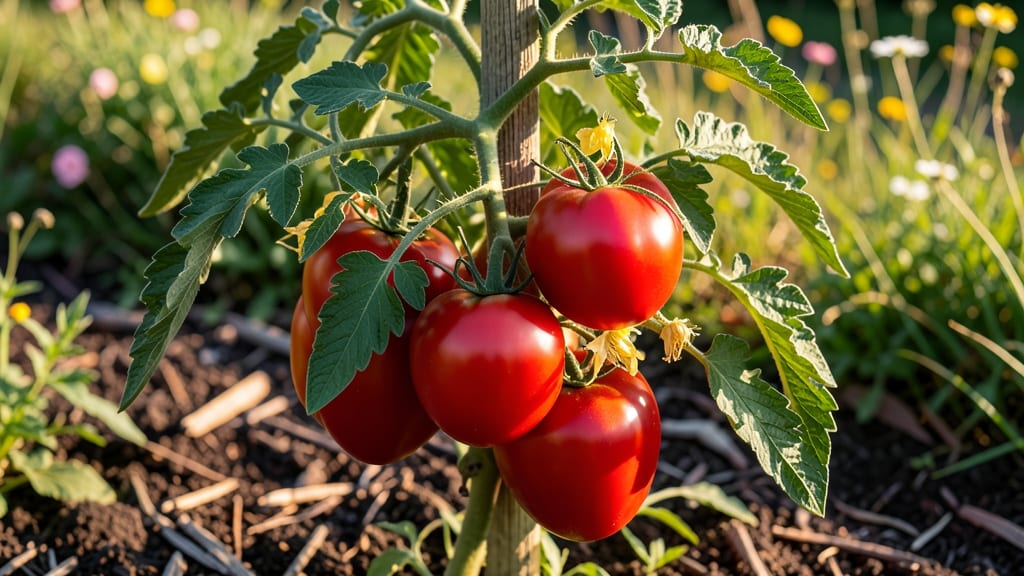
Growing red beefsteak heirloom tomatoes means sinking your teeth into juicy, 1-pound fruits with that classic striped blush. 🌱 I’ve grown this variety for years, and the secret to their legendary size and flavor isn’t luck—it’s matching their needs with the right soil, sunlight, and support from day one.
These tomatoes thrive in full sun (6-8 hours daily) and well-draining soil with a pH of 6.0-6.8. Plant them after your last frost date, spacing seedlings 24-36 inches apart, and stake them early to prevent sprawl. The key to those bold stripes and meaty texture?
Consistent moisture and balanced fertilizer—never let them dry out or drown. By 60 days after transplanting, you’ll be harvesting tomatoes so heavy they’ll bend the vines. The flavor? Sweet, rich, and complex—perfect for slicing, sauces, or stuffing.
Just watch for early blight and hornworms, which love these giants as much as you will. Whether you’re a first-time grower or a seasoned tomato lover, this variety delivers restaurant-quality results with minimal fuss. Let’s get those seeds in the ground!
📚 In This Guide
- What you need
- Instructions
- Tips and common mistakes
- Wrapping up and next steps
What you need
- ● Seeds or seedlings: 3–5 red beefsteak heirloom tomato seeds (or young plants, if starting from nursery stock). Choose organic or heirloom-certified seeds for best results.
- ● Growing containers or garden bed: Containers: 5-gallon pots or larger (at least 12" deep) with drainage holes. Quantity: 1 per plant.
- ● Garden bed: Full sun (6–8+ hours daily) with well-draining soil. Space plants 24–36 inches apart.
- ● High-quality potting mix: 1–2 bags of organic, nutrient-rich soil (or a blend of compost, coconut coir, and perlite for containers).
- ● Fertilizer: Starting mix: Balanced 10-10-10 or compost tea to jumpstart growth.
- ● Growth booster: Tomato-specific fertilizer (high in phosphorus/potassium, like 5-10-10) or worm castings.
- ● Support system: Cages: 5–6 ft tall tomato cages (sturdy metal or wooden). Quantity: 1 per plant.
- ● Trellis/stakes: 6–8 ft bamboo stakes or wooden posts + soft garden twine (for indeterminate varieties).
- ● Mulch: Straw, shredded leaves, or black plastic mulch (to retain moisture and suppress weeds).
- ● Basic tools: Trowel, pruning shears, watering can (or hose with gentle nozzle), and gloves.
- ● Pruning tools: Sharp bypass pruners (to remove suckers and diseased leaves).
- ● Soil amendments: Epsom salt (for magnesium boost), crushed eggshells (calcium), or fish emulsion (organic nitrogen).
- ● Pest control: Neem oil, insecticidal soap, or row covers (to deter pests like hornworms or aphids).
- ● Harvest aids: Small knife or scissors (for clean cuts) and a basket or container for your heirloom haul!
Step-by-Step instructions for growing red beefsteak heirloom tomatoes
Here’s how to coax those legendary 1-pound striped beauties from seed to vine—no shortcuts, just reliable results.
🌱 Step 1: Start Seeds Indoors for Early Vigorous Growth
Sow seeds 6-8 weeks before your last frost date in biodegradable pots filled with sterile seed-starting mix. Press each seed just below the soil surface—no deeper than ¼ inch—or germination slows. I use a humidity dome to trap warmth and moisture, keeping soil at 75-85°F for fastest sprouting.
Expect seedlings in 7-14 days, but don’t rush to water once they emerge. Overhead moisture spreads damping-off disease. Instead, water from below by setting pots in a shallow tray of water for 10 minutes—roots will drink up what they need.
☀️ Step 2: Harden Off and Transplant for Strong Starts
Two weeks before transplanting, move seedlings outside for 2-3 hours daily in partial shade. Gradually increase exposure to full sun and wind over 7-10 days. This toughens stems so they don’t snap under heavy fruit later. Choose a cloudy day to transplant—less stress on delicate roots.
Dig holes twice as wide as the root ball but only as deep. Bury stems up to the first set of true leaves—this encourages stronger root systems. Space plants 24-36 inches apart in rows 3 feet apart for airflow and sunlight penetration.
🪴 Step 3: Install Sturdy Support and Prune for Maximum Yield
Install 5-foot tall cages or stakes immediately after transplanting. Beefsteaks need support for their weight—waiting until vines sprawl leads to broken stems. I use wooden stakes with spiral ties to gently guide vines upward without constricting growth.
Pinch off suckers (the shoots that form in the leaf axils) when they’re 3-4 inches long. This redirects energy to fruit production instead of leafy growth. Remove lower leaves up to 12 inches from the ground to improve airflow and prevent soil-borne diseases.
💧 Step 4: Water Deeply and Feed for Heavy Fruit Set
Water at the base 1-2 inches per week, aiming for deep, infrequent soakings. Drip irrigation or soaker hoses keep foliage dry, reducing fungal risks. Let the top 2 inches of soil dry between waterings—consistent moisture prevents blossom-end rot.
Fertilize when flowers appear with a balanced 10-10-10 formula or compost tea. Beefsteaks are heavy feeders—stop fertilizing 4-6 weeks before harvest to let sugars concentrate in the fruit. I add a handful of worm castings to the soil monthly for steady nutrition.
✂️ Step 5: Harvest at Peak Ripeness for Best Flavor
Pick tomatoes when they’re fully colored with a slight give when gently squeezed. The bold red stripes should be deep and unbroken. Use pruning shears to cut stems cleanly—this prevents disease entry and encourages more fruit to set.
Store harvested tomatoes at 55-65°F and use within 5-7 days for peak flavor. Don’t refrigerate until fully ripe—cold temperatures destroy their texture and taste. I save seeds from the best specimens to plant next year’s heirloom crop.
Tips & tricks for growing bold striped heirloom tomatoes
These pro insights will help you grow beefsteak tomatoes that rival the market—without the shortcuts that lead to floppy vines and cracked fruit.
Soil Temperature Secret: Those 75-85°F soil temps in Step 1 aren't just ideal—they're critical. Use a soil thermometer to verify warmth before sowing. If your basement stays cool, set pots on a heating mat or nest them in a warm spot like above your fridge. Cold soil delays germination by days, and we're racing against that 6-8 week window before last frost!
Harden Off Like a Pro: The gradual 2-3 hours to full sun transition in Step 2 is where most beginners fail. I take it a step further by adding a fan on low to simulate wind stress—this toughens stems even more. Watch for leaves curling slightly at the edges; that's your cue they're ready for the next longer session outside.
Support System Strategy: That 5-foot tall cage in Step 3 isn't just decoration—it's insurance. Install it immediately after transplanting, even if your plants look tiny. I've seen beefsteaks reach 2 pounds each when properly supported, while unsupported plants struggle with 1-pound fruits. Use soft plant ties that won't cut into stems as vines thicken.
Fertilizer Timing: The 4-6 week pause before harvest in Step 4 is non-negotiable for flavor concentration. But here's what nobody tells you—switch to a lower-nitrogen fertilizer (like 5-10-10) once flowers appear. Too much nitrogen after flowering sends energy to leaves instead of fruit development. I also mix in 1 tablespoon of Epsom salt monthly for magnesium boost, which beefsteaks crave.
Pro Tips for Red Beefsteak Heirloom Tomato
- These pro insights will help you grow beefsteak tomatoes that rival the market—without the shortcuts that lead to flo...
- Soil Temperature Secret: Those 75-85°F soil temps in Step 1 aren't just ideal—they're critical. Use a soil thermomete...
- Harden Off Like a Pro: The gradual 2-3 hours to full sun transition in Step 2 is where most beginners fail. I take it...
Frequently asked questions
Got questions about growing red beefsteak heirloom tomatoes? You’re not alone! Here are answers to the most common queries—from planting to harvest—so you can grow like a pro.
How deep should I plant red beefsteak tomato seeds?
Plant seeds ¼ inch deep in warm soil (70°F+). If transplanting seedlings, bury them deeper than their original pot—up to ⅔ of the stem—to encourage stronger roots. Just leave the top leaves above soil to avoid rot.
When is the best time to harvest red beefsteak tomatoes?
Harvest when tomatoes are fully colored, slightly soft to the touch, and fragrant—usually 60–85 days after transplanting. Pick them before the first frost (they’re frost-sensitive!). Use pruning shears to avoid damaging the plant.
Why are my beefsteak tomatoes cracking?
Cracking happens when tomatoes grow too fast (from inconsistent watering) or get uneven moisture. Water deeply 1–2 times weekly (morning is best) and mulch to retain soil moisture. Avoid overhead sprinklers to prevent splitting.
Can I grow red beefsteak tomatoes in containers?
Yes! Use a 5-gallon+ container with drainage holes and fill it with high-quality potting mix. Place in full sun (6+ hours/day) and stake or cage the plant for support. Just ensure the container stays stable—these tomatoes can get heavy!
How should I store harvested red beefsteak tomatoes?
Store at room temperature (not the fridge!) in a cool, dry, well-ventilated spot (like a pantry). Ripen unripe tomatoes by placing them in a paper bag with a banana for 2–3 days. Refrigerate only if fully ripe (texture softens).
Wrapping up and next steps
Growing red beefsteak heirloom tomatoes is a rewarding journey that delivers juicy, flavorful rewards in just 60 days! With the right support, soil, and care, you’ll enjoy a bountiful harvest that’s perfect for sandwiches, salads, and sauces. 🍅✨
Ready to dive in? Start by gathering your supplies, then follow the step-by-step guide to nurture these giants from seed to table. Your garden—and your taste buds—will thank you! Happy planting!