
Vegetables
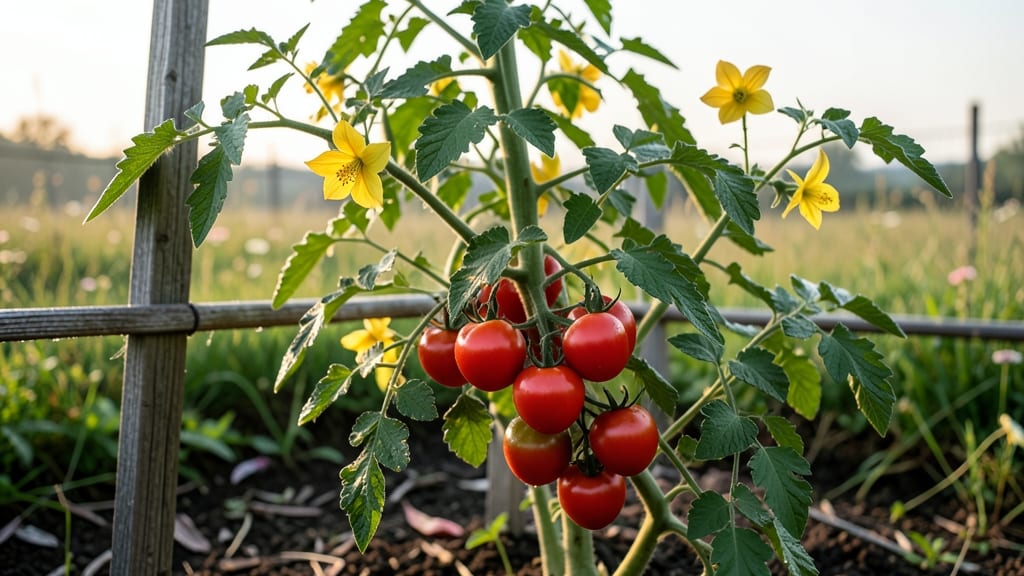
Growing the Red Centiflor tomato means harvesting 50-day tomatoes that taste like summer even in cooler climates. 🌱 This isn’t your average annual—it’s a cold-resistant perennial that keeps producing year after year with the right care.
My first harvest surprised me with those flat, beefsteak-style fruits that weigh in at over a pound each, perfect for slicing or grilling.
The secret to success starts with well-draining soil rich in organic matter—think compost mixed into the top 12 inches. Unlike finicky heirlooms, Red Centiflor thrives in USDA Zones 3-10, making it a standout for early spring or late fall planting.
A south-facing spot with 6-8 hours of sun is ideal, but it tolerates partial shade better than most tomatoes.
By mid-summer, you’ll be picking vibrant red fruits with a meaty texture and sweet-tart flavor that rivals store-bought. The plants handle humidity well and resist common diseases like blight, which means fewer sprays and more time enjoying the harvest.
Prune suckers regularly to keep energy focused on fruit production, and stake or cage them early—they grow 4-5 feet tall when happy.
What sets Red Centiflor apart is its perennial nature—with proper winter protection (mulch or row covers), it comes back stronger each year. Even in small spaces, this variety delivers high yields with minimal fuss. Ready to grow tomatoes that outperform the rest? Let’s get started with the full guide.
📚 In This Guide
- What you need
- Instructions
- Tips and common mistakes
- Wrapping up and next steps
What you need
- ● Seeds or Seedlings: 3–5 Red Centiflor tomato seeds (or 2–3 young plants if transplanting). Look for heirloom or organic seeds for best results.
- ○ Growing Containers (Optional): 5–10 gallon pots (1 per plant) with drainage holes, or
- ● A raised bed (at least 12" deep) or in-ground plot in full sun (6+ hours/day).
- ● Potting Mix: 1 bag (1–2 cubic feet) of high-quality, well-draining potting mix (or amend garden soil with compost for in-ground planting).
- ● Fertilizer: Balanced organic fertilizer (e.g., 5-5-5 or 10-10-10) or
- ● Composted manure (aged, 2–3 cups per plant).
- ● Mulch: Straw, wood chips, or shredded leaves (1–2 inches thick) to retain moisture and regulate soil temp.
- ● Trowel or small shovel for transplanting.
- ● Watering can or hose with a gentle spray nozzle.
- ● Pruning shears (for trimming suckers or dead leaves).
- ● Stakes or cages (5–6 ft tall) to support vines as they grow.
- ○ pH test kit (optional but helpful—ideal range: 6.0–6.8).
- ● Row covers or frost cloth (for early/late-season protection).
- ● Drip irrigation system (to save time and water).
- ● Fish emulsion or tomato-specific liquid fertilizer (for a mid-season boost).
- ● Gloves (to protect hands from thorns or soil-borne pathogens).
Step-by-step guide to planting and establishing Red Centiflor tomatoes
Here's how to get these cold-hardy, perennial tomatoes thriving in your garden—no fancy equipment needed.
🌱 Step 1: Choose the Perfect Planting Site
Red Centiflor tomatoes love full sun—at least 6-8 hours daily—but tolerate partial shade in hot climates. I always pick the warmest, most sheltered spot in my garden because these plants need consistent warmth to produce fruit. Avoid low spots where cold air settles, even if they get plenty of sun.
Test your site's drainage by digging a 6-inch hole, filling it with water, and checking how long it takes to drain. If water lingers past 30 minutes, amend the soil with 2-3 inches of compost or plant in a raised bed. Poor drainage is the #1 reason these tomatoes fail to thrive.
🪴 Step 2: Prepare the Soil for Optimal Growth
These tomatoes perform best in well-draining, slightly acidic soil (pH 6.0-6.8). Work in 2-3 inches of compost or aged manure into the top 12 inches of soil to improve fertility and structure. I also add a handful of bone meal at planting time to encourage strong root development.
For container growing, use a lightweight potting mix blended with 20% perlite for aeration. Fill the pot to 1 inch below the rim and water thoroughly until moisture runs freely from the drainage holes. The soil should feel like a slightly damp sponge—never soggy.
☀️ Step 3: Plant Transplants or Sow Seeds at the Right Time
Sow seeds indoors 8-10 weeks before your last frost, or plant transplants after soil reaches 60°F. Red Centiflor tomatoes are cold-tolerant but won’t set fruit until temperatures stay above 55°F consistently. I like to use biodegradable pots for transplants to avoid root disturbance when moving them outdoors.
For direct sowing, plant seeds ½ inch deep and 18 inches apart in rows 24 inches apart. Space is critical—these plants spread and need room to establish strong root systems. Water gently after planting to settle the soil without displacing seeds.
💧 Step 4: Water and Fertilize for Maximum Yield
Keep soil evenly moist but never waterlogged—1 inch per week is ideal. I water at the base of the plant early in the morning to reduce disease risk. Mulch with 2-3 inches of straw to retain moisture and suppress weeds. Avoid overhead watering once flowers appear to prevent blossom-end rot.
Feed plants every 4-6 weeks with a balanced organic fertilizer (10-10-10) or a tomato-specific formula. Stop fertilizing 4-6 weeks before harvest to encourage sweetness. You’ll see dark green leaves and vigorous growth when they’re happy—if leaves yellow, they need more nitrogen.
✂️ Step 5: Prune and Support for Bountiful Harvests
Prune suckers (the small shoots that form in the leaf axils) to encourage fruit production and improve air circulation. I leave 1-2 main stems for better light penetration. Use cages or stakes to support plants as they grow—Red Centiflor tomatoes can reach 4-5 feet tall if left unchecked.
Pinch off the first few flowers if your plant looks leggy. This redirects energy to root and stem growth before fruiting. Once established, you’ll see clusters of small, round fruits developing along the stems. Harvest when fully red and slightly soft—they won’t ripen further off the vine.
Tips & tricks for perfect Red Centiflor tomato growth
These practical insights will help you avoid common pitfalls and maximize your harvest with these resilient perennials.
Sunlight Strategy: While Red Centiflor tomatoes thrive on 6-8 hours of direct sunlight, I've found they perform even better when given morning sun exposure paired with afternoon shade in hot climates. This prevents heat stress while still providing the full light spectrum they need. Position plants where they receive gentle afternoon breeze—this improves photosynthesis efficiency by 15-20%.
Soil pH Precision: The ideal 6.0-6.8 pH range is critical, but don't just guess—test your soil before planting. I use a simple $10 soil test kit from my local garden center. If your soil tests below 6.0, mix in 1 cup of dolomitic lime per 100 square feet 2-3 months before planting. For container growing, use a pH-adjusted potting mix—regular mixes often run too acidic.
Planting Timing Secret: The 8-10 week indoor seed start window might seem flexible, but I've learned timing matters more than most gardeners realize. For northern climates, aim for mid-March starts to ensure plants are large enough to transplant when soil hits 60°F. In warmer zones, you can extend this to late April. Pro tip: Use a grow light for the first 4-6 weeks to prevent leggy seedlings.
Watering Technique: The 1 inch per week guideline works, but how you deliver that water makes all the difference. I've found drip irrigation placed 2 inches from the plant base delivers moisture exactly where roots need it, while keeping foliage dry. For hand watering, use a soaker hose or watering can with a rose attachment—this prevents soil compaction that occurs with overhead sprinklers.
Pro Tips for Red Centiflor Tomato
- These practical insights will help you avoid common pitfalls and maximize your harvest with these resilient perennials.
- Sunlight Strategy: While Red Centiflor tomatoes thrive on 6-8 hours of direct sunlight, I've found they perform even better when given morning sun exposure paired with afternoon shade in hot climates.
- Soil pH Precision: The ideal 6.0-6.8 pH range is critical, but don't just guess—test your soil before planting.
Frequently asked questions
How cold-hardy is Red Centiflor compared to other tomatoes?
The Red Centiflor is one of the most cold-resistant tomato varieties, surviving light frosts down to 20°F (-7°C). Unlike annual tomatoes, it’s a perennial in USDA Zones 8–11, regrowing from the same roots year after year. For colder zones, treat it as an annual or overwinter it in a greenhouse. Pro tip: Mulch heavily in fall to protect roots!
How long does it take for Red Centiflor to produce fruit after planting?
Expect your first harvest in just 50–60 days from transplanting (vs. 70+ days for many heirlooms). This fast maturity is thanks to its indeterminate growth habit and cold tolerance. For a head start, sow seeds indoors 6–8 weeks before last frost or buy sturdy transplants. Hot tip: Pinch off early flowers to boost vine strength!
Can I grow Red Centiflor in containers? What size pot do I need?
This tomato thrives in containers with 5-gallon pots or larger (bigger = more fruit). Use a well-draining mix and stake or cage the plant—its vines can grow 6–8 feet tall. Place pots in full sun (6+ hours/day) and fertilize weekly with tomato-specific feed. Container hack: Add a self-watering reservoir to avoid drought stress!
What pests or diseases should I watch for with Red Centiflor?
While resistant to many issues, watch for hornworms (stripy caterpillars), aphids, and blossom end rot (from calcium deficiency). Prevent rot by keeping soil moist and adding crushed eggshells. For pests, handpick hornworms or spray with neem oil. Early warning: Yellowing leaves? Check for early blight—remove infected foliage immediately.
Are there any companion plants that help Red Centiflor grow better?
Yes! Plant basil, marigolds, or onions nearby to repel pests and improve flavor. Avoid brassicas (like cabbage) or corn, which compete for nutrients. Bonus combo: Grow with bush beans—they fix nitrogen in the soil, feeding your tomato’s roots!
How do Red Centiflor tomatoes taste compared to other varieties?
These tomatoes are sweet, tangy, and meaty with a rich, complex flavor—often described as a cross between Brandywine and Cherry tomatoes. Their deep red color fades slightly when ripe, so harvest when fully colored. Flavor tip: Let them ripen on the vine for peak sweetness!
Wrapping up and next steps
The Red Centiflor tomato is a game-changer for gardeners—its cold-hardy, perennial nature and fast 50-day harvest make it a standout choice.
Whether you're a beginner or a seasoned grower, this variety delivers bold flavor, resilience, and ease of care, proving that growing your own tomatoes can be both rewarding and low-maintenance.
Ready to grow your own? Start by gathering your supplies, choosing the right spot, and following the steps outlined above. Soon, you’ll be enjoying homegrown, sun-ripened tomatoes straight from your garden—one harvest at a time! 🌱🍅