
Vegetables
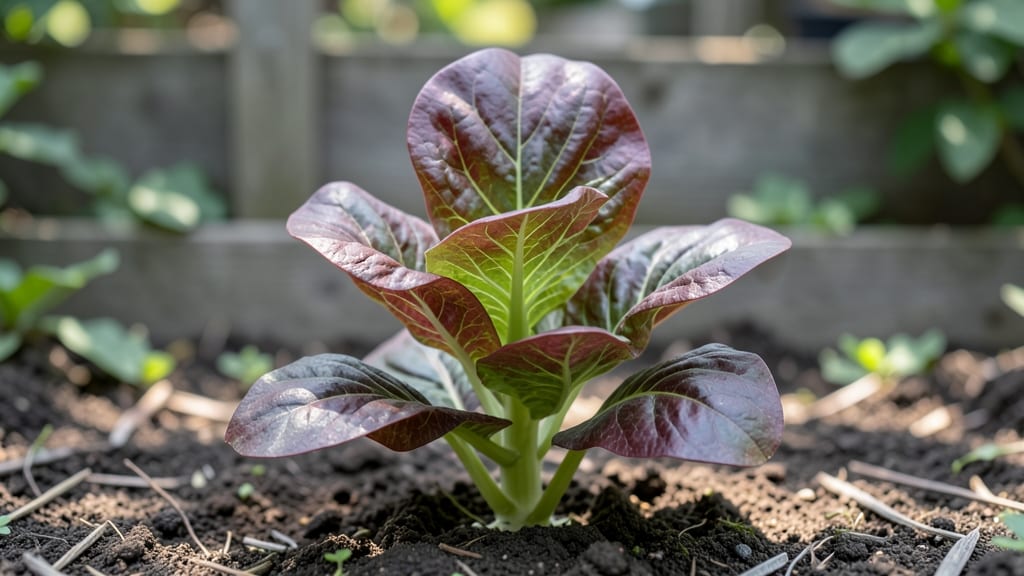
Growing Red Leaf Romaine transforms your garden into a year-round salad bar. 🌱 This cold-hardy perennial thrives where other lettuces bolt, giving you crisp greens from spring through fall—and even winter in mild climates.
I’ve grown it for three seasons now, and it’s become my go-to for fresh, bitter-free leaves that hold up in salads and sandwiches.
The secret lies in its resilience: it tolerates temperatures down to 20°F and doesn’t mind light frosts, making it perfect for early spring or late fall harvests. You’ll need well-draining soil, full sun to partial shade, and consistent moisture—but no soaking.
Start with transplants for faster results, or direct-sow seeds in early spring or late summer for a fall crop.
By midseason, you’ll be harvesting 6-8 inches of deep red-tinged leaves that stay crisp even after cutting. The flavor mellows as it matures, making it ideal for both raw salads and lightly cooked dishes. Plus, its ornamental value doesn’t hurt—those vibrant leaves add color to containers or garden beds.
Common hiccups? Bolting happens in heat, so provide afternoon shade in summer. Aphids might visit, but a strong spray of water usually sends them packing. With minimal fuss, this lettuce pays dividends in flavor and convenience—no more wilted store-bought greens!
📚 In This Guide
- What you need
- Instructions
- Tips and common mistakes
- Wrapping up and next steps
What you need
- ● Red Leaf Romaine Seeds – Choose Lactuca sativa ‘Red Leaf Romaine’ (cold-resistant variety). Quantity: 1 packet (100–200 seeds) for a small garden; 3–5 packets for larger harvests.
- ● Growing Containers or Garden Bed – Option 1: 12–18" deep containers (5–10" diameter per plant) for patio/balcony. Option 2: Well-draining soil in a raised bed or in-ground plot (6–12" deep).
- ● High-Quality Potting Mix or Garden Soil – Must: Lightweight, organic, and amended with compost (avoid clay-heavy soil). For containers: 1 bag (1–2 cubic feet) per 2–3 plants.
- ● Slow-Release Fertilizer – Recommended: Balanced organic fertilizer (e.g., 5-5-5 or 10-10-10) or compost tea. Application: Mix 1 tbsp per square foot of soil or follow label instructions.
- ○ Mulch – Optional but helpful: Straw or shredded leaves (1–2 inches) to retain moisture and protect roots in cold climates.
- ● Hand Trowel or Transplanter – For sowing seeds or transplanting seedlings.
- ● Watering Can or Hose with Gentle Nozzle – Keep soil consistently moist (not soggy).
- ○ Gloves (Optional) – Protect hands while handling soil or mulch.
- ● Cold Frame or Row Covers – For winter growing: Extend the season with frost cloth or a mini greenhouse.
- ● Sunlight Access – Must: 4–6 hours of direct sunlight daily (partial shade tolerates cooler climates).
Step-by-Step guide to growing Red Leaf Romaine as a cold-hardy perennial
This isn't your average annual lettuce—Red Leaf Romaine thrives through winter with the right approach.
🌱 Step 1: Select the Perfect Planting Site
Choose a location with partial shade during summer's peak heat (morning sun with afternoon relief) and full sun in cooler months. I've found that Red Leaf Romaine handles light frosts beautifully—it's the summer sun that causes bolting. Amend the soil with 2-3 inches of compost before planting to improve drainage, which is critical for preventing root rot in heavy clay soils.
Test your soil's pH—ideal range is 6.0-7.0. If yours is too acidic, mix in crushed limestone at planting. The key here is balance: too much sun scorches leaves, too little shade leads to leggy, weak growth. I always plant mine near a north-facing wall for natural winter protection.
☀️ Step 2: Plant at the Right Time and Depth
For perennial growth, plant in early spring or late summer when temperatures are below 75°F. Dig holes twice as wide as the root ball but only as deep—planting too deep smothers the crown. Space plants 12-15 inches apart to allow for leaf expansion and airflow, which prevents fungal diseases.
Water deeply immediately after planting to settle the soil around roots. You'll know it's right when the soil surface looks slightly firm but still crumbly. Mulch with 2-3 inches of straw to retain moisture and protect roots during winter. This isn't just about keeping plants alive—it's about setting them up to thrive through multiple harvests.
💧 Step 3: Master Watering for Winter Survival
Water deeply once weekly during active growth (spring/fall) but reduce to every 2-3 weeks in winter when growth slows. The goal is to keep soil consistently moist but not soggy—Red Leaf Romaine's roots are shallow and hate waterlogged conditions. I check moisture by pushing my finger 1 inch into the soil; if it feels dry, that's your watering cue.
Here's the thing—this lettuce actually tastes sweeter after light frosts. The cold triggers natural sugars to develop in the leaves. Just don't let the soil freeze solid; a thick mulch layer prevents that. In extreme winters, I add a lightweight row cover for added protection without smothering the plants.
✂️ Step 4: Harvest Strategically for Perennial Growth
Harvest outer leaves when they reach 4-6 inches tall, cutting just above a set of lower leaves. This encourages continuous production without stressing the plant. I always leave the inner leaves intact—they'll regrow quickly. For winter harvests, wait until mid-morning after frost lifts to ensure crisp, clean leaves.
Never cut more than one-third of the plant at once—this is a perennial, not an annual. The more you take, the less energy it has to survive winter. I've had plants in my garden for 3+ years with proper care, producing harvests well into late fall and early spring when most lettuces have bolted.
🌿 Step 5: Winterize for Next Season's Growth
After your final harvest of the season, cut back any damaged leaves and apply a 3-inch layer of straw mulch. This insulates roots from temperature swings. In late winter, before new growth appears, top-dress with 1/2 cup of 5-10-10 fertilizer per plant to replenish nutrients. The plant will reward you with fresh growth within 3-4 weeks of spring's arrival.
This is where most gardeners give up—assuming lettuce can't survive winter. But Red Leaf Romaine proves otherwise. With these steps, you'll have a self-sustaining perennial green machine that keeps producing long after other varieties have given up. The secret? Treating it like the hardy perennial it is, not a delicate annual.
Tips & tricks for perfect Red Leaf Romaine perennial growth
Here's what nobody tells you about turning Red Leaf Romaine into a cold-resistant powerhouse.
Soil Preparation Secret: The 2-3 inches of compost in Step 1 isn't just about nutrients—it's about creating the perfect moisture balance. I've found that adding a handful of perlite to the compost mix improves drainage even further, especially in clay soils. This prevents that dreaded root rot while keeping roots happy during winter's moisture fluctuations. The key is making sure your soil feels like a well-squeezed sponge—not bone dry, not soggy.
Planting Depth Technique: When you're planting in Step 2, don't just eyeball the depth—use your finger as a guide. The crown should sit just above soil level, no deeper. I've seen too many gardeners bury the crown too deep, which suffocates the plant. Think of it like planting a tree: the root flare should be visible above the soil line. This ensures proper airflow and prevents crown rot during winter.
Winter Watering Strategy: That 2-3 week watering schedule in Step 3 is flexible, but don't let the soil dry out completely. I check moisture by pushing my finger 1 inch deep—if it feels dry, water thoroughly. The goal is to keep roots from freezing solid while preventing waterlogged conditions. In particularly dry winters, I've found that watering every 2 weeks is often sufficient, but always check before assuming.
Harvest Timing Insight: For winter harvests in Step 4, timing is everything. I wait until mid-morning after frost lifts because that's when leaves are at their crispest. The cold nights sweeten the leaves, but you want to harvest before they wilt from daytime warmth. Cutting just above a set of lower leaves encourages regrowth—think of it like pruning a shrub. This method keeps your plants producing for years.
Pro Tips for Red Leaf Romaine
- Here's what nobody tells you about turning Red Leaf Romaine into a cold-resistant powerhouse.
- Soil Preparation Secret: The 2-3 inches of compost in Step 1 isn't just about nutrients—it's about creating the perfect moisture balance.
- Planting Depth Technique: When you're planting in Step 2, don't just eyeball the depth—use your finger as a guide.
Frequently asked questions
about growing Red Leaf Romaine—because every gardener deserves clarity!Can Red Leaf Romaine survive winter in my climate?
Red Leaf Romaine is a cold-hardy perennial, thriving in USDA zones 5–10. In colder zones (below 5), mulch heavily with straw or leaves and protect with row covers. In mild winters, it’ll regrow in spring—no replanting needed! Just trim back frost-damaged leaves and watch it bounce back.
How long does it take for Red Leaf Romaine to mature?
From seed, expect 60–70 days to harvest. If transplanting starts, cut that to 50–60 days. For perennials, first harvests occur in 4–6 weeks after spring regrowth. Patience pays off—each cut encourages bushier, more productive growth!
What’s the best way to harvest Red Leaf Romaine without killing the plant?
Use the cut-and-come-again method: Snip outer leaves just above a leaf node (where new growth emerges). Avoid hacking the center—this encourages regrowth. For baby leaves, harvest when 6–8 inches tall. Pro tip: Harvest in the morning for crispest texture!
Can I grow Red Leaf Romaine in containers?
Use a 5–7 gallon container with well-draining soil and full sun. Ensure it’s at least 12 inches deep for root health. Containers dry faster, so water consistently. Perennials may need winter protection (move pots to a sheltered spot or wrap in burlap).
What pests should I watch for, and how do I prevent them?
Common pests include aphids, slugs, and cabbage worms. Prevention:
- Use row covers early in the season.
- Handpick slugs or set beer traps.
- Spray with neem oil for aphids.
- Interplant with nasturtiums to deter pests naturally.
What can I substitute if Red Leaf Romaine bolts or dies back?
If your perennial struggles, try these cold-tolerant alternatives:
- Winter Density lettuce (USDA zones 3–10)
- Arctic King arugula (survives light frosts)
- Kale (e.g., Winterbor) (perennial in zones 5+)
Wrapping up and next steps
Red Leaf Romaine isn’t just a hardy green—it’s your ticket to year-round freshness with minimal effort! Whether you’re a seasoned gardener or a curious beginner, this cold-resistant perennial proves that growing your own greens can be rewarding, resilient, and delicious. 🌱
Ready to take the next step? Start small—plant a few seedlings or propagate from cuttings—and watch your garden transform into a self-sustaining salad bar. Before you know it, you’ll be harvesting crisp, vibrant leaves straight from your backyard! 🌿 Plant your first seeds today!