
Vegetables
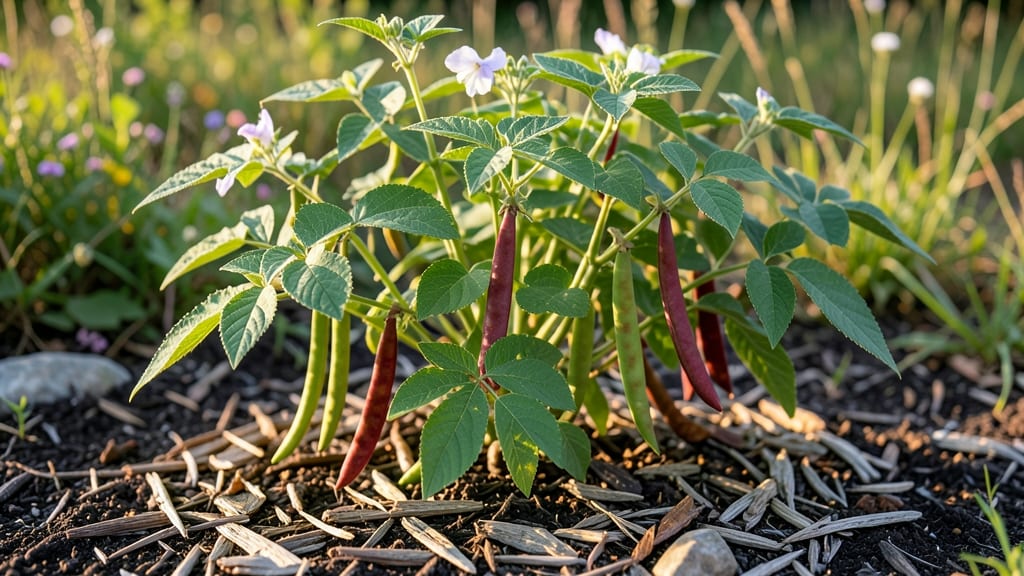
Growing red green beans means fresh, homegrown harvests that keep coming back—even after frost. 🌱 I learned the hard way that these cold-hardy perennials aren’t just pretty; they’re reliable, producing tender pods for years if you plant them right.
The key? Starting in early spring when soil warms to 50°F, but not so early that cold snaps zap young shoots.
These beans thrive in full sun (6+ hours daily) and well-draining soil—think compost-rich loam, not heavy clay. They’re surprisingly low-maintenance: just 1 inch of water per week once established, and a trellis to keep vines from sprawling everywhere.
The real magic happens when you let them reseed; next year’s crop often pops up without any effort on your part.
By midsummer, you’ll be snipping bright red pods straight from the vine—crisp, sweet, and packed with flavor. Harvest regularly to encourage more production, and watch as the plants rebound after each pick. Even in colder zones (down to USDA Zone 4), they’ll bounce back in spring.
No fancy equipment needed—just a sunny spot, some compost, and patience. The first year sets the stage; afterward, you’ll have a self-sustaining harvest machine. Here’s how to get started without overcomplicating it.
📚 In This Guide
- What you need
- Instructions
- Tips and common mistakes
- Wrapping up and next steps
What you need
- ● Red Green Bean Seeds: 10–20 seeds (non-GMO, heirloom varieties like ‘Dragon Tongue’ or ‘Scarlet Runner’ work best).
- ● Growing Containers or Garden Bed: For containers: 5-gallon pots or larger (minimum 12" deep) with drainage holes.
- ● For in-ground: Well-draining soil in a sunny spot (6+ hours of light daily).
- ● Potting Mix: 5–10 lbs of high-quality, organic potting soil (or compost-amended garden soil).
- ● Fertilizer: Balanced organic fertilizer (e.g., 10-10-10) or compost tea for nutrient boosts.
- ● Watering Can or Hose: With a gentle spray nozzle for moisture control.
- ● Trellis or Support: 4–6 ft tall (bamboo stakes, wire mesh, or netting for vining varieties).
- ● Pruning Shears: For trimming vines and encouraging regrowth.
- ● Mulch (straw or shredded leaves) to retain moisture and suppress weeds.
- ● Epsom salt (1 tbsp per gallon of water) for magnesium-rich foliar sprays.
- ● Row covers or frost blankets for cold climates (red green beans tolerate chill but may need protection in harsh winters).
- ● pH test kit to ensure soil pH is between 6.0–7.0 (slightly acidic to neutral).
Step-by-step guide to growing red green beans as cold-hardy perennials
Here’s how to cultivate these resilient, regrowing beans that thrive through multiple seasons with minimal fuss.
🌱 Step 1: Choose the Right Location and Prepare the Soil
Red green beans thrive in full sun—at least 6-8 hours of direct sunlight daily—but they’ll tolerate partial shade in hotter climates. I always pick a spot with well-draining soil, as these beans hate soggy roots. If your soil is heavy clay, amend it with 2-3 inches of compost mixed into the top 12 inches of soil. The goal is loose, crumbly soil that holds moisture but drains freely.
Test your soil’s pH—red green beans prefer a slightly acidic to neutral range of 6.0-7.0. If your soil runs alkaline, work in sulfur or peat moss to lower the pH gradually. Avoid fresh manure, which can burn young roots. Instead, use aged compost or well-rotted leaf mold for a gentle nutrient boost.
☀️ Step 2: Plant Seeds at the Right Depth and Spacing
Sow seeds ½ inch deep in early spring, about 2-3 weeks before your last frost date, or in late summer for a fall harvest. Space seeds 4-6 inches apart in rows that are 18-24 inches apart—this gives plants room to bush out without competing for light or nutrients. I like to plant in raised beds or mounds to improve drainage, especially in wetter climates.
Water the soil thoroughly before planting, then place 1-2 seeds per hole (you’ll thin later). Cover lightly with soil and press gently to ensure good seed-to-soil contact. Avoid burying seeds too deep—they won’t have the energy to push through. Once planted, keep the soil evenly moist (not soggy) until germination, which typically takes 7-14 days depending on temperature.
💧 Step 3: Maintain Consistent Moisture and Fertility
Red green beans need 1-1.5 inches of water per week, either from rainfall or irrigation. I water deeply 2-3 times per week, focusing on the base of the plants to avoid wetting the leaves (this prevents fungal diseases like rust). Use drip irrigation or soaker hoses for the most efficient watering—it keeps foliage dry and roots hydrated.
Fertilize lightly 4-6 weeks after planting with a balanced organic fertilizer (like 5-5-5) or compost tea. Too much nitrogen makes plants leafy but reduces pod production. I side-dress with 1-2 inches of compost around the base in early summer to encourage regrowth. Mulch with straw or shredded leaves to retain moisture and suppress weeds—just keep mulch 2 inches away from stems to prevent rot.
✂️ Step 4: Prune and Harvest for Continuous Production
Pinch back the tips of young plants when they reach 6-8 inches tall to encourage bushier growth. This isn’t mandatory, but it helps the plant focus energy on producing more pods instead of climbing. Once flowers appear, harvest every 2-3 days to keep the plant producing—pods left on the vine will turn woody and tough.
Pick pods when they’re 3-4 inches long and still bright green—this is their peak flavor and texture. If you miss a few, don’t worry; red green beans are forgiving. They’ll continue producing for 6-8 weeks in warm climates, and with proper care, they’ll regrow the following year from the same roots. In colder zones, mulch heavily in fall to protect the crown for next season’s harvest.
⏰ Step 5: Overwinter for Next Year’s Harvest
In USDA Zones 5-9, red green beans are perennial and will regrow if protected. After the first frost, cut back foliage to 2 inches above ground and add a 4-6 inch layer of straw or leaves for insulation. This mulch blanket keeps roots from freezing and smothers weeds. In Zone 4 or colder, dig up tubers in fall, store them in sand or peat moss in a cool, dark place, and replant in spring.
Come spring, new shoots will emerge 2-3 weeks before last frost. Thin them to the strongest 2-3 stems per plant and watch for flowers—this is your signal that another productive season is underway. The key to perennial success? Consistent moisture and protection from harsh winters. With these steps, you’ll enjoy fresh pods for years with almost no extra effort.
Tips & tricks for thriving red green beans
Here's what I've learned from years of growing these hardy, regrowing beans—simple secrets that make all the difference.
Sunlight Strategy: While 6-8 hours of sunlight is ideal, I've found that red green beans actually perform better in partial shade during peak summer heat if you're in Zone 8 or hotter. The plants continue producing pods without stress, and the leaves stay healthier. Watch for yellowing leaves—this is your signal to provide some afternoon shade, especially if temperatures hit 90°F+ consistently.
Germination Boost: The 7-14 day germination window can feel like an eternity, but I've discovered a simple trick: soak seeds overnight in warm water before planting. This jumpstarts the process and often results in sprouts appearing within 5-7 days. Just make sure to plant them immediately after soaking—they won't keep well once hydrated. This head start gives you more control over timing, especially if you're planting near your last frost date.
Watering Wisdom: Those 1-1.5 inches of water per week are non-negotiable, but I've learned to adjust timing based on weather. Water in the morning whenever possible—this gives foliage time to dry completely, preventing fungal diseases like rust that thrive in damp conditions. In particularly dry spells, I increase to 2 inches weekly, but always check soil moisture 2 inches down before watering. The roots need consistent moisture, not soggy soil.
Overwintering Hack: For Zone 5-9 gardeners, the 4-6 inch mulch layer is essential, but I've found adding a layer of cardboard between the mulch and soil makes a world of difference. The cardboard blocks weeds while breaking down to enrich the soil. In Zone 4, I store tubers in a mix of sand and peat moss (50/50 ratio) in a ventilated container—this prevents rot while maintaining the right moisture level. Label your containers with the planting date to track freshness.
Pro Tips for Red Green Beans
- Here's what I've learned from years of growing these hardy, regrowing beans—simple secrets that make all the difference.
- Sunlight Strategy: While 6-8 hours of sunlight is ideal, I've found that red green beans actually perform better in partial shade during peak summer heat if you're in Zone 8 or hotter.
- Germination Boost: The 7-14 day germination window can feel like an eternity, but I've discovered a simple trick: soak seeds overnight in warm water before planting.
Frequently asked questions
Got questions about growing red green beans (or red podded pole beans)? You’re not alone!
Whether you’re a first-time gardener or a seasoned pro, these answers will help you cultivate a thriving, regrowing harvest. Let’s dive in:
How long does it take for red green beans to regrow after harvest?
Red green beans are perennials in warm climates (USDA Zones 8-11) and can regrow 4-6 weeks after a harvest if given proper care. Prune back stems to 6-12 inches, ensure consistent watering, and fertilize lightly with compost or a balanced 10-10-10 mix. Pro tip: Avoid heavy pruning—just trim spent pods to encourage bushier regrowth!
Can red green beans survive winter in cold climates?
No, they’re not frost-tolerant and die back in cold winters (below 20°F/-7°C). However, in milder zones (7-8), mulch heavily with straw or leaves to protect roots. Dig up tubers in freezing climates and store them in a cool, dry place (like a garage) to replant next spring. Fun fact: Some gardeners treat them as annuals in colder areas for simplicity!
What’s the difference between red green beans and regular green beans?
Red green beans (like ‘Scarlet Runner’ or ‘Red Noodle’) have vibrant red or maroon pods and often double as ornamental plants. Regular green beans (e.g., ‘Blue Lake’) are solid green. Flavor? Both are delicious, but red varieties pack more antioxidants and a slightly sweeter, earthier taste. Bonus: Their striking color adds beauty to trellises!
Why aren’t my red green beans producing pods?
Common culprits include:
- Poor pollination: Hand-pollinate with a soft brush if bees are scarce.
- Overcrowding: Thin plants to 6-8 inches apart for airflow.
- Nutrient deficiency: Yellow leaves? Add nitrogen (fish emulsion) or potassium (banana peels).
- Temperature stress: Beans need warm soil (60°F/15°C+) to thrive.
If flowers appear but drop, it’s often a sign of too much heat or drought. Keep soil consistently moist! Troubleshoot: Check for pests (Mexican bean beetles) and treat with neem oil if needed.
Can I grow red green beans in containers?
Use a 5-gallon pot or larger with drainage holes and a trellis for climbing varieties. Fill with well-draining potting mix rich in compost. Dwarf varieties like ‘Red Mexican’ work well in smaller pots (3 gallons). Container tip: Move pots to a sunny spot (6+ hours of light) and water daily—they dry out faster than in-ground plants!
Wrapping up and next steps
Growing red green beans is a rewarding journey—whether you're a seasoned gardener or just starting out!
These cold-hardy perennials not only thrive with minimal fuss but also reward you with years of harvests, making them a true garden gem. 🌱 With the right location, soil prep, and care, you’ll soon enjoy a bountiful supply of crisp, flavorful pods straight from your backyard.
Ready to take the next step? Start small—plant a few seeds this season, experiment with companion plants, and watch your garden flourish. Before you know it, you’ll be sharing your homegrown harvest with friends and family! Happy growing! 🌿✨