
Vegetables
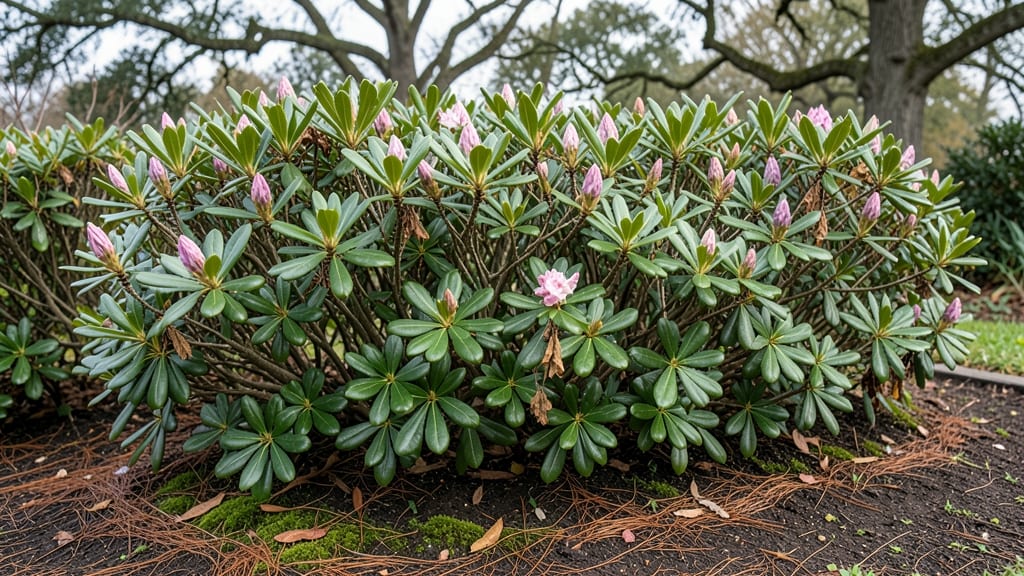
Your rhododendron hedge can survive winter looking stunning—not just alive. ✂️ The key is understanding how these evergreens handle cold differently than other plants, and how a little strategic pruning now prevents winter burn and keeps them lush through the frost.
Most gardeners make one big mistake: pruning in late fall when new growth is still tender. Instead, wait until late winter when the plant is fully dormant but before spring buds swell.
This timing lets you shape without stressing the plant, and the results are a dense, vibrant hedge that greets spring with vigor. You’ll end up with a hedge that stays dense and glossy even under snow, with fewer brown patches from winter burn.
The secret is combining proper pruning with a thick layer of mulch—think 3-4 inches of organic material—to insulate roots while keeping moisture balanced. Works for both formal hedges and natural landscapes. Here’s how to do it right without overcomplicating things—no special tools needed, just sharp pruners and a clear day.
📚 In This Guide
- What you need
- Instructions
- Tips and common mistakes
- Wrapping up and next steps
What you need
- ● Pruning shears: Bypass pruners (sharp, clean, and sterilized with rubbing alcohol). Quantity: 1–2 pairs (one for you, one backup!).
- ● Loppers: For thicker branches (1–2 inches in diameter). Spec: Long-handled for reach.
- ● Hand pruners: For precision work on smaller stems. Spec: Ergonomic grip for comfort.
- ● Gloves: Heavy-duty gardening gloves (cut-resistant, waterproof). Quantity: 1 pair.
- ● Disinfectant: 1-part bleach to 9-parts water (for sterilizing tools between cuts).
- ○ Pruning sealant: Optional but helpful (e.g., tree wound paint) for large cuts.
- ● Rake or broom: For clearing fallen leaves/debris post-pruning.
- ● Weather check: Prune on a dry, frost-free day (ideally late winter, just before new growth starts).
- ● Safety gear: Safety glasses (to shield from flying debris).
- ● Clean workspace: Lay down a tarp or old blanket to catch clippings.
- ● Hydration & snacks: Water bottle and high-energy snacks (pruning is harder work than it looks! 💪).
- ● ✨ Lubricate tools: Use silicone spray on hinges of shears/loppers for smoother cuts.
- ● 🔥 Mark your cuts: Use chalk or tape to outline pruning lines for a neat finish.
- ● 🌡️ Layer up: Dress in long sleeves and closed-toe shoes—rhododendrons can be thorny!
Step-by-step guide to pruning your rhododendron hedge for winter
Winter's the perfect time to refresh your rhododendron hedge without stressing the plant.
✂️ Step 1: Time Your Pruning for Best Results
Prune your rhododendron hedge after the first hard frost but before new growth begins—typically in late winter or early spring (around February to March). This timing prevents late-season growth from being damaged by cold snaps. Look for brown, crispy leaves as a sign it's safe to prune; these indicate the plant has entered dormancy.
If you miss this window, wait until spring when you see tight buds forming along the stems. Never prune in fall—new growth won’t harden off before winter, leading to frost damage. I always mark my calendar with the last frost date in my area to plan accordingly.
✂️ Step 2: Gather the Right Tools for Clean Cuts
Use sharp, clean pruning shears or hedge clippers to make precise cuts—dull tools crush stems and invite disease. Disinfect your tools with rubbing alcohol before starting to prevent spreading any fungal spores lurking from last season. I keep a small bottle of alcohol in my gardening toolkit for quick sanitizing between cuts.
Wear gloves to protect your hands from the plant’s mildly acidic sap and any thorns. A ladder may be needed if your hedge is taller than 6 feet, but I always check stability first—nothing worse than a wobbly ladder mid-prune. Keep a bucket or tarp nearby to collect clippings for easy cleanup later.
☀️ Step 3: Shape the Hedge with Purpose
Step back and visualize the shape you want—rhododendrons handle formal or natural styles equally well. For a neat, manicured look, prune to a slightly tapered top (wider at the base) to mimic natural growth patterns. Avoid cutting into old wood (brown, woody stems)—focus on new growth from the current season.
Cut just above a leaf bud or branch junction at a 45-degree angle to encourage healthy regrowth. If your hedge is overgrown, never remove more than one-third of the foliage in a single pruning—this prevents shock. I like to prune in layers, starting at the bottom and working upward for an even finish.
💧 Step 4: Post-Pruning Care for Winter Recovery
After pruning, water deeply if the weather has been dry—this helps the plant recover and establishes new roots before spring. A 2-inch layer of mulch (like pine straw or shredded bark) around the base retains moisture and insulates roots from freezing temperatures. Keep mulch 2-3 inches away from the stems to prevent rot.
Monitor for pests or disease in early spring—pruning opens the plant up, so watch for aphids or fungal spots on new growth. If you notice yellowing leaves after pruning, it’s usually a sign of over-pruning or nutrient deficiency. A balanced fertilizer in early spring (when buds swell) gives your hedge the boost it needs.
⏰ Step 5: Plan for Long-Term Hedge Health
Rhododendrons thrive with consistent care, so mark your calendar for annual pruning in late winter. Feed with acid-loving fertilizer (like one formulated for azaleas) in early spring to encourage vibrant blooms. These plants love partial shade—avoid full sun in hot climates, which can scorch leaves.
If your hedge isn’t growing as expected, check the soil pH—rhododendrons prefer acidic soil (pH 4.5-5.5). A simple soil test kit helps diagnose if amendments are needed. With the right care, your hedge will reward you with lush foliage and stunning spring blooms for years to come.
Tips & tricks for perfect rhododendron hedge pruning
Winter pruning transforms your rhododendron hedge from tired to thriving—here's how to avoid common mistakes and get pro results.
Timing is Everything: The late winter window (February to March) is critical because it lets the plant recover before spring growth begins. I've seen people prune too early in winter and end up with frost-damaged new shoots. Check for those crispy brown leaves—they're your sign the plant's safely dormant. If you're in a warmer climate, wait until you see tight buds forming along the stems in early spring.
Tool Prep Prevents Problems: Sharp tools are non-negotiable—dull shears tear stems and create entry points for disease. I keep a small bottle of rubbing alcohol in my toolkit and sanitize between every 5-6 cuts, especially if I've been working with other plants. For tall hedges over 6 feet, I use a sturdy ladder with a spotter—nothing ruins a good pruning session faster than a wobbly ladder mid-cut. And always wear gloves—the acidic sap can irritate skin.
Shape with Purpose: When visualizing your hedge shape, remember rhododendrons naturally grow wider at the base. Cutting to a straight line can create stress points. For formal shapes, taper the top slightly to mimic natural growth patterns. The 45-degree angle cut above leaf buds isn't just aesthetic—it directs water runoff and promotes healthier regrowth. If your hedge is overgrown, never remove more than one-third of the foliage at once, or you'll shock the plant.
Post-Pruning Recovery Boost: After shaping, give your hedge a deep watering if the weather's been dry—this helps establish new root growth before spring. The 2-inch mulch layer around the base works wonders for moisture retention, but keep it 2-3 inches away from stems to prevent rot. I've noticed yellowing leaves after pruning usually means either over-pruning or nutrient deficiency. A light application of acid-loving fertilizer in early spring (when buds swell) makes all the difference.
Pro Tips for Rhododendron Hedge In Winter
- Winter pruning transforms your rhododendron hedge from tired to thriving—here's how to avoid common mistakes and get pro results.
- Timing is Everything: The late winter window (February to March) is critical because it lets the plant recover before spring growth begins.
- Tool Prep Prevents Problems: Sharp tools are non-negotiable—dull shears tear stems and create entry points for disease.
Frequently asked questions
Got questions about keeping your rhododendron hedge thriving through winter? You’re not alone! Here are answers to the most common concerns—from pruning puzzles to frost fears—so you can enjoy a stunning hedge year-round.
When is the best time to prune a rhododendron hedge in winter?
The ideal window is late winter to early spring (February–March), after the worst frost has passed but before new growth begins. Pruning too early can expose tender buds to cold damage, while waiting too long may encourage leggy growth. Aim for dormant-season pruning—just after the ground thaws but before spring blooms appear!
Will my rhododendron hedge survive heavy frost or snow?
Most rhododendrons are hardy to USDA Zones 5–8, meaning they can handle light to moderate frost without issue. However, young plants or tender varieties may need protection—like a thick mulch layer (3–4 inches) or burlap wrap—during extreme cold snaps (below 10°F). Snow? No problem! It acts as a natural insulator.
How do I prune a rhododendron hedge without killing it?
Avoid over-pruning—never cut more than 1/3 of the plant’s height at once. Use clean, sharp shears to make cuts just above a bud or side branch, angled slightly downward. Never top rhododendrons (cutting the top flat)—this stresses the plant. Focus on shaping and thinning for an airy, healthy look.
What if my rhododendron hedge looks dead after winter?
Don’t panic! Rhododendrons often look dormant or brown in winter, but they’re usually alive beneath the surface. Wait until late spring to assess—if you see green buds or new shoots, it’s just resting. If no growth appears by May, check for root rot, pests, or disease (like honey fungus) and adjust care accordingly.
Are there winter-hardy alternatives to rhododendrons for hedges?
Yes! If rhododendrons seem high-maintenance, consider these low-maintenance, cold-resistant options:
- Leucothoe (Dog Hobble): Thrives in shade, evergreen, and handles Zone 4 winters.
- Pieris (Andromeda): Glossy leaves, white spring blooms, and Zone 5–8 hardiness.
- Boxwood (Buxus): Classic hedge plant, evergreen, and Zone 5–9 tolerant.
- Inkberry Holly (Ilex glabra): Native, drought-resistant, and Zone 3–9 hardy.
Wrapping up and next steps
Your rhododendron hedge can thrive even in winter with the right care! 🌿❄️ Pruning at the right time, protecting it from harsh elements, and feeding it properly ensures a stunning comeback when spring arrives.
Don’t let cold weather hold back your garden’s beauty—take action now to set the stage for vibrant blooms ahead.
Ready to transform your space? Start by marking your calendar for early spring pruning and gather your tools. With patience and the right techniques, your rhododendron hedge will reward you with lush, cold-resistant growth year after year!