
Vegetables
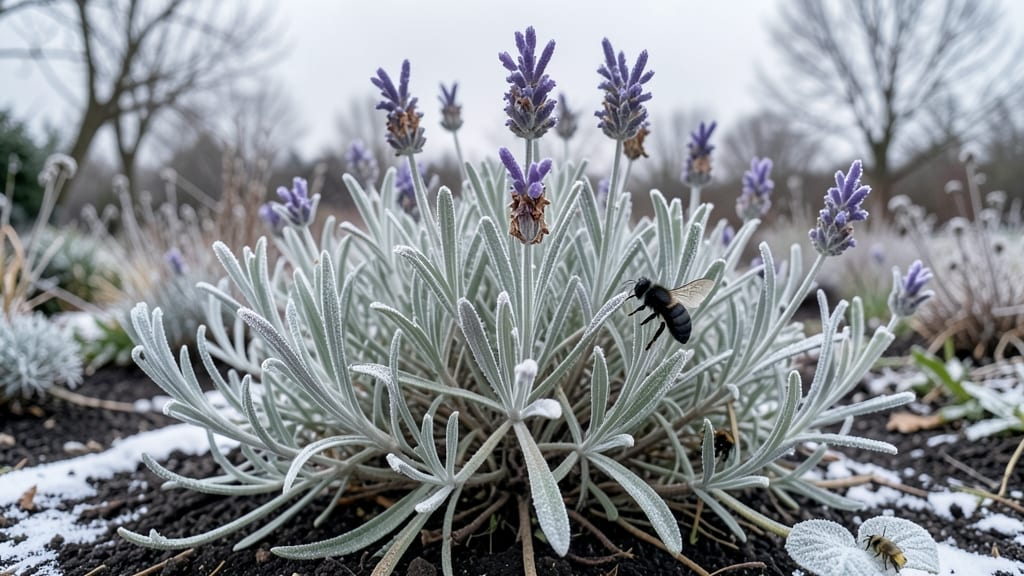
Your Lavandula stoechas could be the last blooming pollinator magnet of winter—if you protect it right. 🌿 I’ve watched my Spanish lavender stand tall through 20-degree nights while other perennials wilted, its fuzzy purple blooms still drawing bees when nothing else is open.
The secret isn’t fancy—it’s knowing when to cut back, when to mulch, and how to trick winter into being kinder.
This isn’t your average lavender. Lavandula stoechas thrives where regular lavender bows out, but it still needs a little winter prep: a thick layer of straw mulch (3-4 inches) to insulate roots, and pruning back by half in early spring before new growth starts.
The bees? They’ll find it if you leave a few stems standing—they love those rabbit-ear-shaped blooms even when everything else is dormant.
By spring, you’ll have a plant that looks like it just woke up from a nap, not a freeze. The fragrance alone—citrusy, herbal, and impossible to resist—will make your garden the neighborhood’s secret spot.
Plus, those bees? They’ll be your early warning system for spring’s arrival, buzzing around before your daffodils even think about blooming.
Works in zones 5-9, but even zone 4 gardeners can protect it with extra mulch and a burlap wrap for harsh winters. No fuss, just foolproof winter survival for a plant that gives back more than it asks for.
📚 In This Guide
- What you need
- Instructions
- Tips and common mistakes
- Wrapping up and next steps
What you need
- ● Lavandula stoechas plants: 3–5 mature plants (or seeds, if starting from scratch). Choose hardy varieties like 'Purple Dwarf' or 'Anouk' for cold resilience.
- ● Well-draining soil: 1–2 cubic yards of a mix of 50% garden soil, 30% perlite/sand, and 20% compost (critical for winter survival!).
- ● Mulch: 2–3 inches of straw or pine needles to insulate roots (avoid dense mulch like wood chips, which can smother plants).
- ● Organic fertilizer: 1 lb of low-nitrogen, high-phosphorus fertilizer (e.g., 5-10-10) to boost root strength before winter.
- ● Garden trowel or spade: For planting and soil prep.
- ● Pruning shears: Sharp, bypass-style shears for late-winter pruning (sterilize with rubbing alcohol!).
- ● Watering can or hose with a gentle nozzle: Aim for deep but infrequent watering (1–2 gallons per plant weekly, unless freezing).
- ● Garden gloves: Heavy-duty for handling prickly stems.
- ○ Thermometer (optional): To monitor soil temps—ideal range for planting is 50–60°F.
- ● Native wildflower seeds: Mix in bee balm, alyssum, or calendula (1 oz per 10 sq ft) for extra winter forage.
- ● Shallow water dish: Add pebbles to prevent bees from drowning (place near lavender).
- ● Windbreaks: Burlap screens or evergreen shrubs to shield plants from harsh winds.
How to grow and maintain Lavandula stoechas for winter pollinators
This hardy lavender thrives in cooler months—here's how to cultivate it as a winter bee magnet.
🌱 Step 1: Choose the Perfect Planting Location
Lavandula stoechas loves full sun—at least 6 hours daily—but handles light shade better than most lavenders in winter. I always pick a spot with afternoon sun protection if your winters get harsh. The soil should drain quickly; this lavender hates soggy roots, so avoid low-lying areas where water pools.
Check your site's drainage by digging a 12-inch deep hole and filling it with water. If it drains in under 2 hours, it's perfect. Amend heavy clay with 20% perlite or coarse sand if needed. I plant mine on a slight slope to help water run off naturally during winter thaws.
☀️ Step 2: Plant at the Right Time and Depth
Fall planting works best—give the roots time to establish before winter sets in. Dig a hole twice as wide as the root ball but only as deep as the container it came in. This prevents burying the crown, which causes rot. Gently loosen the roots if they're circling in the pot before placing them in the hole.
Backfill with native soil mixed with 1 cup of compost per plant. Water deeply right after planting to settle the soil and eliminate air pockets. You'll know it's right when the soil surface looks slightly compacted but not muddy. Mulch with 2 inches of gravel or pine bark to keep roots insulated and dry.
💧 Step 3: Water Strategically for Winter Survival
Once established, Lavandula stoechas needs very little water—especially in winter. Water only when the top 3 inches of soil feel dry to the touch. Overwatering in cold weather suffocates roots and invites fungal diseases. I check soil moisture by pressing my finger into the ground; if it springs back dry, it's time to water.
In freezing temperatures, water in the late afternoon to give the soil time to absorb moisture before nightfall. Avoid wetting the foliage, as wet leaves freeze and get damaged. If your winters are extremely cold (10°F or lower), add a 3-inch layer of straw mulch around the base for extra protection.
✂️ Step 4: Prune for Winter Hardiness and Pollinator Appeal
Prune right after flowering in late summer to encourage new growth before winter sets in. Cut back one-third of the previous year's growth using clean, sharp shears. This removes dead flowers and shapes the plant for better airflow, which prevents winter rot. Never prune into old wood—always leave some green growth to photosynthesize through winter.
Watch for any brown, crispy stems after the first frost. These are dead and should be trimmed back to healthy green growth. I avoid heavy pruning in winter unless absolutely necessary, as the plant relies on its woody structure for insulation. Leave the distinctive "rabbit ear" flower heads if possible—they provide winter interest and attract bees.
🐝 Step 5: Support Pollinators Through the Cold Months
Lavandula stoechas stays attractive to bees even in winter because its flowers produce nectar when most plants have gone dormant. To maximize pollinator visits, avoid pesticides—especially in late fall and winter. I plant mine near other winter-blooming perennials like hellebores and winter jasmine to create a continuous food source for bees.
Leave some seed heads on the plant if they form after flowering. These provide additional food for finches and other birds during winter. If you notice bees struggling in cold weather, place a shallow dish of sugar water (1:1 ratio)** near the plant. This gives them quick energy when natural nectar is scarce.
Tips & tricks for perfect Lavandula stoechas winter pollinator planting
These practical tips will help you create a thriving winter haven for pollinators with your Lavandula stoechas.
Sunlight Strategy: While Lavandula stoechas thrives on at least 6 hours of daily sun, I've found that positioning it where it gets morning sun and afternoon shade in harsh winters actually extends its blooming season. The key is to avoid the intense afternoon sun that can stress the plant during cold snaps. If you're in a very cold climate, consider a spot with dappled shade from nearby trees.
Drainage Test: That 2-hour drainage test in Step 1 is crucial—don't skip it! I've seen too many lavender plants fail because of poor drainage. If your soil drains slower than 2 hours, mix in 20% perlite or coarse sand to create that essential air space around roots. For container growing, use pots with drainage holes and a layer of gravel at the bottom to prevent waterlogging.
Winter Watering: When temperatures drop below 10°F, I switch to watering only every 10-14 days unless we have a warm spell. The top 3 inches of soil should feel completely dry before watering—this mimics the plant's natural winter dormancy period. Always water at the base rather than overhead to prevent frost damage to the foliage. A soaker hose works perfectly for this.
Pruning Precision: When you cut back one-third of the previous year's growth in Step 4, make your cuts just above a leaf node or bud. This encourages new growth from exactly where you want it. I use clean, sharp shears and sterilize them with rubbing alcohol between cuts to prevent spreading disease. The distinctive "rabbit ear" flower heads should be left intact—they're not just pretty, they're crucial for winter pollinator attraction.
Pro Tips for Lavandula Stoechas Winter Bee
- These practical tips will help you create a thriving winter haven for pollinators with your Lavandula stoechas.
- Sunlight Strategy: While Lavandula stoechas thrives on at least 6 hours of daily sun, I've found that positioning it where it gets morning sun and afternoon shade in harsh winters actually extends its blooming season.
- Drainage Test: That 2-hour drainage test in Step 1 is crucial—don't skip it!
Frequently asked questions
about Lavandula stoechas as a winter bee magnet—because even winter gardens deserve buzzing visitors!Can Lavandula stoechas survive harsh winters?
Lavandula stoechas is hardy in USDA zones 7–10, but in colder areas, it may need winter protection. Mulch the base with straw or leaves, and wrap young plants in burlap. Prune back dead foliage in early spring to encourage fresh growth. Pro tip: Choose cold-hardy cultivars like 'Phenomenal' for extra resilience!
When does Lavandula stoechas bloom in winter?
While not a true winter bloomer, L. stoechas often produces late-season flowers in fall or early winter (especially in mild climates). To extend blooms, deadhead spent flowers in late summer and provide light afternoon shade in extreme cold. Bonus: Bees love these flowers—plant near veggie gardens for pollination!
What other winter-friendly plants attract bees?
Pair L. stoechas with Helleborus (hellbore), Mahonia, or Viola (pansies) for year-round bee traffic. Rosemary and Thymus serpyllum (wild thyme) are also cold-tolerant and bee-approved. Pro tip: Avoid pesticides—bees need all the help they can get in winter!
Why aren’t bees visiting my Lavandula stoechas in winter?
Cold snaps or frost can deter bees, but if your plant is healthy, they’ll return when temps rise above 50°F (10°C). Ensure your garden has water sources (like a shallow dish) and sun exposure. If no bees appear, check for pests (like spider mites) that might stress the plant. Fix: Plant near early-blooming winter flowers for a backup buffet!
How do I prepare Lavandula stoechas for winter planting?
If planting in late fall/winter, choose container-grown plants to avoid transplant shock. Amend soil with compost, mulch heavily, and water deeply before frost. In zones below 7, start seeds indoors in early spring for a head start. Remember: Bees thrive on established plants—give them time to root!
Wrapping up and next steps
Planting Lavandula stoechas in your winter garden isn’t just a smart choice—it’s a game-changer for pollinators and late-season blooms! 🐝 This hardy lavender thrives in cooler months, offering bees a vital food source while adding beauty and fragrance to your space.
Whether you're a seasoned gardener or just starting, now’s the perfect time to act—grab your seeds, prep your soil, and give your garden (and the bees!) a winter boost.
Next step: Start small—try a few plants in a sunny spot, and watch your garden transform into a buzzing, cold-resistant oasis! 🌱