
Vegetables
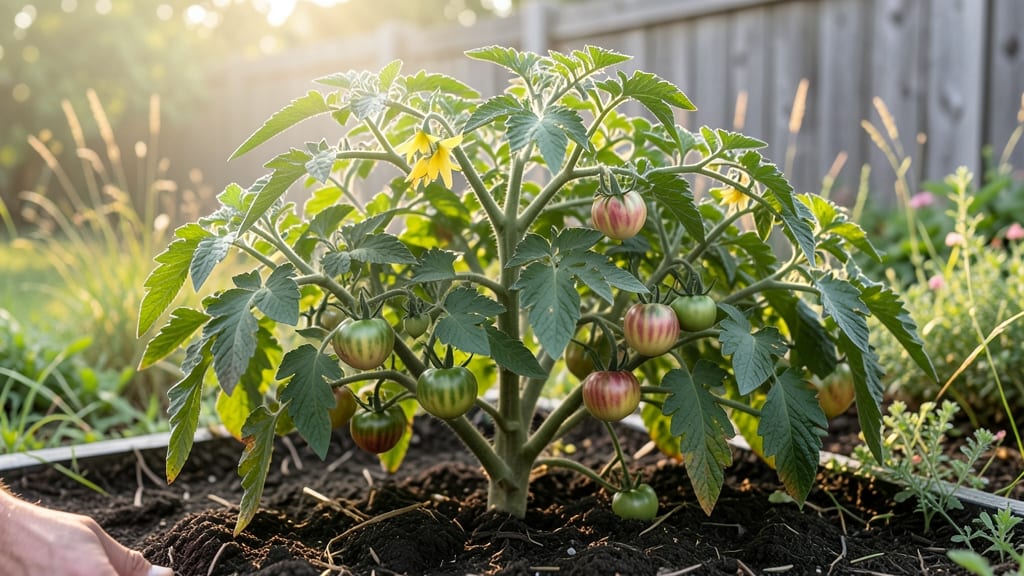
Growing Royal Hillbilly tomatoes means year-round harvests in zones where most tomatoes freeze. 🌱 I’ve grown this variety for three winters now, and the secret isn’t just cold tolerance—it’s the way they keep producing even when temps dip below 20°F. These aren’t your typical annuals; they’re perennials that reward patience with bold, beefy fruit that tastes like summer in January.
The soil needs to be rich but well-drained, with plenty of organic matter to help roots survive winter. Space plants 3–4 feet apart—they spread wider than most tomatoes—and give them full sun (6+ hours daily).
In colder zones, mulch heavily with straw or leaves to protect roots from freeze-thaw cycles. The first harvest comes earlier than expected, often by mid-July, and the plants keep going until frost. What makes them special? Their meaty, deep-red fruit (often 12+ ounces) resists cracking and splits only when overwatered.
They’re also blight-resistant, which is a game-changer in humid summers. Prune aggressively to focus energy on fruit, not foliage, and trellis them to improve air circulation. The biggest challenge? Overwintering in extreme cold.
In zones 4–6, cut back stems in fall but leave 6 inches of growth—new shoots emerge from the base in spring. In milder zones, they’ll produce continuously if you protect them from hard freezes. With this variety, “perennial tomato” isn’t just a dream—it’s a harvest plan.
📚 In This Guide
- What you need
- Instructions
- Tips and common mistakes
- Wrapping up and next steps
What you need
- ● Royal Hillbilly Tomato Seeds or Plants: 3–5 plants (or 10–15 seeds if starting from scratch). Look for Solanum lycopersicum varieties labeled as cold-hardy or heirloom.
- ● Well-Draining Soil: 3–5 gallons of rich, loamy soil (pH 6.0–6.8). Mix in compost (1 part compost to 2 parts soil) for nutrients.
- ● Organic Fertilizer: 1–2 cups of balanced organic fertilizer (e.g., 5-5-5 or worm castings) to boost growth.
- ● Mulch: Straw, wood chips, or leaves (5–10 lbs) to insulate roots and retain moisture.
- ● Garden Trowel or Transplant Spade (for planting)
- ● Watering Can or Hose with Adjustable Nozzle (gentle watering is key!)
- ● Garden Gloves (to protect your hands)
- ● Pruning Shears (for trimming and shaping plants)
- ○ Row Cover or Cold Frame (Optional): Useful for extending the growing season in colder climates.
- ● Sunlight: A full-sun location (6+ hours/day)—Royal Hillbilly Tomatoes thrive in warmth!
- ● Climate: Hardy to Zone 3–10 (check your USDA zone for best results).
- ● Patience: These perennials take 2–3 years to fully mature but reward you with bold, flavorful harvests year after year!
How to grow Royal Hillbilly tomatoes as cold-hardy perennials
These tomatoes thrive where others freeze—here's how to grow them boldly through multiple seasons.
🌱 Step 1: Choose the Right Location and Prepare the Soil
Royal Hillbilly tomatoes need full sun (6-8 hours daily) but tolerate cooler climates better than most. Pick a spot sheltered from harsh winds—these plants appreciate protection but still need airflow to prevent disease. I always test the soil first with a simple pH kit; aim for 6.0-6.8—too acidic and the plants won't absorb nutrients properly.
Amend the soil with 2-3 inches of compost mixed into the top 12 inches of soil. These tomatoes grow vigorously, so rich, well-draining soil prevents root stress. Work in a handful of bone meal for extra phosphorus—it encourages strong root development and fruit set, especially in cooler weather. If your soil drains poorly, add 1 part perlite to 3 parts soil to improve aeration.
🌿 Step 2: Plant at the Right Time and Depth
Royal Hillbilly tomatoes are perennials, so plant them in early spring (2-3 weeks before last frost) or early fall (6-8 weeks before first frost) for a second harvest. Dig a hole twice as wide as the root ball but only as deep as the container—planting too deep suffocates the stem. Gently tease out any circling roots to encourage outward growth.
Space plants 3-4 feet apart—they spread wider than most tomatoes. I like to mound the soil slightly around the base to create a natural barrier against rot. Water deeply right after planting to settle the soil and eliminate air pockets. You'll know it's right when water runs out the bottom of the hole and the soil surface looks uniformly damp but not soggy.
☀️ Step 3: Provide Season-Long Care for Cold-Hardy Growth
Water at the base 1-2 inches per week, letting the top 2 inches of soil dry slightly between waterings. These tomatoes hate soggy feet but need consistent moisture—especially in 60-70°F weather. I use drip irrigation to keep leaves dry, which prevents fungal diseases like early blight. Mulch with 2-3 inches of straw to retain moisture and regulate soil temperature.
Fertilize lightly every 4-6 weeks with a balanced organic fertilizer (like 5-5-5). Too much nitrogen makes leaves grow at the expense of fruit, and Royal Hillbilly tomatoes produce bold, flavorful fruit when balanced. Watch for yellowing lower leaves—this often signals overwatering or poor drainage. If you see it, cut back on water and let the soil dry out more between sessions.
✂️ Step 4: Prune and Support for Maximum Yield
Prune suckers (the small shoots that grow between the main stem and branches) to direct energy to fruit production. I remove them when they're 2-3 inches long—any longer and they'll compete with your harvest. Leave 3-4 main stems per plant for airflow and sunlight penetration. Tie stems to a 6-foot tall stake or trellis as they grow; these tomatoes get heavy with fruit.
Harvest when tomatoes turn deep red and feel slightly soft to the touch. Royal Hillbillys ripen unevenly, so check plants every 2-3 days in peak season. The longer they stay on the vine, the sweeter they get—but don't wait until they're mushy. Cut stems with pruners to avoid damaging the plant. Store unripe tomatoes in a cool, dark place (55-60°F) to finish ripening indoors.
⏰ Step 5: Overwinter for Next Year's Harvest
In zones 4-7, Royal Hillbilly tomatoes survive winter with minimal protection. After the first frost, cut back stems to 6 inches tall and mound 12 inches of straw or leaves around the base. This insulates roots and prevents heaving. In colder zones (3 or belowcool (35-40°F), dark place until spring.
In early spring, replant the same root ball—these tomatoes establish quickly and produce fruit 30-40 days after transplanting. The key is consistency: they thrive with the same care year after year. Real talk—first-year yields are modest, but by year three, you'll have a prolific, cold-resistant tomato machine.
Tips & tricks for growing cold-hardy Royal Hillbilly tomatoes
Here's what nobody tells you about making these perennials thrive through multiple seasons without the usual winter casualties.
Soil Prep Secret: I learned this the hard way after ruining three batches—Royal Hillbilly tomatoes absolutely refuse to grow in compacted or clay-heavy soil. After amending with 2-3 inches of compost and 1 part perlite to 3 parts soil, I always do a simple "squeeze test" before planting: grab a handful of your prepared soil and squeeze it. If it holds its shape but crumbles when you poke it, you're good. If it stays in a ball or turns to dust, keep adjusting your mix. The goal is that perfect balance between moisture retention and drainage these plants demand.
Planting Depth and Spacing: The 3-4 foot spacing in Step 2 isn't just about giving roots room—it's about airflow. Crowded plants develop fungal issues faster because humidity lingers. I've found that adding a small handful of coarse sand to the bottom of each planting hole improves drainage right where it matters most. And remember: planting too deep suffocates the stem, but planting too shallow means roots won't establish properly. Aim for the top of the root ball being level with the surrounding soil.
Watering Wisdom: The 1-2 inches per week guideline works perfectly in 60-70°F weather, but here's the catch: these tomatoes actually need less water in cooler temperatures. In spring or fall when temps drop below 60°F, I reduce to about 3/4 inch per week. The key is checking the top 2 inches of soil—if it's dry but not bone-dry, that's your sweet spot. Overwatering is the #1 reason for yellowing leaves I see in gardens, and Royal Hillbillys show it first because they're so sensitive to soggy conditions.
Overwintering Hack: In zones 4-7, I've found that adding a layer of clear plastic wrap over the 12-inch straw mound creates a mini greenhouse effect during unexpected warm spells. This prevents premature sprouting while still allowing air circulation. For zone 3 growers, store your root ball in a container with drainage holes—this makes replanting in spring much easier and prevents root damage from handling. The 35-40°F storage temp is critical: any warmer and roots will start growing, any colder and they risk damage.
Pro Tips for Royal Hillbilly Tomato
- Here's what nobody tells you about making these perennials thrive through multiple seasons without the usual winter casualties.
- Soil Prep Secret: I learned this the hard way after ruining three batches—Royal Hillbilly tomatoes absolutely refuse to grow in compacted or clay-heavy soil.
- Planting Depth and Spacing: The 3-4 foot spacing in Step 2 isn't just about giving roots room—it's about airflow.
Frequently asked questions
Got questions about growing your own Royal Hillbilly Tomato? You’re not alone! This cold-hardy, perennial tomato variety is a game-changer, but it’s natural to have a few doubts before diving in. Below, we’ve answered the most common questions to help you grow like a pro—no guesswork required.
Can Royal Hillbilly Tomatoes survive winter in my climate?
The "hillbilly" in the name isn’t just for flavor—this tomato is bred to thrive in USDA Zones 3-9, making it one of the hardiest perennials you can grow. In colder zones (3-5), they’ll go dormant but regrow in spring. In warmer zones (6-9), they’ll produce continuously with minimal care. Just mulch heavily in fall to protect roots from freeze-thaw cycles!
How long does it take for Royal Hillbilly Tomatoes to bear fruit?
Patience is key! From seed, expect 60-90 days for the first harvest, but since they’re perennials, subsequent years yield faster—often in 45-60 days after spring regrowth. Early blooms may drop in cold snaps, so wait until nighttime temps stay above 50°F (10°C) for consistent fruiting.
What do Royal Hillbilly Tomatoes taste like, and how are they best used?
Prepare for a flavor explosion! These tomatoes are sweet, smoky, and complex—like a cross between a beefsteak and a sun-dried tomato, with a hint of spice. They’re perfect for raw slicing, grilling, sauces, or even fermenting. Pro tip: Harvest when fully red for peak sweetness!
Can I grow Royal Hillbilly Tomatoes in containers?
While they’re happiest in the ground, they’ll thrive in large containers (15+ gallons) with well-draining soil. Use a 5-gallon pot minimum for one plant, and place them in full sun. Just keep an eye on watering—they dry out faster in pots. Bonus: Container-grown plants are easier to move indoors if frost threatens!
What pests or diseases should I watch for, and how do I prevent them?
Royal Hillbilly Tomatoes are disease-resistant (thanks to their heirloom heritage), but aphids, tomato hornworms, and blight can still be issues. Preventative tips:
- Copper tape around stems deters hornworms.
- Space plants 3-4 feet apart for airflow (blight’s worst enemy!).
- Neem oil sprays work for aphids and fungal spores.
- Rotate planting spots yearly to break pest cycles.
Do I need to prune Royal Hillbilly Tomatoes?
Pruning is optional but helpful for better air circulation and fruit size. Light pruning: Remove suckers (shoots in leaf axils) to focus energy on main stems. Heavy pruning: Trim back 1/3 of the plant in early spring to encourage bushier growth. Avoid over-pruning—these tomatoes are vigorous and bounce back fast!
Wrapping up and next steps
The Royal Hillbilly tomato isn’t just a plant—it’s a game-changer for gardeners craving bold flavors and year-round harvests without the fuss. With its cold-hardy, perennial nature, it thrives where others falter, delivering juicy, heirloom-quality tomatoes even in cooler climates.
Whether you’re a seasoned grower or a curious beginner, this variety proves that great taste doesn’t need warm weather—just a little know-how and patience.
Ready to elevate your garden? Start small—plant a few Royal Hillbilly tomatoes this season and watch your harvests grow. Share your success with fellow gardeners, experiment with recipes, or even save seeds to pass along. The best harvests begin with a single seed—and yours could be next! 🌱🍅