
Vegetables
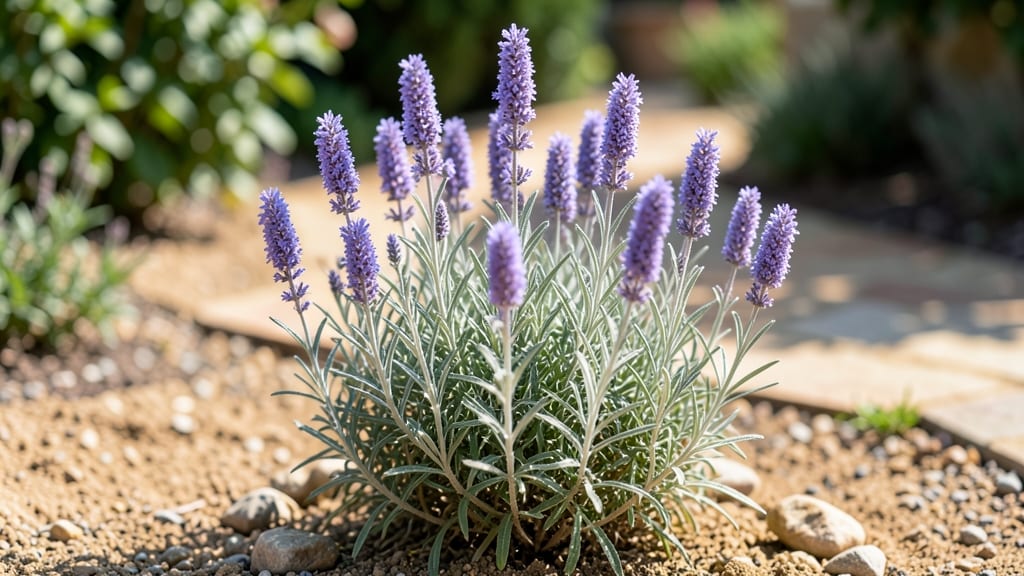
Russian sage survives winters that would kill most perennials—frost-kissed stems standing tall through snow, ready to burst back into purple-blue blooms by spring. 🌿 I’ve watched mine shrug off 20-degree nights in Zone 5, proving this plant isn’t just cold-hardy but winter-proof with the right care.
The secret lies in a few simple steps that protect its roots while letting it sleep through the cold.
Start with 3-4 inches of mulch around the base after the first frost—this insulates roots without suffocating them. Skip the heavy pruning now; instead, trim back only the dead or damaged stems in early spring.
Russian sage stores energy underground, so resist the urge to cut it down to the ground. In drier climates, a light watering before freeze-up helps prevent root desiccation, but don’t overdo it—wet soil can rot.
By late winter, you’ll notice new growth pushing through the mulch, signaling it’s time to tidy up. A light pruning in early spring—just enough to shape the plant—encourages bushier, more abundant blooms.
The fragrance alone makes it worth the effort; crushed leaves release a citrusy, pine-like scent that lingers in the air. This is the plant that proves winter doesn’t have to mean dormancy—just patience.
Works in USDA Zones 4-9, from snowy Midwest gardens to arid Southwest landscapes. The same care applies whether you’re in a windy prairie or a coastal climate—just adjust mulch thickness for your local freeze severity. Here’s how to keep yours thriving through the coldest months.
📚 In This Guide
- What you need
- Instructions
- Tips and common mistakes
- Wrapping up and next steps
What you need
- ● Russian Sage Plants: 3–5 mature plants (18–24 inches tall, spaced 2–3 feet apart for airflow)
- ○ Optional: Start seeds indoors 8–10 weeks before last frost (use seed-starting mix in 4-inch pots).
- ● Soil: Well-draining, slightly alkaline soil (pH 6.5–7.5)
- ● Amend with 1 part compost and 1 part perlite/sand per 3 parts native soil (for winter resilience).
- ● Fertilizer: Slow-release balanced fertilizer (10-10-10) or organic options like fish emulsion (apply in early spring).
- ● Mulch: 2–3 inches of straw or shredded leaves (avoid thick layers that trap moisture).
- ● Protective Barriers (Winter Prep): Burlap or frost cloth (cut to size, ~3 feet wide x 4 feet tall per plant).
- ● Stakes or hoops (for securing fabric over plants).
- ● Garden trowel or spade
- ● Pruning shears (sterilized with rubbing alcohol)
- ● Gloves (heavy-duty for winter tasks)
- ● Watering can or hose with adjustable nozzle
- ○ Optional: Soil pH test kit (to confirm alkalinity).
- ● Full sun location (6+ hours daily, even in winter).
- ● Zone 4–9 hardiness (Russian sage tolerates down to -30°F, but young plants need extra care).
- ● Drip irrigation system or consistent watering schedule (avoid soggy roots!).
- ● Patience! Russian sage thrives with minimal intervention—just love and occasional pruning.
How to prepare Russian sage for winter survival
Here’s how to protect and nurture your Russian sage through winter—so it bursts back with fragrance next spring.
🌿 Step 1: Prune Back to Encourage New Growth
Cut back the stems by one-third to one-half in early fall, just before the first hard frost. This removes old growth and redirects energy to the roots, which is critical for winter survival. Use clean, sharp pruners to avoid tearing the stems—ragged cuts invite disease.
Focus on removing dead or damaged branches first. You’ll notice the plant’s center may look bare after pruning, but this is normal. The key is timing: prune 4-6 weeks before your first frost date to give the plant time to recover and harden off before winter sets in.
☀️ Step 2: Mulch Heavily to Insulate Roots
Spread 3-4 inches of organic mulch around the base of the plant, keeping it 3-4 inches away from the stem to prevent rot. I use shredded bark or straw—both insulate well and break down slowly. The mulch acts like a blanket, protecting roots from extreme temperature swings.
Don’t skimp on mulch depth. A thick layer keeps the soil 10-15°F warmer during cold snaps, which is especially important in zones with below-zero temperatures. Check the mulch in early winter—if it’s compacted or washed away, add more to maintain that protective layer.
💧 Step 3: Water Deeply Before the Ground Freezes
Give the plant a deep watering 2-3 weeks before the first frost, soaking the soil to a depth of 12-18 inches. This ensures the roots have enough moisture to sustain them through winter. You’ll know the soil is adequately hydrated when water drains out the bottom of the pot or flows freely from the base of the plant.
Avoid overwatering now—soggy soil freezes faster and can damage roots. If your area gets heavy snowfall, the weight can compress the soil, so gently fluff the mulch after snowmelt to restore airflow. This prevents suffocation and keeps roots healthy.
⏰ Step 4: Protect from Harsh Winds and Salt
If you’re in a windy area, consider a light burlap windbreak on the north or west side of the plant. Russian sage is tough, but strong winds can dry out stems and mulch, leaving roots vulnerable. A simple frame covered with burlap works—just remove it in early spring before new growth appears.
In coastal or de-iced areas, shield the plant from road salt spray. Salt burns foliage and roots, and Russian sage is no exception. If salt is a concern, create a 6-inch-high barrier of landscape fabric around the base to block drift. You’ll see healthier regrowth in spring if you take this step.
🌱 Step 5: Monitor and Adjust Through Winter
Check the plant once a month during winter to ensure the mulch hasn’t shifted or compacted. If snow piles up, gently brush it away from the crown to prevent rot. Russian sage is cold-hardy, but prolonged wetness from snow or ice can still harm it.
If you notice any brown, mushy stems in early spring, trim them back immediately—this is a sign of winter rot. Healthy stems should be firm and upright. Once temperatures consistently stay above 40°F, remove the windbreak and mulch to encourage new growth. You’ll see fresh shoots within 2-3 weeks.
Tips & tricks for winterizing Russian sage
Here's what nobody tells you about keeping your Russian sage thriving through the cold months.
Timing is Everything: That 4-6 week window before your first frost is non-negotiable. I learned this the hard way after pruning too late one fall—my plants struggled to recover before the cold set in. Check your local frost date and count backward to schedule your pruning. If you're in a zone with unpredictable weather, err on the earlier side. The goal is to give your plant time to heal and harden off before winter arrives.
Mulch Like a Pro: The 3-4 inches of mulch isn't just a suggestion—it's your plant's winter blanket. I've seen Russian sage survive -10°F winters with proper mulching, but I've also seen it struggle when homeowners skimp on this step. For extra protection in harsh climates, add a second layer of straw on top of your bark mulch. This creates an insulating air pocket that keeps roots warmer. Just remember to keep that mulch 3-4 inches away from the stem to prevent rot.
Watering Wisdom: That deep watering 2-3 weeks before frost isn't just about hydration—it's about preparing your plant for dormancy. I use a soil probe to check moisture levels at 12-18 inches deep. If the soil feels dry at that depth, water again. The key is to mimic natural fall conditions where plants gradually reduce water uptake as temperatures drop. This helps prevent winter rot from overly saturated soil.
Salt and Wind Defense: If you're in a coastal area or near salted roads, that 6-inch fabric barrier is your best friend. I've seen Russian sage leaves turn brown and crispy from salt exposure just a few blocks from a main road. For wind protection, I use chicken wire frames wrapped in burlap—it's sturdy, reusable, and disappears completely once spring arrives. The goal is to protect without suffocating the plant.
Pro Tips for Russian Sage Winter
- Here's what nobody tells you about keeping your Russian sage thriving through the cold months.
- Timing is Everything: That 4-6 week window before your first frost is non-negotiable.
- Mulch Like a Pro: The 3-4 inches of mulch isn't just a suggestion—it's your plant's winter blanket.
Frequently asked questions
Got questions about keeping your Russian sage blooming through winter? You’re not alone!
Here are answers to the most common concerns—from cold protection to troubleshooting—so your fragrant beauty stays vibrant all season long.
Can Russian sage survive freezing temperatures?
Russian sage (Perovskia atriplicifolia) is a hardy perennial that thrives in USDA zones 4-9. It tolerates temps down to -20°F (-29°C) with minimal protection. In extreme cold, mulch the base with 2–3 inches of straw or shredded leaves to insulate roots.
When should I prune Russian sage for winter?
Wait until late winter or early spring (just before new growth starts) to prune. Avoid cutting back in fall—this stimulates tender new growth that won’t survive frost. Trim back 1/3 of the plant to encourage bushier, healthier blooms next season.
How do I protect Russian sage from heavy snow?
While Russian sage handles snow well, deep accumulations (6+ inches) can bend stems. Gently brush off excess snow or use a lightweight burlap wrap around the plant to prevent damage. Avoid heavy mulch or plastic, which can trap moisture and rot roots.
What if my Russian sage looks dead after winter?
Don’t panic! It’s dormant, not dead. Wait until mid-spring to assess. If stems are brown but roots feel firm when tugged, it’s alive. If no regrowth appears by late spring, consider replanting—Russian sage is easy to propagate from cuttings!
Are there winter-blooming alternatives to Russian sage?
Yes! For year-round color, try:
- Winter Daphne (Daphne odora) – Fragrant white/pink blooms in winter (zones 7–9).
- Winter Honeysuckle (Lonicera fragrantissima) – Early spring flowers (zones 4–8).
- Helichrysum (Helichrysum petiolare) – Silver foliage that stays lush in cold.
Wrapping up and next steps
Russian sage is the ultimate cold-hardy champion for gardeners who crave year-round beauty and resilience! 🌿 With its striking purple blooms, silvery foliage, and hardy nature, it’s a fragrant, low-maintenance star that thrives even in winter’s chill.
Whether you’re a seasoned gardener or just starting out, this plant proves that cold seasons can be just as vibrant—if you know how to nurture it right.
Ready to elevate your garden’s winter charm? Grab your shears, plan your planting spots, and give Russian sage the love it deserves. Watch it flourish—and inspire you—season after season! 🌟