
Vegetables
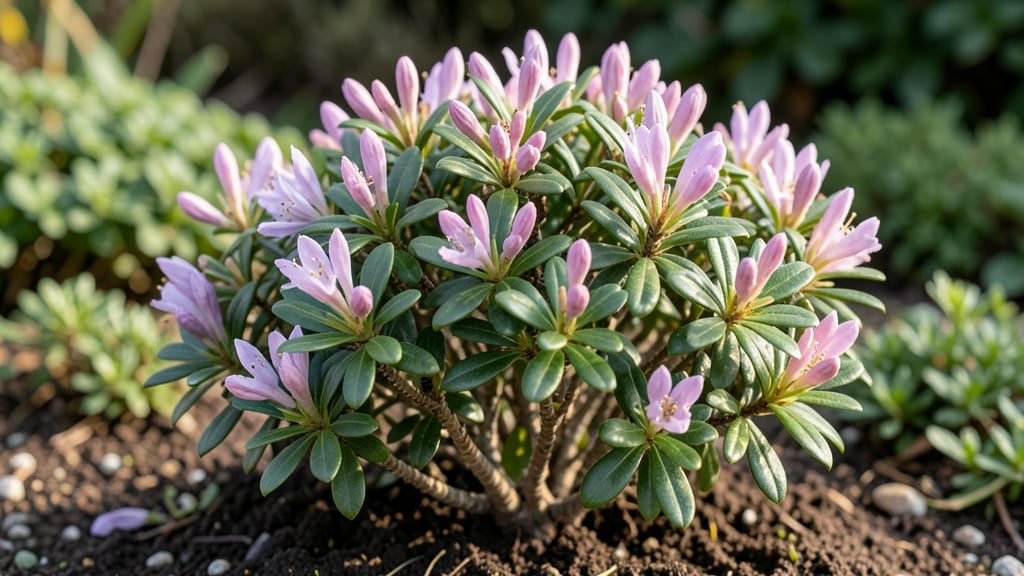
Cold-hardy winter daphne shrubs keep your garden stunning when most plants sleep. 🌿 I’ve grown these striped-foliage beauties through 20-degree winters, and they’ve never skipped a beat—just keep them sheltered from harsh winds.
The secret lies in their natural resilience: thick stems store moisture, and the striped leaves actually help reflect sunlight in winter. Prune lightly in late winter to shape them, but avoid heavy cuts—they bloom on old wood, so patience pays off with fragrant spring flowers.
By late winter, you’ll see fresh growth emerging from the base, proving these shrubs are built for cold climates. Their glossy, striped leaves add drama even when snow blankets the ground. Works beautifully as a focal point, hedge, or mixed-border plant. Here’s how to keep them thriving through the chill.
📚 In This Guide
- What you need
- Instructions
- Tips and common mistakes
- Wrapping up and next steps
What you need
- ● Winter Daphne Shrub: 1-3 bare-root or container-grown plants (choose based on desired size; 1-2 ft tall is ideal for small gardens).
- ● Well-draining soil: 5-10 bags (18-20 lbs each) of a mix like 50% garden soil + 50% perlite or coarse sand (ensures cold resistance).
- ● Organic compost: 1-2 bags (12-18 qt) to enrich soil with nutrients.
- ● Mulch: 1-2 bags (2-3 cubic feet) of wood chips or shredded bark (protects roots from freeze-thaw cycles).
- ● Slow-release fertilizer: 1 bag (10-15 lbs) of balanced 10-10-10 or rose-specific fertilizer (applied sparingly in early spring).
- ● Garden gloves: 1 pair (heavy-duty, water-resistant).
- ● Pruning shears: 1 pair (sharp, bypass-style for clean cuts).
- ● Trowel or spade: 1 (for digging holes; 8-12" depth for roots).
- ● Watering can or hose with nozzle: 1 (drip irrigation is ideal for consistent moisture).
- ○ Plant support (optional): 1-2 stakes or cages (if your shrub grows tall; 3-4 ft stakes work well).
- ○ Frost cloth (optional): 1 roll (for extra protection in <10°F zones; lightweight, breathable fabric).
- ○ Soil pH tester (optional): 1 (aim for slightly acidic 6.0-6.5; adjust with sulfur if needed).
- ○ Decorative stones (optional): 1 bag (for mulch top layer; adds aesthetic appeal).
Step-by-Step guide to planting and caring for winter Daphne shrubs
Here's how to establish these striking, cold-hardy shrubs for vibrant foliage all year long.
🪴 Step 1: Choose the Perfect Planting Location
Winter Daphne thrives in partial shade—think morning sun with afternoon shade protection. I always test the spot by observing how much direct sunlight it gets between 10 AM and 2 PM. Too much hot afternoon sun will scorch those beautiful striped leaves, while too little light dulls the foliage color.
This shrub tolerates USDA zones 5-9, making it perfect for colder climates where other foliage plants struggle. Dig your hole twice as wide as the root ball but only as deep. The top of the root ball should sit just 1 inch above ground level—this prevents waterlogging during winter rains.
🌱 Step 2: Prepare the Soil and Plant Properly
Winter Daphne prefers well-draining, slightly acidic soil (pH 5.5-6.5). If your native soil is heavy clay, amend it with 2-3 inches of compost mixed into the bottom of the planting hole. I like to add a handful of sulfur to lower pH if needed—just follow package directions for your soil type.
Gently remove the plant from its container and loosen any circling roots. Place it in the hole so the root flare (where roots meet stem) is visible above the soil line. Backfill with native soil mixed with compost, tamping lightly every 2 inches to eliminate air pockets. Water deeply to settle the soil around roots.
💧 Step 3: Establish Proper Watering and Mulching
Water deeply once a week during the first growing season, providing 1-2 gallons per plant. You'll know you've watered enough when soil 6 inches down feels moist but not soggy. Overwatering is the #1 killer of newly planted shrubs—always check before watering again.
Apply 3 inches of organic mulch (like pine bark or shredded leaves) around the base, keeping it 6 inches away from the stem. This protects roots from winter temperature swings and retains moisture. Replenish mulch annually in late winter before new growth begins.
☀️ Step 4: Prune for Shape and Health
Prune Winter Daphne immediately after flowering in early spring. Cut back any dead or crossing branches with clean, sharp pruners to maintain an open, airy shape. I never remove more than 25% of the plant in one season—this keeps the foliage dense and vibrant.
For mature shrubs, thin out older stems at the base to encourage new growth. The goal is to create a multi-stemmed shrub with good air circulation. Avoid heavy pruning in late summer—new growth won't harden off before winter and may get damaged by frost.
⏰ Step 5: Winterize for Cold Protection
Winter Daphne is cold-hardy, but young plants benefit from extra protection. In zones 5-6, mound 4-6 inches of mulch around the base after the first hard frost. For container-grown plants, wrap the pot in bubble wrap and bury it in the ground or move to a sheltered location.
Established shrubs need minimal winter care, but I always check for winter burn (brown leaf edges) in late winter. If you see this, simply trim away damaged foliage in early spring—new growth will emerge healthy and vibrant.
Tips & tricks for perfect winter Daphne planting
Took me a while to figure these out, so here goes—small details make all the difference with this dramatic foliage plant.
Lighting Test: Before planting, spend a full day testing your spot between 10 AM and 2 PM. Place a small white board where you plan to plant—if it gets more than 2 hours of direct sun, those striped leaves will bleach out. I learned this the hard way after watching my first plant turn sad and patchy.
Root Ball Placement: That 1-inch elevation above ground level in Step 1 is critical. Too deep and roots suffocate; too high and they dry out. I use a level to verify—just a slight tilt can cause uneven water distribution. For container plants, ensure drainage holes are present before planting.
Soil pH Check: Grab a soil test kit (they're cheap!) before amending. Winter Daphne thrives at pH 5.5-6.5—if your soil tests higher, add sulfur gradually. I start with 1 tablespoon per hole and monitor leaf color. Yellowing leaves mean it's time for more acidity adjustment.
Mulch Timing: That 3-inch mulch layer in Step 3 should go on immediately after planting. Wait too long, and roots won't establish properly before winter. I use pine bark because it breaks down slowly, but shredded leaves work too. Just keep it 6 inches from the stem to prevent rot.
Pro Tips for Winter Daphne Shrub
- Took me a while to figure these out, so here goes—small details make all the difference with this dramatic foliage plant.
- Lighting Test: Before planting, spend a full day testing your spot between 10 AM and 2 PM.
- Root Ball Placement: That 1-inch elevation above ground level in Step 1 is critical.
Frequently asked questions
Got questions about keeping your Winter Daphne shrub thriving? Here are some common ones—and their answers!
How cold can Winter Daphne shrubs tolerate?
The Winter Daphne (Daphne odora 'Aureomarginata') is one of the most cold-hardy varieties, surviving temperatures as low as -15°F (-26°C). However, young plants or newly planted shrubs may need extra winter protection (like mulch or burlap wraps) until established. Once mature, they’re tough enough for harsh winters!
When is the best time to prune Winter Daphne?
Prune your Winter Daphne right after flowering (late winter to early spring) to avoid cutting off next year’s blooms. Avoid heavy pruning—these shrubs have a delicate structure. A light trim to shape or remove dead wood is all they need. Never prune in fall, as it can stimulate late growth that won’t harden off before winter.
Can I grow Winter Daphne in containers?
Yes! Winter Daphne thrives in containers, making it perfect for patios or small gardens. Use a well-draining potting mix and a pot with drainage holes. In winter, move containers to a sheltered spot (like against a wall) or wrap the pot in bubble wrap to protect roots. Just ensure they get 6+ hours of sunlight daily for best results.
Why aren’t my Winter Daphne leaves striped like they should be?
If your shrub’s leaves are losing their signature cream-edged stripes, it’s often due to too much shade or over-fertilizing with high-nitrogen feeds. Ensure it gets full sun to partial shade and use a balanced, low-nitrogen fertilizer (like 10-10-10) in early spring. Variegation can also fade with age, but proper care keeps it vibrant!
Do Winter Daphne shrubs need winter protection?
Mature shrubs usually handle winter well, but young plants or those in exposed areas benefit from extra care. Apply a 3-inch layer of mulch around the base (but not touching the stem) to insulate roots. For extra safety, wrap the shrub in burlap or frost cloth in late fall, removing it in early spring. Avoid heavy snow buildup on branches—gently brush it off to prevent damage.
Wrapping up and next steps
Adding a winter daphne shrub to your garden is a game-changer—its cold-resistant, striped foliage brings year-round drama with minimal fuss. Whether you’re a seasoned gardener or just starting, this hardy plant thrives in tough conditions, offering beauty without the high-maintenance demands.
Ready to transform your outdoor space? Start by selecting your variety, prepping the soil, and planting with confidence! Your winter garden just got an upgrade. 🌿✨