
Vegetables
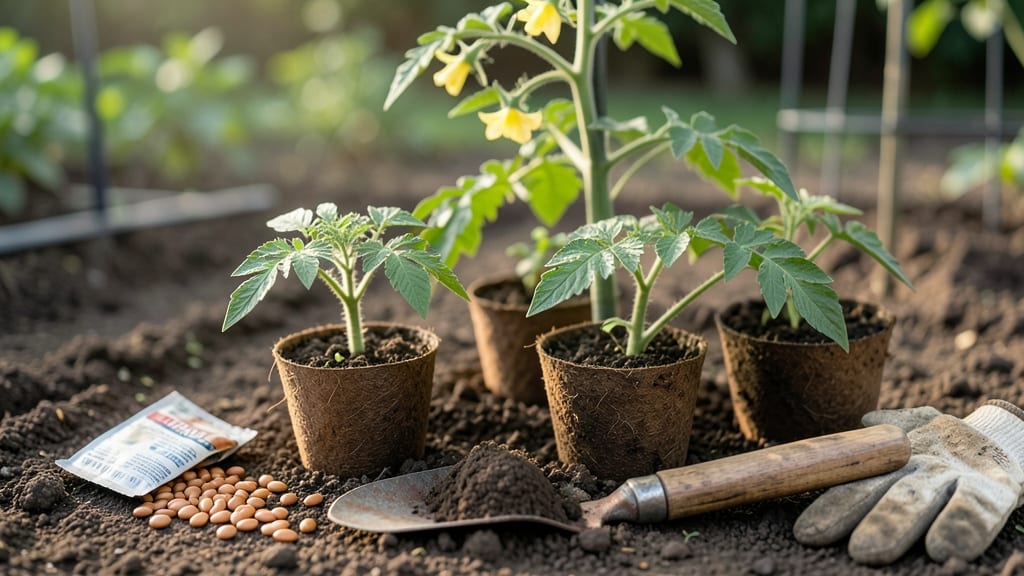
Seeding Roma tomatoes indoors gives you a head start on the season—especially when you want those cold-resistant starts that outperform store-bought seedlings. 🌱 I’ve grown Roma tomatoes for years, and the secret to their success lies in timing, soil warmth, and patience.
These plump, meaty tomatoes thrive when started just right, and the payoff is worth every minute of care.
The trick starts with warm soil—Roma tomatoes germinate best when soil stays between 75-85°F, which is why indoor seeding is ideal. Use seed-starting mix in small pots or trays, plant seeds ¼ inch deep, and keep them moist but not soggy.
A heat mat or sunny windowsill can speed up germination, which typically takes 7-14 days. Once sprouted, give them 12-16 hours of light daily to prevent leggy seedlings.
By the time you transplant them outdoors—around 2-3 weeks after your last frost—your Roma tomatoes will be stocky, dark green, and ready to take over your garden. The key is hardening them off for 7-10 days before planting, which means gradually exposing them to outdoor conditions.
With the right start, you’ll harvest juicy, paste-perfect tomatoes by mid-summer, and the flavor will make every early effort worth it.
This method works for small spaces, containers, or full gardens, and it’s beginner-friendly once you nail the basics. Whether you’re growing for sauce, slicing, or canning, Roma tomatoes reward patience with a harvest that’s unbeatable in flavor and productivity. Let’s get those seeds going!
📚 In This Guide
- What you need
- Instructions
- Tips and common mistakes
- Wrapping up and next steps
What you need
- ● Roma tomato seeds: 1–2 packets (or 10–15 seeds per plant, spaced 18–24" apart). Choose cold-hardy varieties like 'Roma VF' or 'Roma Red'.
- ● Seed-starting trays: 72-cell or 1020-cell trays (biodegradable or plastic).
- ● Seed-starting mix: 10–15 lbs of sterile, well-draining potting mix (avoid garden soil—it’s too dense!).
- ● Grow lights or sunny windowsill: 12–16 hours of light daily (south-facing window or LED grow lights, 2–3 ft above seedlings).
- ○ Heat mat (optional but helpful): A seedling mat (70–80°F range) to speed up germination in cooler climates.
- ● Spray bottle: For gentle watering (avoid oversaturating seeds!).
- ● Plastic wrap or humidity dome: To retain moisture while seeds germinate.
- ● Fertilizer: Balanced liquid fertilizer (5-5-5 or 10-10-10) diluted to half-strength for seedlings.
- ● Transplant pots (3–4" size): For hardening off seedlings before outdoor planting.
- ● Seedling labels: To track varieties and planting dates.
- ● Fungicide (like neem oil or copper spray): Prevents damping-off disease in humid conditions.
- ● pH test kit: Ensures soil pH is 6.0–6.8 (ideal for tomatoes).
- ● Row covers or cold frames: Extends the growing season in chilly areas.
- ● Pruning shears: For pinching suckers later in the season.
- ● Stakes or cages: 5–6 ft tall to support vines as they grow.
Step-by-step instructions for seeding Roma tomatoes
Here’s how to get cold-hardy, vigorous Roma tomato starts that thrive even in cooler climates.
🌱 Step 1: Time Your Seeds for Cold Tolerance
Roma tomatoes tolerate cooler temperatures better than most varieties, but timing matters. Start seeds 8-10 weeks before your last frost date—this gives them time to develop strong roots before cooler soil sets in. I like to use biodegradable peat pots (they eliminate transplant shock) and fill them with sterile seed-starting mix (never garden soil—it’s too dense and can harbor diseases).
Moisten the mix with lukewarm water until it’s damp but not soggy—think of a wrung-out sponge. Press the soil down gently to remove air pockets, then make a small ¼-inch-deep hole with your finger. Drop 1-2 seeds per pot (you’ll thin later) and cover lightly with extra mix. Roma seeds germinate best at 75-85°F, so a seedling heat mat helps speed things up in cooler homes.
💧 Step 2: Germinate Under Humidity and Warmth
Cover the pots with a clear plastic dome or plastic wrap to trap warmth and moisture—this mimics the greenhouse effect. Place them in a warm, dark spot (like on top of the fridge) until sprouts appear, which usually takes 5-10 days. Avoid watering from above now; instead, mist the soil lightly with a spray bottle to keep it evenly moist.
Once 50% of seeds have sprouted, remove the dome immediately. Trapped humidity after germination invites damping-off, a fungal disease that collapses seedlings overnight. Move the pots to a bright, indirect light spot (like a south-facing window) and keep the soil surface slightly damp—never soggy. You’ll see the first true leaves (not the initial seed leaves) in about 2 weeks, signaling it’s time to adjust care.
☀️ Step 3: Provide Strong Light for Stocky Growth
Roma seedlings need 14-16 hours of light daily to avoid leggy growth. A full-spectrum LED grow light positioned 2-4 inches above the plants works best—raise it as they grow to maintain that distance. Without enough light, stems stretch thin and pale, and leaves grow far apart. Strong seedlings have thick stems, deep green color, and compact spacing between leaves.
Rotate the pots a quarter turn daily so they grow straight instead of leaning toward the light. If you notice seedlings bending toward the window, your light is too far away. Roma tomatoes also appreciate cool nights (55-60°F) after germination—open a window or use a fan to circulate air and toughen them up for transplanting later.
⏰ Step 4: Harden Off for Cold-Resistant Transplants
Two weeks before your last frost date, start hardening off the seedlings. Place them outside in a sheltered, shaded spot for 1-2 hours the first day, then gradually increase outdoor time by 1 hour daily over 10-14 days. This slows down their growth and thickens their cell walls, making them more cold-resistant. Roma tomatoes can handle light frosts (down to 28°F) if hardened off properly.
Watch for wilting or leaf burn—if you see it, they’re not ready yet. Once seedlings tolerate a full day outside without stress, they’re ready for the garden. Transplant on an overcast afternoon to reduce shock, and water deeply at the base. Mulch with straw or grass clippings to protect roots from temperature swings and retain moisture.
Tips & tricks for perfect cold-resistant Roma tomato starts
These insider tricks will help you grow robust, cold-hardy Roma tomato seedlings that outperform store-bought plants.
Seedling Heat Mat Secret: If your home stays below 70°F, a seedling heat mat set to 75-85°F is worth every penny. I've seen germination rates jump from 60% to 90% with consistent warmth. Place the pots directly on the mat during the 5-10 day germination period—this mimics greenhouse conditions without the equipment. For extra insurance, cover the pots with a clear plastic dome to trap warmth and moisture, but remove it immediately once 50% of seeds sprout to prevent damping-off.
Lighting Strategy for Stocky Growth: The 14-16 hours of daily light requirement is non-negotiable for Roma tomatoes, but quality matters more than quantity. Position your full-spectrum LED grow light just 2-4 inches above the seedlings and adjust as they grow. Here's my pro move: I use a timer to automatically turn the light on at 6am and off at 8pm, ensuring consistent light exposure. Watch for seedlings bending toward the light—this means they need to move closer or you need a stronger light source. Strong seedlings should have dark green leaves with compact spacing between them.
Harden Off Like a Pro: The gradual 1-2 hour daily increase over 10-14 days is crucial for cold resistance. I like to start with morning sun exposure when temperatures are cooler, then add afternoon time as the days warm. Pay close attention to wilting or leaf burn—these are clear signs your seedlings aren't ready for more time outside. Roma tomatoes can handle light frosts down to 28°F when properly hardened off, but don't push it. Transplant on an overcast afternoon to minimize stress on your hard work.
Pro Tips for Seeding Roma Tomatoes
- These insider tricks will help you grow robust, cold-hardy Roma tomato seedlings that outperform store-bought plants.
- Seedling Heat Mat Secret: If your home stays below 70°F, a seedling heat mat set to 75-85°F is worth every penny. I'v...
- Lighting Strategy for Stocky Growth: The 14-16 hours of daily light requirement is non-negotiable for Roma tomatoes, ...
Frequently asked questions
Got questions about seeding Roma tomatoes?
You’re not alone! Here are answers to the most common queries to help you grow like a pro.
When is the best time to start Roma tomato seeds indoors?
For most climates, seed Roma tomatoes 6–8 weeks before your last frost date. Since they’re cold-resistant, they can handle cooler soil temps (around 50°F) better than other varieties. Use a seed-starting heat mat if your home stays chilly—consistent warmth (70–80°F) speeds up germination.
Can I direct-sow Roma tomato seeds outside instead of starting indoors?
Yes, but only if your soil is warm (at least 60°F) and frost-free. Roma tomatoes tolerate cooler conditions, but direct sowing risks slower growth and pests. If you try it, plant seeds ½ inch deep in well-drained soil and keep them moist. For best results, start indoors first!
How long does it take for Roma tomato seeds to germinate?
Germination usually takes 7–14 days at 70–80°F. Keep seeds in a humid, warm environment with bright (but indirect) light. If they don’t sprout in 2 weeks, gently check for mold or rot—discard and replant if needed. Patience pays off!
What’s the trick to transplanting seedlings without shocking them?
Hardening off seedlings 1–2 weeks before transplanting is key! Gradually expose them to outdoor conditions (sun, wind, cooler temps) for a few hours daily. Water seedlings thoroughly before transplanting and plant them deeper than the seedling pot—Roma tomatoes love extra stem buried for stronger roots.
Why are my Roma tomato seedlings leggy or weak?
Leggy seedlings usually mean too little light or overcrowding. Move them to a sunny windowsill or grow lights (12–16 hours/day) and thin seedlings to 2 inches apart. If they’re already stretched, bury them deeper when transplanting—the buried stem will root and strengthen the plant.
Do Roma tomatoes need special care in hot or cold weather?
Roma tomatoes handle cooler temps better than most, but avoid planting when nights drop below 50°F. In heat, mulch plants to retain moisture and provide afternoon shade if temps exceed 90°F. If frost threatens, cover seedlings with row fabric or a cloche—these tough plants will bounce back!
Wrapping up and next steps
Seeding Roma tomatoes is your ticket to a flavorful, cold-hardy harvest—even in cooler climates! With the right soil, timing, and care, you’ll enjoy juicy, meaty tomatoes perfect for sauces, salsas, and fresh eating. Start small, stay patient, and soon you’ll be reaping the rewards of your green-thumbed efforts.
Ready to dive in? Grab those seeds, prep your containers, and get growing! Share your progress with fellow gardeners or plan your next crop—maybe even experiment with heirloom varieties. Your garden awaits! 🌱