
Vegetables
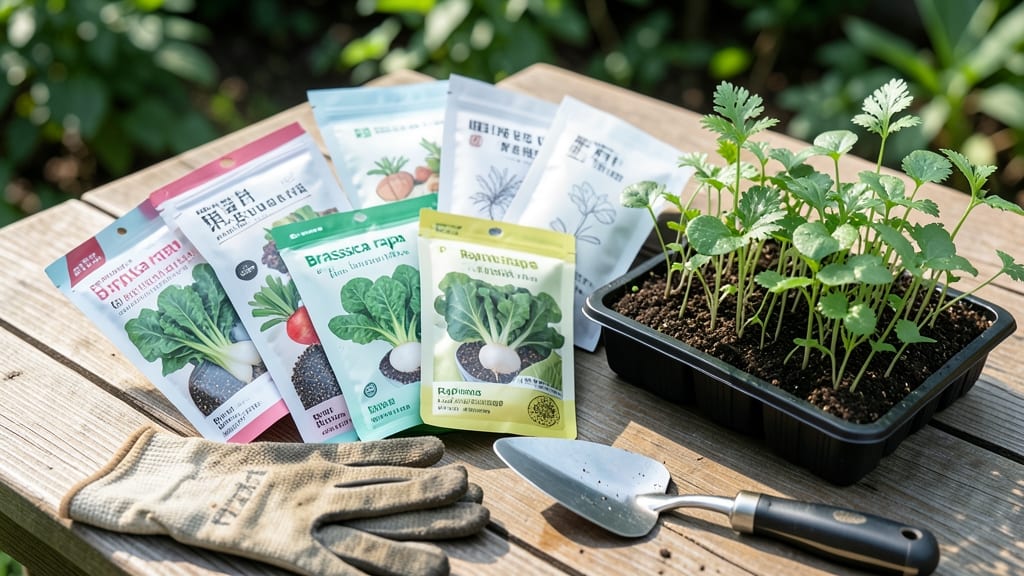
Growing Asian vegetables from seed delivers fresh, vibrant harvests in just 30-60 days—no waiting months like with heirloom tomatoes. 🌱 I’ve grown everything from Thai basil to baby bok choy, and the secret lies in choosing fast-maturing varieties that thrive in warm climates (or even cool seasons with the right timing).
The right seeds transform your garden into a flavor powerhouse, whether you’re growing for stir-fries, salads, or pickling.
Start with quick-maturing varieties like Tatsoi (40 days), Pak Choi (30 days), or Daikon (60 days)—these are the workhorses of Asian seed gardens. They handle heat and humidity better than many Western veggies, and their shallow roots make them perfect for containers or small spaces.
The key? Well-draining soil with a slightly acidic pH (6.0-6.8) and consistent moisture—never soggy, but never bone-dry. A simple 50/50 mix of compost and potting soil works wonders.
By day 30, you’ll be harvesting crisp, tender greens that outshine anything from the grocery store. The flavor? Bright, peppery, and packed with umami—nothing like the wilted, bland versions you’ve probably bought.
Plus, these plants are pest-resistant when healthy, so you’ll spend less time spraying and more time eating. The best part? Many varieties reseed themselves, giving you a near-endless supply with minimal effort.
Whether you’re in a hot southern climate or a cool northern zone, these seeds adapt—just adjust planting times. Direct-sow in early spring or late summer for fall harvests, and use shade cloth in peak summer heat.
The payoff? Bold, homegrown flavors that make every bite feel like a celebration. Ready to grow your own Asian garden? Let’s get those seeds in the soil!
📚 In This Guide
- What you need
- Instructions
- Tips and common mistakes
- Wrapping up and next steps
What you need
- ● Seeds: Choose 3–5 quick-growing Asian varieties like: Bok choy (10–15 seeds)
- ● Pak choi (5–10 seeds)
- ● Daikon radish (3–5 seeds)
- ● Chinese long beans (5–8 seeds)
- ● Thai basil (3–5 seeds)
- ● Growing Medium: Potting mix (2–3 bags, well-draining)
- ● OR garden soil (amended with compost)
- ● Containers: 5–10" deep pots (for seedlings, 1–2 per plant)
- ● OR garden beds (6" deep minimum)
- ● Basic Tools: Hand trowel
- ○ Garden gloves (optional but helpful!)
- ● Spray bottle (for watering seedlings)
- ○ Optional (But Helpful!): Seed starter tray (for early sowing)
- ● Grow lights (if indoors, 12–16 hrs/day)
- ● Mulch (straw or shredded leaves)
- ● Fertilizer (balanced 10-10-10 or compost tea)
- ● Sunlight: 6+ hours/day (partial shade for leafy greens like bok choy)
- ● Temperature: Ideal: 60–75°F (15–24°C)
- ● Avoid frost (most seeds need 50°F+ (10°C+) to germinate)
- ● Water: Consistent moisture (keep soil damp but not soggy)
Quick start guide for Asian vegetable seeds
Here's how to get fast, flavorful Asian greens and roots growing in record time.
🌱 Step 1: Select Fast-Germinating Asian Varieties
Choose quick-maturing varieties like bok choy (28-35 days), pak choi (30-40 days), or shungiku (40-50 days) for bold harvests. These varieties thrive in cool weather and deliver harvestable greens faster than most leafy crops. I always check seed packets for "early maturity" labels—those are your fastest bets for home gardens.
For roots, daikon radish (30-40 days) and Chinese cabbage (50-60 days) are excellent choices. These grow quickly but need consistent moisture to develop their signature textures. I've found that smaller varieties like Tokyo Bekana produce faster than their larger cousins.
💧 Step 2: Prepare Soil and Plant at Optimal Depth
Work 2-3 inches of compost into the top 6 inches of soil to create a loose, fertile bed. Asian vegetables prefer slightly acidic to neutral soil (pH 6.0-7.0). I test my soil annually and amend with dolomitic lime if needed—this ensures the plants won't struggle with nutrient deficiencies during their rapid growth phase.
Sow seeds ¼ inch deep in rows spaced 12-18 inches apart, depending on the variety. Thin seedlings to 3-4 inches apart once they reach 2 inches tall—this prevents overcrowding and encourages larger, more flavorful heads. I use a small hand trowel to carefully remove excess seedlings, always keeping the strongest ones with the most vibrant color.
☀️ Step 3: Maintain Consistent Moisture and Light
Keep soil consistently moist but never waterlogged—Asian vegetables hate soggy roots. I water deeply in the morning and again in the evening, aiming for 1-1.5 inches of water per week. A drip irrigation system works best for even moisture distribution, especially during their quick growth phase.
Provide 4-6 hours of direct sunlight daily for optimal growth. While these varieties tolerate partial shade, they'll grow faster and develop better flavor in full sun. I've seen bok choy bolt within days if it gets too hot, so I always provide afternoon shade during peak summer months.
⏰ Step 4: Harvest at Peak Flavor and Maturity
Harvest leafy greens like bok choy and pak choi when they reach 6-8 inches tall—this is when their flavor peaks. Use a sharp knife to cut just above the soil line, leaving the roots intact for regrowth. I can get 3-4 harvests from a single planting this way, extending my season significantly.
For root vegetables, harvest when they reach the size specified on the seed packet. Daikon radishes, for example, should be pulled when they reach 1-2 inches in diameter for the best texture. I always check the soil moisture before harvesting—dry soil can make roots tough and woody, while overly wet soil leads to slimy, waterlogged produce.
✂️ Step 5: Succession Plant Every 2-3 Weeks
To maintain a steady supply of fresh Asian vegetables, I plant new seeds every 2-3 weeks throughout the growing season. This staggered approach ensures I always have something ready to harvest, whether it's for stir-fries, salads, or fermenting.
Keep a planting calendar nearby to track your succession schedule. I mark my calendar with the last frost date and count backward to determine my first planting time. This method guarantees a continuous harvest window of 8-10 weeks, perfect for home cooks who love fresh, homegrown Asian flavors.
Tips & tricks for fast-growing Asian vegetables
Here's what I've learned from years of growing these speedy Asian varieties—tricks that cut down on waiting time while maximizing flavor.
Variety Selection Matters: When choosing your seeds, prioritize those labeled "early maturity" or "quick harvest." The 28-35 day range for bok choy and pak choi is achievable, but only if you start with fresh, high-quality seeds. I've seen packets from reputable suppliers like Baker Creek Heirloom Seeds or Johnny's Selected Seeds deliver the fastest results. Avoid seeds from discount bins—they often have lower germination rates, which means delayed harvests. For roots like daikon radish, opt for the 1-2 inch diameter varieties—they mature faster than their larger counterparts.
Soil Preparation Shortcut: Instead of testing your soil pH (which takes time), I've found that simply mixing 2-3 inches of compost with a handful of pelletized chicken manure into the top 6 inches of soil creates the perfect slightly acidic to neutral environment these vegetables crave. The compost provides organic matter, while the chicken manure gives an immediate nitrogen boost for leafy greens. This combo eliminates the need for chemical amendments and gets your plants off to a running start.
Watering Hack for Busy Gardeners: The 1-1.5 inches of water per week guideline works, but here's how to make it foolproof: Install a simple rain gauge near your planting area. Every morning, check it—if it shows less than 0.25 inches, give your plants a deep watering. This method prevents overwatering while ensuring consistent moisture. For containers, I use self-watering pots with moisture meters to maintain that critical balance without daily attention. Remember, Asian vegetables hate soggy roots, but they also won't tolerate drought stress during their rapid growth phase.
Harvest Timing Secret: For leafy greens, the 6-8 inch height guideline is perfect, but here's the pro move: Harvest in the morning when the plants are fully hydrated. This gives you the crispest texture and most vibrant color. For roots, gently loosen the soil around the base before pulling—this prevents damage to nearby plants. I've found that harvesting every 2-3 days for leafy greens encourages continuous regrowth, giving you that promised 3-4 harvests from a single planting. Just be sure to use a sharp knife or clean scissors to avoid tearing the leaves.
Pro Tips for Seeds For Asian Vegetables
- Here's what I've learned from years of growing these speedy Asian varieties—tricks that cut down on waiting time while maximizing flavor.
- Variety Selection Matters: When choosing your seeds, prioritize those labeled "early maturity" or "quick harvest."
- The compost provides organic matter, while the chicken manure gives an immediate nitrogen boost for leafy greens.
Frequently asked questions
Got questions about growing Asian vegetables from seed? You’re not alone! Here are answers to the most common queries to help you cultivate a thriving harvest with confidence.
What are the easiest Asian vegetables to grow from seed for beginners?
Start with bok choy, shungiku (edible chrysanthemum), or thai basil—they’re fast-growing, forgiving, and packed with flavor. These varieties thrive in partial shade and tolerate cooler temps, making them perfect for first-timers. Check the materials section for soil and spacing tips!
How long does it take for Asian vegetable seeds to germinate?
Germination times vary: bok choy and pak choi sprout in 5–10 days, while bitter melon or long beans may take 10–14 days. Keep soil moist (not soggy) and warm (70–85°F) for best results. Pro tip: Use a heat mat if your climate is cool!
Can I grow Asian vegetables in containers or small spaces?
Shiso, microgreens, and baby bok choy thrive in 5–12" pots. Choose compact varieties like ‘Tokyo Bekana’ (bok choy) or ‘Red Malabar’ spinach. Just ensure pots have drainage holes and use a lightweight potting mix. Balcony gardening? No problem!
What should I do if my Asian vegetable seeds don’t sprout?
Try these fixes:
- Check soil moisture—seeds need consistent dampness (not waterlogged).
- Verify temperature—some seeds (like daikon) need warmth to germinate.
- Test seed viability—soak a few in water; if they sink, they’re likely good. Otherwise, order fresh seeds!
- Consider scarification or soaking hard-coated seeds (e.g., mung beans) for 12–24 hours.
Are there any Asian vegetables I can grow year-round?
In mild climates, bok choy, shungiku, and thai basil often grow year-round. For colder areas, use row covers or grow under lights in winter. Heat-lovers like bitter melon or chili peppers need summer’s warmth. Plan ahead—succession planting keeps your kitchen stocked!
Wrapping up and next steps
Growing your own Asian vegetables is a rewarding journey that brings vibrant flavors and freshness right to your table! Whether you’re a seasoned gardener or just starting out, these quick-growing seeds make it easier than ever to enjoy bold harvests.
From crisp bok choy to fiery Thai basil, your garden can become a taste adventure—just plant, nurture, and watch your hard work bloom.
Ready to take the next step? Start small with a few seed packets, experiment with varieties, and soon you’ll be savoring homegrown goodness. Happy planting! 🌱✨