
Vegetables
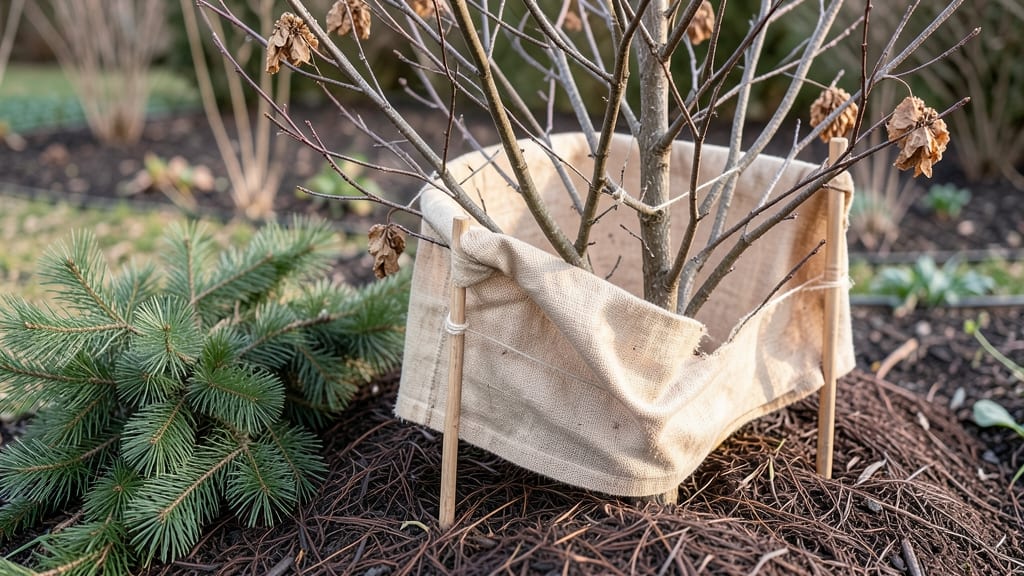
Shrub winter protection keeps your shrubs alive through brutal winters—no more brown, frozen stumps by spring. 🌿 I’ve lost shrubs to winter winds and freeze-thaw cycles, but these techniques have saved mine for years, even in Zone 4 where temperatures drop to -20°F. The key? Combining mulch, wraps, and strategic pruning before the ground freezes.
Start with 3-4 inches of mulch around the base (but not touching stems) to insulate roots. For tender shrubs like hydrangeas or azaleas, add burlap wraps or snow fences to block wind.
Prune dead branches in early spring—never in fall—so new growth isn’t exposed to cold. The goal? Mimic nature’s snow blanket while preventing moisture buildup that leads to rot.
By spring, your shrubs will burst back to life with vibrant green growth, not the sad, stunted regrowth of neglected plants. Even in harsh climates, this method works—just adjust timing based on your first frost date. No more guessing: just layers of protection tailored to your shrubs’ needs.
Works for evergreens, deciduous, and tropical varieties alike. Here’s how to adapt for your specific plants and climate—no more winter losses!
📚 In This Guide
- What you need
- Instructions
- Tips and common mistakes
- Wrapping up and next steps
What you need
- ● Burlap or landscape fabric: 1–2 rolls (enough to wrap shrubs 2–3 feet tall; 4–6 feet wide). Opt for breathable fabric to prevent rot.
- ● Mulch: 4–6 bags (straw, pine needles, or shredded leaves; avoid fresh wood chips—they can compact and suffocate roots).
- ● Anti-desiccant spray: 1 gallon (e.g., Wilt-Pruf or Dormant Oil Spray to seal leaf surfaces and reduce moisture loss).
- ● Stakes or wire mesh: 4–6 stakes (for tall shrubs) or 1 roll of 1-inch wire mesh (to create a protective cage for delicate varieties).
- ● Garden twine or zip ties: 1 roll (to secure fabric/wraps tightly).
- ● Pruners: 1 pair (for trimming dead or damaged branches before wrapping).
- ● Gloves and long sleeves: 1 pair each (to protect your hands and arms from thorns or rough bark).
- ● Frost cloth: 1–2 sheets (for extra insulation in Zone 5 or colder; lighter than burlap but still breathable).
- ● Reflective bubble wrap: 1 roll (cut into strips to wrap young or tender stems—like a tiny greenhouse!).
- ● Soil conditioner: 1 bag (e.g., compost or mycorrhizal fungi to boost root health before winter).
- ● Thermometer: 1 (to monitor soil temps—ideal range: 35–45°F for most shrubs).
Step-by-step guide to layered shrub winter protection
Here's how to shield your shrubs from harsh winters using a proven, multi-layered approach.
🌿 Step 1: Assess Shrub Hardiness and Timing
First, identify which shrubs need protection by checking their USDA hardiness zones. Tender varieties like hydrangeas or boxwoods below zone 6 will benefit most. I always wait until the ground freezes but before heavy snowfall—usually late November in my zone 5 climate. Watch for consistent nighttime temperatures below 20°F as your signal.
Gently inspect each shrub for signs of stress like wilting or brown tips. Prune any dead or diseased branches now—this prevents pests from overwintering in damaged wood. I use clean, sharp pruners and sterilize them with rubbing alcohol between cuts to avoid spreading pathogens.
🪴 Step 2: Create a Physical Barrier Against Cold Winds
Build a windbreak using burlap sacks or cardboard boxes wrapped around the shrub's base. Secure them with twine or landscape staples, leaving the top open. This creates a microclimate that traps heat. I like to use 3-4 feet of height for medium shrubs, adjusting for taller varieties.
For extra protection, add a layer of straw or leaves around the base up to the windbreak. This insulates the roots while allowing airflow to prevent rot. Avoid plastic or dense materials—they trap moisture and can suffocate the plant.
☀️ Step 3: Apply Mulch for Root Insulation
Spread a 3-4 inch layer of mulch around the shrub's base, keeping it 6 inches away from the trunk to prevent rot. I use a mix of shredded bark and pine needles because they break down slowly and add organic matter. Avoid fresh wood chips—they draw nitrogen from the soil as they decompose.
Rake the mulch evenly, creating a gentle slope away from the trunk. This directs melting snow and rainwater away from the plant. For extra cold snaps, I top the mulch with a lightweight frost blanket draped loosely over the windbreak. Remove it during daytime thawing to prevent overheating.
✂️ Step 4: Wrap Tender Stems for Additional Protection
For shrubs with thin stems or broadleaf varieties, wrap individual branches with burlap strips or tree wrap. Secure them loosely to allow airflow. I avoid plastic wrap—it traps moisture and can cause bark damage. The goal is to mimic the plant's natural insulation while preventing physical injury from ice or snow.
For larger shrubs, I use wire cages or hoops covered with frost cloth. This creates a protective dome that shields the entire plant. Leave the bottom open to prevent trapped moisture. Check weekly during winter—if snow accumulates, gently brush it off to avoid branch breakage.
⏰ Step 5: Monitor and Adjust Through Winter
Check your shrubs every 2-3 weeks during winter. Look for signs of stress like gray mold or mushy stems—these indicate trapped moisture. If temperatures drop below -10°F, add an extra layer of insulation, especially for newly planted shrubs.
In early spring, remove all protective materials as soon as daytime temperatures consistently stay above 40°F. I start with the frost blankets and windbreaks, then wait a week before removing mulch. This gradual exposure prevents shock and allows the plant to acclimate naturally.
Tips & tricks for perfect shrub winter protection
These practical strategies will help you create an effective, long-lasting protective system for your shrubs.
Timing is Everything: The key to successful winter protection is acting at the right moment. In zone 5, I've found that waiting until the ground freezes but before heavy snowfall—typically late November—gives shrubs time to harden off naturally. Use a minimum thermometer to confirm nighttime temperatures consistently stay below 20°F before starting. This timing window is critical because shrubs need to be fully hardened but not yet frozen solid.
Material Selection Matters: When creating windbreaks or wrapping stems, prioritize breathable materials that allow airflow while blocking wind. I've had the best results with burlap sacks and tree wrap because they mimic natural insulation patterns. Avoid plastic—it creates condensation that can lead to rot or fungal growth. For mulch, I recommend a mix of shredded bark and pine needles because they decompose slowly and add organic matter without drawing nitrogen from the soil.
Layering Strategy: The most effective protection comes from combining multiple layers. Start with the windbreak to block cold winds, then add the mulch layer for root insulation, and finally wrap tender stems. This layered approach creates a microclimate that maintains stable temperatures around the plant. Remember to leave gaps in your protective materials—this prevents moisture buildup while still trapping heat. Think of it like dressing for winter: you wear layers that can be adjusted rather than one thick, suffocating blanket.
Monitoring and Maintenance: Winter isn't a time to set and forget your shrubs. Check your protective setup every 2-3 weeks to ensure nothing has shifted or become damaged. Pay special attention after snowstorms—accumulated snow can compress and damage branches. If temperatures drop below -10°F, add an extra layer of insulation, particularly for newly planted shrubs that haven't established strong root systems. This proactive approach prevents winter damage before it starts.
Pro Tips for Shrub Winter Protection
- These practical strategies will help you create an effective, long-lasting protective system for your shrubs.
- Timing is Everything: The key to successful winter protection is acting at the right moment. In zone 5, I've found th...
- Material Selection Matters: When creating windbreaks or wrapping stems, prioritize breathable materials that allow ai...
Frequently asked questions
Got questions about keeping your shrubs cozy through winter?
You’re not alone! Here are some of the most common concerns—and straightforward answers—to help you shield your plants like a pro.
When should I start protecting my shrubs for winter?
Start before the first hard frost—usually 4-6 weeks ahead of winter in most climates. Early prep gives roots time to adjust, and mulch or burlap can be added gradually as temps drop. If you’re in a mild zone, wait until nighttime temps consistently dip below 30°F (-1°C).
Can I use regular mulch, or do I need something special?
Regular mulch (like straw or shredded leaves) works for mild winters, but for harsh climates, opt for 6+ inches of organic mulch (wood chips, pine straw) combined with burlap wraps or frost cloth. Avoid thick layers that suffocate roots—aim for 3–4 inches over soil, not the plant itself.
What if my shrubs are already dormant? Is it too late?
Not too late! Even dormant shrubs benefit from late-season protection. Add mulch or wrap stems with burlap if temps are forecasted to drop below 20°F (-7°C). Just avoid compacting soil or trapping moisture, which can rot roots.
How do I remove winter protection in spring?
Wait until consistent daytime temps above 50°F (10°C) before unwrapping or pulling back mulch. Remove burlap/wraps first, then fluff mulch to prevent soil compaction. Pro tip: Spread mulch back 2–3 inches from the stem to allow airflow and deter pests.
What if my shrubs look wilted or damaged after winter?
Don’t panic! Prune dead branches in early spring (when new growth starts). If roots are exposed or soil is waterlogged, amend with compost and monitor for pests. Most shrubs bounce back—just give them time and proper care.
Wrapping up and next steps
Protecting your shrubs with layered insulation isn’t just about survival—it’s about setting them up for vibrant, resilient growth come spring! 🌱 By bundling up your plants with mulch, burlap, and frost cloth, you’re giving them the cozy, stable environment they need to thrive.
Don’t let winter catch you off guard—start prepping now, and your garden will thank you with lush, healthy foliage for seasons to come.
Ready to take action? Grab your supplies, roll up your sleeves, and give your shrubs the winter care they deserve! 🌡️✨