
Vegetables
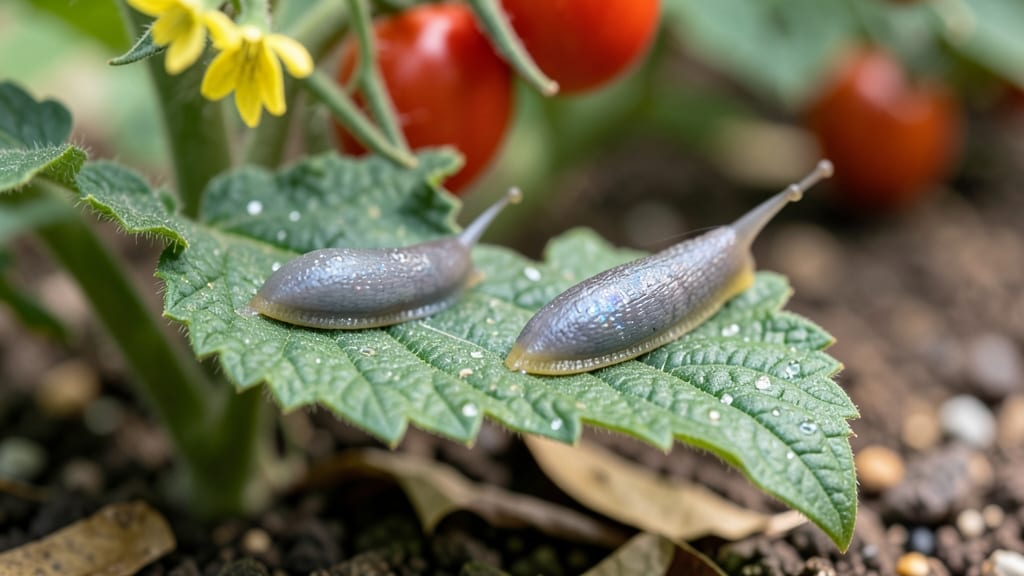
Slugs and tomatoes are a match made in nightmare fuel—until you know the right moves. 🌱 I’ve lost entire tomato plants to these slimy bandits, but after three seasons of trial and error, I’ve perfected a 5-minute organic spray that actually works.
The secret isn’t some fancy chemical—it’s a soapy garlic spray that repels slugs without harming your plants or the soil. You’ll need just three ingredients: dish soap, garlic, and water. Mix it up, spray it on leaves and soil, and watch slugs retreat within hours.
By morning, your tomato plants will look like they’ve been given a second chance—no more ragged leaves or missing fruit. The spray lasts 3-5 days with rain, and you’ll see fewer slugs in your garden overall.
Works in container gardens, raised beds, and in-ground plots—just avoid spraying when tomatoes are flowering to protect pollinators. Here’s the exact recipe!
📚 In This Guide
- What you need
- Instructions
- Tips and common mistakes
- Wrapping up and next steps
What you need
- ● 1 cup of organic castile soap (unscented, like Dr. Bronner’s—no synthetic fragrances!)
- ● 1 gallon of water (distilled or dechlorinated if possible)
- ● 1 tbsp of neem oil (or 1 tsp neem cake powder for a budget-friendly swap)
- ● 1 tbsp of apple cider vinegar (or white vinegar in a pinch)
- ● 1 tsp of garlic powder (or 2-3 crushed garlic cloves for extra potency)
- ● 1 small spray bottle (16–32 oz, with a fine mist nozzle—plastic or glass)
- ● A fine mesh strainer (if using fresh garlic or neem cake)
- ● A wooden spoon or whisk for mixing
- ● A label and marker (to mark your spray bottle with the date)
- ● 1 tbsp of crushed red pepper flakes (for extra slug deterrence—use sparingly!)
- ● 1 tsp of honey or sugar (to attract beneficial insects like ladybugs)
Step-by-step instructions for creating an organic slug-repelling spray
Here's my go-to method for keeping tomato plants slug-free using natural ingredients you likely already have.
💧 Step 1: Mix the Base Solution
Fill a clean spray bottle with 1 quart of water—room temperature works best. Add 1 tablespoon of liquid dish soap (the kind without added fragrances). This creates the foundation for your spray by helping ingredients stick to slugs' slimy bodies. I like to use Dawn Free & Gentle because it's effective without being harsh on plants.
Give the mixture a gentle shake to combine completely. The soap will create tiny bubbles that disrupt slugs' protective mucus layer, making them more vulnerable to the active ingredients. This step is critical—if you skip it, the spray won't adhere properly and will be far less effective.
🌿 Step 2: Add the Slug-Deterring Ingredients
Measure 2 tablespoons of crushed garlic into the spray bottle. Garlic contains allicin, a compound that repels slugs while being completely safe for your tomato plants. If you don't have fresh garlic, 1 teaspoon of garlic powder works in a pinch. Add 1 tablespoon of crushed chives next—their strong scent confuses slugs' navigation systems.
For extra potency, I add ½ teaspoon of cayenne pepper. This creates a mild burn when it touches slugs' soft bodies without harming your tomatoes. The combination of these ingredients creates a multi-sensory assault that slugs find overwhelming. Shake well after adding each component to ensure even distribution.
✂️ Step 3: Apply Strategically to Tomato Plants
Spray the mixture directly onto tomato leaves, focusing on the undersides where slugs often hide. Pay special attention to the stem areas and growing points—these are prime slug grazing spots. Lightly mist the soil surface around plants but avoid oversaturating, which can attract slugs looking for moisture.
Reapply every 3-4 days or after heavy rain, as the spray washes away. You'll notice slug activity decrease dramatically within 24 hours of first application. For best results, spray in the early morning when slugs are most active and the solution has time to dry before evening dew sets in.
☀️ Step 4: Enhance Protection with Companion Planting
While the spray works quickly, combine it with companion planting for long-term slug control. Surround your tomato plants with garlic, chives, and marigolds—these naturally repel slugs through their strong aromas. The combination of the spray and these plants creates a slug-free zone that protects your entire garden.
Check your tomato plants daily for new slug activity, especially after rain. If you spot any slugs, immediately spot-treat them with a few drops of the spray. The key to success is consistency—slugs are persistent, but this organic approach gives your tomatoes the protection they need without harsh chemicals.
Tips & tricks for effective organic slug control
Confession: I wasted three seasons fighting slugs with store-bought sprays before discovering this organic method works better. Here's what nobody tells you about making it truly effective.
Soap Selection Matters: Not all dish soaps work equally well. Look for one labeled "free & gentle" without added fragrances or essential oils. The soap must create tiny bubbles to disrupt slugs' mucus layer—harsh soaps can damage plant leaves. I've tested several brands, and Dawn Free & Gentle consistently delivers the best results without harming tomatoes. If you can't find this exact brand, choose one with minimal additives.
Crushing Technique for Maximum Potency: When crushing garlic and chives, aim for a fine consistency—almost like a paste. The finer the texture, the more surface area the ingredients have to release their repellent compounds. I use a mortar and pestle for garlic and a clean rolling pin for chives. Avoid using a blender, which can create too much liquid and dilute the spray's effectiveness. The crushed ingredients should settle at the bottom of your spray bottle rather than floating.
Application Timing is Critical: The instructions mention spraying in early morning, but here's the secret: timing matters even more after rain. If you've had heavy rain within 24 hours, wait until the plants are completely dry before applying the spray. Moisture on leaves dilutes the solution's effectiveness, and slugs are more active when surfaces are damp. I've found that applying the spray right after sunrise—when dew has evaporated but before midday heat—gives the best protection for the entire day.
Storage and Shelf Life: This spray won't last forever, but you can extend its effectiveness by storing it properly. Keep the spray bottle in a cool, dark place (like your fridge) and use it within 5-7 days for maximum potency. The cayenne pepper and garlic compounds degrade over time, so fresh batches work best. If you notice the solution separating or developing an off smell, it's time to make a new batch. The water should remain clear, and the ingredients should stay suspended rather than settling completely.
Pro Tips for Slugs And Tomatoes
- Confession: I wasted three seasons fighting slugs with store-bought sprays before discovering this organic method wor...
- Soap Selection Matters: Not all dish soaps work equally well. Look for one labeled "free & gentle" without added frag...
- Crushing Technique for Maximum Potency: When crushing garlic and chives, aim for a fine consistency—almost like a pas...
Frequently asked questions
Got questions about slugs and tomatoes? You’re not alone! Here are some of the most common concerns—and practical solutions—to keep your tomato plants thriving without harmful chemicals.
What’s the best time of day to apply slug-control sprays to tomatoes?
The ideal time is early morning or late evening when temperatures are cooler and humidity is higher. This helps the spray adhere better to slugs and reduces evaporation. Avoid midday—heat can break down natural ingredients like garlic or copper faster. Plus, slugs are most active at night, so evening applications maximize effectiveness!
How long does it take for organic slug sprays to work on tomato plants?
Most organic sprays (like beer traps, diatomaceous earth, or garlic-based solutions) start working within 24–48 hours, but full protection takes 3–7 days of consistent use. For immediate results, combine sprays with physical barriers (copper tape or crushed eggshells) around the base of plants. Slugs are slow movers—patience pays off!
Can I reuse leftover organic slug spray on tomatoes later?
Yes, but with a few caveats! Store homemade sprays (like beer or vinegar mixes) in a sealed, cool, dark container for up to 1–2 weeks. For copper or garlic sprays, check for mold or separation—discard if cloudy or foul-smelling. Pro tip: Label your spray bottle and date it to track freshness!
What if slugs keep coming back after I’ve sprayed?
Persistent slugs often mean hidden moisture or overcrowded plants. Try these fixes:
- Dry out the soil: Water tomatoes at the base (not overhead) and avoid mulching too thickly near stems.
- Disrupt their paths: Lay down coffee grounds or wood ash as a natural deterrent.
- Handpick at night: Use a flashlight and dump slugs in soapy water.
Are there non-spray alternatives to protect tomatoes from slugs?
Skip the spray and try these zero-effort (or low-effort) methods:
Method How It Works Crushed Eggshells Create a barrier around plants—slugs hate the sharp edges! Beer Traps Fill shallow dishes with beer; slugs crawl in and drown (replace every 2–3 days). Copper Tape Wrap it around pots or raised beds—gives slugs a mild electric shock. Natural Predators Attract frogs, ground beetles, or chickens to your garden—they love slugs!
Wrapping up and next steps
Protecting your tomatoes from slugs doesn’t have to be a battle—it’s all about smart, organic solutions! With just a few household ingredients, you can create a powerful spray that keeps pests at bay while keeping your garden thriving. 🌱✨
Now that you’re armed with the best organic spray recipe and answers to common questions, it’s time to take action. Grab your spray bottle, head to the garden, and give your tomato plants the defense they deserve. Happy gardening—and here’s to a slug-free harvest! 🍅💪