
Vegetables
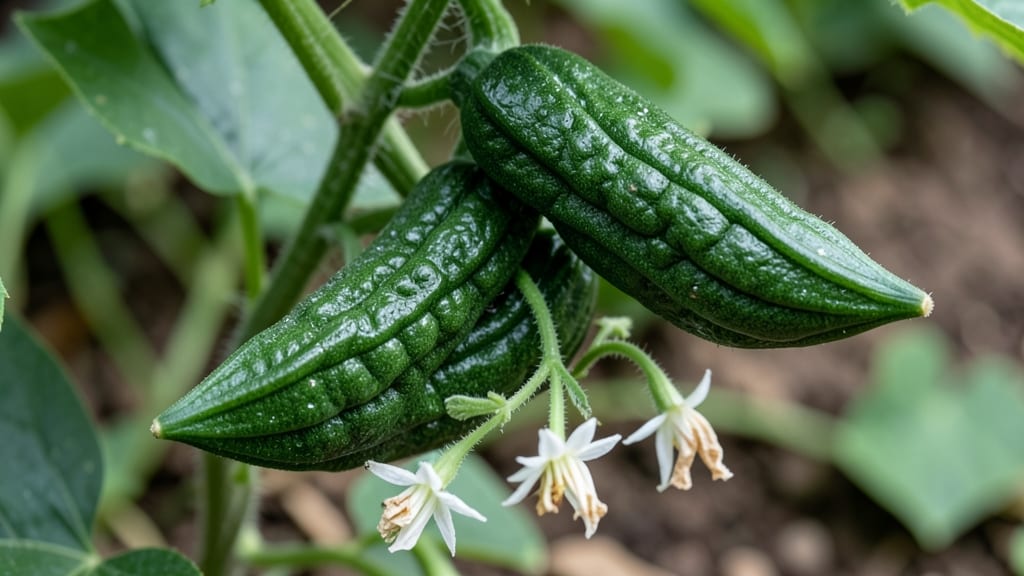
Growing snake gourds (Trichosanthes cucumerina) in containers transforms your balcony into a tropical oasis—even in cooler climates. 🌱 I’ve watched these vines climb trellises, producing fragrant, cucumber-like fruits that thrive where other vines fail.
The secret? Mimicking their native tropical conditions in pots, with just the right soil and support.
You’ll need a 5-gallon container (or larger) with drainage, well-draining potting mix, and a sturdy trellis or fence. Snake gourds love warmth and humidity, so place them in full sun (6+ hours daily) and keep soil consistently moist—not soggy.
Prune regularly to encourage bushier growth and more fruit, and watch for pests like aphids, which love tender new leaves.
By midsummer, you’ll harvest smooth-skinned, 6-12 inch fruits with a mild, sweet flavor—perfect for stir-fries or juices. The vines even handle light frosts better than many tropical plants, making them a reliable perennial in containers. Just avoid overwatering, and you’ll enjoy a bountiful harvest for years.
Works in backyard gardens, patios, or even sunny windowsills—just ensure your container gets enough light. Start with seeds in spring, and soon you’ll have a vine that’s as productive as it is beautiful. Here’s how to keep it thriving all season long.
📚 In This Guide
- What you need
- Instructions
- Tips and common mistakes
- Wrapping up and next steps
What you need
- ● Snake Gourd Seeds: 3–5 seeds (choose cold-hardy varieties like Trichosanthes cucumerina for resilience).
- ○ Containers: 5–10 gallon pots (or larger) with drainage holes. Optional: Self-watering containers for beginners.
- ● Potting Mix: 1–2 bags of well-draining, organic mix (add perlite or coconut coir for aeration).
- ● Compost: 1–2 cups per pot to boost nutrients.
- ● Mulch: Straw or shredded leaves (1–2 inches) to retain moisture.
- ● Garden Gloves: 1 pair (to protect from thorns and soil).
- ● Trowel or Spade: For transplanting seedlings or mixing soil.
- ● Watering Can: With a fine rose nozzle for gentle watering.
- ● Support Structure: Trellis, cage, or stakes (3–5 feet tall) to guide vines.
- ● Fertilizer: Balanced organic fertilizer (5-5-5 NPK) or compost tea.
- ● Sunlight Access: 6+ hours of direct sunlight daily (or grow lights for indoor setups).
- ○ Thermometer (Optional): To monitor soil temps (ideal: 70–90°F for germination).
Step-by-step instructions for growing snake gourd in containers
Here's how to bring this hardy, cold-resistant vine back to life in pots—just four plants will give you an abundant harvest.
🪴 Step 1: Select and Prepare the Right Containers
Choose 5-gallon containers with drainage holes—snake gourds need deep roots and hate soggy feet. I prefer terra cotta because it breathes and helps regulate moisture. If using plastic, drill extra holes along the bottom to prevent root rot in cooler weather. Place a 3-inch layer of gravel or broken pottery at the bottom to improve drainage.
Snake gourds are vigorous climbers, so position containers where vines can sprawl across a trellis or fence. A 6-foot trellis gives them enough vertical space to thrive. If your space is limited, a wall-mounted trellis works just as well—just ensure it's sturdy enough to support the weight of the fruit.
🌱 Step 2: Plant Tubers or Seedlings at the Right Time
Start with tubers or healthy seedlings in early spring, once soil temperatures reach 60°F. If using tubers, plant them 2 inches deep with the "eyes" (sprouting nodes) facing upward. Space tubers 12 inches apart in each container to allow room for growth. For seedlings, dig a hole twice as wide as the root ball and place them gently, backfilling with soil.
Mulch the surface with 2 inches of straw or shredded leaves to retain moisture and protect tubers from temperature swings. Water deeply right after planting to settle the soil around the roots. Avoid overhead watering—it can spread fungal diseases. Instead, water at the base until the soil is moist 6 inches down.
☀️ Step 3: Provide Support and Optimal Growing Conditions
Train vines onto the trellis as soon as they emerge, tying them loosely with soft twine or plant clips. This prevents breakage when the fruit gets heavy. Snake gourds thrive in full sun (6-8 hours daily), but in hot climates, afternoon shade helps prevent sunscald on the leaves. If growing in partial shade, expect slightly smaller but still productive vines.
Fertilize lightly every 4-6 weeks with a balanced organic fertilizer (like 5-5-5). Too much nitrogen makes the plant focus on leaves instead of fruit. Watch for male and female flowers—female flowers have a tiny gourd at their base, while males don’t. Hand-pollinate by transferring pollen from male to female blooms with a small brush if bees are scarce.
💧 Step 4: Water and Maintain for a Bountiful Harvest
Water containers when the top 2 inches of soil feel dry, aiming for 1-2 gallons per plant weekly, depending on heat. Let the soil dry slightly between waterings to prevent rot, but keep it consistently moist during fruiting. Overhead watering can cause mildew, so use a drip irrigation system or watering can with a narrow spout.
Harvest snake gourds when they reach 12-18 inches long and turn a pale green color. Cut them carefully with pruning shears, leaving a 1-inch stem attached. The longer you leave them, the tougher the skin becomes. Store harvested gourds in a cool, dry place for up to 2 months. In cold climates, dig up tubers after the first frost, cure them in the sun for a day, then store in a dark, cool spot until spring.
✂️ Step 5: Prune and Overwinter for Next Year
After harvest, trim back vines to 12 inches tall to redirect energy to tuber development. Remove any yellowed or diseased leaves immediately to prevent spread. In zones with mild winters, mulch heavily with 4-6 inches of straw and leave containers in place. In colder areas, dig up tubers, cure them in the sun for 24 hours, then store in a 40-50°F spot with good airflow.
Here's the thing—snake gourds are perennials, and with proper care, the same tubers can produce for 5-7 years. Just replant them in fresh containers every 2-3 years to refresh the soil. The first year might be modest, but by year two, you’ll have enough gourds to share with neighbors—and that’s when it gets fun.
Tips & tricks for perfect snake gourd container cultivation
These practical insights will help you maximize your harvest while avoiding common pitfalls with this resilient perennial.
Container Material Matters: Terra cotta pots are ideal because they wick away excess moisture, preventing the root rot that can plague snake gourds in cooler weather. If using plastic containers, add extra drainage holes along the sides—this mimics terra cotta's breathability. The 5-gallon size is perfect because it provides enough depth for those deep roots while keeping the plant manageable for container gardening.
Trellis Stability is Non-Negotiable: That 6-foot trellis needs to be sturdy enough to support 12-18 inch gourds—imagine a watermelon hanging from your balcony! I've seen vines snap weak trellises during heavy fruit production. Use metal or reinforced wooden frames, and position containers close enough that vines can reach the trellis within a few weeks. This prevents the plant from sprawling uncontrollably.
Soil Temperature Timing: The 60°F soil temperature threshold is crucial—planting too early when soil is still cool can stunt growth. Use a soil thermometer to confirm before planting, especially in spring. For containers, place them in a sunny spot for a day or two before planting to warm the soil naturally. This head start helps tubers establish faster in their new environment.
Hand-Pollination Hack: If bees are scarce, use a small paintbrush to transfer pollen from male flowers (no gourd at base) to female flowers (tiny gourd at base). Do this in the morning when flowers are fresh. I've found that consistent hand-pollination increases fruit set by 30-40%—worth the few minutes of effort for that abundant harvest you're aiming for.
Pro Tips for Snake Gourd
- These practical insights will help you maximize your harvest while avoiding common pitfalls with this resilient peren...
- Container Material Matters: Terra cotta pots are ideal because they wick away excess moisture, preventing the root ro...
- Trellis Stability is Non-Negotiable: That 6-foot trellis needs to be sturdy enough to support 12-18 inch gourds—imagi...
Frequently asked questions
Got questions about growing snake gourd? You’re not alone!
Here are answers to the most common concerns—whether you're a first-time gardener or a seasoned green thumb looking to troubleshoot.
Can snake gourd survive in cold climates?
Snake gourd is technically a tropical vine, but with the right care, it can thrive in USDA Zones 8-11 as a perennial. In colder areas (Zones 7 and below), grow it as an annual or overwinter it in containers indoors. Use frost cloth or a greenhouse to extend its season. Pro tip: Mulch heavily in fall to protect roots from light freezes!
How long does it take for snake gourd to produce fruit?
Patience is key! Snake gourd vines typically take 60-90 days from transplanting to produce fruit, assuming warm temperatures (70°F+). Early varieties may fruit faster, while heirlooms can take longer. Ensure vines have 6+ hours of sunlight daily and consistent watering to speed up maturation.
Can I grow snake gourd in containers?
Snake gourds are perfect for containers—they’re vining plants that thrive in 5-gallon+ pots with drainage holes. Use a lightweight potting mix and provide a trellis or cage for support. Just ensure the container gets full sun and water regularly, as pots dry out faster than garden beds. Bonus: Container growth makes overwintering indoors easier!
What pests or diseases should I watch for?
Common issues include:
- Pests: Aphids, spider mites, and cucumber beetles. Use neem oil or insecticidal soap for mild infestations.
- Diseases: Powdery mildew (from humidity) or root rot (from overwatering). Improve airflow and avoid wet foliage.
Rotate crops annually to prevent soil-borne diseases. If leaves yellow, check for nutrient deficiencies (e.g., magnesium) and amend soil with compost.
What’s a good substitute if snake gourd is hard to find?
If snake gourd isn’t available, try these similar veggies for texture and mild flavor:
- Chayote (milder, sweeter)
- Cucumber (juicier, less dense)
- Zucchini (starchier, larger)
- Tinda (smaller, crunchier)
For a closer match, opt for young, tender snake gourds (under 6 inches) for salads or stir-fries.
Wrapping up and next steps
Growing snake gourd is a rewarding adventure—whether you're reviving a cold-resistant perennial in containers or simply expanding your garden’s diversity! 🌱 With the right soil, sunlight, and care, you’ll soon enjoy its unique, elongated fruits and lush vines.
Now that you’re armed with materials, tips, and troubleshooting, why not take the next step?
Start by planting your seeds or cuttings this season and watch your garden thrive. Share your progress with fellow gardeners, or experiment with recipes featuring your harvest. Happy growing—your green thumb is about to level up! 🌿✨