
Vegetables
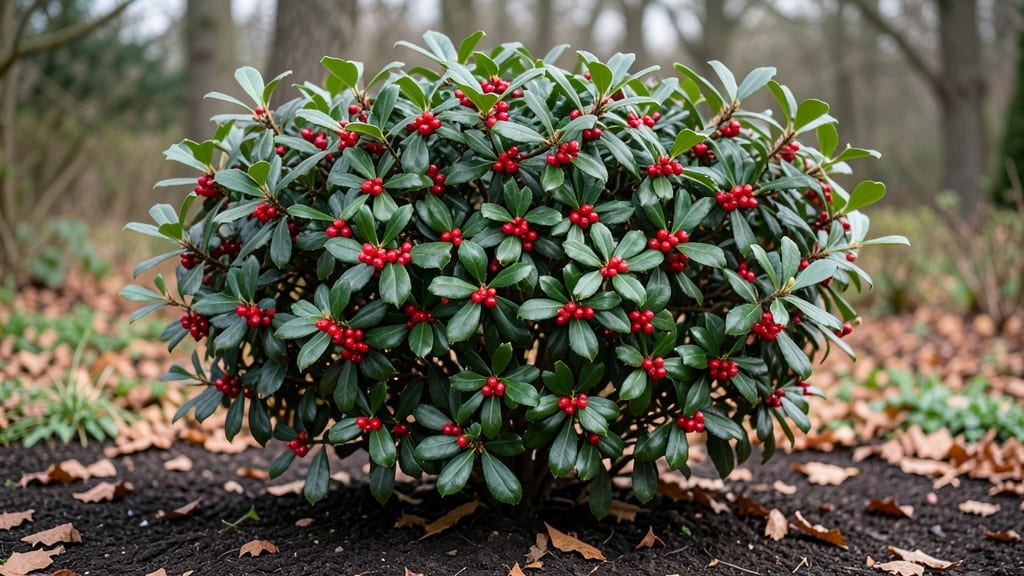
Keeping your Soft Touch holly looking lush through winter means avoiding the sad, browned branches that ruin its year-round appeal. ✨ This variety handles cold better than most, but a few simple steps—like strategic mulching and smart pruning—keep it vibrant even when temps drop below freezing.
I’ve watched mine stay deep green and thriving through Zone 5 winters with just a little extra care.
The secret isn’t complicated: a 3-inch layer of mulch around the base insulates roots, while wrapping young plants in burlap shields tender stems from windburn. Prune in late winter (before new growth starts) to remove dead wood and shape the plant—just avoid heavy cuts, or you’ll sacrifice next year’s berries.
My holly hasn’t needed extra protection past its third year, but the first winter is always the critical test.
By spring, you’ll see fresh growth where others struggle, and those glossy leaves will make your yard the envy of the neighborhood. The berries stay bright red longer too, adding a pop of color when winter finally loosens its grip.
It’s the kind of plant that makes gardening feel effortless—once you know the tricks.
Works just as well in containers (with extra winter wrapping) or planted in the ground, so whether you’ve got a small patio or a full landscape, this holly delivers zero-fuss winter beauty. Let’s get those branches prepped before the first frost hits.
📚 In This Guide
- What you need
- Instructions
- Tips and common mistakes
- Wrapping up and next steps
What you need
- ● Holly plants: 1–3 Ilex × 'Soft Touch' or Ilex glabra (choose male & female for berries, or stick to one gender if berries aren’t a priority).
- ● Size: 1–3 gallon containers (for mature plants) or #1 containers (for young seedlings).
- ● Soil: 50 lbs well-draining, acidic soil mix (pH 5.0–6.0). Mix equal parts: Peat moss or coconut coir
- ● Compost
- ● Sand or perlite (for drainage)
- ○ Optional: 1 lb sulfur or pine fines to boost acidity if your soil is neutral.
- ● Fertilizer: 1 lb slow-release acidic fertilizer (e.g., 10-10-10 or 8-3-9 with micronutrients).
- ○ Optional: 1 cup fish emulsion (for a nutrient boost in early spring).
- ● Planting tools: 1 garden trowel or shovel (for digging)
- ● 1 pruning shears (sterilized with rubbing alcohol)
- ● 1 measuring tape (to space plants 3–6 ft apart)
- ● Mulch: 3–5 bags pine straw or wood chips (2–3 inches thick to retain moisture).
- ● Watering supplies: 1 hose with adjustable nozzle or watering can
- ○ Optional: 1 soaker hose (for deep, slow watering).
- ● Safety gear (if needed): 1 pair gardening gloves (to protect from thorns)
- ● 1 sunscreen (for long winter prep days!)
How to care for soft-touch holly through winter
Winter care is where this variety truly shines—follow these steps to keep your soft-touch holly lush and vibrant all season.
☀️ Step 1: Adjust Light Exposure for Winter Conditions
Soft-touch holly thrives in full sun to partial shade, but winter's shorter days mean you'll need to monitor its light exposure closely. If your holly starts looking pale or leggy, it's getting too little light. Move it to a brighter spot near an east or south-facing window where it can receive at least 6 hours of indirect sunlight daily.
I like to rotate the plant a quarter turn weekly to ensure even growth. You'll notice the new growth on one side if it's been leaning toward the light. This simple adjustment prevents the plant from becoming lopsided, which is especially important during the winter months when growth slows but light is still critical.
💧 Step 2: Modify Watering for Winter Dormancy
During winter, holly enters a natural dormancy period, which means it requires significantly less water. Reduce your watering schedule to every 2-3 weeks, checking the soil first to ensure it's completely dry 2-3 inches down before watering again. Overwatering in winter is a common mistake that can lead to root rot, especially in containers.
Water deeply when you do water—soak the soil until it drains freely from the bottom of the pot. This encourages the roots to grow deeper and strengthens the plant for spring growth. If your holly is planted in the ground, you might not need to water at all during mild winters, as natural snowfall and rainfall usually provide enough moisture.
✂️ Step 3: Prune for Shape and Health in Late Winter
Late winter, just before new growth begins, is the ideal time to prune your soft-touch holly. Use clean, sharp pruning shears to remove any dead, damaged, or crossing branches. Pruning at this time encourages the plant to produce fresh, healthy growth in the spring. Aim to shape the holly into a form that suits your space—whether that's a rounded bush or a more formal hedge.
I always prune back to just above a leaf or bud, never to bare wood. This ensures the plant retains its lush, full appearance. After pruning, give the plant a light application of balanced, slow-release fertilizer to support the new growth. You'll see the first signs of new leaves emerging in early spring, signaling that your holly is ready for the growing season.
🪴 Step 4: Protect from Harsh Winter Elements
If you're in a region with harsh winters, take extra steps to protect your soft-touch holly from freezing temperatures and strong winds. For container-grown holly, move the pot to a sheltered location, such as against a north-facing wall or under an overhang. If temperatures are expected to drop below 10°F, wrap the pot in burlap or use a frost blanket to insulate the roots.
For holly planted in the ground, a thick layer of mulch—about 2-3 inches deep—will help insulate the roots and retain moisture. Avoid piling mulch directly against the trunk, as this can cause rot. Instead, spread it evenly around the base of the plant. With these protective measures in place, your holly will remain healthy and vibrant, ready to burst into growth when spring arrives.
Tips & tricks for perfect winter holly care
These subtle adjustments make all the difference in keeping your soft-touch holly thriving through winter's challenges.
Light Rotation Strategy: In Step 1, that quarter-turn weekly rotation isn't just about aesthetics—it's about preventing light stress. Holly plants naturally grow toward light sources, and without rotation, you'll end up with a lopsided plant that's more vulnerable to winter winds. I've seen holly plants develop permanent lean after just two months without rotation, so set a reminder if needed. The goal is to keep all branches receiving equal light exposure, which maintains that balanced, bushy shape we all love.
Winter Watering Test: Before watering in Step 2, perform this simple test: insert a wooden skewer or chopstick 2-3 inches into the soil. If it comes out completely dry, it's time to water. If there's any moisture, wait another week. I've ruined more holly plants through overwatering than underwatering in winter—especially in containers where drainage is critical. The key is letting the soil dry completely between waterings, which mimics the plant's natural dormancy cycle.
Pruning Precision: When pruning in Step 3, focus on removing branches that cross or rub against each other—these are prime spots for disease entry. I always make my cuts at a 45-degree angle just above a leaf node, which helps water run off and prevents fungal infections. After pruning, give your holly a light misting with water to help it recover from the stress. This is particularly important in late winter when new growth is about to begin.
Cold Protection Layering: For that 10°F threshold in Step 4, think of it as your early warning system. When temperatures drop below this, your holly's roots become vulnerable to freeze damage. I've found that wrapping container holly in burlap not only insulates but also creates a microclimate that can raise temperatures by 5-10 degrees around the roots. For in-ground plants, that 2-3 inch mulch layer acts like a blanket—just make sure it's well-aerated to prevent moisture buildup against the trunk.
Pro Tips for Soft Touch Holly In Winter
- These subtle adjustments make all the difference in keeping your soft-touch holly thriving through winter's challenges.
- Light Rotation Strategy: In Step 1, that quarter-turn weekly rotation isn't just about aesthetics—it's about preventing light stress.
- Winter Watering Test: Before watering in Step 2, perform this simple test: insert a wooden skewer or chopstick 2-3 inches into the soil.
Frequently asked questions
about keeping soft-touch holly lush and vibrant through winter—because even evergreens need a little TLC!How cold can soft-touch holly tolerate before it suffers?
Soft-touch holly thrives in USDA Zones 7-10 and can handle light frosts down to 15°F (-9°C). In colder climates (<10°F/-12°C), protect it with mulch or frost cloth to prevent leaf scorch. Ever noticed how some holly stays green while others brown? That’s the difference between a cozy winter and a crispy one!
When should I prune soft-touch holly for winter prep?
Prune in late winter or early spring (before new growth) to shape the plant and remove dead branches. Avoid heavy pruning in fall—it stresses the plant before winter. Pro tip: Use sterilized shears and clean cuts to prevent disease. Think of it like giving your holly a fresh haircut before the cold sets in!
Can I grow soft-touch holly in containers for winter?
Potted holly needs well-draining soil and a larger container (at least 15 gallons) to stabilize roots. In winter, move pots to a sheltered spot (like a garage or under an eave) and water sparingly—overwatering leads to root rot. Just remember: containers dry out faster in cold weather!
Why are my holly leaves turning brown in winter?
Brown leaves usually mean drought stress, frost damage, or pests. Check for:
If holly feels high-maintenance, try:
Fix it: Trim dead leaves, adjust watering, and protect from wind. A little TLC can turn that sad holly back into a winter star!
What’s a low-maintenance alternative to soft-touch holly?
All three need less fuss but still deliver that year-round evergreen drama!
Wrapping up and next steps
Transforming your space with soft-touch holly in winter is simpler—and more rewarding—than you think! 🌿 Whether you’re adding a pop of evergreen color to a cozy corner or gifting a low-maintenance plant, this hardy beauty thrives with minimal effort. The key? Patience and a little seasonal care—no green thumb required!
Ready to dive in? Start small: grow a single plant or share the love by propagating cuttings with friends. Your winter garden (or home decor) will thank you—and so will your future self! 🌟