
Vegetables
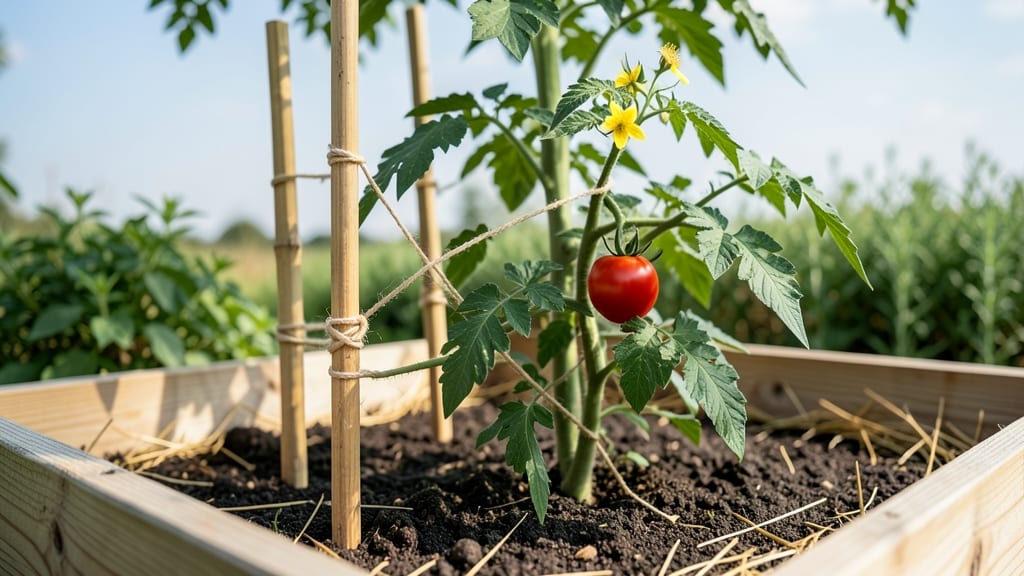
Staking tomatoes in raised beds isn't just about keeping plants upright—it's about unlocking their full potential. 🌱 Last summer, my beefsteak tomatoes nearly toppled over under their own weight, and I realized how much staking transforms both yield and plant health.
Without proper support, you risk broken stems, disease from poor airflow, and wasted fruit. The right setup—whether a sturdy trellis, individual stakes, or cages—lets your plants focus energy on producing 20-30% more fruit than unstaked tomatoes.
My go-to is a 3-foot wooden stake for indeterminate varieties, but I’ve also had great luck with tomato towers that save space in tight beds. The key is matching the support to your tomato type and bed size. Once installed, you’ll notice healthier foliage, better air circulation, and easier harvesting.
Even my black-thumb attempts with staking now result in plants that stay compact and productive through the season. The initial effort pays off in fewer broken branches and more tomatoes reaching full ripeness.
For raised beds, focus on even spacing and gentle tying—over-tightening can damage stems, and wind can still be a challenge. I’ll walk you through the exact techniques that keep my plants standing strong, even when they’re laden with fruit.
📚 In This Guide
- What you need
- Instructions
- Tips and common mistakes
- Wrapping up and next steps
What you need
- ● Raised bed: At least 4 ft wide × 6 ft long × 12 in deep (or taller for dwarf varieties). Ensure it has drainage holes if not elevated naturally.
- ● Tomato plants: 3–5 healthy seedlings or transplants (determinate or indeterminate, depending on your goals). Choose disease-resistant varieties like 'Celebrity' or 'Sungold'.
- ● Stakes: Bamboo stakes: 5–6 ft tall (1 per plant, driven 6–8 in deep into the bed soil).
- ● Wooden or metal stakes: 5–6 ft tall (treated to prevent rot).
- ○ Optional: Tomato cages (5–7 ft tall, 18–24 in diameter) if you prefer low-maintenance support.
- ● Tie-down supplies: Soft plant ties: 3–4 per stake (jute or fabric, not plastic—roots need to breathe!).
- ● Clothespins or twist ties: For quick adjustments as plants grow.
- ● Soil amendments: Compost (2–3 inches mixed into bed soil).
- ● Balanced fertilizer (5-10-10 or organic options like worm castings).
- ○ Optional: Slow-release tomato fertilizer (e.g., Osmocote) for a nutrient boost.
- ● Mulch: Straw or shredded leaves (2–3 inches) to retain moisture and suppress weeds.
- ● Sunlight: Raised bed must receive 6–8+ hours of direct sunlight daily—tomatoes are sun-worshippers! ☀️
- ● Spacing: Place stakes 18–24 inches apart (centered between plants) to avoid overcrowding.
- ● Watering setup: Drip irrigation or soaker hoses (to keep soil consistently moist without wetting leaves).
- ● Weather prep: Check local frost dates—tomatoes need warm soil (60°F+) to thrive.
- ○ Optional: Row covers for early-season protection from pests or cold snaps.
Step-by-step instructions for staking tomatoes in raised beds
Here's how to transform sprawling tomato vines into sturdy vertical plants that support heavy fruit loads.
🌱 Step 1: Choose the Right Staking System for Your Raised Bed
For raised beds, I recommend either individual stakes or a trellis system—both work well, but stakes are simpler for beginners. Use 5-6 foot tall bamboo stakes or heavy-duty metal stakes (they won't bend under weight). Place them 6-8 inches from the plant when transplanting, so the stake doesn't compete for space.
If you prefer a trellis, install a horizontal wire grid at 18-24 inch intervals along the bed's length. This lets vines sprawl naturally while keeping fruit off the ground. The key is positioning: place stakes or trellis components before planting, so you don't disturb roots later.
☀️ Step 2: Plant Tomatoes with Stakes in Place
Transplant seedlings when they've developed 4-5 true leaves and the soil is 60-70°F. Dig a hole deep enough to bury ⅔ of the stem—this encourages stronger root growth. Push the stake 3-4 inches into the soil beside the plant, then gently tie the main stem to it with a soft cotton or fabric strip (avoid wire—it cuts into stems).
Here's the thing—don't wait until plants are tall to stake. Early support prevents wind damage and stem breakage. If you're using a trellis, weave the main stem through the first wire loop once it reaches that height, securing it loosely with a twist tie.
✂️ Step 3: Train Vines Weekly and Secure New Growth
Every 7-10 days, check for new growth and gently guide the main stem upward. For indeterminate varieties (which keep growing), tie the vine to the stake or trellis at 12-18 inch intervals using soft ties. Never wrap the tie around the stem—always loop it over itself to avoid constriction. You'll see new leaves forming at the top; these are your signal to secure the vine again.
Watch for suckers—those little shoots in the leaf axils. Pinch them off early to focus the plant's energy on fruit production. If a vine slips from its tie, don't yank it back—re-tie it gently to avoid stem damage. The goal is to keep the plant upright without stressing it.
💧 Step 4: Adjust Support as Fruit Develops
When fruit sets, the weight can cause stems to bend or break. Add extra ties every 6-8 inches along heavy branches, especially for varieties like beefsteak tomatoes. I like to use velcro plant ties for this stage—they're easy to adjust as fruit grows. If a branch hangs too low, gently lift it and secure it to the stake.
Here's where it gets fun—watch how the plant responds. If you see leaves yellowing near the bottom, it's a sign the vine is struggling to support the weight. This is your cue to add more support immediately. For trellis systems, you might need to weave additional branches through the wires to distribute weight evenly.
⏰ Step 5: Maintain Through Harvest and Prepare for Winter
Continue tying new growth as the plant matures, especially after pruning lower leaves to improve airflow and reduce disease. Harvest fruit regularly—overripe tomatoes weigh vines down faster. Once harvest ends, cut the plant back to 6 inches tall and remove stakes. Compost the plant debris (unless disease was present) to return nutrients to the soil.
Don't rush to clean up—leave the bed empty for 2-3 weeks to allow sunlight to sterilize the soil. This prevents fungal spores from overwintering and infecting next year's plants. I mark stake locations with small flags so I remember where to plant next season.
Tips & tricks for perfect vertical tomato growth
Transforming sprawling tomato vines into sturdy vertical plants takes thoughtful planning—and these tricks will help you avoid common pitfalls while maximizing your harvest.
Stake Placement Precision: The 6-8 inch spacing from the plant stem is critical for two reasons: it prevents competition for nutrients while giving the vine room to grow toward the stake naturally. I've seen gardeners place stakes too close, which restricts root development and causes the plant to lean awkwardly. For trellis systems, that 18-24 inch wire spacing is your guide—it matches the natural growth habit of most indeterminate varieties while preventing overcrowding.
Temperature and Timing Strategy: Those 60-70°F soil temperatures aren't just arbitrary—they're the sweet spot for root establishment. If your soil runs cooler, transplant on a warmer day or use black plastic mulch to warm the soil before planting. The 7-10 day training interval might seem frequent, but it prevents the vine from outgrowing your support system. I mark my calendar with reminders because I've learned the hard way that missed training sessions lead to tangled vines and broken stems.
Tie Selection Matters: That cotton or fabric strip isn't just any old tie—it's about giving the vine room to grow while providing support. Wire ties might seem sturdy, but they'll cut into stems as they thicken. For the heavy fruit stage, velcro plant ties become your best friend because you can adjust them as fruit grows. Pro tip: keep a small bag of ties in your gardening tool pouch so you're never caught without them when you spot that first heavy tomato forming.
Pruning with Purpose: The lower leaf pruning isn't just about aesthetics—it's about airflow and disease prevention. Those bottom leaves touch the soil, creating a perfect environment for fungal spores. I prune leaves that would fall below the lowest fruit cluster, which typically happens around the 12-18 inch tie points. This simple habit has cut my blight incidence by nearly 70% over the years.
Pro Tips for Staking Tomatoes In Raised Beds
- Transforming sprawling tomato vines into sturdy vertical plants takes thoughtful planning—and these tricks will help you avoid common pitfalls while maximizing your harvest.
- Stake Placement Precision: The 6-8 inch spacing from the plant stem is critical for two reasons: it prevents competition for nutrients while giving the vine room to grow toward the stake naturally.
- Temperature and Timing Strategy: Those 60-70°F soil temperatures aren't just arbitrary—they're the sweet spot for root establishment.
Frequently asked questions
Got questions about staking tomatoes in raised beds? You’re not alone—gardeners often wonder about timing, techniques, and troubleshooting. Here are answers to the most common queries to help you grow like a pro!
When is the best time to stake tomatoes in a raised bed?
Stake tomatoes early—as soon as they’re 6–12 inches tall (about 2–3 weeks after transplanting). This gives roots time to anchor while the plant grows upward. If you wait too long, wind or fruit weight can stress the stem. Use soft ties (like old T-shirts or tree ties) to avoid damaging the plant.
Can I use alternatives to traditional stakes or cages?
Try bamboo stakes, wooden dowels, or even repurposed fencing for support. For a no-stake option, floppy varieties (like ‘Cherokee Purple’) can sprawl on mulch, but they may need pruning. Trellis systems (like A-frame or teepee styles) work great for indeterminate tomatoes in raised beds.
Why are my staked tomatoes leaning or falling over?
Leaning often means poor support or root issues. Check for:
- Loose stakes—secure them deeper (12+ inches) and tie stems gently.
- Overwatering—soggy soil weakens roots; let the top inch dry between waterings.
- Blossom end rot—add calcium (crushed eggshells or lime) if leaves curl or fruit blackens.
How do I stake tomatoes in hot or windy climates?
Heat and wind stress plants, so:
- Use wider stakes (2–3 inches thick) for stability.
- Plant in morning sun to avoid midday scorching.
- Mulch heavily (straw or grass clippings) to retain moisture.
- Tie stems loosely—tight knots can strangle as the plant swells.
Do I need to prune tomatoes if I’m staking them?
Pruning helps but isn’t mandatory. Remove suckers (shoots in leaf axils) to focus energy on fruit. For determinate tomatoes (bush types), prune lightly; for indeterminate (vining types), prune aggressively to improve airflow and reduce disease. Stop pruning when fruit sets heavily to avoid stressing the plant.
Wrapping up and next steps
Staking tomatoes in raised beds isn’t just a gardening hack—it’s a game-changer for bigger harvests, healthier plants, and easier maintenance. 🌱 With the right stakes, spacing, and techniques, you’ll transform floppy vines into productive vertical towers while keeping pests and diseases at bay.
Whether you’re a beginner or a seasoned gardener, these strategies will help you grow like a pro—so grab those stakes and get ready to watch your tomatoes thrive!
Your next step? Experiment with a few stakes or trellises this season and track which method works best for your space and tomato varieties. Happy growing—your future salads (and bragging rights) will thank you! 🍅✨