
Vegetables
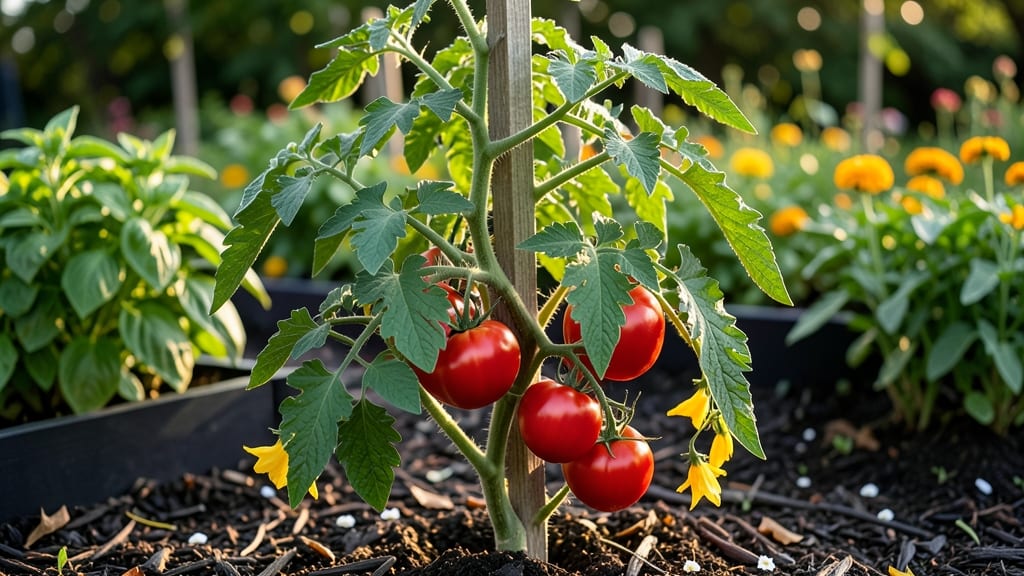
Growing steakhouse tomato seeds changes everything about your summer meals. 🌱 The first time I tasted one fresh from the vine—juicy, beefsteak-sized, with that deep, meaty flavor—my grocery store tomatoes became an afterthought.
These aren't your average slicers; they're the kind that make you want to grow them again next year.
Start indoors 8-10 weeks before your last frost, using seed-starting mix that drains well. Plant seeds ¼ inch deep in small pots, keeping them warm (70-80°F) until sprouts appear. Once seedlings have 2-3 true leaves, transplant them outdoors after all danger of frost has passed.
These plants grow 6-8 feet tall, so choose a spot with full sun (6-8 hours daily) and room to stretch.
Feed them weekly with a balanced fertilizer once they start flowering, and water at the base to avoid fungal issues. A sturdy cage or trellis keeps the vines off the ground, preventing rot and making harvesting easier.
By midsummer, you'll be picking 2-pound tomatoes that taste like a restaurant-quality steakhouse dish—no grocery store in sight.
Here's the secret: patience and consistency pay off. These tomatoes need time to mature, but the payoff—heirloom-quality fruit you can slice for sandwiches or stew into sauces—is worth every minute. Next year, you might just find yourself saving seeds from your best tomatoes to grow an even better batch.
📚 In This Guide
- What you need
- Instructions
- Tips and common mistakes
- Wrapping up and next steps
What you need
- ● Steakhouse Tomato Seeds: 3–5 seeds (or 1–2 plants if buying seedlings). Look for heirloom varieties labeled "Steakhouse" or "Beefsteak" for that classic, meaty texture and rich taste.
- ● Growing Containers: Seedling trays (72-cell) or
- ● Biodegradable pots (2–3 inches deep)
- ● Potting Mix: 1–2 gallons of high-quality, seed-starting mix (sterile and well-draining). Avoid garden soil—it’s too dense for young seedlings!
- ● Grow Lights or Sunny Windowsill: A full-spectrum LED grow light (12–16 hours/day) or a south-facing window with 6+ hours of sunlight.
- ● Spray Bottle: For gentle watering (avoid soaking the soil).
- ○ Heat Mat (Optional but Helpful): A seedling heat mat (70–75°F) speeds up germination for slower varieties.
- ● Patience: Germination takes 7–14 days, and Steakhouse tomatoes need 80–90 days to mature.
- ● Space: Mature plants need 2–3 feet of space (or a sturdy cage/trellis for vertical growth).
- ● Climate Check: Steakhouse tomatoes thrive in USDA Zones 4–10. If you’re in a cooler zone, start seeds indoors 6–8 weeks before the last frost.
- ● Time Commitment: Regular watering, pruning, and fertilizing (every 2–3 weeks) keep your plants happy.
- ● Fertilizer: Balanced liquid fertilizer (10-10-10) or compost tea for extra flavor.
- ● pH Test Kit: Keep soil pH between 6.0–6.8 for optimal nutrient uptake.
- ● Pruning Shears: For shaping plants and removing suckers.
- ● Mulch: Straw or shredded leaves to retain moisture and suppress weeds.
- ● Tomato Cage or Trellis: Supports heavy fruit and improves air circulation.
Step-by-step instructions for growing steakhouse tomatoes from seed
Here’s how I transform tiny seeds into restaurant-quality tomatoes—juicy, meaty, and bursting with flavor.
🌱 Step 1: Start Seeds Indoors with Precision Timing
Begin seeds 6-8 weeks before your last frost date when indoor temperatures hover around 68-72°F. Steakhouse tomatoes need warmth to germinate reliably, so I use a seedling heat mat set to 75°F—this cuts germination time from two weeks to just 5-7 days. Fill biodegradable pots with sterile seed-starting mix (never garden soil) and press it down lightly to eliminate air pockets.
Plant 2-3 seeds per pot at a depth of ¼ inch—any deeper and they’ll struggle to reach light. Cover with a fine mist from a spray bottle until the soil surface looks evenly damp but not soggy. The key here is consistency: overwatering now invites damping-off, while underwatering delays germination. Place the pots in a humidity dome or cover them with plastic wrap to trap warmth and moisture.
☀️ Step 2: Provide Intensive Light and Monitor Growth
As soon as the first true leaves appear (not the initial cotyledons), move seedlings under 14-16 hours of full-spectrum grow light. Steakhouse tomatoes grow leggy fast without enough light—you’ll spot it when stems stretch thin and pale, with leaves spaced 2+ inches apart. Position the light 2-3 inches above the tallest seedling and raise it gradually as they grow to maintain that distance.
Water from the bottom now: place pots in a tray of lukewarm water for 10-15 minutes until the soil surface feels slightly damp. This prevents fungal issues and encourages strong root development. Fertilize lightly with a diluted fish emulsion (half-strength) when the first true leaves unfurl—this jumpstarts their flavor development.
🪴 Step 3: Harden Off and Transplant for Maximum Yield
Two weeks before your last frost, begin hardening off by placing seedlings outside in partial shade for 1-2 hours daily. Gradually increase their time outdoors over 10-14 days, ending with a full day in morning sun. Steakhouse tomatoes hate transplant shock—you’ll know they’re ready when they bounce back from a full day outside without wilting.
Transplant on a cool, overcast afternoon into full sun with cage or trellis support already in place. Bury the stem deeper than the seedling pot—this encourages strong root growth from buried stems. Space plants 24-36 inches apart (they’ll spread) and water deeply at the base to settle the soil. Mulch with 2-3 inches of straw to retain moisture and suppress weeds.
✂️ Step 4: Prune and Train for Restaurant-Worthy Fruit
Once plants reach 18 inches tall, begin pruning to focus energy on fruit production. Remove suckers (the small shoots between the main stem and branches) weekly—these drain nutrients that could go to your tomatoes. Leave 1-2 main stems per plant and prune side branches to 4-5 leaves per stem, thinning to the strongest, most upright growth. You’ll see thicker stems and larger fruit within weeks.
When flowers appear, hand-pollinate by gently shaking the plants in the morning or using a small brush to transfer pollen. Steakhouse tomatoes need this extra help in indoor or low-wind gardens. Once fruit sets, remove small, green tomatoes to redirect energy to 2-3 large, meaty tomatoes per cluster—this ensures fewer but juicier, more flavorful results.
💧 Step 5: Water and Fertilize for Peak Flavor
Water deeply 2-3 times per week, aiming for 1-1.5 inches of water per week. Steakhouse tomatoes need consistent moisture—let the top 2 inches of soil dry between waterings to prevent cracking. Water at the base in the early morning to reduce fungal risks. Avoid wetting leaves, which can spread disease.
Fertilize every 2-3 weeks with a balanced organic fertilizer (10-10-10) until flowering, then switch to a low-nitrogen, high-phosphorus formula (5-10-10) to boost fruit development. You’ll taste the difference: tomatoes grown with this shift develop deeper flavor and thicker flesh. Stop fertilizing 4-6 weeks before harvest to let sugars concentrate.
Tips & tricks for perfect steakhouse tomatoes
Here's what nobody tells you about growing tomatoes that rival restaurant quality in your own garden.
Heat Factor: The 75°F seedling heat mat is non-negotiable for reliable germination—steakhouse tomatoes won't tolerate cold soil. I've learned this the hard way after watching seeds fail to sprout in cooler conditions. Place your heat mat on a tray to contain warmth and prevent temperature fluctuations that can stress delicate seedlings. If you don't have a heat mat, try placing pots on top of your refrigerator (which stays warm) or use a warming pad designed for reptiles.
Lighting Secret: Those 14-16 hours of full-spectrum light aren't optional—they're what prevents leggy seedlings that collapse under their own weight. I use LED grow lights on a timer to automate this, but fluorescent bulbs work too. The key is maintaining that 2-3 inch distance from the light source as seedlings grow. Watch for leaves spaced more than 2 inches apart—that's your warning sign to move the light closer immediately.
Transplanting Technique: Burying stems deeper than the seedling pot might seem counterintuitive, but it triggers root growth along the buried stem. I've seen plants develop additional root systems from these buried sections that produce fruit later in the season. When transplanting, make sure the soil settles firmly around the buried stem to prevent air pockets that could rot the plant.
Pruning Payoff: The weekly sucker removal might feel tedious, but it's what transforms your plants from bushy but fruitless to producing those restaurant-quality tomatoes. Focus on keeping just 1-2 main stems with 4-5 leaves per stem
Pro Tips for Steakhouse Tomato Seeds
- Here's what nobody tells you about growing tomatoes that rival restaurant quality in your own garden.
- Heat Factor: The 75°F seedling heat mat is non-negotiable for reliable germination—steakhouse tomatoes won't tolerate cold soil.
- Lighting Secret: Those 14-16 hours of full-spectrum light aren't optional—they're what prevents leggy seedlings that collapse under their own weight.
Frequently asked questions
Got questions about growing Steakhouse Tomato seeds?
You’re not alone! Here are answers to the most common queries to help you cultivate these flavor-packed tomatoes like a pro.
How long does it take for Steakhouse Tomato seeds to germinate?
Steakhouse Tomato seeds typically sprout within 5–14 days after planting, depending on temperature and moisture. Keep soil consistently warm (around 70–85°F) and damp—germination speeds up when conditions are ideal! Patience is key, but these seeds are reliable once they start.
Can I grow Steakhouse Tomatoes in containers, or do they need a full garden bed?
These tomatoes thrive in large containers (at least 5 gallons) with proper drainage. Just ensure the pot is deep enough (18–24 inches) and use a high-quality potting mix. If growing in containers, fertilize regularly and prune aggressively to encourage bushier growth and better air circulation.
What’s the best way to prevent cracking in Steakhouse Tomatoes?
Cracking happens when tomatoes grow too fast or soil moisture fluctuates. To avoid it:
- Water consistently—keep soil evenly moist but not soggy.
- Mulch heavily to retain moisture and stabilize soil temperature.
- Avoid over-fertilizing with nitrogen—focus on balanced nutrients.
Do Steakhouse Tomatoes need special care in hot or cold climates?
These tomatoes love warmth but can struggle in extreme heat (90°F+) or cold (below 50°F). In hot climates, provide afternoon shade and mulch to cool roots. In cooler areas, use row covers or start seeds indoors 6–8 weeks before the last frost. They’re sensitive to frost—always wait until nighttime temps are above 55°F.
What can I do if my Steakhouse Tomato plants get blight or pests?
Blight (like early or late blight) and pests (hornworms, aphids) are common but manageable:
- Prevent blight by spacing plants for airflow, removing infected leaves, and avoiding overhead watering.
- Combat pests with neem oil, handpicking hornworms, or introducing ladybugs. Prune heavily to reduce hiding spots.
- Copper fungicide can help if blight strikes—apply at the first sign of spots.
Wrapping up and next steps
Growing steakhouse tomato seeds is your ticket to bringing restaurant-quality flavor straight to your kitchen—without the hefty bill! 🍅✨ These heirloom varieties aren’t just delicious; they’re a rewarding project for gardeners of all levels.
Whether you’re a seasoned green thumb or a curious beginner, the key is patience, proper care, and a little love for your plants.
Ready to take the next step? Start small—grab a packet of seeds, pick a sunny spot, and let your garden become the star of your next steakhouse-worthy meal. Your taste buds (and dinner guests) will thank you!