
Vegetables
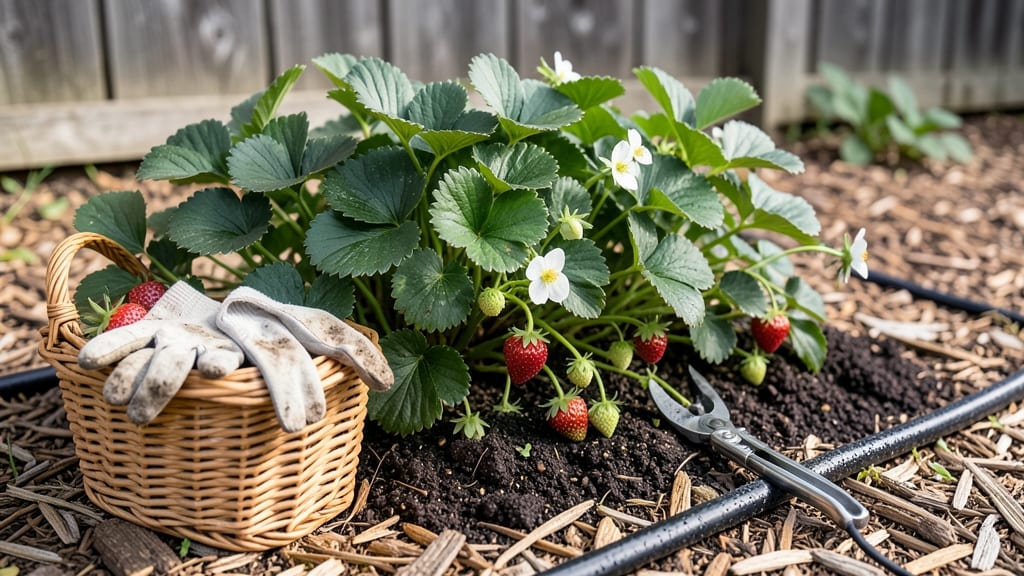
Growing strawberries in Iowa’s short but sweet growing season means 50 days from planting to your first harvest of homegrown sweetness—if you time it right. 🌱 I’ve learned the hard way that Iowa’s unpredictable frosts and humid summers demand a different approach than warmer climates.
The key? Choosing the right varieties, prepping soil for our clay-heavy earth, and planting at the perfect moment between last frost and peak summer heat.
Iowa’s USDA zones 4–5 favor June-bearing varieties like ‘Jewel’ or ‘Honeoye’ for their reliability, though everbearing types like ‘Seascape’ stretch harvests if you’re willing to deal with their slightly smaller fruit. The real secret? Planting on a south-facing slope to warm soil faster in spring while still offering frost protection.
My hillside beds produce fruit two weeks earlier than flat-ground plantings, and the drainage cuts down on rot—a common Iowa struggle.
You’ll end up with vibrant red berries bursting with flavor, far sweeter than store-bought, and a garden that thrives despite Iowa’s challenges. The first harvest arrives just in time for summer picnics, and with proper care, your plants will reward you for years—even through our harsh winters.
The trick is starting strong: amended soil, proper spacing, and a little extra mulch to keep roots cool in summer and insulated in winter.
This method works for both backyard beds and container growing on patios, making it perfect for Iowa’s varied landscapes. Whether you’re a first-time gardener or a veteran dealing with Iowa’s quirks, these steps turn our short growing season into a reliable harvest. Let’s get those berries growing!
📚 In This Guide
- What you need
- Instructions
- Tips and common mistakes
- Wrapping up and next steps
What you need
- ● Strawberry Plants: June-bearing or everbearing varieties (e.g., Jewel, Honeoye, or Seascape) – 4-6 plants per person (or 1 plant per 12" of space in rows).
- ● Certified disease-free, bare-root or potted plants from a local nursery.
- ● Soil Amendments: Compost or well-rotted manure (2-3 gallons per plant for in-ground planting).
- ● Balanced fertilizer (10-10-10 or 5-10-10, 1 cup per 10 sq ft).
- ○ Growing Medium (Optional but Helpful): Peat moss or coconut coir (1 part) mixed with perlite (1 part) for containers.
- ● Tools: Garden trowel or transplanting spade.
- ● Gloves (to protect hands from thorns!).
- ● Watering can or hose with a gentle spray nozzle.
- ● Mulch (straw or shredded leaves, 2-3 inches thick after planting).
- ● Raised beds or containers (minimum 6" deep with drainage holes).
- ● Drip irrigation system for consistent moisture.
- ● Row covers or frost blankets (to extend the growing season in Iowa’s chilly springs).
- ● Strawberry supports (e.g., wire cages or trellises for everbearing varieties).
- ● Organic pest control (neem oil or insecticidal soap for aphids/spider mites).
Step-by-step instructions for growing strawberries in Iowa
Here's how I grow juicy, homegrown strawberries in Iowa's climate—ready for harvest in just 50 days.
🌱 Step 1: Choose the Right Variety for Iowa's Climate
Iowa's short growing season and hot summers demand cold-hardy, high-yielding varieties. Look for June-bearing types like Jewel or Honeoye, which thrive in our Zone 4-5 conditions. These varieties produce one massive harvest in early summer, perfect for preserving or fresh eating. Avoid everbearing types—they struggle with our winters.
Buy bare-root plants in early spring from a reputable nursery. Handle them carefully—they ship dormant, so don't let the roots dry out. Soak them in lukewarm water for 30 minutes before planting to rehydrate. This jumpstarts root growth and gives you a head start on that 50-day harvest window.
🪴 Step 2: Prepare the Planting Beds for Optimal Growth
Strawberries need well-draining soil with a pH between 5.5-6.5. Iowa's clay-heavy soil often compacts, so I amend mine with 2-3 inches of compost and 1 inch of sand to improve drainage. Work the amendments into the top 6 inches of soil where the roots will grow.
Choose a sunny location with at least 6-8 hours of direct sun daily. Strawberries hate soggy roots, so avoid low spots where water pools. If your soil drains poorly, consider raised beds—this prevents rot and gives you better control over moisture. I plant mine in early April, once the ground thaws but before the soil warms past 50°F.
🌿 Step 3: Plant and Mulch for Protection and Sweetness
Dig a hole wide enough to spread the roots without bending them. Place the plant so the crown (where roots meet stems) sits just above soil level—burying it too deep causes rot. Space plants 18-24 inches apart in rows 3 feet apart to allow airflow and easy harvesting.
Water deeply after planting to settle the soil around the roots. Then, apply 2-3 inches of straw mulch immediately. This keeps roots cool in Iowa's summer heat, retains moisture, and prevents weeds. The mulch also protects berries from soil-borne diseases. I top up the mulch every few weeks—it breaks down fast in our humid climate.
☀️ Step 4: Water and Fertilize for Maximum Sweetness
Strawberries need consistent moisture—about 1 inch per week—but never soggy soil. Water at the base of plants in the morning to reduce fungal risks. In Iowa's dry spells, I use drip irrigation to keep roots evenly moist without wetting leaves. Avoid overhead watering, which spreads disease.
Fertilize lightly in early spring with a balanced 10-10-10 formula (follow package rates). Too much nitrogen makes leaves lush but berries bland. I skip fertilizer after mid-June—this encourages sweetness instead of leafy growth. Instead, side-dress with compost tea in late summer to boost flavor for next year's crop.
✂️ Step 5: Prune and Harvest for Continued Productivity
Remove weak or diseased leaves throughout the season to improve airflow. In late summer, cut back old foliage after harvest to redirect energy into next year's growth. I also pinch off flower buds in the first year—this helps plants establish strong roots for bigger harvests later.
Harvest when berries are fully red and slightly soft to touch—usually 50 days after planting** for June-bearing types. Pick in the morning when sugars are highest. In Iowa's heat, berries ripen fast, so check daily. Store unwashed in the fridge for up to 3 days or freeze for later use.
Tips & tricks for growing Iowa strawberries
Here's what I learned the hard way after planting strawberries in Iowa's unpredictable climate.
Variety Selection: While June-bearing varieties like Jewel and Honeoye are perfect for Iowa's Zone 4-5 climate, don't overlook the importance of plant health at purchase. Look for bare-root plants with firm, white roots and no signs of mold or drying. I've found that plants with at least three strong canes per plant establish faster and produce better yields. The 30-minute soaking in lukewarm water isn't just about rehydration—it's your chance to inspect the roots for any hidden damage before planting.
Soil Preparation: Iowa's clay soil can be a double-edged sword. The key is creating that perfect balance of drainage and moisture retention. When amending with 2-3 inches of compost and 1 inch of sand, mix thoroughly into the top 6 inches—don't just layer it on top. This prevents water pooling around the roots while still providing essential nutrients. I've seen plants struggle when the amendments stay concentrated in the top inch, creating a false bottom layer that roots can't penetrate.
Planting Technique: The crown placement is more critical than most gardeners realize. Positioning it just above soil level prevents rot while allowing easy access to sunlight. I've made the mistake of planting too deep, which led to fungal issues in our humid summers. When spacing plants 18-24 inches apart, think about future harvesting—you want enough room to move between rows without disturbing the plants. The 3-foot row spacing gives you that perfect balance between airflow and accessibility.
Mulching Strategy: That 2-3 inches of straw mulch serves multiple purposes beyond just weed suppression. In Iowa's summers, it acts like a cooling blanket for the roots while maintaining consistent moisture levels. The mulch breaks down quickly in our humid climate, so I make it a habit to check and replenish every two weeks during peak growing season. Pro tip: Use clean, weed-free straw—contaminated mulch can introduce diseases to your strawberry beds.
Pro Tips for Strawberries In Iowa
- Here's what I learned the hard way after planting strawberries in Iowa's unpredictable climate.
- Variety Selection: While June-bearing varieties like Jewel and Honeoye are perfect for Iowa's Zone 4-5 climate, don't...
- Soil Preparation: Iowa's clay soil can be a double-edged sword. The key is creating that perfect balance of drainage ...
Frequently asked questions
When is the best time to plant strawberries in Iowa?
For Iowa’s climate, plant June-bearing varieties in early spring (March–April) or fall (September–October). Everbearing and day-neutral types can go in spring or late summer. Avoid planting in extreme heat—aim for soil temps between 40–50°F (4–10°C) for best root establishment. Local nurseries often stock region-specific varieties like 'Jewel' or 'Honeoye'!
How do I know when Iowa strawberries are ripe and ready to pick?
Look for strawberries that are fully red, slightly soft to the touch, and pull away easily from the plant (no tugging!). Unripe berries stay firm and pale. Pro tip: Pick in the morning when sugars are highest—avoid rain-soaked berries to prevent rot. Iowa’s peak season is late June through July, so plan accordingly!
What pests or diseases should I watch for in Iowa strawberries?
Common culprits include slugs, Japanese beetles, and gray mold (Botrytis). Use row covers early in the season to deter pests, and space plants for airflow to reduce mold. For organic control, try neem oil or diatomaceous earth. If leaves yellow or berries develop fuzzy gray spots, prune affected areas immediately and improve drainage.
Can I freeze or preserve Iowa strawberries for later use?
Wash and hull berries, then spread them on a tray to freeze solid. Transfer to airtight bags or containers for up to 10 months. For jams or sauces, cook with equal parts sugar (adjust for tartness) and store in sterilized jars. Bonus: Iowa’s strawberries freeze beautifully—perfect for smoothies or summer desserts year-round!
What if my strawberry plants stop producing fruit?
Several factors could be at play: overcrowding (thin plants to 10–12 inches apart), poor soil (amend with compost), or lack of sunlight (6+ hours daily). Older plants may decline after 3–4 years—replace them! Also check for nutrient deficiencies (yellow leaves = nitrogen; purple stems = phosphorus). A balanced fertilizer in early spring can help revive productivity.
Wrapping up and next steps
Iowa’s strawberry season is a delicious celebration of fresh, local flavor—and you’re now ready to savor it!
Whether you’re growing your own or picking from a farm, these sweet berries are a Midwestern treasure. Why not share the joy? Host a picnic, bake a pie, or freeze extras for later—every bite is a taste of Iowa’s best-kept secret.
Next step: Grab a basket, head to your nearest U-pick farm, and start harvesting! 🌱🍓 (Or plant your own—your future self will thank you!)