
Vegetables
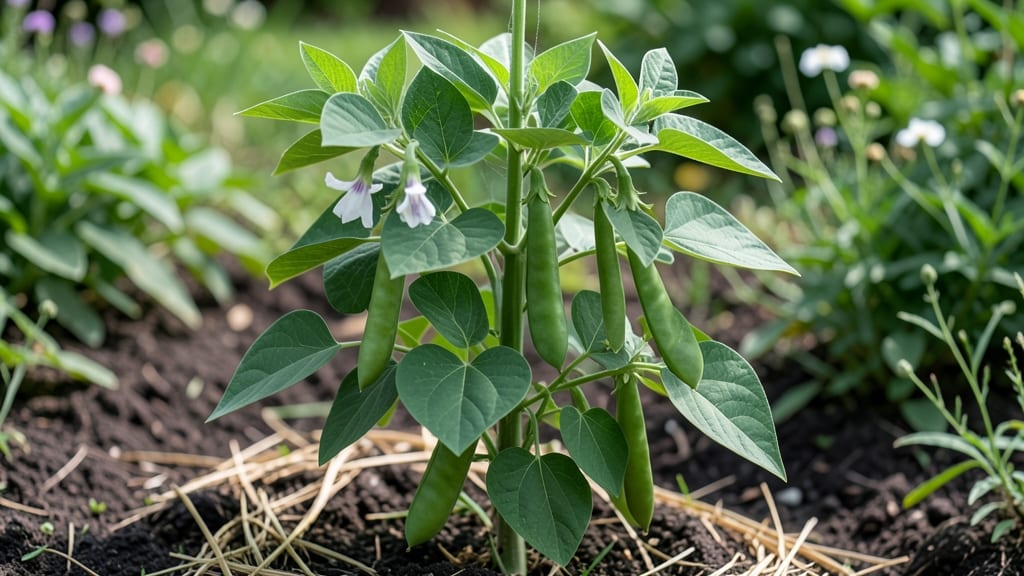
Growing stringless green beans means 50-day harvests with tender, snap-ready pods—no snapping required. 🌱 I’ve grown these for years, and they’re the fastest, easiest beans for beginners. The secret? Fast germination, proper spacing, and consistent moisture.
You’ll need a sunny spot (6+ hours of light), loose soil, and either a trellis or bush support. Stringless varieties like ‘Blue Lake’ or ‘Contender’ skip the tough fibers, making them perfect for fresh eating. Plant seeds ½ inch deep, 3–4 inches apart, and keep soil damp—not soggy.
By week 7, you’ll be picking crisp, flavorful beans straight from the vine. The key is harvesting young (4–6 inches long) to keep production going. Overlook them, and you’ll get tough, seedy pods—so check them every 2–3 days.
Works in containers or rows, and thrives in cool weather. Here’s how to avoid common pitfalls like powdery mildew or stunted growth. Let’s get those seeds in the ground!
📚 In This Guide
- What you need
- Instructions
- Tips and common mistakes
- Wrapping up and next steps
What you need
- ● Green Bean Seeds: 1–2 lbs of stringless varieties (e.g., 'Contender,' 'Blue Lake,' or 'Maxibel'). Choose bush beans (compact) or pole beans (vining) based on your space.
- ● Growing Containers or Garden Bed: For containers: 5–10 gallon pots (1–2 plants per pot) with drainage holes.
- ● For in-ground: Well-draining soil in a sunny spot (6+ hours of sunlight daily).
- ● Potting Mix or Soil Amendments: 1 part compost + 2 parts garden soil (or a seed-starting mix for containers).
- ○ Fertilizer: Balanced organic fertilizer (10-10-10) or compost tea. Optional: Slow-release pellets for container gardens.
- ● Hand Trowel or Transplanter – For planting seeds.
- ● Watering Can or Hose with Gentle Nozzle – Keep soil moist but not soggy.
- ● Pole Bean Trellis (if using vining varieties) – 6–8 ft tall stakes or netting.
- ● Mulch (Straw or Grass Clippings) – Retains moisture and suppresses weeds.
- ● Garden Gloves – Protects hands from thorns (pole beans) and dirt.
- ● 🌡️ Warm Soil: Wait until soil temps reach 60°F+ (use a soil thermometer if unsure).
- ● 📅 Timing: Plant seeds 1–2 weeks after your last frost date (or start indoors 2–3 weeks early for cooler climates).
- ● 🚫 Avoid Overcrowding: Space seeds 4–6 inches apart (bush beans) or 4–5 inches apart in rows (pole beans).
Step-by-step instructions for growing stringless green beans
Here's the foolproof method I use to go from seed to harvest in just 50 days—no fuss, no waiting.
🌱 Step 1: Prepare Soil and Plant Seeds at Proper Depth
Green beans thrive in loose, well-draining soil with a pH between 6.0-7.0. I always work in a 2-3 inch layer of compost mixed into the top 6 inches of soil to ensure nutrients stay available during their rapid growth cycle. If your soil is heavy clay, add a 1-inch layer of coarse sand to improve drainage—beans hate soggy roots.
Plant seeds 1 inch deep and 4-6 inches apart in rows spaced 18-24 inches apart. This spacing gives plants room to sprawl without competing for sunlight. I like to plant in hills—three seeds per hill, hills spaced 12 inches apart—because it makes harvesting easier and improves air circulation. Water gently after planting to settle the soil around the seeds.
☀️ Step 2: Provide Consistent Moisture and Sunlight
Stringless green beans need 6-8 hours of direct sunlight daily for best production. A south-facing spot or partial shade in hot climates works perfectly. I water deeply every 2-3 days—always until the top 2 inches of soil feel moist. The key here is consistency: let the soil dry slightly between waterings, but never to the point of wilting. Drip irrigation is ideal because it delivers water at the base without wetting the leaves, which prevents fungal diseases.
Watch for first true leaves to appear in 7-14 days. Once they do, I add a balanced fertilizer (10-10-10) at half-strength to encourage strong vine growth. Too much nitrogen now will produce lots of leaves but few beans. I like to side-dress with compost 4 weeks after planting for a slow-release nutrient boost.
🌿 Step 3: Support Vines and Monitor Growth
When seedlings reach 6 inches tall, I install 5-foot tall trellises or stakes along each row. Beans are vigorous climbers, and supporting them keeps pods clean, reduces disease risk, and makes harvesting a breeze. I use jute twine or soft garden ties to gently weave vines upward—never force them, or you'll snap tender stems.
Here's the thing—beans grow fast. You'll see first flowers in 3-4 weeks, followed by tiny pods 10-14 days later. At this stage, I check plants daily for signs of pests like Mexican bean beetles or aphids. A strong spray of water usually knocks them off, but if infestations persist, I treat with neem oil. The goal is to keep plants healthy enough to produce continuously until frost.
✂️ Step 4: Harvest at Peak Freshness
Stringless green beans are best harvested when pods are 4-6 inches long and firm. If you wait too long, they'll turn woody and tough. I harvest every 2-3 days during peak production to encourage more flowers and pods. Use sharp scissors or pruners to snip stems just above the pod—this prevents damage to the vine and makes future harvests easier.
Real talk: the first few harvests might be small, but once plants establish, you'll get a pound of beans per plant per week during their prime. I always harvest in the morning when pods are crispest and store them in the fridge for up to 5 days. For longer storage, blanch and freeze them immediately after harvest. The secret to continuous production is never letting the pods get too mature—harvest young, and the plant keeps making more.
🌱 Step 5: Extend the Season with Succession Planting
To keep a steady supply, I plant new seeds every 2 weeks until 6 weeks before the first frost. This staggered approach ensures you always have fresh pods. In warm climates, you can even plant a fall crop 8-10 weeks before frost—just use shade cloth if summer temps exceed 85°F, as beans bolt (go to seed) when stressed by heat.
If you're in a short-season area, focus on one main planting and prioritize varieties like 'Blue Lake' or 'Contender', which mature in just 50 days. I've grown stringless beans in Zone 4 by starting seeds indoors 4 weeks before the last frost and transplanting carefully. The key is to get them in the ground early enough to produce before summer heat sets in.
Tips & tricks for growing perfect stringless green beans
These game-changing insights will help you maximize your 50-day harvest window and avoid common pitfalls that waste time and effort.
Soil Preparation Secret: Before planting, mix in a 1-inch layer of coarse sand if your soil is heavy clay—this prevents waterlogging, which can stunt root growth and lead to disease. I also recommend testing your soil pH; if it's below 6.0, add a 1/4 cup of agricultural lime per square foot and mix it in 2-3 weeks before planting. The right pH ensures your beans can efficiently absorb nutrients during their rapid growth phase.
Planting Layout Strategy: The 12-inch spacing between hills and 18-24 inches between rows might seem generous, but it's worth it. This spacing improves air circulation, reducing the risk of fungal diseases like rust that thrive in crowded, humid conditions. I've found that planting in hills also makes weeding easier—just pull weeds from the base without disturbing the roots of your bean plants.
Watering Consistency: The 2-3 day watering schedule works best when paired with a moisture meter. Stick it in the soil to check if the top 2 inches are dry before watering again. Morning watering is ideal—it gives leaves time to dry, preventing fungal spores from taking hold. If you're using drip irrigation, set it to deliver 1 gallon per plant per watering session to ensure deep, even moisture without wetting the foliage.
Harvest Timing: Those 2-3 day harvest intervals during peak production might seem frequent, but they're crucial. When pods reach 4-6 inches, they're at their sweetest and crispiest. Waiting just one more day can turn them fibrous and tough. I use a small basket lined with a damp towel to collect harvests—it keeps pods fresh longer and makes it easy to spot any missed pods during your next harvest session.
Pro Tips for Stringless Green Beans
- These game-changing insights will help you maximize your 50-day harvest window and avoid common pitfalls that waste time and effort.
- Soil Preparation Secret: Before planting, mix in a 1-inch layer of coarse sand if your soil is heavy clay—this prevents waterlogging, which can stunt root growth and lead to disease.
- Planting Layout Strategy: The 12-inch spacing between hills and 18-24 inches between rows might seem generous, but it's worth it.
Frequently asked questions
Got questions about growing stringless green beans?
You’re not alone! Here are answers to the most common queries to help you crush your 50-day harvest goal—without the strings.
What’s the fastest way to grow stringless green beans from seed?
Start seeds indoors 4-6 weeks before the last frost (or direct-sow after soil reaches 60°F). Use a high-quality seed-starting mix, keep soil moist, and place seeds 1 inch deep. Thin seedlings to 4 inches apart for optimal airflow and growth. With proper care, you’ll see sprouts in 7-10 days!
How long do stringless green beans take to mature after planting?
Most varieties mature in 50-60 days from seed, but faster types like ‘Blue Lake’ or ‘Contender’ can be ready in as little as 45 days. Check your seed packet for exact days-to-harvest—pick pods when they’re 4-6 inches long and tender for the best flavor.
Can I grow stringless green beans in containers?
Use a 5-gallon container or larger with drainage holes, filled with well-draining potting mix. Plant 2-3 seeds per container and provide a trellis or cage for vertical growth. Just ensure the container gets 6+ hours of sunlight daily—container beans thrive with the same care as in-ground plants!
Why are my green beans developing strings? How do I fix it?
Strings form when beans mature too long—harvest regularly (every 2-3 days) to keep pods tender. If you miss a few, snip the stringy parts off before cooking. For next time, choose early-maturing varieties or pick beans smaller and more frequently. Overcrowding or poor soil can also cause stringiness—ensure plants have space and nutrients!
Are stringless green beans healthier than regular green beans?
Both are nutrient powerhouses, but stringless varieties are easier to digest (no tough fibers!) and often sweeter when harvested young. They’re packed with vitamin K, C, and fiber, plus antioxidants. The main perk? No chewing work—just pure, crispy goodness!
Wrapping up and next steps
Growing stringless green beans is a rewarding journey that delivers crisp, flavorful harvests in just 50 days—perfect for beginners and seasoned gardeners alike! 🌱 With the right soil, sunlight, and care, you’ll enjoy a bountiful yield without the hassle of tough strings.
Whether you’re saving money or embracing fresh, homegrown goodness, this fast-growing crop is a game-changer.
Ready to plant your seeds? Start with a small batch, experiment with varieties, and soon you’ll be savoring the satisfaction of homegrown green beans straight from your garden. Happy growing! 🌿