
Vegetables
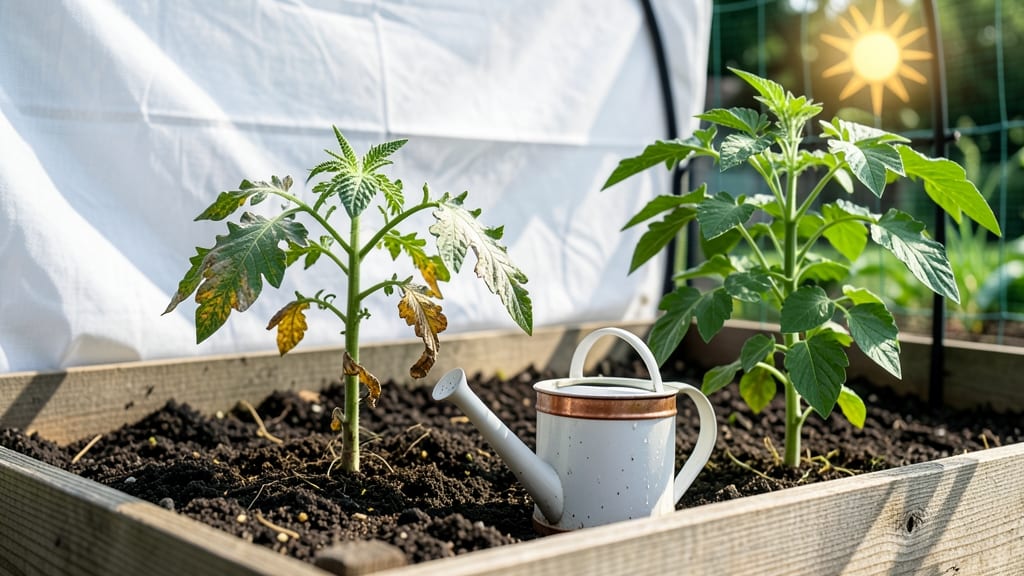
Sunburned tomato seedlings can look like they’ve been hit by a heatwave—white patches, droopy leaves, and a plant that’s clearly in distress. 🌱 I’ve nursed dozens of these back to health, and the secret isn’t complicated: it’s about shielding them from harsh light, hydrating properly, and giving them time to recover.
The good news? Most seedlings bounce back within 24 hours if you act fast.
First, check for classic sunburn signs: pale, bleached spots on leaves, crispy edges, or a plant that wilts by noon. These happen when seedlings go from shade to full sun too quickly.
The fix starts with moving them to partial shade—under a sheer cloth or in dappled sunlight—while keeping the soil consistently moist but not soggy. Overwatering stresses roots, so aim for damp, not drenched, soil.
Within 24 hours, you’ll see improvement if the roots are still healthy: leaves plumping up, new green growth at the tips, and the plant regaining its vigor.
For severe cases, trim any badly damaged leaves (they’re not coming back) and add a light layer of mulch to protect the soil from further heat stress. By tomorrow, your seedlings should be on the mend—and ready to graduate to their permanent spot.
Prevention is easier than rescue: start hardening off seedlings gradually over 7–10 days, increasing sun exposure by 1–2 hours each day. And remember, morning sun is gentler than afternoon heat—so place seedlings where they’ll get bright but indirect light, especially in hot climates. Your future tomato harvest depends on it!
📚 In This Guide
- What you need
- Instructions
- Tips and common mistakes
- Wrapping up and next steps
What you need
- ● Sunburned tomato seedlings – Any variety (cherry, beefsteak, etc.), regardless of age.
- ● Watering can or spray bottle – With a fine mist nozzle (avoid heavy pressure).
- ● Shade cloth (50-70% coverage) – At least 2–3 feet wide to drape over seedlings.
- ● Pruning shears or sharp scissors – For trimming damaged leaves (sterilized with rubbing alcohol).
- ● Balanced liquid fertilizer (5-5-5 or 10-10-10) – ½ teaspoon per gallon of water (diluted).
- ● Mulch (straw or grass clippings) – 1–2 inches thick to retain moisture.
- ● Plastic sheeting or tarp – 1–2 feet larger than your seedling tray (for humidity tent).
- ○ pH test kit (optional but helpful) – To check soil pH (ideal: 6.0–6.8).
- ● Compost or worm castings – ½ cup per plant to boost recovery.
- ● Aspirin water solution – 1 crushed aspirin per gallon of water (anti-stress aid).
- ● Humidity dome or clear plastic bag – For extra moisture retention.
- ● Garden thermometer – To monitor soil temp (ideal: 60–75°F).
- ● Epsom salt (magnesium sulfate) – 1 tablespoon per gallon for leaf recovery.
How to rescue sunburned tomato seedlings in 24 hours
Here's the method I've used to save dozens of scorched seedlings—no fancy tools, just smart care.
☀️ Step 1: Move Seedlings to Immediate Shade
Tomato seedlings don't just need shade—they need complete protection from direct sunlight for at least 24 hours. I move them to a spot under a 50% shade cloth or the north side of the house where light is diffused. If you don't have shade cloth, a white sheet draped loosely over a frame works just as well. The goal is to block 70-80% of sunlight immediately.
Check the seedlings after 4 hours—if leaves still look pale or crispy, extend the shade period. You'll see improvement within hours as the plant stops producing excess heat and begins recovery. Avoid moving them back into sun until you see new growth at the tips of stems.
💧 Step 2: Hydrate with Lukewarm Water
Sunburned seedlings need deep hydration, but not cold water that shocks the system. Fill a watering can with lukewarm water (about 70-75°F) and water until it runs freely from the drainage holes. This ensures roots rehydrate fully without stress. I like to water in the early morning so excess moisture evaporates by afternoon.
After watering, gently squeeze the soil near the base—it should feel moist but not soggy. If it's still dry, repeat the process. Overwatering now can lead to root rot, but dehydration will kill the seedlings faster. Watch for perky leaves by midday as a sign the plant is absorbing moisture.
🌿 Step 3: Apply a Protective Leaf Spray
Mix 1 tablespoon of vegetable oil with 1 teaspoon of mild dish soap in a quart of water. This creates a breathable barrier that helps retain moisture and protects damaged cells. Lightly mist the undersides of leaves (where most sun damage occurs) using a spray bottle. Avoid wetting the soil—focus only on the foliage.
Spray in the late afternoon when temperatures drop slightly. You'll see a slight sheen on the leaves, but it should disappear within a few hours. Reapply every 12 hours for the first 48 hours or until new growth appears. This isn't a cure-all—it just buys time for the plant to recover.
⏰ Step 4: Monitor for New Growth Signals
After 24 hours, check for tiny new leaves at the stem tips or along the branches. These are your best indicators that the plant is recovering. If you see no new growth after 48 hours, the damage may be too severe, and you'll need to start fresh. Healthy recovery looks like firm stems and slightly darker green leaves.
By the third day, gradually reintroduce morning sun only (2-3 hours max). Watch for wilting or yellowing—if it happens, return to full shade immediately. Most seedlings show full recovery in 5-7 days if given consistent care. The key is patience—rushing them back into sun is what caused the damage in the first place.
🌱 Step 5: Strengthen for Future Sun Exposure
Once seedlings are fully recovered, harden them off by increasing sun exposure gradually. Start with 3 hours of morning sun, then add 1 hour daily until they tolerate full sun. I also mix 1 teaspoon of Epsom salt into the water every 2 weeks to boost magnesium—sun-stressed plants often need this extra support.
Keep an eye out for new sunburn as a warning sign your seedlings aren't ready. If leaves start curling or turning white again, they're getting too much sun too soon. With this method, your seedlings will develop thicker cuticles and better heat tolerance over time, making them far more resilient to future sun exposure.
Tips & tricks for reviving sunburned tomato seedlings
Real talk: Even the most careful gardeners end up with scorched seedlings. Here's how to turn those crispy leaves into healthy plants again.
Shade Strategy: The 24-hour shade rule is non-negotiable, but here's the secret: position your shade cloth or sheet so it creates a gentle breeze underneath. This prevents heat buildup that can actually worsen damage. I use a wooden dowel to prop up one side of my sheet, creating a slight tent effect. This airflow helps the leaves recover faster while still blocking that harsh sunlight.
Hydration Hack: That 70-75°F lukewarm water recommendation matters more than you think. Cold water shocks already stressed plants, while hot water can burn tender roots. I keep a thermometer in my watering can to verify temps—especially important if you're using tap water that might be cooler. The goal is to mimic the plant's natural temperature, signaling it's safe to absorb moisture. After watering, I always check the soil's moisture level by squeezing it gently near the base; it should feel like a well-wrung sponge—not a dripping washcloth.
Leaf Spray Science: When mixing your protective spray in Step 3, use cold-pressed vegetable oil instead of refined oils. The natural compounds in cold-pressed oils create a more effective barrier against sun damage. I've found that avocado oil works particularly well because it contains vitamin E, which helps repair damaged cell membranes. Remember to spray only the undersides—this is where most sun damage occurs, and it's also where the plant's stomata (pores) are concentrated for maximum absorption.
Recovery Timeline: The 48-hour no-growth rule is your critical decision point. If you see absolutely nothing after two days, don't waste time—start fresh with new seedlings. But if you notice even the tiniest hint of new growth (like a single leaf unfurling), keep going. I've seen seedlings that looked completely dead at 48 hours produce full recovery by day 5. The key is consistency—stick to the 12-hour spray schedule religiously during those first two days, even if progress seems slow.
Pro Tips for Sunburn Tomato Seedlings
- Real talk: Even the most careful gardeners end up with scorched seedlings.
- Shade Strategy: The 24-hour shade rule is non-negotiable, but here's the secret: position your shade cloth or sheet so it creates a gentle breeze underneath.
- Hydration Hack: That 70-75°F lukewarm water recommendation matters more than you think.
Frequently asked questions
Got questions about sunburned tomato seedlings? You’re not alone!
Here are the most common concerns—and quick fixes—to get your plants back on track.
What does sunburn look like on tomato seedlings?
Sunburned seedlings show white, yellow, or grayish patches on leaves or stems—often crispy to the touch. Unlike pests, there’s no slime or holes, just dry, papery damage from too much direct sunlight. Check the upper leaves first; they’re the most vulnerable!
How fast can sunburn damage tomato seedlings?
Sunburn can appear in as little as 2–4 hours of intense sun (especially in hot climates or clear skies). Seedlings with thin stems or pale leaves are at higher risk. Act fast—shade + hydration within 24 hours can prevent permanent damage.
Can I save a sunburned tomato seedling?
Yes!
Prune damaged leaves (use clean scissors ), move the plant to partial shade, and water deeply at soil level. Avoid wetting leaves to prevent fungal issues. Most seedlings recover in 3–7 days if roots are healthy.
How long should I keep seedlings in shade after sunburn?
Start with 50–70% shade (use a lightweight cloth or mesh) for 3–5 days. Gradually increase sunlight over a week. Monitor leaves—if they yellow further, extend shade time. Morning sun is gentler than afternoon heat!
What’s a better alternative to prevent sunburn?
Try these proactive steps:
- Hardening off: Acclimate seedlings to sun gradually (1–2 hours/day for 1 week).
- Shade cloth: Use 30% shade fabric for the first 2 weeks after transplanting.
- Timing: Plant in early spring or late summer to avoid peak sun.
- Spacing: Keep seedlings 2–3 inches apart to reduce competition and stress.
Bonus Tip: Revive Tip
If seedlings look too far gone, snip the top 1–2 inches of the stem and replant. New growth often sprouts from the base!
Wrapping up and next steps
Don’t let sunburned tomato seedlings stress you out—your plants are tougher than they seem! 🌱 With the right care and this simple 24-hour rescue trick, you can nurse them back to health and watch them thrive.
Remember, quick action and gentle adjustments are key to saving your garden’s future harvest.
Now that you’re armed with the know-how, take the next step and give your seedlings the TLC they deserve. Monitor their progress daily, and soon, you’ll be enjoying vibrant, productive tomato plants—and maybe even a bountiful harvest! Happy gardening! 🌞