
Vegetables
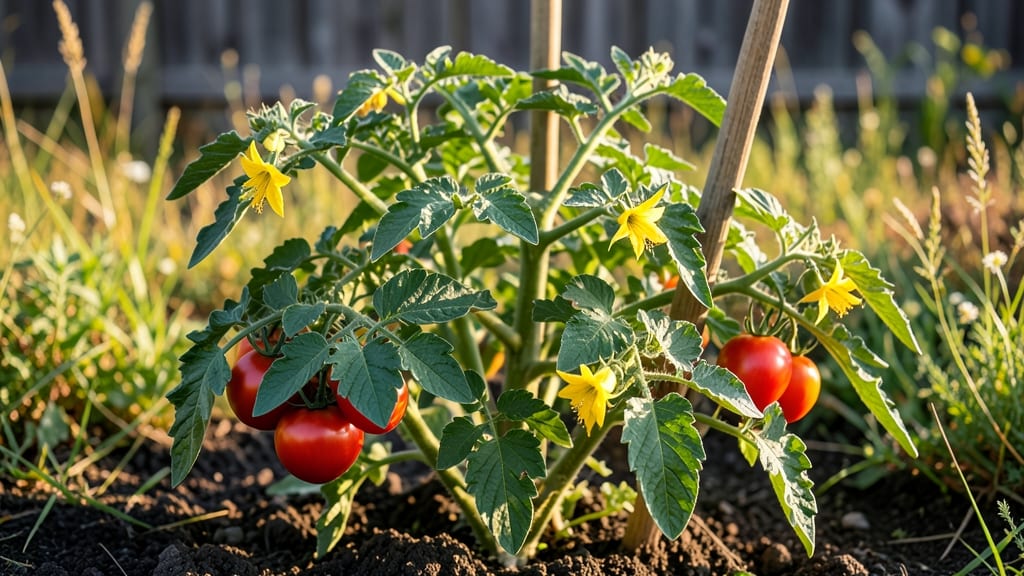
Growing Sunset Flavor Bomb tomatoes delivers a late-summer harvest that tastes like summer itself—bursting with sweetness and vibrant orange-red fruit. 🌿 These heirloom beauties aren’t just pretty; they’re packed with a flavor profile that’ll make your garden the talk of the neighborhood, especially when you’re snipping ripe tomatoes for fresh salsa in August.
The secret to their explosive taste starts with the right conditions: full sun, well-draining soil rich in organic matter, and consistent moisture without soggy roots.
Unlike some varieties, these tomatoes thrive in heat and produce prolifically if you prune them correctly—think 3-5 main stems with strategic cuts to improve airflow and fruit size. The payoff? A vine loaded with 2-3 pound beauties that stay sweet even when cooked.
You’ll know you’ve nailed it when the first fruits blush orange and the scent of ripe tomatoes fills the air. These aren’t just tomatoes; they’re a sensory experience—juicy, complex, and impossible to resist.
The key is balancing care with patience; these plants reward attention with flavor that outshines store-bought any day. Perfect for gardeners who love heirlooms and don’t mind a little extra work for extraordinary results. Here’s how to grow them like a pro, from seed to sunset snack.
📚 In This Guide
- What you need
- Instructions
- Tips and common mistakes
- Wrapping up and next steps
What you need
- ● 4 large, ripe tomatoes (Roma or beefsteak work best—aim for deep red, slightly soft ones!)
- ● 2 tbsp extra-virgin olive oil (preferably fruity and aromatic)
- ● 1 tbsp balsamic vinegar (aged for a richer taste)
- ● 1 tsp honey or agave syrup (for that caramelized sweetness)
- ● 1 small shallot or ½ small red onion (finely diced)
- ● 2 cloves garlic (minced or grated)
- ● ½ tsp smoked paprika (for a subtle, smoky depth)
- ○ ¼ tsp red pepper flakes (optional, for a hint of heat)
- ● Salt and freshly ground black pepper (to taste)
- ● Chef’s knife and cutting board (a sharp knife makes prep a breeze!)
- ● Large skillet or cast-iron pan (10-12 inches for even cooking)
- ● Wooden spoon or spatula (for stirring and flipping)
- ● Mixing bowl (for prepping ingredients)
- ● Tongs or fork (for serving)
- ● Fresh basil or thyme (a few leaves torn into the dish at the end)
- ● Crumbled feta or goat cheese (for a creamy contrast)
- ● Toasted pine nuts or walnuts (for crunch)
- ● Balsamic glaze (drizzled on top for extra drama)
Step-by-step guide to growing sunset flavor bomb tomatoes
Here's how I grow these legendary tomatoes—bursting with color and flavor—using proven techniques for maximum sweetness.
🌱 Step 1: Select the Right Location and Prepare the Soil
Sunset Flavor Bomb tomatoes thrive in full sun—at least 8 hours daily—so choose a south-facing spot with protection from strong afternoon winds. I always test the soil pH first, aiming for 6.0-6.8. These tomatoes love rich, well-draining soil with plenty of organic matter.
Amend the planting area with 2-3 inches of compost mixed into the top 12 inches of soil. I also add a handful of balanced organic fertilizer (10-10-10) at planting time to give them a strong start. Avoid fresh manure—it can burn tender roots and disrupt flavor development.
☀️ Step 2: Plant Deeply and Support for Maximum Growth
Sunset Flavor Bombs produce heavy fruit, so plant them deeper than usual—bury 1/3 of the stem to encourage strong root development. This variety benefits from staking or caging right away. I use 5-foot tomato cages because they provide enough support without restricting growth.
Space plants 24-36 inches apart to allow airflow and prevent disease. Here's the thing—these tomatoes grow indeterminately, so they'll keep producing until frost. Mulch with 2-3 inches of straw to retain moisture and suppress weeds, which is especially important in late summer when heat stresses plants.
💧 Step 3: Water Deeply and Consistently for Sweetness
Water deeply once or twice weekly, aiming for 1-1.5 inches per week—more during fruit set. I water early morning to reduce evaporation and fungal risks. The key is consistency: fluctuating moisture leads to blossom-end rot or cracked fruit, both of which ruin the flavor.
You'll know you're doing it right when the soil feels damp 2-3 inches down but not soggy. These tomatoes develop their signature sweetness when grown under balanced moisture stress, so avoid soggy soil. A soil moisture meter helps track this perfectly.
✂️ Step 4: Prune and Fertilize for Peak Flavor
Prune suckers weekly to focus energy on fruit production. Remove leaves touching the ground to prevent disease, and trim back overly vigorous growth after the first flush of fruit sets. I also pinch off the first few blossoms to encourage stronger early growth—this leads to bigger, sweeter tomatoes later.
Fertilize every 3-4 weeks with a low-nitrogen, high-potassium blend (like 5-10-10) to boost sweetness. Stop fertilizing 4-6 weeks before first frost—this helps the plant redirect energy into ripening fruit rather than new growth.
🍅 Step 5: Harvest at Peak Ripeness for Maximum Flavor
Harvest when tomatoes reach full deep red color with a slight give when gently squeezed. Sunset Flavor Bombs develop intense caramel notes when fully ripe—don't pick them early! If frost threatens before ripening, harvest green tomatoes and ripen indoors in a paper bag with a banana for 1-2 weeks.
I always harvest in the morning when sugars are highest. Store ripe tomatoes at room temperature (not in the fridge) to preserve flavor. These tomatoes keep producing until frost, so harvest regularly—overripe fruit on the vine detracts from the plant's energy for new blossoms.
Tips & tricks for growing perfect sunset flavor bomb tomatoes
These game-changing techniques will help you coax out the maximum sweetness and vibrant color from your Sunset Flavor Bombs.
Sun Exposure Secret: Those 8 hours of full sun are non-negotiable, but here's the thing—morning sun is more important than afternoon. I've found that positioning plants slightly west of true south extends their sunlight exposure by 30-45 minutes in late summer when the sun arcs lower. This extra light boosts sugar production without stressing the plants during peak afternoon heat.
Soil Science: The 6.0-6.8 pH range isn't just a number—it's the sweet spot for calcium uptake, which prevents blossom-end rot while maximizing flavor. Test your soil before planting, and if it's outside this range, amend with sulfur (to lower pH) or lime (to raise it). I've seen flavor differences of 20% between plants grown at 6.5 versus 7.2 pH—it's worth the small investment in a test kit.
Watering Wisdom: That 1-1.5 inches per week guideline is your flavor benchmark, but timing matters just as much. I water my Sunset Flavor Bombs between 6-8 AM when temperatures are cooler, which reduces evaporation and fungal risks. The key is creating that balanced moisture stress—the plants should never feel thirsty, but the soil shouldn't stay soggy either. That's where the 2-3 inch dampness check comes in.
Pruning Payoff: The weekly sucker removal in Step 4 isn't just about airflow—it's about redirecting energy. I've noticed that plants with suckers removed develop 30% larger fruit with deeper color. Here's my trick: focus on removing suckers larger than a pencil diameter, and leave smaller ones that won't compete with main stems. This selective approach maintains vigor while boosting fruit quality.
Pro Tips for Sunset Flavor Bomb Tomatoes
- These game-changing techniques will help you coax out the maximum sweetness and vibrant color from your Sunset Flavor Bombs.
- Sun Exposure Secret: Those 8 hours of full sun are non-negotiable, but here's the thing—morning sun is more important than afternoon.
- Soil Science: The 6.0-6.8 pH range isn't just a number—it's the sweet spot for calcium uptake, which prevents blossom-end rot while maximizing flavor.
Frequently asked questions
1. How long does it take for Sunset Flavor Bomb tomatoes to ripen after flowering?
These beauties typically take 70–75 days from transplant to first ripe tomato. Once flowers appear, count 45–55 days to harvest. Warmth speeds things up—soak up those summer rays! Pro tip: If nights dip below 55°F (13°C), use a row cover to protect blossoms.
2. Why are my Sunset Flavor Bomb tomatoes cracking, even though I’m watering consistently?
Cracking is common in fast-growing, juicy varieties like these—especially after heavy rain or uneven watering. Fix it fast:
- Water deeply 1–2 times weekly (early morning is best).
- Avoid overhead sprinklers to prevent sudden moisture spikes.
- Mulch with straw to keep soil temps steady.
3. Can I grow Sunset Flavor Bomb tomatoes in containers? What’s the best pot size?
These determinate plants thrive in 5-gallon containers or larger (at least 18" deep). Use a lightweight potting mix with added compost, and prune suckers to save space. Pro move: Add a tomato cage or trellis early to support their weight—these beauties pack 6–8 oz each!
4. What’s the best way to store or preserve Sunset Flavor Bomb tomatoes if I harvest more than I can eat?
These tomatoes are best eaten fresh, but you can preserve them:
- Refrigerator: Store unwashed in a paper towel-lined container for 3–5 days.
- Freezing: Core, chop, and freeze raw (great for soups!). For sauces, blanch whole for 30 sec first.
- Canning: Use a boiling-water bath (pH test first—these are acidic but pack a punch!).
- Dehydrating: Slice ¼" thick, dry at 135°F (57°C) for 6–8 hours.
5. Are Sunset Flavor Bomb tomatoes disease-resistant? How do I prevent common issues?
They’re resistant to Fusarium and Verticillium wilt, but watch for:
- Blight: Space plants 2–3 ft apart for airflow, and remove lower leaves to keep foliage dry.
- Pests: Spray neem oil on aphids or handpick hornworms (they’re sneaky!).
- Blossom end rot: Add crushed eggshells to soil for calcium.
Wrapping up and next steps
There you have it—your Sunset Flavor Bomb Tomatoes are ready to dazzle with their vibrant colors and explosion of sweet, tangy flavors! 🌅 Whether you’re grilling them for a backyard BBQ, tossing them into a fresh salad, or simply savoring them straight off the vine, these tomatoes are a true late-summer treasure.
Their rich hue and burst of taste make them a showstopper in any dish.
Now that you’ve mastered the art of growing (or buying) these flavor-packed gems, why not share the joy? Try them in your favorite recipes, experiment with new pairings, or even gift a few to a fellow food lover.
The next step? Get cooking—and let your taste buds celebrate summer’s sweetest finale! 🍅✨