
Vegetables
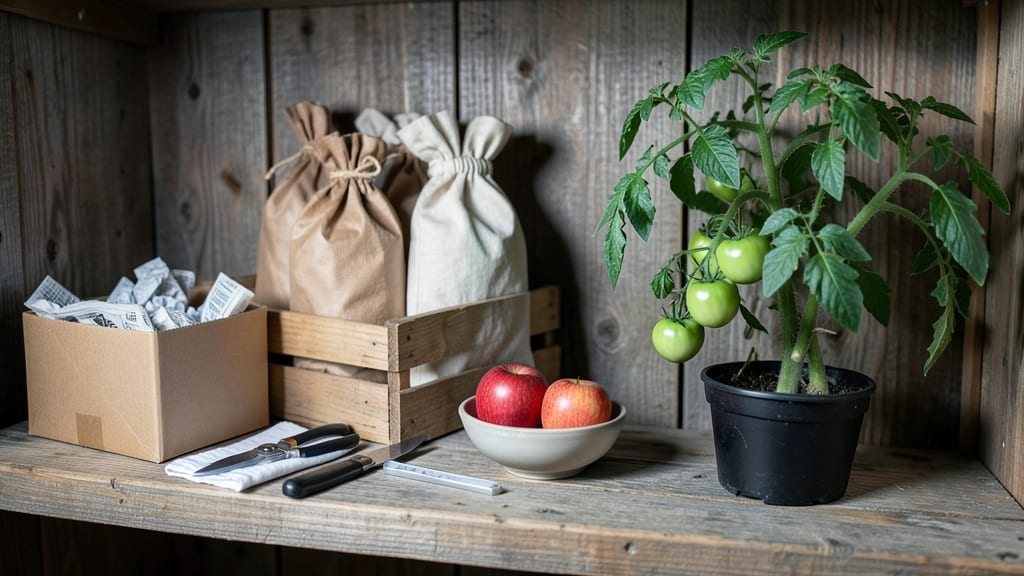
Storing green tomatoes right means you’ll still get ripe, flavorful fruit weeks later—no waste, just delayed gratification. 🌱 I learned the hard way that tossing them in the fridge too soon turns them mealy, but with the right approach, you can hold onto them until they’re perfect for sauces, salsas, or roasting.
The secret lies in temperature control and airflow—think of it like a mini greenhouse for your tomatoes. A cool, dark basement or garage (around 55-60°F) works best, but if you don’t have space, a paper bag with a few apples speeds up ripening naturally.
Avoid plastic, which traps moisture and encourages mold. You’ll know it’s working when the tomatoes soften slightly and turn a deep red or yellow—3-6 weeks, depending on variety. Check weekly for spoilage: toss any with wrinkled skin or fuzzy mold immediately.
A little planning now means no sad, shrunken tomatoes later. This method works for heirlooms, Roma, and cherry tomatoes alike. Once ripe, store them in the fridge for up to a week to keep that fresh-picked flavor. No more throwing away unripe tomatoes—just smart storage!
📚 In This Guide
- What you need
- Instructions
- Tips and common mistakes
- Wrapping up and next steps
What you need
- ● Green tomatoes: Any quantity (harvested at peak firmness, with no soft spots or bruises).
- ● Paper towels or clean kitchen towels: 2-3 sheets (to absorb excess moisture).
- ● Plastic bag (with holes) or breathable container: Option 1: A perforated plastic produce bag (or poke small holes in a regular bag with a clean needle).
- ● Option 2: A cardboard box lined with newspaper or a paper bag (for airflow).
- ○ Optional ripening agent (accelerates softening): 1-2 ripe bananas or apples (place in the bag with tomatoes to release ethylene gas).
- ● OR a small amount of lemon juice (dabbed on tomatoes to slow mold).
- ● Refrigerator or cool, dark pantry: Set to 45–50°F (7–10°C) for ideal storage.
- ● 🌡️ Temperature check: Avoid storing near strong-smelling foods (tomatoes absorb odors!).
- ● ✨ Airflow is key: Never seal tomatoes in a fully airtight container—they’ll sweat and spoil faster.
- ● 🔍 Inspect weekly: Remove any tomatoes showing mold or over-ripening to prevent spread.
Step-by-step instructions for storing green tomatoes
Here's how to keep your unripe tomatoes fresh until they're ready to ripen—no spoilage, no waste.
🪴 Step 1: Select and Prepare the Tomatoes
Pick only firm, unblemished green tomatoes—any soft spots or bruises will rot faster. I sort them by size, keeping medium ones together since they ripen more evenly. Rinse them gently under cool water to remove dirt, then pat completely dry with a clean towel. Moisture speeds up spoilage, so don't skip this step.
Place the tomatoes in a single layer on a paper towel-lined tray. This prevents them from touching each other, which can cause premature rot. If you have a lot, I like to use a wire cooling rack—it lets air circulate all around each tomato.
💧 Step 2: Choose the Right Storage Container
For short-term storage (up to a week), a standard plastic produce container with ventilation holes works perfectly. Line the bottom with a fresh paper towel to absorb any moisture. If you're storing them longer, I recommend a cardboard box with air holes punched in the sides—it mimics the breathable environment tomatoes need.
Never store them in sealed containers or plastic bags. The trapped ethylene gas will cause them to rot instead of ripen. You'll know the container is right when the tomatoes aren't touching and air can flow freely around them.
☀️ Step 3: Store in the Ideal Location
Place the container in the crisper drawer of your refrigerator, which maintains a consistent 35-40°F temperature—the perfect range to slow ripening while keeping them fresh. Avoid the main fridge compartments where temperatures fluctuate more. Check them every 3-4 days to remove any that show signs of spoilage.
If you notice condensation inside the container, that means the tomatoes are releasing too much moisture. Open the container for 30 minutes to let it air out, then replace the paper towel lining. This prevents mold from forming on the surface.
⏰ Step 4: Ripen at Room Temperature
When the tomatoes start showing color changes (yellowing or slight red blush), remove them from the fridge. Place them in a paper bag with a banana or apple—these fruits release ethylene gas, which speeds up ripening naturally. I like to poke a few small holes in the bag to allow some airflow.
Leave them at room temperature (65-75°F) in a dry, shaded spot. Check daily—they should be fully ripe in 3-7 days, depending on the variety. If they're still green after a week, return them to the fridge for another week before trying again.
🌱 Step 5: Use or Preserve Before Spoilage
Once fully ripe, use your tomatoes within 3-5 days for best flavor. If you have more than you can use, I recommend slicing and freezing them for later. Spread slices on a tray, freeze until solid, then transfer to a sealed bag. Frozen tomatoes work great in sauces and soups.
For long-term storage, you can also make salsa or tomato sauce and can it using a pressure canner. The acidity from vinegar or lemon juice helps preserve the tomatoes safely. Just be sure to follow tested recipes to avoid botulism risks.
Tips & tricks for perfect green tomato storage
Common pitfalls—and how to sidestep every one when storing green tomatoes.
Selection is Everything: Here's what nobody tells you—green tomatoes with even the tiniest bruise or soft spot will rot faster than you'd think. I've ruined three batches because I ignored that one small dimple. Look for tomatoes that feel firm all over, like a perfect little tennis ball. Also, sort them by size before storing: medium-sized ones ripen more evenly than mixed sizes. Pro tip: If you have a few extra, place them in a separate container—they'll ripen at different rates!
Container Matters More Than You Think: That plastic produce container with holes? It's not just for looks. The ventilation is critical—without it, trapped ethylene gas from the tomatoes themselves speeds up rot instead of ripening. I learned this the hard way after watching perfectly good tomatoes turn mushy in a sealed container. For longer storage, cardboard boxes with punched holes work even better because they allow better airflow all around each tomato. And always line the bottom with fresh paper towels—they'll absorb any moisture that builds up.
Temperature Control: The 35-40°F range in your crisper drawer isn't just arbitrary—it's the Goldilocks zone for slowing ripening without freezing the tomatoes. I've seen people store them in the main fridge compartments where temps fluctuate, and those tomatoes either ripen too fast or develop uneven colors. Also, if you notice condensation forming inside the container after a few days, that's your signal to open it for 30 minutes and replace that paper towel. Condensation = future mold if you don't act fast.
Ripening Hack: When you're ready to ripen those tomatoes, don't just toss them in a bag with a banana. Poke a few small holes in the bag first—this keeps the ethylene gas concentrated enough to speed up ripening, but still allows some airflow to prevent mold. I like to use a paper bag because it's breathable and you can see the color changes more easily. And here's the thing: if your tomatoes aren't showing any color change after a week at room temperature, don't give up! Just return them to the fridge for another week before trying again—some varieties are just slower ripeners.
Pro Tips for Store Green Tomatoes
- Common pitfalls—and how to sidestep every one when storing green tomatoes.
- Selection is Everything: Here's what nobody tells you—green tomatoes with even the tiniest bruise or soft spot will rot faster than you'd think.
- Container Matters More Than You Think: That plastic produce container with holes?
Frequently asked questions
Got questions about storing green tomatoes? You’re not alone! Here are answers to the most common concerns—so you can keep your harvest fresh and ready for the perfect recipe.
How long can I store green tomatoes in the fridge?
Green tomatoes stay fresh in the fridge for 2–4 weeks if stored properly. Place them in a paper bag or ventilated container to prevent moisture buildup. Check weekly—they’ll ripen faster if left at room temperature later!
Can I store green tomatoes at room temperature instead?
Yes! For shorter-term storage (3–5 days), keep them in a cool, dark place like a pantry or counter. Avoid direct sunlight, which speeds up spoilage. If they’re firm and unblemished, room temp works—but fridge storage extends their life significantly.
Will freezing green tomatoes work?
Freezing is a great backup! Slice or dice them, blanch in boiling water for 2–3 minutes, then freeze in airtight bags. Use within 8–12 months for cooking (like salsa or fried green tomatoes). Note: Texture changes, so avoid freezing if you plan to eat them raw later.
Why are my green tomatoes turning mushy in storage?
Mushiness usually means overripe or damaged tomatoes. Check for soft spots, leaks, or mold—these speed up spoilage. Store only firm, unbruised tomatoes, and avoid stacking them. If caught early, move them to a paper towel-lined container to absorb excess moisture.
Can I store green tomatoes with other veggies?
It’s not recommended! Tomatoes release ethylene gas, which causes nearby produce (like lettuce or carrots) to spoil faster. Store them separately in the crisper drawer or a dedicated bin. For extra safety, wrap them loosely in paper towels to reduce humidity.
Pro Tip for Ripening Later
Want to ripen green tomatoes on purpose? Place them in a paper bag with a banana or apple (ethylene producers) for 3–5 days. Check daily—they’ll soften and turn red when ready!
Wrapping up and next steps
Storing green tomatoes properly ensures you’ll enjoy them fresh or ripened just when you need them—whether for cooking, preserving, or letting nature take its course! 🌱 Whether you opt for the fridge, countertop, or paper bag trick, the key is patience and the right conditions.
Now that you’re armed with these tips, why not try one method this week? Grab those unripe tomatoes, experiment, and savor the satisfaction of perfectly timed harvests.
Ready to share your success or ask more questions? Drop a comment below—we’d love to hear how your tomatoes turn out!