
Vegetables
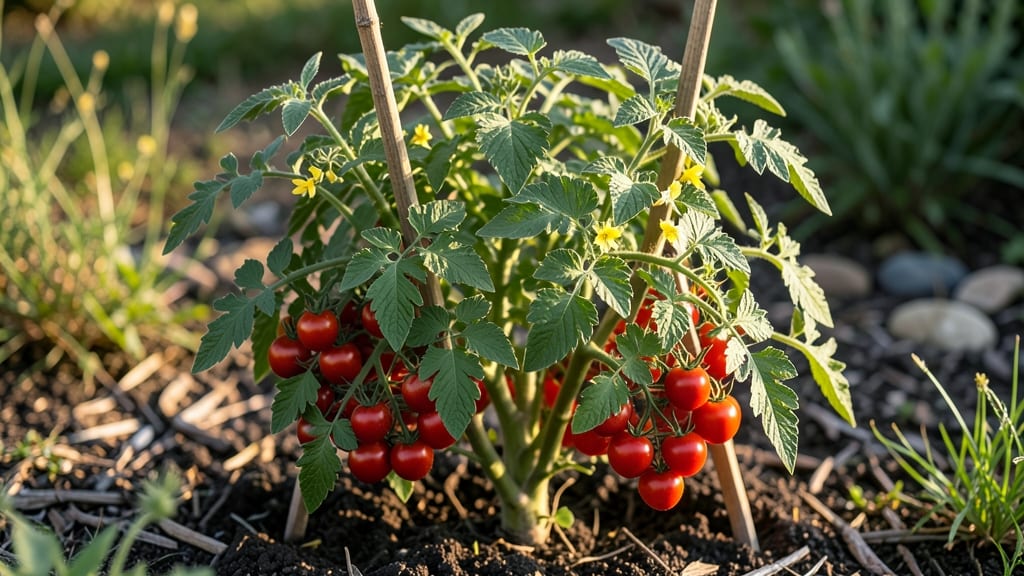
Growing Sunset Flavor Bombs cherry tomatoes means your summer salads will taste like a sun-drenched explosion. 🌿 These striped beauties aren’t just pretty—they pack bursting sweetness that turns every bite into a flavor celebration.
I’ve grown them for three seasons now, and they never disappoint, even in my hot, dry climate. The secret starts with full sun and rich soil—they thrive in well-draining mixes with a dash of compost.
Plant them after the last frost, spacing them 18-24 inches apart, and watch as vines stretch toward the sky. These tomatoes love warmth but hate soggy roots, so mulch heavily to keep moisture steady. By midsummer, you’ll be harvesting pint-sized jewels that balance sweetness with just enough tang.
The yield is impressive too—clusters of 20-30 tomatoes per plant—and they keep producing until frost. Prune regularly to boost airflow, and watch pests scurry away from the robust foliage. Perfect for containers or in-ground beds, these tomatoes adapt beautifully.
Just remember: consistent watering and afternoon shade in scorching heat are your best friends. Let’s get those seeds in the ground!
📚 In This Guide
- What you need
- Instructions
- Tips and common mistakes
- Wrapping up and next steps
What you need
- ● 1 pint (about 250g) cherry tomatoes – Choose a mix of red, yellow, and orange varieties for that sunset vibe! (Organic or vine-ripened for extra sweetness.)
- ● 1 tbsp extra-virgin olive oil – High-quality for drizzling and roasting.
- ● 1 tsp balsamic glaze – For a tangy-sweet finish (or reduce 2 tbsp balsamic vinegar + 1 tsp honey to DIY!).
- ● ½ tsp flaky sea salt – Enhances natural sweetness.
- ● ¼ tsp black pepper – Freshly cracked for a bold kick.
- ○ Optional add-ins: 1 clove garlic, minced (for depth).
- ● 1 tsp dried oregano (Italian or Mexican blend for warmth).
- ● Pinch of smoked paprika (for a subtle BBQ twist).
- ● Fresh basil or thyme (for herbal brightness).
- ● Baking sheet – Rimmed, with parchment paper (or silicone mat).
- ● Mixing bowl – Small, for tossing tomatoes.
- ● Whisk or fork – For combining ingredients.
- ● Measuring spoons – For precise seasoning.
- ● Knife & cutting board – If prepping garlic/herbs.
- ○ Optional: Food processor (to blend balsamic glaze from scratch).
- ● Toothpick or skewer (for serving as "flavor bombs" on a platter).
How to grow stunning sunset flavor bombs cherry tomatoes
This heirloom variety delivers jaw-dropping yellow-and-red striped fruit with explosive sweetness—here's how to coax maximum flavor from your plants.
🌱 Step 1: Start Seeds Indoors for Early Vigorous Growth
Begin seeds 8-10 weeks before your last frost date in biodegradable peat pots filled with sterile seed-starting mix. The reason for biodegradable pots is simple: you'll transplant directly into the garden without disturbing delicate roots, which these tomatoes especially appreciate. Press the mix down gently to eliminate air pockets, then moisten until it holds together when squeezed but doesn't drip.
Plant two seeds per pot at a depth of ¼ inch—about the width of a dime. Cover lightly with additional mix and mist until the surface looks uniformly damp. Place the pots on a seedling heat mat set to 75-85°F for consistent germination. You'll see first sprouts in 7-14 days, though cooler rooms may extend this to 2-3 weeks. Here's the thing—don't be tempted to water again until the top inch of soil feels dry to the touch.
☀️ Step 2: Provide Optimal Light and Prevent Leggy Growth
The instant those first true leaves appear, move seedlings under 14-16 hours of full-spectrum grow light positioned 2-4 inches above the plants. Without sufficient light, stems stretch desperately toward any available source, creating weak, spindly plants that never recover. You'll know your light is working when seedlings develop compact spacing between leaves and deep green color—not pale or yellowing.
Rotate pots a quarter turn daily so plants grow straight rather than leaning toward the light source. After 3-4 weeks, when seedlings show 3-4 sets of true leaves, begin hardening off by placing them outside in partial shade for 1-2 hours daily. Gradually increase exposure over 10-14 days until they can tolerate full sun and wind conditions. This gradual transition prevents transplant shock that can set back growth for weeks.
🪴 Step 3: Transplant with Care for Maximum Yield
Choose a full-sun location with at least 6 hours of direct sunlight daily and well-draining soil. Sunset Flavor Bombs thrive in rich, slightly acidic soil with a pH of 6.0-6.8. Amend heavy clay soil with compost to improve drainage and fertility. Plant seedlings 18-24 inches apart in rows spaced 24-36 inches apart—this gives vines room to sprawl without competing for nutrients.
Dig holes twice as wide as the root ball but no deeper. Gently remove the seedling from its pot, loosen any circling roots with your fingers, and place it in the hole so the top of the root ball sits just below soil level. Backfill with native soil and water deeply to eliminate air pockets. Here's where it gets fun—install cages or trellises immediately to support the vines as they grow. These tomatoes produce heavy fruit, so sturdy support prevents broken stems.
💧 Step 4: Water and Feed for Explosive Flavor Development
Water deeply once weekly during dry periods, aiming for 1-1.5 inches of water per week. The key is consistency—let the top 2 inches of soil dry out between waterings to encourage deep root growth. Water at soil level rather than overhead to prevent disease. You'll notice larger, sweeter fruit when plants receive steady moisture without soggy soil.
Begin fertilizing 2-3 weeks after transplanting with a balanced organic fertilizer (10-10-10 or similar) applied every 4-6 weeks. When flowers appear, switch to a low-nitrogen, high-phosphorus fertilizer to encourage fruiting. I like to side-dress with compost tea every 2 weeks during fruiting to boost flavor. Prune suckers (the small shoots that form in the leaf axils) regularly to direct energy toward fruit production rather than foliage.
✂️ Step 5: Prune and Harvest for Continuous Production
Remove suckers (the shoots that grow between the main stem and branches) when they're smaller than 3 inches to prevent them from competing with fruit production. Prune yellow or diseased leaves immediately to maintain airflow and prevent rot. You'll see healthier vines and more abundant fruit when you keep plants open and well-circulated.
Harvest cherry tomatoes when fully colored—typically 50-60 days after flowering. The striped pattern develops fully at maturity, so wait until the fruit shows bold yellow-and-red stripes before picking. Harvest every 2-3 days during peak production to encourage continuous flowering. Store in the refrigerator for up to 1 week or use immediately for maximum sweetness and flavor. The reason for frequent harvesting is simple: it signals the plant to produce more fruit rather than storing energy in unripe tomatoes.
Tips & tricks for growing stunning sunset flavor bombs tomatoes
To get the most vibrant striped fruit and maximum flavor, these insider tricks will help you avoid common pitfalls and boost your harvest.
Heat Mat Precision: That 75-85°F heat mat temperature is non-negotiable for germination. If your home stays cooler than 70°F, consider using a small greenhouse or placing pots on top of your refrigerator to maintain consistent warmth. I learned this the hard way after waiting three weeks for sprouts in a chilly basement—don't let that happen to you. The difference between reliable germination and disappointment often comes down to maintaining this precise temperature range.
Lighting Strategy: When setting up your 14-16 hours of full-spectrum grow light, position it just 2-4 inches above the seedlings. Too high and they'll stretch; too low and they'll burn. I use a simple trick to check placement: if you can fit a standard business card between the light and the tallest seedling, you're in the perfect zone. This consistent light exposure prevents leggy growth that can weaken your plants before they even reach the garden.
Transplanting Technique: The 18-24 inch spacing between plants might seem generous, but trust me—it's essential. These tomatoes develop heavy vines that need room to sprawl without competing for nutrients. If you're short on space, consider vertical growing with sturdy cages that can handle the weight. The key is to loosen circling roots before planting, which prevents transplant shock that can set back growth for weeks.
Harvest Timing: Those 50-60 days after flowering until harvest might seem like a long wait, but patience pays off. The striped pattern develops fully at maturity, so resist the urge to pick early. I harvest every 2-3 days during peak season to encourage continuous production—this simple habit prevents the plant from storing energy in unripe fruit and signals it to keep flowering. The flavor difference between freshly harvested and refrigerator-stored tomatoes is night and day.
Pro Tips for Sunset Flavor Bombs Cherry Tomatoes
- To get the most vibrant striped fruit and maximum flavor, these insider tricks will help you avoid common pitfalls and boost your harvest.
- Heat Mat Precision: That 75-85°F heat mat temperature is non-negotiable for germination.
- Lighting Strategy: When setting up your 14-16 hours of full-spectrum grow light, position it just 2-4 inches above the seedlings.
Frequently asked questions
about these sunset flavor bombs—because even the boldest tomatoes deserve a little clarity!What makes cherry tomatoes turn that stunning sunset stripe?
Those vibrant stripes are a natural anthocyanin boost—triggered by cooler nights and sunny days during ripening. Think of it as nature’s way of saying, “I’m extra sweet and gorgeous!” For best results, grow them in well-draining soil with partial shade in peak summer heat.
How long does it take for cherry tomatoes to develop these stripes?
Patience pays off! Striped varieties (like ‘Sun Gold’ or ‘Black Cherry’) typically show color shifts 60–70 days after transplanting. Watch for the stripes to deepen as they near full ripeness—usually 3–5 days before harvest. Pro tip: Morning temps below 85°F help intensify the color!
Can I substitute regular cherry tomatoes if I can’t find striped ones?
While striped varieties pack extra flavor, sweet heirloom or yellow cherry tomatoes deliver bold taste. For a “sunset” vibe, brush ripe red tomatoes with a beet juice glaze (simmer 1 cup beet juice + 1 tbsp honey) before roasting. Sweetness wins!
Why are my striped tomatoes cracking or splitting?
Cracking usually means too much water too fast—especially after dry spells. To prevent it:
- Water deeply but infrequently (1–2 inches per week).
- Avoid late-day watering (soak soil by 10 AM instead).
- Mulch heavily to keep moisture steady.
Best ways to use striped cherry tomatoes (beyond salads)?
These flavor bombs shine in:
- Roasted with balsamic (toss with olive oil, salt, and a splash of balsamic; roast at 400°F for 20 mins).
- Tomato jam (simmer with onions, garlic, and a pinch of sugar—perfect for bruschetta!).
- Blended into salsas (their sweetness balances spicy jalapeños).
- Stuffed with goat cheese and basil for a gourmet bite.
Wrapping up and next steps
Cherry tomatoes are nature’s sweetest flavor bombs—packed with vibrant color, juicy bursts of taste, and endless culinary potential. Whether you’re a home gardener or a kitchen adventurer, these striped gems prove that bold flavors don’t have to be complicated. Now’s your chance to turn them into a star dish!
Ready to level up your meals? Start by grabbing a handful of these sun-kissed tomatoes and experiment with the recipes or tips you’ve discovered. Next, try pairing them with your favorite proteins or cheeses—the possibilities are endless, and your taste buds will thank you!