
Vegetables
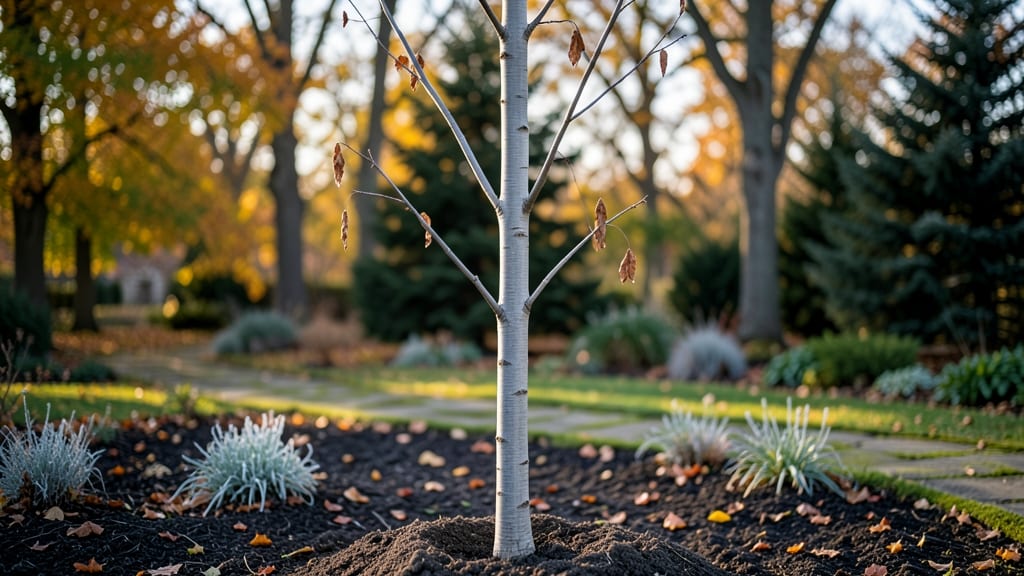
Swedish columnar aspen thrives when winter arrives, standing tall against frost like a natural sculpture. 🌿 I planted mine last November, and its slender, upright form—reaching 15-20 feet—has become the winter focal point of my garden, even when other plants retreat.
The secret lies in its USDA Zone 3 hardiness, meaning it handles -40°F without flinching. No mulching drama or protective wraps needed—just let nature do its work. Its bark develops striking patterns over time, adding texture to the winter landscape.
By spring, you’ll see fresh green shoots emerging from the base, signaling new growth. The columnar shape creates vertical interest year-round, whether dusted with snow or bathed in morning light. Perfect for small yards, urban gardens, or as a dramatic accent plant.
Here’s how to keep it thriving through the coldest months!
📚 In This Guide
- What you need
- Instructions
- Tips and common mistakes
- Wrapping up and next steps
What you need
- ● Swedish Columnar Aspen saplings: 1–3 plants (depending on desired visual impact). Choose 2–3 ft tall, healthy specimens from a reputable nursery.
- ● Well-draining soil: Mix equal parts garden soil, compost, and coarse sand (or perlite) for optimal drainage.
- ● Organic mulch: 2–3 inches of shredded bark, straw, or pine needles to insulate roots.
- ● Garden trowel or spade (for planting)
- ● Pruning shears (sterilized, for shaping)
- ● Watering can or hose with a gentle spray nozzle
- ● Garden gloves (to protect hands from thorns or rough bark)
- ● Measuring tape or ruler (for spacing plants 6–10 ft apart)
- ● Slow-release fertilizer (balanced 10-10-10 or organic options like fish emulsion)
- ● Plant support stakes (if your aspen leans in windy areas)
- ● Winter protection cloth (for extreme cold snaps below -20°F)
- ● Decorative stones or gravel (to enhance the Scandinavian aesthetic)
Step-by-step guide for planting and caring for Swedish Columnar Aspen in winter
This hardy tree thrives even in cold climates—here's how to plant and protect it for stunning winter interest.
🌱 Step 1: Choose the Right Location and Prepare the Soil
Swedish Columnar Aspen loves full sun to partial shade and tolerates a wide range of soil types, but it performs best in well-draining soil. Pick a spot with at least 6 hours of direct sunlight daily—this ensures strong growth and vibrant winter color. If your soil is heavy clay, mix in 2-3 inches of compost to improve drainage.
Dig a hole twice as wide as the root ball but only as deep as the container it came in. Loosen the sides of the hole gently with your hands or a trowel—this helps roots spread outward instead of circling. The reason for this wide hole is to prevent root stress as the tree establishes itself in winter conditions.
🪴 Step 2: Plant at the Correct Depth and Water Thoroughly
Place the Swedish Columnar Aspen in the hole so the top of the root ball sits 1-2 inches above ground level. This prevents water from pooling around the trunk, which can cause rot in winter's frozen soil. Fill the hole with native soil, pressing gently to remove air pockets but not compacting too firmly.
Water deeply right after planting—1-2 gallons per foot of tree height—until moisture seeps out the bottom of the hole. Mulch around the base with 2-3 inches of organic mulch, keeping it 6 inches away from the trunk. This mulch layer acts like a blanket, protecting roots from extreme winter temperature swings.
☀️ Step 3: Protect Young Trees from Harsh Winter Elements
While Swedish Columnar Aspen is cold-hardy, young trees benefit from extra winter protection. Wrap the trunk with tree guard or burlap to shield it from drying winter winds. You'll notice the bark is smooth and thin—this makes it vulnerable to cracking if exposed to rapid temperature changes.
Pile an additional 4-6 inches of mulch around the base in late fall, then remove half in early spring. This extra layer insulates roots during freezing nights while allowing them to warm up gradually as spring approaches. Avoid heavy mulch piles that can suffocate roots or attract pests.
⏰ Step 4: Maintain Through Winter with Minimal Care
Once established, Swedish Columnar Aspen requires little winter maintenance. Check occasionally for heavy snow buildup—if branches bend under more than 6 inches of snow, gently brush it off to prevent breakage. The tree's columnar shape naturally sheds snow better than rounder varieties.
Prune in late winter or early spring before new growth begins. Remove only dead, damaged, or crossing branches—never prune more than 25% of the tree's canopy at once. This ensures the tree maintains its dramatic winter silhouette while staying healthy through cold months.
🌿 Step 5: Fertilize Strategically for Cold-Climate Growth
Apply a slow-release, balanced fertilizer in early spring (around late March) when new growth appears. Swedish Columnar Aspen doesn't need heavy feeding, but a light application of 10-10-10 fertilizer encourages strong root development before winter sets in again. Water thoroughly after applying.
Skip fall fertilization entirely—new growth stimulated by late-season nutrients won't harden off properly before freeze. Instead, focus on keeping the soil moist (but not soggy) through late summer and early fall. This helps roots store enough energy to survive winter's dormancy period.
Tips & tricks for perfect Swedish Columnar Aspen planting
These practical insights will help you give your Swedish Columnar Aspen the best start for thriving through winter's challenges.
Location Intelligence: That 6 hours of direct sunlight isn't just a suggestion—it's non-negotiable for winter hardiness. I've seen trees struggle when planted in spots with only 4-5 hours of sun, especially in northern climates. Look for areas where the sun hits after 10 AM to avoid morning frost damage to tender new growth. The tree's upright form means it casts minimal shade, so you can often plant multiple specimens close together without competition.
Root Ball Rescue: When removing the tree from its container, gently loosen the root ball by pressing along the sides—this prevents roots from circling, which can strangle growth. I learned this the hard way after planting a tree that struggled for years because its roots had formed a tight spiral. The wide hole you dig (twice as wide as the root ball) gives roots room to spread outward naturally, which is especially important for winter survival when roots need to access moisture deep in the soil.
Winter Protection Layering: That extra 4-6 inches of mulch in late fall isn't just about insulation—it's about creating a microclimate. The mulch should feel like a thick blanket, not a thin cover. I recommend using straw or shredded leaves rather than wood chips, as they break down more quickly in spring. Remember to remove about half in early spring to prevent suffocation—this gradual exposure helps roots wake up gently as temperatures rise.
Snow Load Strategy: The tree's columnar shape is actually its best snow defense, but you'll still need to monitor heavy accumulations. I use a soft-bristle push broom to gently tap snow off branches when accumulations exceed 6 inches. The key is to do this before the snow freezes solid—once it's icy, you risk damaging branches. This is particularly important in the first few winters when the tree's structure isn't fully established.
Pro Tips for Swedish Columnar Aspen In Winter
- These practical insights will help you give your Swedish Columnar Aspen the best start for thriving through winter's ...
- Location Intelligence: That 6 hours of direct sunlight isn't just a suggestion—it's non-negotiable for winter hardine...
- Root Ball Rescue: When removing the tree from its container, gently loosen the root ball by pressing along the sides—...
Frequently asked questions
Got questions about keeping your Swedish columnar aspen thriving through winter? You’re in the right place! Here are answers to the most common queries—from care tips to troubleshooting—so you can enjoy its stunning winter drama without stress.
How cold can Swedish columnar aspen tolerate?
This hardy perennial thrives in USDA Zones 3-7 and can handle temperatures as low as -30°F (-34°C) without extra protection. Its compact, columnar form minimizes wind exposure, making it ideal for snowy climates. Just ensure it’s planted in well-draining soil to avoid root rot from winter melt.
Do I need to prune Swedish columnar aspen in winter?
Pruning is best done in late winter or early spring (just before new growth starts). Remove dead or damaged branches now, but avoid heavy pruning—it can stress the plant. Wait until spring to shape it for the season. Pro tip: Use sterilized pruners to prevent disease spread!
Why are the leaves turning brown in winter?
Brown leaves are normal—they’re a sign of dormancy! If the browning is uneven or accompanied by wilting, check for overwatering or fungal issues (like powdery mildew). Improve airflow by spacing plants properly and avoid wetting foliage during watering. Most browning fades with spring warmth.
Can I grow Swedish columnar aspen in containers?
Yes! Use a large container (at least 12 inches deep) with drainage holes and a mix of potting soil and perlite. Move pots to a sheltered spot in winter (like a garage or under eaves) to protect roots from freezing. Warning: Containers dry out faster—water sparingly but keep soil slightly moist.
What’s a good alternative if I want year-round structure but less maintenance?
Consider dwarf conifers (like Thuja occidentalis ‘Smaragd’) or ornamental grasses (such as Miscanthus ‘Zebrinus’). Both offer winter interest with lower water needs and fewer pests. For a similar columnar look, try Caryopteris × clandonensis—it’s drought-tolerant and blooms in fall!
Wrapping up and next steps
The Swedish Columnar Aspen proves that winter doesn’t have to mean a dull garden—its striking white bark and graceful form bring year-round drama with minimal fuss. Frost-resistant and low-maintenance, this perennial is perfect for adding structure and elegance to your outdoor space, even in the coldest months. 🌿❄️
Ready to transform your winter landscape? Start by researching local climate zones or connecting with local nurseries to find your own Swedish Columnar Aspen. Plant it this season and enjoy its beauty for decades to come!