
Vegetables
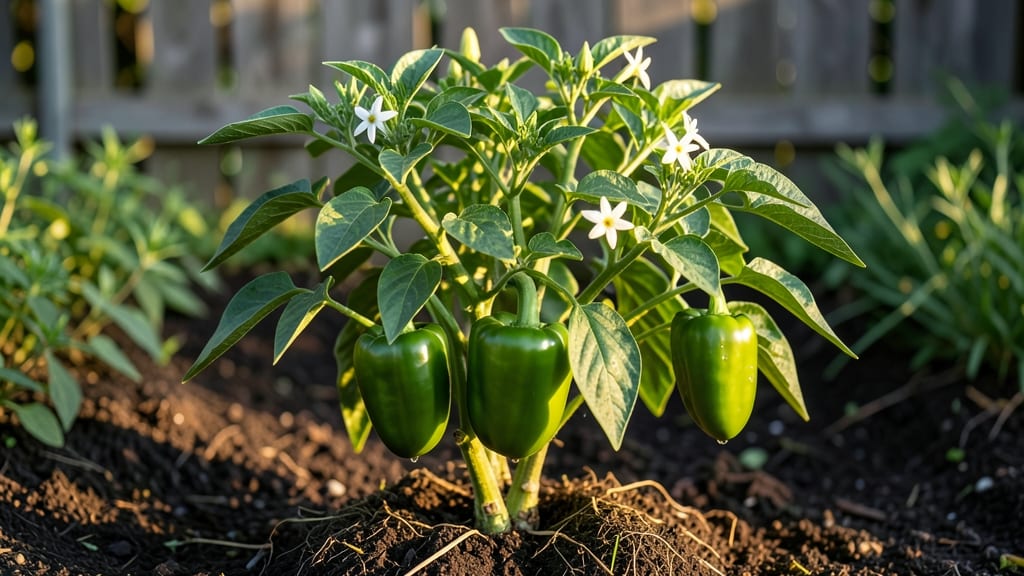
Growing sweet green peppers from seed feels like cheating the system—fast germination and a harvest that keeps giving all season. 🌱 I’ve learned the exact tricks to skip the waiting game and get crisp, sweet peppers on the table in just 75 days, even if you’re starting from scratch.
The secret? Warm soil, patience, and a few pro moves that turn good harvests into great ones.
You’ll need a sunny spot with 6-8 hours of light, well-draining soil rich in compost, and containers or garden beds that give roots room to stretch.
Transplanting seedlings (instead of direct sowing) cuts 2-3 weeks off your timeline—just pop them in after the last frost when soil hits 60°F. Water consistently but avoid soggy soil, which is the #1 enemy of sweetness and flavor.
What you’ll end up with is a bush or plant loaded with thick-walled, glossy peppers that stay sweet longer than store-bought. Prune suckers early to focus energy on fruit, and harvest regularly to keep production going.
Even in cooler climates, a black plastic mulch or cold frame extends the season by 4-6 weeks—meaning fresh peppers in spring and fall too.
Troubleshooting is half the fun: blossom end rot? Boost calcium with crushed eggshells. Stunted growth? Check your soil pH—peppers hate anything below 6.0. With these tweaks, you’ll go from seed to snack in record time, and your neighbors will be begging for your growing secrets.
📚 In This Guide
- What you need
- Instructions
- Tips and common mistakes
- Wrapping up and next steps
What you need
- ● Sweet Green Pepper Seeds: Quantity: 10–20 seeds (for a small harvest) or 50+ seeds (for a full garden bed)
- ● Varieties: Choose disease-resistant types like 'Sweet Banana,' 'California Wonder,' or 'Jalapeño M' (mild heat).
- ● Growing Containers or Garden Bed: Containers: 5-gallon pots or larger (minimum 12" deep for root growth).
- ● Garden Bed: Well-draining soil, 18–24" apart per plant (rows 24–36" apart).
- ● High-Quality Potting Mix: 1–2 bags (sterile, well-draining mix with compost or coconut coir).
- ● Avoid garden soil—it can compact and hinder root growth!
- ● Fertilizer: Balanced fertilizer (10-10-10) or organic options like composted manure or worm castings.
- ● Basic Tools: Hand trowel or small shovel
- ● Gloves (to protect from thorns or soil)
- ● Watering can or hose with a gentle spray nozzle
- ○ Optional (But Helpful!): Grow lights (for indoor seed starting or early seedlings)
- ● Mulch (straw or shredded leaves to retain moisture)
- ● Plant markers (to label varieties)
- ● Cage or stakes (for support as plants grow taller)
- ● Warmth: Sweet peppers thrive in full sun (6–8 hours daily) and temperatures 70–90°F (21–32°C). Start seeds indoors 8–10 weeks before last frost or transplant seedlings after soil warms.
- ● pH Level: Aim for 6.0–6.8 (test soil with a kit if unsure).
- ● Patience: Germination takes 7–21 days—keep soil moist and warm!
Step-by-step instructions for growing sweet green peppers
Here's how to coax fast germination and maximize harvests from your pepper plants.
🌱 Step 1: Start Seeds Indoors for Fast Germination
Sweet green peppers thrive when started indoors 6-8 weeks before your last frost date. Fill biodegradable seedling pots with sterile seed-starting mix (never garden soil—it's too dense). Moisten the mix until it holds together when squeezed but doesn't drip. Plant 2-3 seeds per pot at a depth of ¼ inch, then cover lightly with additional mix.
Press the soil gently to ensure good seed-to-soil contact—this prevents air pockets that delay germination. Place the pots in a seedling heat mat set to 75-85°F to speed up germination. Peppers germinate fastest in warmth, and this method cuts wait time from 3-4 weeks to just 7-10 days. Keep the soil consistently moist but never soggy—use a spray bottle to avoid disturbing the seeds.
☀️ Step 2: Provide Optimal Light and Prevent Leggy Growth
The moment seedlings emerge, move them under a full-spectrum LED grow light positioned 2-3 inches above the plants. Sweet peppers need 14-16 hours of light daily—without it, they stretch toward the light (leggy growth) and become weak. Raise the light as the plants grow to maintain that distance.
Watch for compact, dark green leaves as your signal for healthy growth. If stems look thin and leaves pale, your light is too far away. Rotate pots a quarter turn daily so plants grow straight instead of leaning. Once seedlings have 3-4 true leaves (not the initial cotyledons), thin to one strong seedling per pot—this prevents competition and ensures robust plants.
🪴 Step 3: Transplant Outdoors After Hardening Off
Two weeks before your last frost, start hardening off seedlings by placing them outside in a sheltered, shaded spot for 1-2 hours the first day. Gradually increase outdoor time by 1 hour daily over 10-14 days, introducing more sun and wind. Sweet peppers are heat-loving and need full sun (6+ hours daily)—but they’ll wilt if moved too quickly.
Transplant after all danger of frost has passed and soil is at least 60°F. Space plants 18-24 inches apart in well-draining soil amended with compost. Bury the stem slightly deeper than the pot—this encourages stronger root growth. Water deeply at the base to settle soil around roots, then mulch with 2-3 inches of straw to retain moisture and regulate temperature.
💧 Step 4: Maintain Consistent Moisture and Fertility
Sweet peppers hate dry soil—water deeply 1-2 times weekly, ensuring the top 2 inches of soil stay moist (not soggy). Use a drip irrigation system or water at the base to avoid wetting leaves, which prevents fungal diseases like early blight. Yellowing leaves usually mean overwatering or poor drainage—check soil moisture before watering again.
Feed plants every 2-3 weeks with a balanced liquid fertilizer (10-10-10) once flowers appear. This ensures steady growth and sweet, plump peppers. Prune yellow or damaged leaves regularly to improve airflow—this reduces disease risk and directs energy to fruit production. Watch for white flowers (the first sign of fruit) and green peppers forming within 60-70 days after transplanting.
✂️ Step 5: Harvest and Encourage Year-Round Production
Harvest sweet green peppers when they reach 3-5 inches long and are firm and glossy. Use clean pruners to cut stems—this prevents damage and encourages more fruit. Pick consistently to prompt the plant to produce new flowers and peppers. If left on the vine, peppers turn red and become less sweet.
To extend the harvest season, prune lightly after the first flush of fruit to remove spent blooms. This redirects energy to new growth. In cooler climates, grow peppers in containers and move them indoors before frost—place under grow lights and reduce watering slightly. With proper care, you can enjoy year-round harvests from the same plants.
Tips & tricks for perfect sweet green pepper cultivation
Here's what I've learned from years of growing peppers—these tricks will help you skip the common pitfalls and get the fastest, healthiest plants.
Germination Speed: The 75-85°F heat mat is non-negotiable for speedy germination. I've seen seeds take 2-3 weeks without it, but with consistent warmth, they pop in just 7-10 days. Pro tip: Place a humidity dome (or cover with plastic wrap) over your pots to create a greenhouse effect—this keeps moisture levels perfect without overwatering. Just remember to remove it once sprouts appear to prevent mold.
Light Positioning: Those 14-16 hours of light daily are critical, but placement matters just as much. I place my grow lights on a timer and position them 2-3 inches above the seedlings, then raise them as plants grow. Watch for "leggy" seedlings (thin, pale stems) as your warning sign—they're reaching for more light. If you notice this, lower the lights immediately and rotate pots daily to prevent leaning.
Transplanting Hack: When transplanting outdoors, I always bury the stem slightly deeper than the pot—this encourages stronger root growth from the buried stem. Also, choose a cloudy day for transplanting to reduce stress on your seedlings. The 60°F soil temperature threshold is your green light: use a soil thermometer to confirm before planting, especially in cooler climates.
Watering Wisdom: The top 2 inches of moist soil rule is your guide, but timing matters too. Water in the morning so leaves have time to dry before evening—this prevents fungal diseases like early blight. I've found that using a moisture meter helps avoid both under- and overwatering. Yellowing leaves? Usually means you're watering too much or have poor drainage—let the soil dry slightly between waterings.
Pro Tips for Sweet Green Pepper
- Here's what I've learned from years of growing peppers—these tricks will help you skip the common pitfalls and get the fastest, healthiest plants.
- Germination Speed: The 75-85°F heat mat is non-negotiable for speedy germination.
- Light Positioning: Those 14-16 hours of light daily are critical, but placement matters just as much.
Frequently asked questions
Got questions about growing sweet green peppers? You’re not alone! Here are some of the most common queries—plus quick answers to help you grow a thriving harvest.
How long does it take for sweet green pepper seeds to germinate?
Sweet green pepper seeds typically germinate in 7–14 days when soil temperatures stay between 70–90°F (21–32°C). For faster results, use a seedling heat mat or keep them in a warm, sunny spot. Patience is key—if moisture and warmth are consistent, sprouts will appear!
Can I grow sweet green peppers in containers? What size pot do I need?
Sweet green peppers thrive in containers as long as the pot is at least 12–18 inches deep with good drainage. Choose a pot with a diameter of 12+ inches to give roots room to spread. Just ensure they get 6–8 hours of sunlight daily and use a well-draining potting mix.
How often should I water sweet green pepper plants?
Water your plants 1–1.5 inches per week, keeping soil consistently moist but not soggy. During hot weather, you may need to water every 2–3 days. Avoid wetting the leaves to prevent disease—water at the base instead. Mulching helps retain moisture and keeps roots cool.
Why aren’t my sweet green peppers turning red? Can I still eat them green?
Sweet green peppers stay green if temperatures drop below 60°F (15°C) or if they’re harvested early. You can absolutely eat them green—they’re just as sweet and versatile! For red peppers, ensure full sun, warm soil, and consistent watering. Harvesting green peppers encourages more production.
What can I plant alongside sweet green peppers to improve growth?
Sweet green peppers love companions like basil, onions, spinach, and marigolds, which deter pests and improve flavor. Avoid planting near fennel or beans, as they can stunt growth. Interplanting with herbs also keeps bugs away naturally—win-win!
Wrapping up and next steps
Sweet green peppers are a rewarding addition to any garden—whether you're a seasoned gardener or just starting out! With the right soil, sunlight, and care, you can enjoy a bountiful harvest year-round.
Now that you’re armed with tips on fast germination and harvest hacks, it’s time to roll up your sleeves and get growing!
🌱 Your next step: Start with just one pepper plant (or a few!) and experiment with the techniques you’ve learned. Before you know it, you’ll be savoring homegrown, crisp and sweet peppers straight from your garden. Happy planting! 🌿