
Vegetables
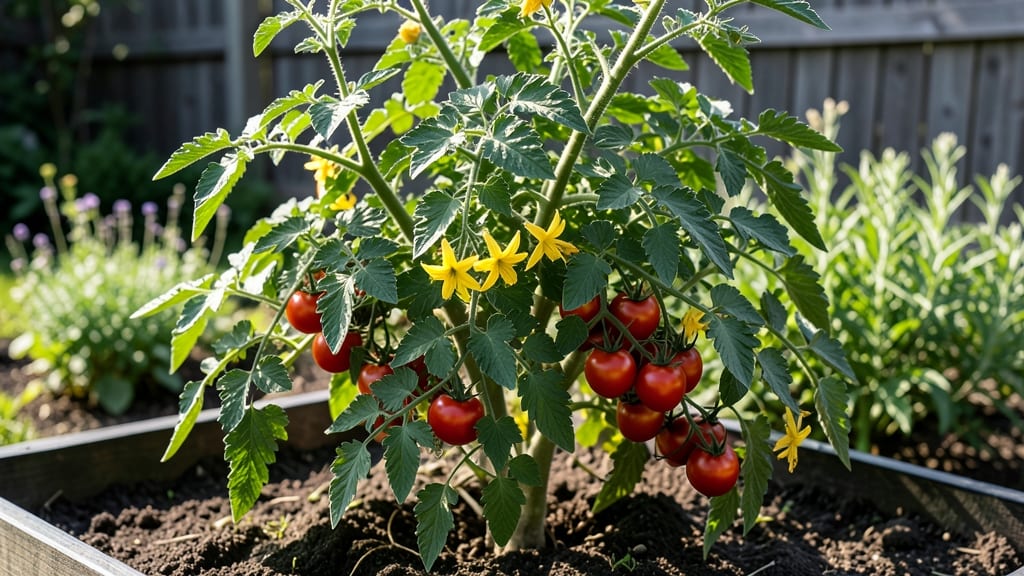
Growing Sweet Million tomatoes feels like cheating—these striped, perennial plants keep producing hundreds of sweet, juicy fruits year after year with almost no effort. 🌱 I’ve grown them in containers, raised beds, and even as a small border plant, and they’ve never failed to impress with their disease resistance and bold flavor.
The secret starts with well-draining soil and full sun (at least 6-8 hours daily). Unlike annual tomatoes, these thrive with minimal fuss—just water consistently, prune lightly to encourage bushier growth, and watch them reward you with vibrant red-and-yellow striped tomatoes that taste like summer in every bite.
No fancy fertilizers needed; a balanced feed early in the season keeps them happy. You’ll harvest cluster after cluster from early summer until frost, with some varieties even regrowing from the roots in warmer climates. The plants stay compact (3-4 feet tall), making them perfect for small spaces or containers.
Just avoid overwatering—blossom end rot is their only real weakness, and it’s easily prevented with calcium-rich soil. Here’s the kicker: Sweet Millions are self-fertile, meaning you don’t need a second plant for pollination.
Whether you’re a beginner or a seasoned gardener, these are the easiest, most rewarding tomatoes I’ve ever grown—and they come back stronger every year.
📚 In This Guide
- What you need
- Instructions
- Tips and common mistakes
- Wrapping up and next steps
What you need
- ● Sweet Million tomato seeds or seedlings: 2–4 plants (or 10–15 seeds if starting from scratch). Look for heirloom or organic varieties for best results.
- ● Well-draining potting mix or garden soil: 5–10 gallons per plant (or a high-quality vegetable blend with compost). Avoid heavy clay soil.
- ● Container or garden space: Containers: 5-gallon pots or larger (at least 12" deep and wide per plant). Use fabric pots for better aeration.
- ● Garden beds: Full sun (6–8+ hours daily) and space 18–24" apart for optimal growth.
- ● Balanced fertilizer (5-5-5 or 10-10-10): 1–2 tablespoons per plant at planting and monthly thereafter.
- ● Tomato cages or stakes: 5–6 ft tall to support the vines (Sweet Millions can grow 6+ ft!).
- ● Mulch (straw or shredded leaves): 2–3 inches to retain moisture and suppress weeds.
- ● Garden trowel or transplanting spade for planting.
- ● Watering can or hose with a gentle spray nozzle (avoid soaking the leaves).
- ○ Pruning shears for trimming suckers (optional but recommended for bushier growth).
- ○ pH test kit (optional) to ensure soil pH is 6.0–6.8 (Sweet Millions thrive in slightly acidic soil).
- ○ Row cover or shade cloth (optional) for early planting to protect from frost or pests.
How to grow Sweet Million tomatoes as bold, regrowing plants
Here's the method I use to coax these striking striped tomatoes back year after year—no replanting required.
🌱 Step 1: Select the Right Location and Soil
Sweet Million tomatoes thrive in full sun with at least 6-8 hours of direct light daily. I always choose a spot where they’ll get morning sun and afternoon shade in hot climates—this prevents sunscald on the fruit. The soil should drain well but retain moisture, so I amend heavy clay with 2-3 inches of compost mixed into the top 12 inches.
Test your soil’s pH—Sweet Millions prefer a slightly acidic range of 6.0-6.8. If yours runs alkaline, work in sulfur or peat moss to adjust it gradually. I also add a handful of bone meal at planting time to encourage strong root development, which is key for their perennial regrowth.
☀️ Step 2: Plant with Care to Encourage Regrowth
Unlike annual tomatoes, Sweet Millions can overwinter in mild climates if given the right start. Plant them in early spring, about 2-3 weeks before your last frost date, when soil temperatures reach 60°F. Dig a hole twice as wide as the root ball but only as deep—burying too deeply can suffocate the stem and prevent regrowth.
Space plants 3-4 feet apart to allow airflow, which reduces disease risk. I always mulch heavily with straw or shredded leaves to protect the crown from freezing temperatures. This mulch layer also retains moisture and keeps roots cool during summer heat waves—critical for perennial survival.
💧 Step 3: Water and Feed for Perennial Strength
Water deeply once a week during establishment, then reduce to every 10-14 days once roots are established. Overwatering leads to weak stems that won’t survive winter. I check moisture by sticking my finger 2 inches into the soil—if it feels dry, that’s when to water. Always water at the base, avoiding the leaves to prevent fungal diseases.
Fertilize lightly with a balanced 10-10-10 formula every 4-6 weeks during the growing season. Too much nitrogen produces leafy growth at the expense of fruit. In fall, switch to a low-nitrogen, high-phosphorus fertilizer to strengthen roots for winter. I also side-dress with compost tea monthly to boost microbial activity around the roots.
✂️ Step 4: Prune and Protect for Winter Regrowth
Prune aggressively in late summer to redirect energy to root development. Remove all but the strongest 3-4 main stems and pinch off suckers (the shoots that form in the leaf axils). This creates a bushier plant with fewer but larger fruits—and stronger roots for overwintering.
As temperatures drop below 40°F, mound soil or mulch up to the plant’s base, leaving only the top 4-6 inches exposed. This protects the crown from freezing. In zones with hard freezes (below 20°F), I wrap the base with burlap and straw for extra insulation. With proper protection, Sweet Millions often resprout from the same roots in spring.
🌿 Step 5: Harvest and Prepare for Next Year’s Growth
Harvest fruits when they’re fully colored and slightly soft to the touch—usually 70-80 days after planting. Sweet Millions are heat-tolerant, so they ripen later in the season. I always leave a few fruits on the plant to mature fully for seed saving, as these striped varieties don’t always come true from store-bought seeds.
After the first frost, cut back the foliage to 6 inches above ground level and remove all diseased material. I mark the location with a stake so I know exactly where to check for new growth in spring. In mild climates, you’ll see shoots emerge as early as February—just give them a little water and they’ll take off again.
Tips & tricks for growing perennial Sweet Million tomatoes
Here's what I've learned after years of growing these striking striped tomatoes year after year without replanting.
Sunlight Strategy: The 6-8 hours of daily sun is non-negotiable for these heat-loving plants. I've found that positioning them to get morning sun and afternoon shade in hot climates prevents sunscald on the fruit while still giving them enough energy for regrowth. In particularly intense summer heat, I've even used shade cloth for 2-3 hours in the afternoon to protect the plants without sacrificing their sunlight needs.
Soil Preparation Secret: When amending your soil with 2-3 inches of compost, don't just scratch it in—mix it thoroughly into the top 12 inches. This creates the perfect moisture-retaining environment while preventing compaction. I've seen plants with shallow compost layers develop weak root systems that struggle to overwinter. The bone meal addition is especially crucial—it's the difference between plants that regrow and those that don't make it through winter.
Winter Protection Technique: That 4-6 inch exposed stem height is critical when insulating for winter. I've learned this the hard way—once I left too much exposed and lost a plant to freezing. The key is to mound soil or mulch up to the base while leaving just enough stem exposed to prevent suffocation. In my zone 6 garden, I've found that adding a layer of burlap wrapped around the base provides that extra insulation needed for hard freezes below 20°F.
Harvest Timing: The 70-80 day window for harvest might seem long, but Sweet Millions are worth the wait. I've found that harvesting when fruits are fully colored but still slightly soft gives the best flavor. The heat tolerance means they'll keep producing later than most varieties, so don't be tempted to harvest too early—let them develop that signature sweetness. And always leave a few to mature fully for seed saving, as these striped varieties don't always come true from store-bought seeds.
Pro Tips for Sweet Million Tomato
- Here's what I've learned after years of growing these striking striped tomatoes year after year without replanting.
- Sunlight Strategy: The 6-8 hours of daily sun is non-negotiable for these heat-loving plants.
- Soil Preparation Secret: When amending your soil with 2-3 inches of compost, don't just scratch it in—mix it thoroughly into the top 12 inches.
Frequently asked questions
Got questions about the Sweet Million tomato? You’re not alone—this bold, striped heirloom is as fascinating as it is delicious! Here are answers to the most common queries to help you grow and enjoy these perennials with confidence.
Can Sweet Million tomatoes really regrow year after year?
Yes! Unlike most tomatoes, Sweet Millions are perennial in warm climates (USDA Zones 9-11). In cooler areas, treat them as annuals—they’ll thrive for multiple years if protected from frost. Mulch heavily in winter to insulate roots. Pro tip: Prune aggressively in early spring to encourage bushier regrowth.
How long does it take for Sweet Million tomatoes to fruit?
Patience is key—these beauties take 80-90 days to mature from transplant. If growing from seed, add another 2-3 weeks. In warmer climates, they may produce fruit year-round if given consistent care. Troubleshoot: Slow growth? Check for pests (like aphids) or nutrient deficiencies (add compost!).
Are Sweet Million tomatoes sweet enough to eat raw?
Their bright red-orange stripes and thick flesh pack a sweet, tangy flavor—perfect for snacking. They’re also fantastic in salads, salsas, or roasted dishes. Bonus: Their low acidity makes them ideal for canning or sauces without adding extra sugar.
What’s the best alternative if Sweet Million won’t thrive in my climate?
Try these perennial tomato varieties for similar bold flavors:
- ‘Indigo Rose’ – Purple-skinned, disease-resistant, and sweet.
- ‘Cherokee Purple’ – Heirloom with rich, smoky-sweet taste.
- ‘Solar Fire’ – Heat-tolerant with bright orange fruit.
Why are my Sweet Million leaves turning yellow or spotted?
Yellow leaves often signal overwatering, nutrient deficiency, or disease (like early blight). Fix it:
- Check soil moisture—let top 2” dry out between waterings.
- Fertilize with balanced 10-10-10 or compost tea.
- Prune affected leaves and improve airflow.
Wrapping up and next steps
The Sweet Million tomato isn’t just a one-time harvest—it’s a rewarding, low-maintenance perennial that keeps giving with its sweet, striped fruit and bold foliage. Whether you’re a seasoned gardener or a curious beginner, its ability to regrow naturally makes it a game-changer for year-round yields and sustainable growing. 🌱
Ready to dive in? Start small—plant a few seeds or cuttings this season, and let nature do the rest. With patience and care, you’ll soon be enjoying homegrown tomatoes that taste like sunshine—and maybe even sharing them with neighbors! 🍅✨