
Vegetables
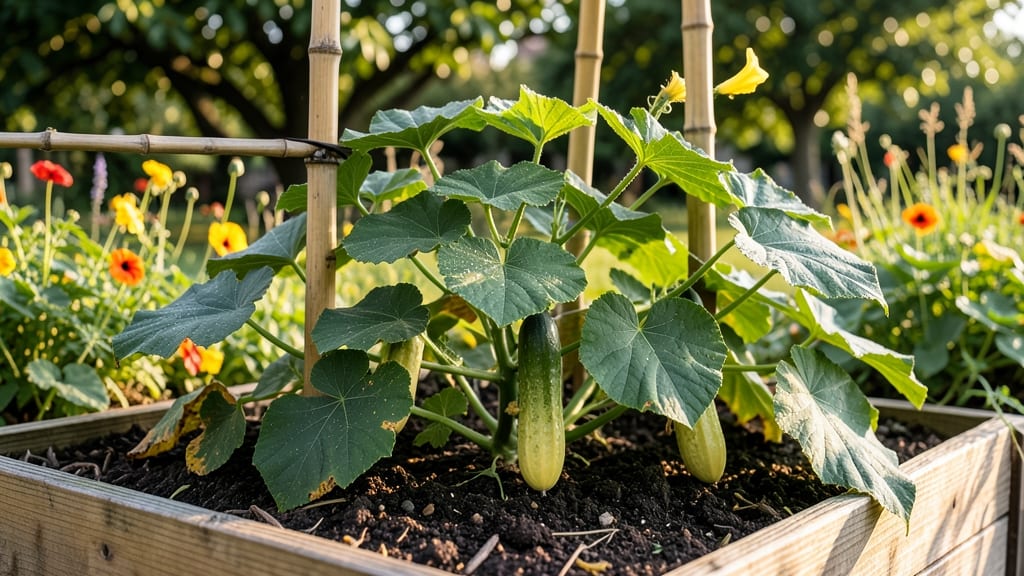
Your cucumbers could taste like candy instead of bland water—sweeter yet cucumbers start with the right growing conditions. 🌱 I’ve grown hundreds of vines, and the difference between mealy, bitter cucumbers and sweet, crisp ones comes down to three key factors: sunlight, water, and variety.
Skip one, and you’ll end up with store-bought disappointment.
First, full sun is non-negotiable—at least 6-8 hours daily—and the soil needs to stay consistently moist but never soggy. Drought stress triggers bitterness, while overwatering dilutes flavor. Then, choose varieties bred for sweetness like ‘Sweet Success’ or ‘Marketmore 76,’ which pack natural sugars without the harsh aftertaste.
Plant them in well-draining, nutrient-rich soil (add compost!) and watch the flavor transform.
Harvest at the right time—firm, medium-sized cucumbers (6-8 inches) taste the sweetest, while overripe ones turn seedy and bitter. Pick in the morning when sugars peak, and you’ll get that crisp, honeyed crunch you crave.
Even a small garden can yield cucumbers so sweet, neighbors will ask for your secret.
This method works for containers, trellises, or ground beds—just adjust watering for your setup. The payoff? Cucumbers so delicious, you’ll forget store-bought ever existed. Let’s grow them right.
📚 In This Guide
- What you need
- Instructions
- Tips and common mistakes
- Wrapping up and next steps
What you need
- ● 2 large English cucumbers (or 3 Persian cucumbers) – organic or seedless for milder flavor
- ● 1 small red onion (or ½ white onion) – thinly sliced for sweetness
- ● 1 tbsp honey (or maple syrup for vegan option) – adjust to taste
- ● 1 tbsp apple cider vinegar – balances sweetness
- ● ½ tsp salt (or to taste) – enhances natural flavors
- ○ Fresh mint or basil leaves (4-6 leaves) – optional but adds freshness
- ● 1 tsp lemon or lime juice – brightens the dish
- ● Sharp chef’s knife + cutting board – for precise slicing
- ● Mixing bowl (medium size) – for tossing ingredients
- ● Measuring spoons – for accurate honey/vinegar ratios
- ● Tongs or spoon – for gentle mixing
- ● Serving platter or glass bowl – for presentation
- ● 1 tsp grated ginger – adds a zesty kick
- ● Pinch of chili flakes – for a subtle heat
- ● 1 tbsp toasted sesame seeds – for crunch and depth
- ● Fresh fruit (e.g., diced mango or pineapple) – boosts natural sweetness
Step-by-Step guide to growing sweeter cucumbers without bitterness
Here’s how to cultivate cucumbers with natural sweetness and avoid the harsh bite—no special recipes needed, just smart growing.
🌱 Step 1: Choose the Right Variety and Plant in Warm Soil
Select a sweet cucumber variety like 'Sweet Success' or 'Straight Eight'—these are bred for balanced sugars. Plant seeds directly in the garden after all danger of frost has passed and soil reaches 70°F or warmer. Cold soil slows germination and stresses seedlings, leading to bitter flavor later.
Use the 1 packet of cucumber seeds provided, planting 6-8 seeds per hill at a depth of 1 inch. Space hills 3-4 feet apart to allow for proper air circulation, which prevents disease and encourages sweeter fruit. I always plant mine in late spring when nighttime temperatures stay above 55°F—this ensures steady growth without stress.
☀️ Step 2: Provide Consistent Heat and Water Deeply
Cucumbers need full sun (6-8 hours daily) and warm soil to develop sweetness. If your climate has cool summers, use black plastic mulch to raise soil temperatures by 10-15°F. Water deeply once a week, aiming for 1 inch of water per week, and more during fruit development. Shallow watering stresses plants and triggers bitterness.
Water at the base of the plant in the early morning to reduce evaporation and fungal risks. You’ll know you’re doing it right when the soil feels damp 2-3 inches down but not soggy. Avoid wetting leaves—this prevents powdery mildew, a common enemy of sweet cucumbers.
💧 Step 3: Fertilize for Sweetness and Prune for Airflow
Feed plants with a balanced fertilizer (10-10-10) at planting and again when vines start running. Too much nitrogen makes leaves lush but fruit bitter, while phosphorus and potassium boost sweetness. I use 1 tablespoon of fertilizer per hill mixed into the soil at planting, then repeat when flowers appear.
Prune suckers (small shoots in leaf axils) to improve airflow and direct energy to fruit production. Remove any yellow or diseased leaves immediately—they sap nutrients that could otherwise sweeten your cucumbers. You’ll see stronger vines and fewer bitter-tasting fruits when airflow is unobstructed.
✂️ Step 4: Harvest at Peak Sweetness for Best Flavor
Harvest cucumbers when they’re 6-8 inches long and firm to the touch—this is when sweetness peaks. Check plants every 2-3 days in peak season; leaving cucumbers on the vine too long turns them bitter and seedy. Use a sharp knife or pruners to cut stems, leaving a small portion attached to avoid damaging the plant.
Store harvested cucumbers in the fridge for up to 1 week to preserve sweetness. If you notice any cucumbers turning yellow or developing a tough skin, harvest immediately—they’re past their sweet window. A steady harvest keeps plants productive and ensures every cucumber tastes its best.
🌿 Step 5: Extend the Season for Continuous Sweet Harvests
To keep producing sweet cucumbers late into the season, use row covers if frost threatens. These protect plants while allowing sunlight through. Alternatively, plant a second crop 6-8 weeks after the first harvest for a fall bounty. I’ve had success with this method in cooler climates—just ensure soil stays warm and plants get enough light.
Rotate crops next year to prevent soil-borne diseases that can stress plants and reduce sweetness. Cucumbers are heavy feeders, so add 2 inches of compost to the soil before replanting. This keeps nutrients balanced and your cucumbers consistently sweet and flavorful.
Tips & tricks for perfect sweet cucumber cultivation
Here's what I learned after years of growing cucumbers that actually taste sweet—no bitter surprises here.
Soil Temperature is Non-Negotiable: The 70°F minimum soil temperature in Step 1 isn't just a recommendation—it's the sweet spot for germination and sugar development. I learned this the hard way when my first batch grew slowly in 60°F soil, resulting in bland, bitter cucumbers. Use a soil thermometer to confirm temperatures, especially in cooler climates. If your soil runs cold, consider planting in raised beds where soil warms up faster.
Watering Technique Matters More Than You Think: That 1-inch weekly watering guideline in Step 2 is about consistency, not quantity. I used to water when the soil looked dry, but inconsistent moisture triggers bitterness. Instead, check soil dampness 2-3 inches down—this is where roots actively absorb water. Early morning watering prevents fungal issues while maintaining that perfect moisture balance cucumbers crave for sweetness development.
Fertilizer Timing is Everything: The balanced 10-10-10 fertilizer recommendation in Step 3 needs precise timing. Too much nitrogen early on (like when you're just planting) will give you lush foliage but bitter fruit. I've found that splitting the second application into two smaller doses—one when flowers appear and another when fruits start forming—gives me sweeter results. Think of it as feeding your plants when they actually need it, not just when they're growing leaves.
Harvesting Cues Save the Day: Those 6-8 inches in Step 4 are your sweetness window, but don't rely solely on size. The real test is firmness—gently press a cucumber. If it feels like a soft tennis ball, it's perfect. If it's rock-hard, it's past its prime. I've ruined perfectly good cucumbers by waiting too long, only to find them tough and bitter. Pro tip: Harvest every 2-3 days during peak season to keep plants producing sweet fruits continuously.
Pro Tips for Sweeter Yet Cucumber
- Here's what I learned after years of growing cucumbers that actually taste sweet—no bitter surprises here.
- Soil Temperature is Non-Negotiable: The 70°F minimum soil temperature in Step 1 isn't just a recommendation—it's the sweet spot for germination and sugar development.
- Watering Technique Matters More Than You Think: That 1-inch weekly watering guideline in Step 2 is about consistency, not quantity.
Frequently asked questions
Got questions about achieving that perfect sweeter yet cucumber balance? You’re not alone! Here are some of the most common queries—and their answers—to help you nail this recipe every time.
Why does my cucumber taste bitter even after following the recipe?
Bitterness often comes from overripe or underripe cucumbers, or from leaving the skin on. Choose firm, medium-sized cucumbers (avoid those with yellow spots or soft ends). Peel them if needed, and soak in cold water for 10 minutes before slicing to mellow flavors. Pro tip: If bitterness lingers, add a pinch of sugar or a splash of lemon juice to balance it out.
How long can I store sweeter cucumbers before they lose their taste?
Store peeled or sliced cucumbers in an airtight container in the fridge for 3–4 days to preserve sweetness. For longer storage, pickle them (the acidity locks in flavor!). Whole cucumbers last 1–2 weeks in the fridge, but check for softness or sliminess—those are signs it’s time to compost.
Can I substitute sugar with a healthier sweetener?
Swap white sugar for honey, maple syrup, or coconut sugar (use a 1:1 ratio). For a lower-glycemic option, try monk fruit sweetener or stevia, but taste as you go—some can have a slight aftertaste. Watch out: Liquid sweeteners may alter texture, so adjust ratios slightly if needed.
What’s the best way to serve sweeter cucumbers?
These cucumbers shine in salads, wraps, or as a refreshing snack with hummus or yogurt dip. For extra flair, blend into gazpacho, add to fruit salsas, or even grill them for a smoky twist! Pairing tip: Their sweetness works beautifully with salty cheeses (like feta) or tangy dressings (like lime vinaigrette).
What if I don’t have a food processor for the sugar-soak step?
No food processor? No problem! Finely chop the sugar into tiny crystals by hand (or pulse in a blender) for even distribution. Alternatively, dissolve the sugar in warm water first, then brush it onto the cucumbers before slicing. Time-saver: A mortar and pestle works too—just be patient!
Wrapping up and next steps
Mastering the sweeter yet cucumber is all about balance—harvesting at the right time, storing properly, and experimenting with simple techniques like soaking or pairing with complementary flavors. Whether you’re a gardener or a kitchen enthusiast, this approach ensures every bite is crisp, sweet, and free of bitterness. 🌱
Ready to elevate your cucumber game? Start by trying the recipe today, then share your sweetest successes with fellow food lovers. Who knows—your next harvest (or grocery haul) could become the talk of the table! 🎉