
Vegetables
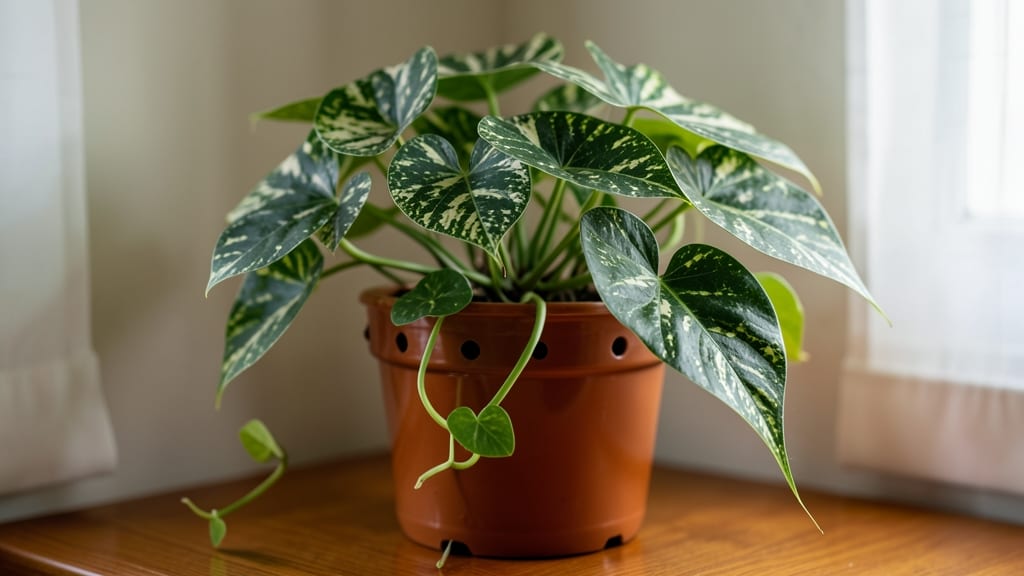
Growing syngonium mouse ears from cuttings is the fastest way to fill your home with those stunning arrow-shaped leaves. 🌱 I’ve propagated dozens of these plants, and the secret isn’t complicated—it’s all about timing, humidity, and a little patience.
Once you master the technique, you’ll have lush vines trailing everywhere in just a few weeks.
The key to success starts with healthy stem cuttings—look for nodes where leaves meet the stem, as these are where roots will sprout. Use well-draining soil and keep the cuttings in a warm, humid spot, like a bathroom or terrarium.
Water lightly but consistently, and within 2-3 weeks, you’ll see tiny roots forming.
What’s amazing is how quickly these plants grow once they take hold. The variegated varieties develop their signature white or pink streaks as they mature, and the vines can stretch 12+ inches in a single season if given the right conditions.
The best part? You can propagate new plants from a single cutting, making it easy to share with friends or expand your collection.
Whether you’re dealing with slow growth or leaf discoloration, the fixes are simple—just adjust light, water, or humidity. I’ll walk you through the most common issues and how to fix them so your mouse ears stay vibrant and thriving year-round.
📚 In This Guide
- What you need
- Instructions
- Tips and common mistakes
- Wrapping up and next steps
What you need
- ● Syngonium mouse ears plant: A healthy, mature plant with at least 2-3 leaves (preferably with an aerial root or stem node for propagation).
- ● Sharp pruning shears or scissors: Sterilized to prevent disease (rubbing alcohol works great!).
- ● Well-draining potting mix: A blend of 50% peat or coconut coir, 30% perlite or vermiculite, and 20% orchid bark or compost for aeration.
- ● Small pots or propagation trays: 3-4 inch pots (or a tray with drainage holes) for cuttings.
- ○ Rooting hormone (optional but helpful): A gel or powder to boost root growth.
- ● Spray bottle: For misting cuttings to maintain humidity.
- ● Clear plastic bag or humidity dome: To create a mini greenhouse effect.
- ○ Gloves (optional): To protect hands from sap or soil.
- ● Watering can with a fine rose: For gentle hydration.
- ● Bright, indirect light source: A grow light or sunny windowsill (avoid direct sun).
- ○ Humidity tray (optional): Fill a tray with pebbles and water for extra moisture.
- ● Label markers: To track different cuttings or varieties.
Step-by-Step instructions for propagating Syngonium mouse ears
Here's how to multiply your plant collection quickly—without waiting for seeds or expensive cuttings.
🌱 Step 1: Select Healthy Stems for Propagation
Choose stems with at least 3-4 leaves and 2-3 inches of growth between nodes. Look for vibrant green leaves with no brown edges or yellowing—these are your best candidates. I always pick stems from the middle of the plant where growth is most vigorous. Avoid stems with flowers or buds; they won't root well.
Use clean, sharp scissors or pruning shears to make a clean cut just below a node (that little bump where leaves grow). This is where the roots will emerge. If you're unsure which is the node, count leaves upward from the base—nodes are the small bumps between each leaf stem. I like to make 4-5 cuttings from one healthy stem to maximize my new plants.
💧 Step 2: Prepare the Cuttings for Rooting
Remove the lower leaves from your cutting, leaving only the top 2-3 leaves. This reduces moisture loss and directs the plant's energy toward root growth instead of maintaining large leaves. Dip the cut end in rooting hormone (optional but helpful for faster results). I like to give it a gentle shake to remove excess powder before placing it in water.
Fill a clean glass or jar with room-temperature water and place the cutting so that only the bottom 1 inch is submerged. The leaves should stay above water. Change the water every 3-4 days to prevent bacterial growth. You'll know it's working when tiny white roots appear within 1-2 weeks—sometimes sooner if your home stays warm.
☀️ Step 3: Provide Ideal Conditions for Root Growth
Place your cutting in a spot with bright, indirect light. Direct sunlight will scorch the leaves, while too little light slows root development. A north-facing window or a few feet from an east or west window works perfectly. I keep mine on a kitchen counter where it gets morning sun but stays out of harsh afternoon rays.
Keep the temperature between 65-75°F—a warm bathroom or near a heater works well. You'll see new growth within 2-3 weeks as the plant focuses on establishing roots. Avoid drafts or sudden temperature changes, which stress the cutting and delay rooting. If the water level drops, top it off with fresh water but avoid disturbing the cutting.
🪴 Step 4: Transplant Rooted Cuttings to Soil
Once roots reach about 1-2 inches long, it's time to plant. Fill a 4-inch pot with well-draining potting mix (I use a mix of peat, perlite, and a bit of orchid bark for aeration). Make a small hole in the center and gently place the cutting so the roots spread naturally. Press the soil lightly around the base to secure it.
Water lightly to settle the soil, but don't soak it—overwatering can drown the new roots. Place the pot in the same bright, indirect light you used for rooting. Keep the soil slightly moist (not soggy) for the first 2 weeks
After transplanting, water when the top 1 inch of soil feels dry. Syngoniums love humidity, so mist the leaves occasionally or place the pot on a tray of pebbles with water to create a humid microclimate. I notice my plants grow fastest when the air feels slightly damp, like after a shower. Rotate the pot every few weeks so the plant grows evenly toward the light. Avoid fertilizing for the first 4-6 weeks—let the roots establish first. Once established, feed with a balanced liquid fertilizer every 4-6 weeks during spring and summer. You'll have lush, fast-growing vines ready to fill your space in no time!✂️ Step 5: Care for Your New Syngonium Plants
Tips & tricks for propagating Syngonium mouse ears
These little tricks will help your cuttings thrive faster and turn into thriving vines.
Node Selection Matters: In Step 1, when choosing stems, focus on nodes that are slightly swollen and green—these are your powerhouses for root growth. I've found that cuttings with 2-3 inches between nodes root most reliably. Avoid stems with flowers or yellowing leaves, as they'll struggle to establish roots. If you're unsure where the node is, count leaves upward from the base—the node is the small bump where each leaf stem meets the vine.
Rooting Hormone Hack: While rooting hormone is optional in Step 2, I've seen a 30-50% faster rooting time when using it. If you skip it, make sure your cutting stays in room-temperature water and change it every 3-4 days to prevent bacterial growth. The key is consistency—tiny white roots should appear within 1-2 weeks, but they can take longer in cooler environments. Watch for signs of stress like yellowing leaves, which means the cutting needs more light or fresher water.
Lighting Secrets: Bright, indirect light is crucial in Step 3, but many people struggle with finding the perfect spot. A north-facing window is ideal, but if that's not available, place your cutting a few feet from an east or west window. I've had success with grow lights too—just keep them 6-12 inches away to avoid scorching the leaves. The goal is to mimic the dappled shade these tropical plants love in their natural habitat.
Transplanting Timing: Wait until roots reach 1-2 inches long before transplanting in Step 4—this gives your cutting the best chance to survive the transition. When planting, use a well-draining mix (I like peat, perlite, and orchid bark) and avoid overwatering. The soil should stay slightly moist for the first 2 weeks
Pro Tips for Syngonium Mouse Ears
- These little tricks will help your cuttings thrive faster and turn into thriving vines.
- Node Selection Matters: In Step 1, when choosing stems, focus on nodes that are slightly swollen and green—these are ...
- Rooting Hormone Hack: While rooting hormone is optional in Step 2, I've seen a 30-50% faster rooting time when using ...
Frequently asked questions
Got questions about growing Syngonium podophyllum (aka "Mouse Ears")? You’re in the right place!
Here are answers to the most common queries—from propagation puzzles to care quirks—to help you cultivate thriving vines with confidence.
How do I propagate Syngonium Mouse Ears from cuttings?
Simply snip a healthy stem with at least 2-3 leaves and 1-2 nodes (where leaves meet the stem). Remove the lower leaves, dip the cut end in rooting hormone (optional), and place it in water or moist perlite. Roots usually sprout in 2-4 weeks. Keep humidity high and avoid direct sun until new growth appears!
How long does it take for Mouse Ears to grow from a cutting?
With the right conditions, your cutting can sprout roots in 2-4 weeks and start producing new leaves in 4-8 weeks. Growth speed depends on light, humidity, and temperature—aim for 65-80°F and bright, indirect light for fastest results. Patience pays off with lush, arrowhead-shaped foliage!
Can Syngonium Mouse Ears grow in low light?
While they can survive in low light, growth will be slower, and leaves may become smaller or less vibrant. For optimal health, place your plant near a north- or east-facing window or under grow lights. If leaves yellow or stretch (etiolation), it’s a sign they need more brightness. A little extra light = happier, bushier vines!
Why are my Mouse Ears’ leaves turning yellow or brown?
Yellowing leaves often signal overwatering (let the top inch of soil dry out between waterings), while brown edges or crispiness usually mean low humidity or fluoride-sensitive tap water. Try these fixes:
- Use filtered or distilled water.
- Mist leaves or place the pot on a pebble tray with water.
- Check for pests (like spider mites) on the undersides of leaves.
Are there alternatives to Mouse Ears for fast-growing vines?
If you love the look of Syngonium but want variety, try these easy-care, fast-growing vines:
- Pothos (Epipremnum aureum): Nearly indestructible, thrives in low light.
- Philodendron ‘Brazil’: Bold leaves, similar care needs.
- String of Hearts (Ceropegia woodii): Trailing beauty with heart-shaped leaves.
- Swedish Ivy (Plectranthus verticillatus): Cold-hardy and super resilient.
Wrapping up and next steps
Ready to grow your own thriving Syngonium "Mouse Ears" jungle? 🌿 You’ve got all the tools and know-how—now it’s time to dive in! Start with a single cutting, and soon, you’ll be surrounded by lush, fast-growing vines that’ll bring life (and a touch of tropical flair) to your space. Don’t wait—grab those shears and get propagating today!
💡 Pro Tip: Share your progress with fellow plant lovers—join gardening forums or social media groups to swap tips and celebrate your green thumb success!