
Vegetables
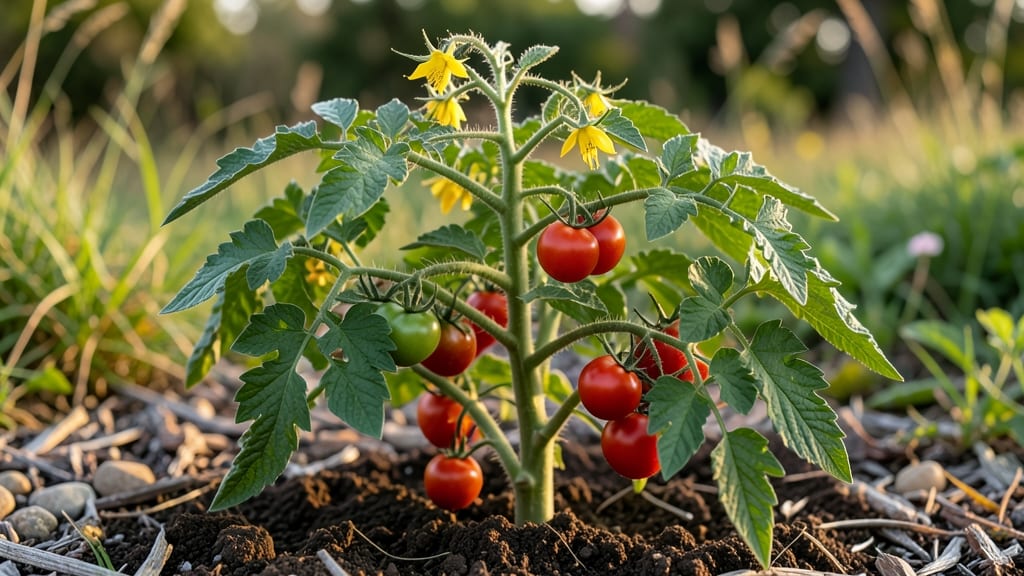
Growing The Big Tomato—the cold-hardy perennial that keeps producing year after year—starts with the right soil and a sunny spot. 🌱 I’ve watched mine grow from a single plant into a football-sized heirloom that outshines store-bought tomatoes every summer. The secret?
Treating it like a vine that deserves space, not a quick harvest. This isn’t your average tomato—it thrives in zones 5-9, survives light frosts, and regrows from the roots each spring.
You’ll need 6-8 hours of sun, well-draining soil, and a sturdy trellis (or cage) to support those 5-10 pound fruits. Water deeply 2-3 times a week, and prune aggressively to focus energy on fruit, not leaves.
By mid-summer, you’ll be picking tomatoes so large they need two hands—and the flavor? Rich, meaty, and sweet, with none of the blandness of grocery-store varieties. The key is patience: it takes 2-3 years to reach full productivity, but once it does, you’ll never buy tomatoes again.
Perfect for gardeners with limited space (it grows vertically) or those tired of replanting every year. Let’s get those vines climbing!
📚 In This Guide
- What you need
- Instructions
- Tips and common mistakes
- Wrapping up and next steps
What you need
- ● Cold-hardy tomato varieties: 3–5 plants of Solanum lycopersicum var. cerasiforme (e.g., 'Solar Fire,' 'Tomatillo,' or 'Cherokee Purple'). Pro tip: 💡 Choose heirloom or hybrid perennials for resilience!
- ○ Well-draining soil: 5–10 gallons of a mix of 60% potting soil, 20% compost, and 20% perlite/sand (for drainage). Optional: Add 1 cup of worm castings for extra nutrients.
- ● Containers or raised beds: 5-gallon fabric grow bags (3–5 units) or
- ● Wooden raised beds (minimum 12" deep, 4' x 8' size).
- ● Support structures: Cage kits (3–5 units, 4' tall) or
- ● Bamboo stakes (6' long, 3–5 units).
- ● Organic fertilizer: 1 lb of 5-5-5 or 10-10-10 slow-release granules (or fish emulsion for liquid feeding).
- ● Mulch: 2–3 bags of straw or shredded leaves (to retain moisture and insulate roots).
- ● Pruning shears: 1 pair (for trimming suckers and shaping plants).
- ● pH test kit: 1 unit (to ensure soil pH is 6.0–6.8).
- ● Drip irrigation system (for consistent watering).
- ● Row covers (to protect from late frosts).
- ● Compost tea (for a nutrient boost during growing season).
- ● Garden journal (to track growth, pruning, and harvest dates!).
Step-by-Step instructions for growing cold-hardy perennial tomatoes
Here’s my foolproof method for cultivating these resilient, regrowing tomato varieties that thrive year after year.
🌱 Step 1: Select the Right Variety and Planting Site
Choose a cold-hardy perennial tomato variety like 'Solanum lycopersicum var. cerasiforme' or 'Indigo Rose'—these tolerate frost down to 20°F and regrow from their roots each spring. Plant in a location with full sun (6+ hours daily) and well-draining soil with a pH between 6.0 and 6.8. I always test soil first; perennial tomatoes hate soggy roots.
If your soil is heavy clay, amend it with 2-3 inches of compost mixed into the top 12 inches of soil. Perennial tomatoes need deep, fertile ground to establish strong root systems for winter survival. Work in a handful of bone meal at planting time to boost phosphorus—this encourages robust root development.
☀️ Step 2: Plant in Early Spring or Late Summer
For best results, plant 4-6 weeks before your last frost date in spring or 6-8 weeks before your first frost in late summer. Dig a hole twice as wide as the root ball and just as deep, then loosen the roots slightly before placing the plant in. This prevents transplant shock and encourages faster establishment.
Space plants 18-24 inches apart—perennial tomatoes need room to sprawl and regenerate. Water deeply right after planting to settle the soil around the roots. Mulch with 2-3 inches of straw or wood chips to retain moisture and protect roots from temperature swings. Here’s the thing—mulch also insulates roots during winter, which is key for perennial survival.
💧 Step 3: Water and Fertilize for Year-Round Growth
Water deeply once a week, aiming for 1-1.5 inches of water per week. Perennial tomatoes have deep taproots, so infrequent deep watering encourages stronger root systems. You’ll know you’re doing it right when the top 2 inches of soil feel dry to the touch between waterings.
Fertilize every 4-6 weeks with a balanced organic fertilizer (10-10-10) during the growing season. In late summer, switch to a low-nitrogen, high-phosphorus fertilizer to promote root hardening before winter. I swear by a mix of fish emulsion and seaweed extract—it keeps plants lush without burning roots.
✂️ Step 4: Prune and Protect for Winter Regrowth
Prune back one-third of the plant height in late fall to reduce winter dieback. Remove any diseased or damaged foliage, but leave some leaves to protect the crown. Perennial tomatoes regrow from their base, so preserving the central growth point is critical. I always leave 4-6 inches of stem above the soil line.
Mulch heavily with 4-6 inches of straw or leaves before the first frost. This insulation layer keeps roots alive even when tops die back. In early spring, remove the mulch and water lightly to stimulate regrowth. You’ll see new shoots emerge within 2-3 weeks—that’s your signal everything worked.
🌿 Step 5: Harvest and Maintain Through Seasons
Harvest tomatoes when they’re fully colored and slightly soft to the touch. Perennial varieties often produce smaller fruits, but they’re packed with flavor. Pick consistently to encourage more production. I harvest every 2-3 days during peak season to keep plants productive.
After harvest, fertilize lightly with compost tea to replenish nutrients. Perennial tomatoes are heavy feeders, so regular organic matter keeps them thriving. In late summer, reduce watering slightly to harden off the plant for winter. By following these steps, your tomatoes will regrow year after year—no replanting needed!
Tips & tricks for perfect cold-hardy perennial tomatoes
These game-changing insights will help you maximize your perennial tomato's resilience and productivity—no replanting required.
Soil Preparation Secret: Before amending heavy clay soil with compost, mix in a handful of sand (not gravel) to improve drainage. Perennial tomatoes need aerated roots to survive winter. I also add a thin layer of perlite to the top 2 inches—it prevents compaction and encourages deeper root penetration. The goal is to mimic their natural woodland habitat where roots can spread freely.
Transplanting Technique: When planting in Step 2, soak the root ball for 10-15 minutes before transplanting. This hydrates the roots and reduces transplant shock. After placing in the hole, water again immediately to eliminate air pockets. The key is gentle handling—never pull plants by the stems, always grasp the root ball to preserve those delicate feeder roots.
Fertilizer Timing: In Step 3, apply your balanced organic fertilizer (10-10-10) right after watering to prevent root burn. The 4-6 week schedule works because perennial tomatoes have slow nutrient uptake—too frequent feeding leads to soft, weak growth. I also recommend side-dressing with worm castings every other feeding for micronutrients these plants crave.
Winter Protection Hack: For the heavy mulching in Step 4, mix your 4-6 inches of straw with a 1-inch layer of leaves on top. The leaves create an insulating air pocket that traps heat. In early spring, remove only the top 2 inches of mulch to stimulate regrowth—this gradual exposure prevents shock. I've seen plants emerge with green leaves in temperatures as low as 35°F thanks to this method.
Pro Tips for The Big Tomato
- These game-changing insights will help you maximize your perennial tomato's resilience and productivity—no replanting required.
- Soil Preparation Secret: Before amending heavy clay soil with compost, mix in a handful of sand (not gravel) to improve drainage.
- Transplanting Technique: When planting in Step 2, soak the root ball for 10-15 minutes before transplanting.
Frequently asked questions
What’s the difference between The Big Tomato and regular tomatoes?
The Big Tomato isn’t a single variety but a grafting technique that combines a cold-hardy rootstock (like Solanum jasminoides) with a classic tomato scion (e.g., Brandywine or Cherokee Purple). This hybrid can survive sub-freezing temps and regrow yearly—unlike annual tomatoes, which die back in winter.
Can The Big Tomato really survive winter in my climate?
Yes—but with a few caveats! These perennials thrive in USDA Zones 6-10. In colder zones (like Zone 5), mulch heavily (straw or leaves) and protect with row covers or cloches. In Zone 10+, they may need shade in peak summer to avoid stress. Test your plant’s resilience by monitoring growth after frost.
How often do I need to prune or train The Big Tomato?
Pruning is key to productivity! Pinch off suckers (side shoots) regularly to direct energy to fruit. Train the main stem along a trellis or cage to improve airflow and sunlight. In early spring, trim back dead growth but leave 3–4 main stems for regrowth. Pro tip: Use sharp shears to avoid tearing stems!
Why aren’t my The Big Tomato plants producing fruit?
Common culprits include:
- Poor pollination: Hand-pollinate with a paintbrush if bees are scarce.
- Overcrowding: Space plants 3–4 feet apart for airflow.
- Nutrient deficiency: Yellow leaves? Add compost or balanced fertilizer (10-10-10).
- Temperature stress: Tomatoes need warm days (70°F+) and cool nights (55–65°F) to set fruit.
If issues persist, check for pests (like hornworms) or diseases (early blight).
Can I grow The Big Tomato in containers or small spaces?
Use a large pot (15+ gallons) with drainage holes and a well-draining mix (60% potting soil, 30% compost, 10% perlite). Dwarf varieties like Tiny Tim work well in containers. Place in full sun (6+ hours/day) and water consistently—containers dry out faster. Bonus: Move pots indoors in winter if you’re in Zone 5 or colder!
What’s the best way to overwinter The Big Tomato?
In colder climates, cut back foliage to 6–12 inches after first frost, then mulch with 12+ inches of straw or leaves. For extra protection, wrap the base with burlap or use a cold frame. In pots, move to a garage or unheated shed (keep temps above 20°F). Resume care in spring when soil warms to 50°F+.
Wrapping up and next steps
The Big Tomato isn’t just a plant—it’s a game-changer for gardeners who crave low-maintenance, high-reward harvests year after year! 🌱 Whether you’re a beginner or a seasoned green thumb, this cold-hardy perennial proves that growing your own food can be simple, sustainable, and delicious. With the right care, you’ll enjoy lush foliage, vibrant blooms, and plenty of tomatoes—without the annual replanting hassle.
Ready to take the next step? Start by planting your Big Tomato this season and watch your garden transform. Share your progress, experiment with varieties, and soon, you’ll be the neighborhood’s go-to for fresh, homegrown tomatoes—all while bragging about your zero-waste, perennial powerhouse! 🍅✨