
Vegetables
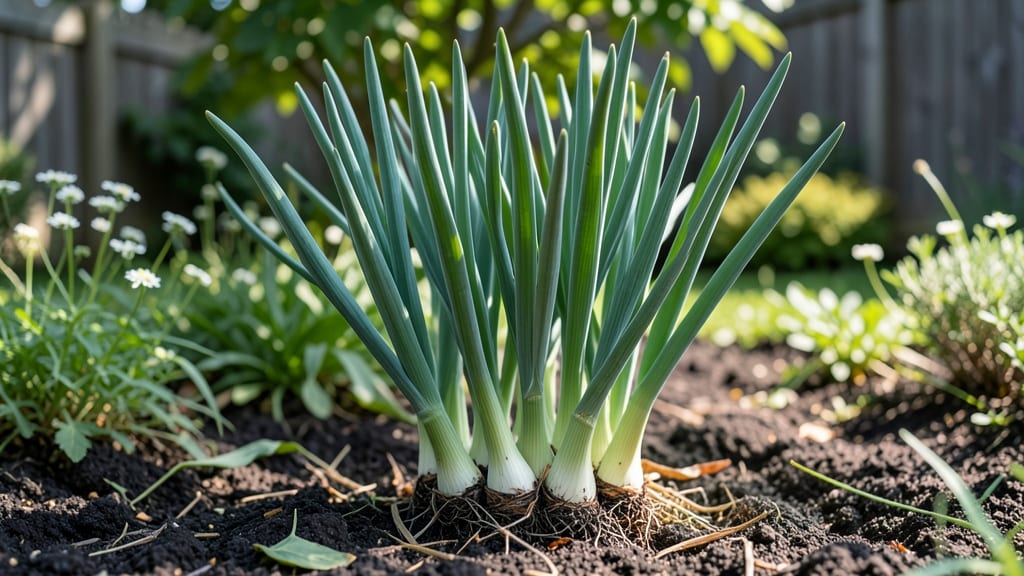
Growing Tokyo bunching onions is like having a never-ending supply of fresh scallions—just cut what you need and watch them regrow. 🌱 These sweet, mild onions thrive in cool weather and adapt to small spaces, making them perfect for containers or garden beds.
My first batch grew so well that I stopped buying scallions entirely.
They love full sun to partial shade and well-draining soil with a sprinkle of compost. Plant seeds or transplants ½ inch deep, spacing them 4-6 inches apart in rows 12-18 inches apart. Water consistently to keep the soil moist but not soggy—overwatering is their biggest enemy.
Harvest the outer stalks when they reach 6-8 inches tall, leaving the center to regrow. With proper care, you’ll get multiple harvests per season, and the flavor only sweetens as temperatures drop. The key is patience—they take 60-70 days to mature but keep producing all season.
Pests like onion flies are rare, but watch for aphids. A quick spray of water usually does the trick. If your greens turn bitter, it’s time to harvest more aggressively—they’re telling you they’re ready! These onions are foolproof for beginners and pros alike.
📚 In This Guide
- What you need
- Instructions
- Tips and common mistakes
- Wrapping up and next steps
What you need
- ● Tokyo bunching onion scraps: 3–5 fresh, organic scraps (about 3–4 inches long) with healthy green tops and white roots.
- ○ Container: A shallow dish, glass jar, or small pot (4–6 inches wide) with drainage holes (optional but recommended).
- ● Water: Filtered or tap water (changed every 2–3 days).
- ● Scissors or knife: For trimming scraps cleanly.
- ○ Optional soil (for transplanting): Well-draining potting mix or coconut coir.
- ● Hydroponic growing kit (for a mess-free setup).
- ● Organic fertilizer (like seaweed extract) for faster growth.
- ● Grow lights (if natural light is limited).
- ● Twine or toothpicks (to secure scraps if needed).
Step-by-step guide to growing Tokyo bunching onions from scraps
Here’s how to coax those sweet, scallion-like greens back to life—no soil required at first.
🌱 Step 1: Select and Prep Your Onion Scraps
Choose firm, fresh white or green parts from store-bought Tokyo bunching onions—avoid wilted ends or dried-out scraps. Cut 1-2 inches from the base, just below the roots, and trim any browned or mushy sections. The goal is a clean, healthy 1-inch stub with intact root hairs.
Rinse the cut ends under cool water to remove any residual dirt or debris. This ensures no pathogens lurk in your regrowth water. I like to soak them for 5 minutes in a bowl of fresh water to shock them awake—literally. You’ll see tiny root hairs perking up almost immediately if they’re still viable.
💧 Step 2: Set Up the Regrowth Station
Fill a shallow dish (like a saucer or small bowl) with room-temperature water, deep enough to cover the bottom ½ inch of the onion stubs. Use a clear container so you can monitor water levels and root growth. Place the scraps in the water, spacing them 1 inch apart to prevent overcrowding.
Change the water every 2 days to prevent bacterial growth and keep it oxygenated. Stagnant water turns cloudy and foul-smelling—your scraps will protest by slowing growth or even rotting. Keep the setup in a bright spot (not direct sun) where temperatures stay 65-75°F. You’ll notice roots emerging in 3-5 days—tiny white tendrils that look like spider legs.
☀️ Step 3: Encourage Leafy Growth
Once roots reach 1 inch long, transfer the scraps to a small pot (at least 4 inches deep) filled with well-draining potting mix. Gently press the roots into the soil, leaving the base of the onion ½ inch above the soil line—burying it too deep suffocates the plant. Water lightly until moisture seeps from the drainage hole.
Place the pot in bright, indirect light (east or north windows work well) and keep the soil evenly moist—not soggy, not dry. You’ll see new green shoots in 7-10 days. Here’s the thing: Tokyo bunching onions thrive in cooler temps (55-75°F), so if your home runs hot, move them to a cooler spot. Leggy, pale growth means they’re stretching for light.
✂️ Step 4: Harvest and Maintain for Continuous Greens
When the greens reach 6-8 inches tall, snip the outer stalks just above the base with clean scissors. Leave the inner stalks to regrow—this is the magic of Tokyo bunching onions. They’ll bounce back with sweeter, more tender shoots in 1-2 weeks. I harvest mine every 2-3 weeks for a steady supply of scallion-like flavor.
Fertilize lightly once a month with a balanced liquid fertilizer (diluted to half strength) to encourage robust regrowth. If the pot feels cramped (roots circling the edges), transplant to a 6-inch container—they’ll reward you with lush, continuous harvests for months. Just don’t let the soil dry out completely between waterings.
Tips & tricks for reviving Tokyo bunching onions
Real talk: These scraps are more resilient than you think—and with a few key tweaks, you'll get greens that rival fresh store-bought. Here's how to maximize success.
Selection is Everything: The 1-inch stub you cut matters more than you'd expect. Look for scraps where the root hairs are still white and plump—not dried out or brown. I've tried wilted scraps, and they either rot or grow sluggishly. The freshness of your starting material directly impacts how quickly those roots appear in days 3-5. If you're unsure, do the 5-minute soak test—they'll either perk up or stay limp.
Water Quality Matters: Room-temperature water is non-negotiable, but don't overlook the container. Glass or clear plastic lets you monitor root growth without disturbing the scraps. I've used opaque containers before and nearly missed the root emergence! Change that water religiously every 2 days—cloudiness means bacteria are winning, and your scraps will slow down or worse, rot. A splash of hydrogen peroxide (1 tsp per quart) in the water can help prevent bacterial growth if you notice any funkiness.
Light Positioning Trick: That bright spot isn't just about sunlight—it's about consistent light exposure. East-facing windows give gentle morning light without the harsh afternoon sun that can scorch tender new growth. If you're using artificial light, keep it 6-12 inches above the plants and on for 12-14 hours daily. Leggy growth? You're either not getting enough light or it's too hot (above 75°F). Move them to a cooler spot immediately—those stems will toughen and become bitter if they stretch too much.
Pro Tips for Tokyo Bunching Onions
- Real talk: These scraps are more resilient than you think—and with a few key tweaks, you'll get greens that rival fre...
- Selection is Everything: The 1-inch stub you cut matters more than you'd expect. Look for scraps where the root hairs...
- Water Quality Matters: Room-temperature water is non-negotiable, but don't overlook the container. Glass or clear pla...
Frequently asked questions
Got questions about growing Tokyo bunching onions? You’re not alone! Here are some of the most common queries—and their answers—to help you master this regrowable green.
Can I grow Tokyo bunching onions indoors?
These onions thrive in containers with 4–6 hours of sunlight daily. A sunny windowsill or a grow light works perfectly. Just keep the soil moist (not soggy) and harvest leaves as needed—they’ll keep producing for months!
How long does it take for new growth to appear?
Patience pays off! With consistent moisture and warmth, you’ll see tiny sprouts in 5–7 days and harvestable greens in 2–3 weeks. Cold weather may slow growth, so keep them near a heat source if indoors.
What if my scraps rot instead of regrowing?
Don’t toss them! Rot usually means too much water or poor airflow. Try these fixes:
- Rinse scraps and let them dry for 1–2 hours before replanting.
- Use fresh, sterilized soil (or a damp paper towel for rooting first).
- Place in a shallow tray with drainage holes to prevent sogginess.
Are Tokyo bunching onions different from regular scallions?
Yes! While they look similar, Tokyo bunching onions are sweeter, milder, and more tender—plus, their regrowth habit makes them a zero-waste superstar. They also form larger, flatter bunches than traditional scallions.
What’s the best way to use harvested greens?
Versatility is their superpower! Chop fresh leaves for:
- Stir-fries (they caramelize beautifully).
- Salads (add a mild, sweet crunch).
- Soups or broths (freeze extras in ice cube trays!).
- Garnishes (sprinkle over ramen, tacos, or avocado toast).
Save the white bulbs for cooking—they’re milder than scallion bulbs!
Wrapping up and next steps
Tokyo bunching onions are a game-changer for home gardeners and foodies alike—packed with flavor, easy to grow, and endlessly sustainable! Whether you’re adding them to stir-fries, soups, or regrowing scraps on your windowsill, these sweet, scallion-like greens bring versatility and joy to your kitchen. 🌱
Ready to dive in? Start by grabbing a bunch from your local Asian market or grocery store, and try regrowing your own—it’s simpler than you think! With just a little patience, you’ll soon be harvesting fresh, homegrown onions year-round.