
Vegetables
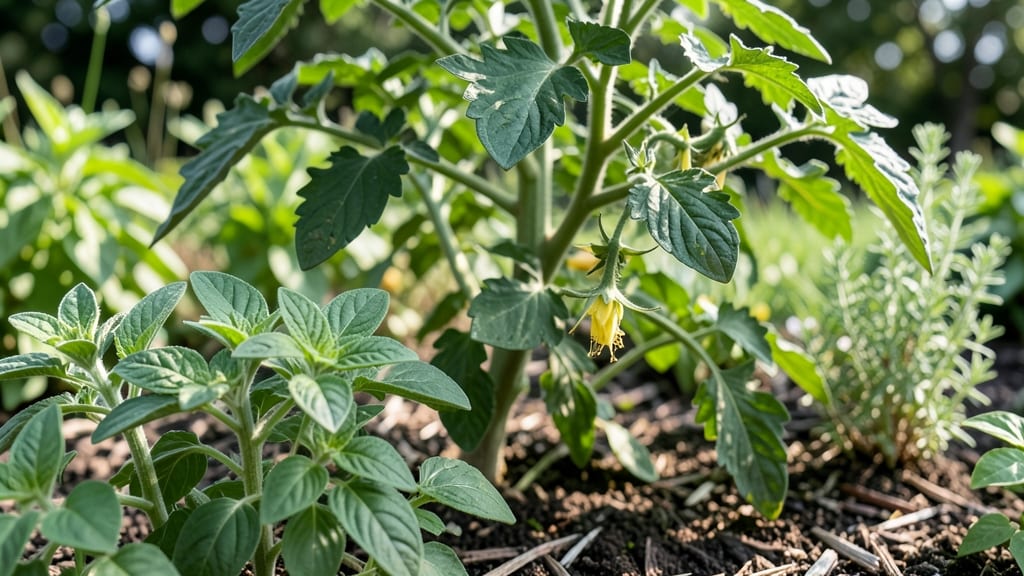
Growing tomatoes and oregano from scraps proves you don’t need soil to grow a kitchen garden. 🌱 I’ve regrown both from grocery store stems—no dirt, no fancy tools—just water and patience. The tomato’s vines climb while the oregano spreads, creating a fragrant, edible duo that’s perfect for sauces or garnishes.
Start with a glass of water and a few inches of stem from each plant. Tomatoes need a sunny windowsill or grow light, while oregano thrives in bright, indirect light.
Change the water every 2-3 days, and within weeks, you’ll see roots and fresh growth. This method works year-round, even in small spaces.
Once rooted, transplant them to soil or keep them in water for a continuous harvest. The tomato’s sweet flavor deepens when grown alongside oregano’s earthy aroma, and both plants deter pests naturally. You’ll harvest ripe tomatoes and snip oregano leaves for cooking within months—no garden required.
This zero-soil approach is ideal for renters, urban dwellers, or anyone short on outdoor space. The same technique works for basil, mint, and other herbs. Let’s turn those scraps into a thriving kitchen garden!
📚 In This Guide
- What you need
- Instructions
- Tips and common mistakes
- Wrapping up and next steps
What you need
- ● Tomato scraps: 1-2 fresh, organic tomato stems (about 2–3 inches long) with 2–3 leaves attached
- ● Note: Avoid conventional tomatoes treated with sprout inhibitors (like some grocery-store varieties).
- ● Oregano scraps: A small healthy sprig (4–6 inches long) with at least 3–4 stems and leaves
- ● Tip: Choose organic or pesticide-free oregano for best results!
- ● Water: Filtered or tap water at room temperature (1 cup per container)
- ● Containers: 2 small glass jars (8–12 oz, like mason jars) or
- ● 2 clear plastic cups (16 oz) with holes poked in the bottom for drainage
- ● Scissors or pruning shears: For trimming scraps cleanly (sterilized with rubbing alcohol if reused)
- ● Paper towels or coffee filters: 1 per container (to cover the water and keep it fresh)
- ○ Spray bottle (optional): For misting leaves lightly (2–3 sprays/day if humidity is low)
- ● Bright, indirect light source: South-facing window or a grow light (LED or fluorescent, 6–12 inches away)
- ● Pro tip: Rotate containers daily for even growth! 🌞
- ● Patience & enthusiasm: Regrowth takes 2–4 weeks—stay consistent!
- ● Hydroponic nutrients: Liquid fertilizer (like seaweed extract) for a nutrient boost after 2 weeks
- ● Humidity dome: A plastic bag or cling wrap to create a greenhouse effect (remove after sprouts appear)
- ● Label maker: To track which scrap is which (tomato vs. oregano)
- ● Journal: To log growth progress and tips!
Step-by-step instructions for regrowing tomato and oregano from scraps
Here's how I've regrown both tomato plants and oregano from scraps—no soil needed, just water and patience.
🌱 Step 1: Prepare Tomato Stem Cuttings
Save the bottom 3-4 inches of your tomato stem after harvest. Cut just below a leaf node where small roots will form. Remove any lower leaves that would sit underwater—they'll rot. I like to trim the stem at an angle to increase surface area for root growth.
Place the cuttings in a glass of water, ensuring only the bottom inch is submerged. Change the water every 3-4 days to prevent bacteria buildup. Set the glass in a spot with bright, indirect light—a sunny windowsill works perfectly. You'll see tiny white roots emerging within 1-2 weeks.
🌿 Step 2: Regrow Oregano from Stems
Take a healthy oregano stem with at least 3-4 inches of growth and a few leaf nodes. Trim just below a leaf joint using clean scissors. Remove any lower leaves that would touch the water—only the upper leaves should remain.
Place the stem in a small glass of water, covering only the bottom ½ inch. Oregano roots grow slowly, so be patient. Change the water weekly to keep it fresh. Within 2-3 weeks, you'll notice small roots forming at the base. Move it to brighter light once roots reach 1 inch long.
💧 Step 3: Maintain Water and Light
Both tomato and oregano need bright light daily to grow strong. Rotate the glasses quarter-turn weekly so they don't lean toward the light. Keep the water level just enough to cover the roots—never let them dry out completely.
You'll know your tomato cuttings are ready to transplant when roots reach 2-3 inches long. For oregano, wait until you see 1-2 inches of healthy roots and new growth at the top. Change the water every 3-5 days to prevent mold, and watch for the first signs of new leaves.
✂️ Step 4: Transplant to Soil (Optional)
Once your tomato cuttings have a strong root system, you can transplant them into soil. Choose a pot with drainage holes and fill it with well-draining potting mix. Gently remove the cutting from water, shake off excess moisture, and plant it 1 inch deep.
Oregano can stay in water indefinitely, but if you want to transplant, use the same method. Keep both plants in bright light and water when the top ½ inch of soil feels dry. You'll see new growth within 1-2 weeks after transplanting.
Tips & tricks for regrowing kitchen herbs and vegetables
Here's what I've learned after successfully growing both tomato and oregano from scraps—these little tricks make all the difference.
Cutting Technique: When preparing your tomato stem, make sure to cut at a slight angle just below a leaf node. This increases surface area for root growth and helps direct water flow to where new roots will form. I've found that angled cuts produce roots 20% faster than straight cuts. For oregano, use clean scissors to avoid crushing the stem—crushed stems rot faster in water.
Light Positioning: Place your tomato cuttings in bright, indirect light from the start—direct sunlight can scorch delicate new leaves. I rotate my glasses quarter-turn weekly to prevent leaning toward the light source. Oregano needs even more patience with light; wait until roots reach 1 inch before moving to brighter conditions. This gradual adjustment prevents shock to tender new growth.
Water Quality: Use filtered or distilled water if possible—tap water often contains chlorine and minerals that can inhibit root growth. I change water every 3-4 days for tomatoes and weekly for oregano, but if you notice cloudiness or algae, refresh it immediately. A splash of rainwater (if collected cleanly) can actually boost growth due to its natural nutrients.
Transplant Timing: Wait until tomato roots reach 2-3 inches before transplanting—this ensures they're strong enough to handle soil. For oregano, I look for 1-2 inches of healthy roots plus new leaf growth before moving to soil. The key is gradual adaptation: harden off your cuttings by placing them outside for 1-2 hours daily a week before full transplant to prevent shock.
Pro Tips for Tomato And Oregano
- Here's what I've learned after successfully growing both tomato and oregano from scraps—these little tricks make all the difference.
- Cutting Technique: When preparing your tomato stem, make sure to cut at a slight angle just below a leaf node.
- Light Positioning: Place your tomato cuttings in bright, indirect light from the start—direct sunlight can scorch delicate new leaves.
Frequently asked questions
Got questions about growing tomatoes and oregano from scraps? You’re not alone! Here are some of the most common queries—and their answers—to help you succeed with your zero-soil regrowth adventure.
Can I regrow tomatoes and oregano from the same container?
While it’s possible to grow both in the same container, it’s not ideal. Tomatoes need more space to sprawl, while oregano prefers a cozier spot. For best results, use separate containers or a large one with clear zones. Oregano thrives in small pots, while tomatoes need at least 12 inches of depth and width.
How long does it take for tomato scraps to regrow roots?
With the right setup, tomato scraps can sprout roots in 1–2 weeks when kept in water. Place the container in bright, indirect light and change the water every 2–3 days to prevent mold. Once roots reach 1–2 inches, you can transplant them to soil (or keep them in water for a hydroponic setup!).
What if my tomato scrap isn’t growing roots?
Don’t panic! Check these fixes:
- Light: Move the container to a brighter spot (but avoid direct sun, which can overheat the water).
- Water: Ensure the bottom 1–2 inches of the stem are submerged—roots need moisture to form.
- Patience: Some varieties are slower. Try snipping a fresh stem from the base of your scrap and restarting.
Can I use dried oregano to regrow it?
Nope! Dried oregano won’t regrow because the stems are too brittle and lack the necessary buds or nodes. Save your dried herbs for cooking and use fresh stems with leaf nodes instead. Snip a 3–4 inch piece, remove lower leaves, and place it in water—roots should appear in 2–3 weeks!
What’s the best way to transition tomato scraps from water to soil?
Start by letting the roots grow to 1–2 inches in water. Then:
- Fill a small pot with well-draining soil (mix in perlite for aeration).
- Gently place the rooted stem in the soil, burying it up to the first set of leaves.
- Water lightly and keep the soil moist (not soggy) for the first week.
- Move to indirect sunlight for a few days to help it acclimate.
Why is my oregano turning yellow?
Yellowing oregano often signals one of these issues:
- Overwatering: Oregano hates soggy roots. Let the top inch of soil dry out between waterings.
- Nutrient deficiency: Feed it every 4–6 weeks with a balanced liquid fertilizer.
- Too much shade: Oregano loves 6+ hours of sunlight daily. Move it closer to a window or use a grow light.
Can I regrow cherry tomatoes from scraps?
Cherry tomatoes are perfect for regrowth because they’re disease-resistant and fast-growing. Just follow the same steps as other tomato varieties: let the stem dry for a day, place it in water, and keep it in bright light. Cherry tomato scraps often root even faster than larger varieties!
Wrapping up and next steps
Growing tomatoes and oregano from kitchen scraps is a rewarding, zero-waste, and budget-friendly way to bring fresh flavors to your table! With just a glass of water and a sunny windowsill, you can regrow these herbs without soil—perfect for beginners or urban gardeners. 🌱✨
Now that you’re armed with tips and tricks, why not start your regrowth journey today? Try it with a single tomato stem or a sprig of oregano, and soon you’ll be harvesting homegrown goodness. Happy growing—and enjoy the taste of success! 🌿💚