
Vegetables
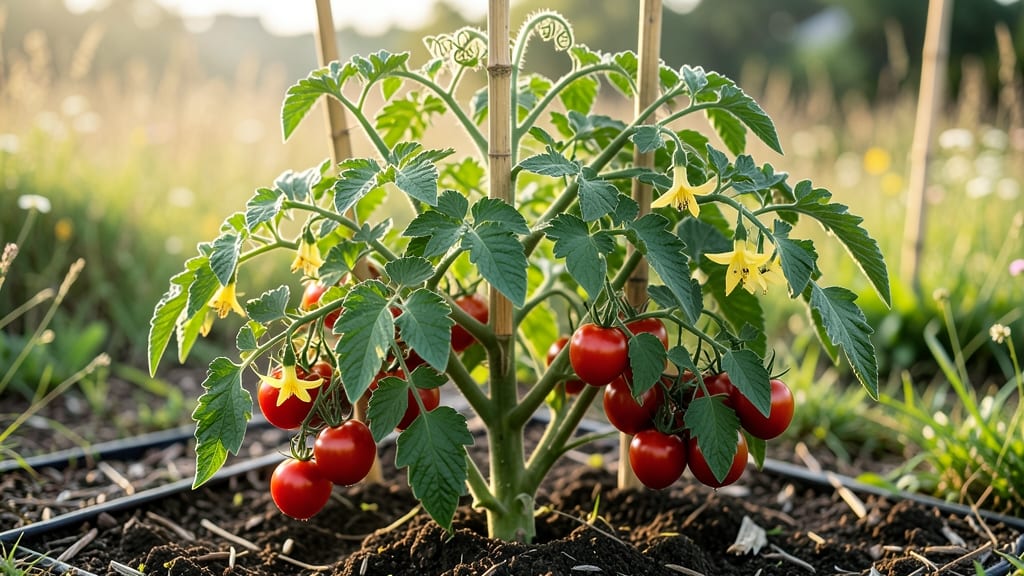
Growing the Tomato Big Daddy hybrid means harvesting bold, striped heirlooms that taste like summer even in cooler climates. 🌱 I planted mine last spring after years of struggling with heat-sensitive varieties, and the difference was immediate—thick, meaty fruit that didn’t crack or split in the cooler evenings.
This variety thrives where most tomatoes falter: 50-70°F days and 40-50°F nights. Plant in well-draining soil with 18-24 inches of space between plants, and stake them early—the vines grow 6-8 feet tall but stay compact. The key?
Consistent moisture without soggy soil, and a balanced fertilizer every 2-3 weeks once flowers appear. By midsummer, you’ll be picking 2-3 pound fruits with deep red and cream stripes—perfect for slicing or sauces. The flavor? Rich, sweet, and complex, with just a hint of smokiness.
Prune suckers regularly to focus energy on fruit production, and watch for early blight by keeping foliage dry. Works in zones 3-9, making it ideal for northern gardens, high elevations, or early spring starts. Here’s how to grow yours successfully!
📚 In This Guide
- What you need
- Instructions
- Tips and common mistakes
- Wrapping up and next steps
What you need
- ● Tomato Seeds (Big Daddy Hybrid) – 1 packet (20-30 seeds) or 3-5 starter plants (if buying transplants).
- ● Containers or Raised Beds – 5-gallon pots (for each plant) or well-draining soil in raised beds (12" deep x 18" wide per plant).
- ● High-Quality Potting Mix – 10-15 lbs (look for organic, peat-free, and moisture-retentive blends).
- ● Slow-Release Fertilizer – 1 lb (10-10-10 or organic options like composted manure).
- ● Tomato Cages or Stakes – 5-6 ft tall (1 per plant to support heavy fruit).
- ● Mulch – Straw or shredded leaves (2-3 inches thick to retain moisture and suppress weeds).
- ● Garden Trowel – For transplanting seedlings.
- ● Pruning Shears – To trim suckers and shape plants.
- ● Watering Can or Hose with Nozzle – For gentle, deep watering (avoid wetting leaves).
- ○ pH Test Kit – Optional but helpful (ideal soil pH: 6.0-6.8).
- ● Garden Gloves – To protect hands while handling plants.
- ● Sunlight Access – At least 6-8 hours of direct sun daily (partial shade in extreme heat).
- ● Warm Soil – Wait until soil temps reach 60°F+ (use a soil thermometer if unsure).
- ● Cool Climate Prep – For early starts, use row covers or a greenhouse to extend the season.
- ● Patience! – Big Daddy Hybrid takes 70-85 days to maturity—plan accordingly.
Step-by-step guide to growing the Tomato 'Big Daddy' Hybrid
This striking heirloom delivers bold flavor and dramatic stripes—here's how to coax its best performance, especially in cooler regions.
🌱 Step 1: Start Seeds Indoors 8-10 Weeks Before Last Frost
Fill 2-3 inch deep biodegradable pots with sterile seed-starting mix—never garden soil. The 'Big Daddy' germinates best at 75-85°F, so use a seedling heat mat if your home runs cooler. Plant 2 seeds per pot at ¼ inch depth, then mist with water until the surface feels evenly damp but not soggy.
Cover pots with clear plastic wrap to retain humidity, but remove it immediately once sprouts appear—condensation risks damping-off. You'll see first true leaves in 10-14 days. Here's the thing: these seedlings need 14+ hours of light daily from day one, or they'll stretch leggy and never recover.
☀️ Step 2: Provide High-Intensity Light and Fertile Soil
Transplant seedlings into 5-gallon containers or 18-inch deep garden beds when they develop 3-4 true leaves. The 'Big Daddy' thrives in full sun (6-8 hours daily), but its bold stripes deepen with partial afternoon shade in hot climates. Amend soil with 2-3 inches of compost—this hybrid demands rich, well-draining soil to prevent blossom-end rot.
Water deeply at the base every 2-3 days, checking when the top 2 inches of soil feel dry. Drip irrigation prevents foliar diseases that plague heirlooms. You'll notice first flowers in 6-8 weeks—pinch off early blooms to redirect energy into stronger vines.
🌿 Step 3: Support and Prune for Maximum Fruit Production
Install a 6-foot tomato cage or sturdy trellis immediately after transplanting. The 'Big Daddy' grows 4-6 feet tall with indeterminate vigor—without support, branches break under fruit weight. Prune suckers (shoots in leaf axils) weekly to focus energy on main stems and fruit production.
Real talk: this hybrid produces large, striped fruits weighing 1-2 pounds each, but they need consistent calcium. Side-dress with crushed eggshells every 4 weeks to prevent cracking. Harvest when fully colored but still firm—waiting too long dulls the dramatic stripes.
⏰ Step 4: Extend the Season in Cool Climates
The 'Big Daddy' handles 50°F nights better than most heirlooms, but black plastic mulch adds 5-10°F warmth to the soil. In zones 4-6, start seeds indoors by March 1, then transplant after last frost—but use row covers for early protection.
You'll get 3-4 weeks of extended harvest by removing suckers and deadheading spent flowers. The secret to preserving those bold stripes? Harvest before full ripeness if frost threatens—stripes fade in storage, but flavor peaks at 90% color.
Tips & tricks for perfectly growing bold striped heirloom tomatoes
Here's what nobody tells you about coaxing the best performance from this dramatic variety—especially in cooler growing zones.
Germination Temperature: The 75-85°F range is non-negotiable for 'Big Daddy' seeds. If your home stays cooler, invest in a seedling heat mat—those few degrees make the difference between reliable germination and weeks of waiting. I've seen batches fail completely when kept below 70°F, no matter how perfect the soil mix. The heat mat pays for itself in just a few trays.
Lighting Strategy: Those 14+ hours of light aren't optional—they're the secret to preventing leggy seedlings. I use a combination of shop lights and a grow bulb to hit 16 hours daily, especially in early spring when natural light is weak. Position lights just 4-6 inches above seedlings and adjust as they grow. Leggy seedlings won't recover, no matter how much you prune later.
Soil Preparation: The 2-3 inches of compost isn't just about nutrients—it's about creating the right soil structure. This hybrid's massive fruits demand soil that holds moisture but drains freely. I mix in perlite at a 1:1 ratio with the compost to prevent compaction. The difference in fruit size and stripe intensity is dramatic compared to regular garden soil.
Calcium Management: The crushed eggshells every 4 weeks are your insurance against blossom-end rot, but timing matters. Apply them right after transplanting and again when you first see flower buds forming. The calcium needs time to become available to the plant. For extra insurance, I add a sprinkle of gypsum to the soil before planting—it dissolves slowly and provides steady calcium throughout the season.
Pro Tips for Tomato Big Daddy Hybrid
- Here's what nobody tells you about coaxing the best performance from this dramatic variety—especially in cooler growing zones.
- Germination Temperature: The 75-85°F range is non-negotiable for 'Big Daddy' seeds.
- Lighting Strategy: Those 14+ hours of light aren't optional—they're the secret to preventing leggy seedlings.
Frequently asked questions
Got questions about growing the Tomato Big Daddy Hybrid? You’re not alone! This bold, striped heirloom is stunning but comes with its own quirks—especially in cooler climates. Below, we tackle the most common concerns to help you grow confidently.
How cold can the Big Daddy Hybrid tolerate?
The Big Daddy Hybrid is one of the most cold-hardy tomatoes you can grow, thriving in temperatures as low as 35°F (2°C)—even better than many heirlooms! Start seeds indoors 6–8 weeks before your last frost, and transplant seedlings after soil warms to 50°F (10°C). For extra protection, use row covers or black plastic mulch to retain heat.
When should I expect fruit, and how long does it take?
Patience is key! Big Daddy Hybrid tomatoes typically mature in 80–90 days from transplanting, but cooler weather can slow ripening. Early fruits may take 2–3 weeks longer to turn red. If temps dip below 55°F (13°C) at night, consider a low tunnel or greenhouse to speed things up.
Why aren’t my tomatoes ripening fully?
Inconsistent ripening is common with this variety. Check for these issues:
- Cool nights: Big Daddies need 70°F (21°C) daytime and 60°F (16°C) nights to ripen properly. Use shade cloth if temps soar above 90°F (32°C).
- Underwatering: Drought stress halts growth. Water deeply 1–2 inches per week, keeping soil moist but not soggy.
- Nutrient deficiency: Yellow leaves? Boost nitrogen (fish emulsion) or potassium (banana peels).
If fruits stay green, pick them early and ripen indoors with a paper bag + apple (ethylene trick!).
Can I grow Big Daddy Hybrid in containers?
This variety does well in 5-gallon containers or larger (bushy plants need space). Use a high-quality potting mix with added compost, and choose a container with drainage holes. Prune suckers aggressively to encourage upward growth, and stake or cage plants to prevent sprawling. Just ensure containers get 6+ hours of sun daily.
What’s the best way to use Big Daddy Hybrid tomatoes?
These beefsteak tomatoes are meaty, sweet, and low-seeded—perfect for:
- Slicing for sandwiches or burgers (their size makes them ideal!)
- Grilled or roasted for intense flavor.
- Fresh salsas or caprese salads (pair with mozzarella and basil).
- Sauces or stews (their thick flesh holds up well).
Pro tip: Freeze unripe tomatoes whole—they’ll ripen in the bag and taste great in winter soups!
Are Big Daddy Hybrid tomatoes disease-resistant?
While they’re tolerant of cool weather, they lack major disease resistance (e.g., V, F, N). To prevent issues:
- Rotate crops yearly to avoid soil-borne diseases.
- Prune lower leaves for airflow and remove diseased foliage immediately.
- Apply copper fungicide preventatively if humidity is high.
If blight appears, harvest early and ripen indoors to salvage fruit.
Wrapping up and next steps
The Tomato Big Daddy Hybrid is a showstopper in any garden—bold, striped, and packed with flavor, even in cooler climates! 🌱 Whether you're a seasoned gardener or just starting out, its disease resistance and easy care make it a must-try variety.
With the right soil, support, and a little patience, you’ll soon be harvesting juicy, vibrant tomatoes to enjoy fresh, can, or share.
Ready to grow your own? Grab your seeds, prep your space, and get planting! Your future meals—and bragging rights—will thank you. 🍅✨