
Vegetables
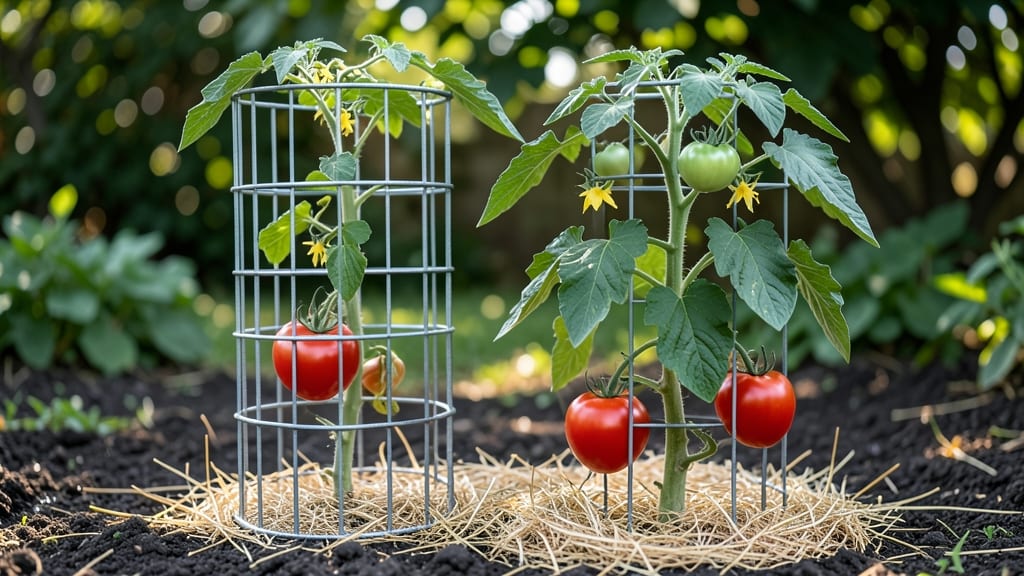
Beefsteak tomatoes need sturdy tomato cages—the kind that won’t snap under 10-pound fruit. 🌱 After years of flimsy cages collapsing mid-season, I finally found the right balance of height, material, and placement that keeps these giants upright and productive. The secret isn’t just the cage—it’s the setup.
You’ll need 6-foot-tall cages (or taller for indeterminate varieties), buried 12 inches deep for stability, and a wide base to prevent tipping. Heavy-duty galvanized steel or thick plastic mesh holds up better than wire, and adding a bamboo stake inside gives extra support for monster vines.
With the right cage, you’ll harvest juicy, vine-ripened beefsteaks without the frustration of broken supports. The plants stay healthy because airflow circulates around the foliage, reducing disease risk while the fruit hangs proudly at eye level for easy picking.
For indeterminate varieties, consider two cages per plant or a tomato trellis—they grow fast. And if your cages bend? Reinforce with zip ties or garden twine at the base. Trust me, your tomatoes will thank you.
📚 In This Guide
- What you need
- Instructions
- Tips and common mistakes
- Wrapping up and next steps
What you need
- ● Tomato cages (or materials to build your own): For pre-made cages: 4–6 ft tall, made of galvanized steel, powder-coated metal, or thick plastic (avoid flimsy wire cages—they’ll bend!). Look for cages with 16+ gauge wire and 12+ vertical slats for maximum support.
- ● For DIY cages: 1/2"–5/8" galvanized steel wire (10–12 ft per cage, 18–22 gauge thickness).
- ● Wire cutters (for clean cuts).
- ● Pliers (for twisting wire securely).
- ○ Sturdy stakes or rebar: 1–2 per cage (optional but recommended for extra stability, especially in windy areas). Use 1/2"–5/8" diameter rebar or treated wooden stakes (8–12 ft long).
- ● Garden twine or soft plant ties: 3–4 ft per plant (avoid plastic ties—they can girdle stems as vines thicken).
- ○ Gloves (optional but helpful for handling wire or thorny vines).
- ● Sunny spot: Beefsteak tomatoes need 6–8+ hours of full sun daily—pick a location with minimal shade.
- ● Well-draining soil: Amend heavy clay with compost or aged manure (beefsteaks thrive in slightly acidic to neutral soil, pH 6.0–6.8).
- ● Mulch: Straw or shredded leaves (2–3 inches) to retain moisture and suppress weeds.
- ● Fertilizer: Balanced 10-10-10 or tomato-specific fertilizer (follow package rates) at planting and mid-season.
- ● Pruning shears: For trimming suckers and shaping vines (sterilize with rubbing alcohol between plants!).
- ● Tomato cages with built-in trellis features: Some cages include horizontal wires for extra vine support—great for indeterminate beefsteak varieties.
How to build sturdy DIY tomato cages for beefsteak tomatoes
Beefsteak tomatoes need heavy-duty support—here’s how to build cages that won’t snap under their weight.
🪴 Step 1: Choose the Right Materials for Strength
Start with 4-foot-tall wire tomato cages (the standard size for beefsteaks) or 1-inch galvanized steel wire if building from scratch. I prefer 4 cages per plant—two on each side of the stem—to distribute weight evenly. Avoid plastic cages; they bend under beefsteak vines.
For extra stability, add wooden stakes (2x2-inch, 3 feet tall) buried 6 inches deep alongside each cage. The stakes anchor the cage while giving vines additional support. Pre-drill holes in the wire if you’re custom-building—this prevents sharp edges from cutting through stems later.
✂️ Step 2: Assemble the Cage for Maximum Stability
If using pre-made cages, position them 4-6 inches from the plant stem so vines can weave through without crowding. For DIY cages, twist 12-gauge wire into a 4-foot-tall cylinder with 12-14 vertical wires spaced 2-3 inches apart. Secure the base with zip ties or wire twist ties to prevent unraveling.
Here’s the trick: Bend the top 6 inches outward to create a flared rim. This keeps the cage from toppling when vines grow heavy. If using stakes, attach the cage to them with soft plant ties (not wire)—this prevents stem damage as the plant grows.
🌱 Step 3: Install and Secure the Cage Early
Place the cage within 24 hours of transplanting—beefsteak tomatoes grow fast, and late support leads to broken stems. Bury the bottom 6 inches of the cage (or stakes) 1-2 inches deep in soil to prevent wind from rocking it. Fill the buried section with soil to secure it firmly.
Don’t wait until vines are heavy to install—you’ll regret it. I tie the main stem to the cage with a soft cloth strip (like an old T-shirt) at the first sign of growth. This guides the vine upward and prevents it from flopping over before the cage can support it.
🌿 Step 4: Train Vines for Even Weight Distribution
As the plant grows, weave vines through the cage wires every 12-18 inches to encourage upward growth. Beefsteak tomatoes can produce 10+ pounds of fruit, so spreading the weight is critical. Avoid letting vines spiral tightly—they’ll strangle themselves as they thicken.
When fruit sets, tie heavy branches to the cage with additional ties. Watch for leggy growth (long, weak stems)—this means the cage isn’t providing enough support. If you see this, add a second cage on the opposite side or reinforce with stakes immediately.
⏰ Step 5: Reinforce as the Season Progresses
By mid-summer, beefsteak vines can weigh 20+ pounds. Check cages weekly for sagging or bending. If the cage starts to lean, add a third stake on the weak side or tie the cage to a nearby trellis for extra stability.
Harvest fruit every 2-3 days to prevent overloading branches. Overripe tomatoes weigh vines down faster, increasing the risk of cage failure. If you see cracked stems or wilting leaves, the plant is struggling under its own weight—prune some fruit immediately to redistribute energy.
Tips & tricks for sturdy DIY tomato supports
These game-changing strategies will help you build cages that actually hold up to beefsteak tomatoes' massive weight.
Material Selection Matters: The 1-inch galvanized steel wire is non-negotiable for beefsteaks—it won't rust like regular wire and handles 20+ pounds of fruit without bending. I've seen plastic cages snap under just 5 pounds of tomatoes. For DIY cages, use 12-gauge wire minimum; thinner wire stretches under weight. If you're using pre-made cages, check the gauge number—anything below 12-gauge won't cut it for beefsteaks.
The Flared Rim Secret: That outward bend on the top 6 inches isn't just decoration—it's what prevents toppling when vines get heavy. I've lost count of how many cages I've seen lean dramatically because someone skipped this step. For extra stability, add a small wire loop at the top where you can attach a garden twine to a nearby trellis or stake as a secondary anchor point.
Early Installation is Everything: The 24-hour window for installing cages is critical because beefsteak vines grow aggressively. I've seen plants develop "leggy" growth when support comes too late—those weak stems can't support the weight later. Pro tip: Install cages even if your plant is still in its container before transplanting. This gives roots immediate support and prevents shock when you finally move it to the garden.
Weekly Weight Checks: By mid-summer, you should be doing a quick visual inspection every week. Look for cages that are leaning, wires that have stretched, or vines that are sagging between supports. This is when you might need to add that third stake or tie the cage to a trellis. I keep a small toolkit with extra zip ties and soft plant ties handy for these quick reinforcements—it saves you from losing an entire harvest to a failed support system.
Pro Tips for Tomato Cages For Beefsteak Tomatoes
- These game-changing strategies will help you build cages that actually hold up to beefsteak tomatoes' massive weight.
- Material Selection Matters: The 1-inch galvanized steel wire is non-negotiable for beefsteaks—it won't rust like regular wire and handles 20+ pounds of fruit without bending.
- The Flared Rim Secret: That outward bend on the top 6 inches isn't just decoration—it's what prevents toppling when vines get heavy.
Frequently asked questions
Got questions about choosing, setting up, or troubleshooting tomato cages for beefsteak tomatoes?
You’re not alone! Here are answers to the most common queries to help you grow those juicy, heavy vines with confidence.
What size tomato cage is best for beefsteak tomatoes?
Beefsteak tomatoes need sturdy, tall cages (5–6 feet) with a diameter of at least 12–18 inches. Look for cages labeled for "heirloom" or "large" tomatoes—they’re designed to handle the weight. Avoid flimsy wire cages; opt for heavy-duty metal or reinforced plastic instead.
When is the best time to install tomato cages?
Install cages before planting or as soon as seedlings are 6–8 inches tall. This gives roots time to establish while the cage supports the plant’s rapid growth. If transplanting mature plants, bury the cage halfway to stabilize it and prevent toppling under beefsteak weight.
Can I reuse tomato cages from last year?
Yes, but sterilize them first! Soak cages in a 1:10 bleach-water solution for 10 minutes, rinse, and dry. This kills pests/diseases like early blight or aphids. If cages are rusted or bent, replace them—beefsteaks demand fresh, sturdy support.
What if my beefsteak tomatoes outgrow their cage?
If vines escape the cage, prune aggressively to redirect energy to fruit-bearing branches. For extra support, add wooden stakes or bamboo poles tied to the cage with soft plant ties. Avoid overloading branches—beefsteaks can snap under excess weight!
Are DIY tomato cages cheaper than buying pre-made ones?
DIY cages (using chicken wire, rebar, or PVC pipes) cost $5–$10 vs. $15–$30 for commercial cages. For beefsteaks, wrap wire around a 5-foot rebar frame or weave chicken wire into a cylinder. Just ensure it’s at least 18 inches wide to prevent vine strangulation.
Wrapping up and next steps
Growing beefsteak tomatoes is a rewarding journey, and with the right tomato cages, you’ll give those heavy vines the support they deserve! Whether you opt for store-bought or a DIY tomato cage, sturdy construction ensures bigger, healthier fruits and fewer broken stems. 🌱
Now that you’re armed with the best materials and tips, it’s time to roll up your sleeves and build your cage—or grab a pre-made one. Watch your beefsteak tomatoes thrive and enjoy a bountiful harvest that’ll make your gardening efforts totally worth it! Ready to plant? Start here!